
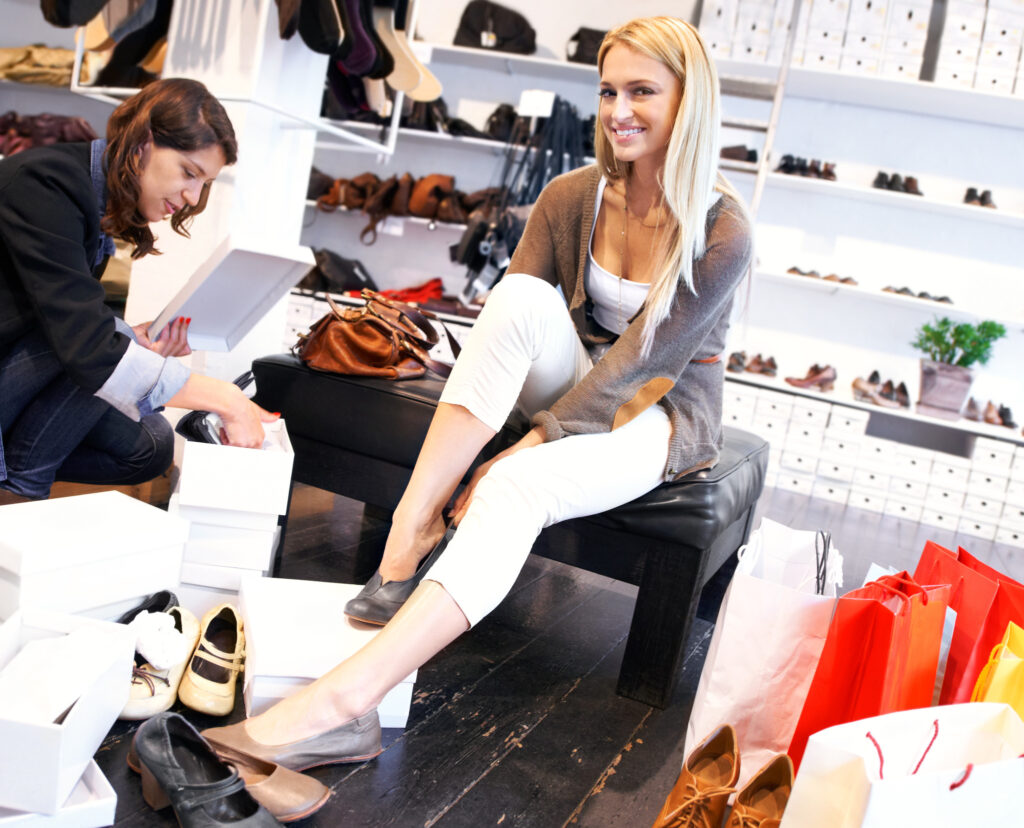
Getting shoe size right is less about guesswork and more about avoiding the mistakes that distort your measurement. If you want a better fit, start by ruling out the habits that make shoes feel fine in the store and wrong an hour later, then compare your result with a trusted sizing guide such as this fit guide.
What to avoid before you size your shoes
- Do not measure while seated if you plan to walk or stand in the shoes.
- Do not use only one foot, one sock type, or one brand’s size chart as a universal rule.
- Do not ignore width, toe room, or the fact that feet swell during the day.
- Do not assume your old size still fits after weight, age, or activity changes.
Decision aid
If your main problem is getting a reliable number before you buy, focus on measurement method. If your size changes across brands or styles, use this article to avoid the mistakes, then move to the broader sizing page and compare the result with the size guide and fit checks that show when a shoe is truly right.
Measure The Right Way First
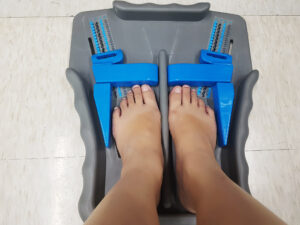
The most common shoe-sizing mistakes happen before you even step into the shoe. The fix is simple, but it has to be done carefully: measure both feet, stand while measuring, and use a method that accounts for length and width. A Brannock Device remains a dependable in-store option because it measures more than a simple tracing or ruler ever will.
A ruler on the floor, a paper outline, or a phone app can be helpful only if the setup is exact. In real life, most errors come from poor posture, incorrect reference points, and failing to account for foot spread. Standing can change the result by enough to matter, which is why a seated measurement often leads to a size that feels fine at home and tight during normal walking.
A good measurement also needs toe room. Aim for roughly 3/8 to 1/2 inch of space ahead of your longest toe, and make sure the shoe does not squeeze at the widest point. That combination is more useful than chasing a number alone. It is also the bridge between a measurement article like this one and a more complete sizing reference, such as the broader fitting guide.
Timing Matters More Than Most Shoppers Realize
Feet change during the day. They are often smaller in the morning and larger later on, especially after walking, standing, warm weather, or a salty meal. If you shop or measure too early, you can end up with a pair that pinches by evening. For the most useful result, measure in the late afternoon or evening, when swelling is more likely to reflect normal wear.
Best timing rules
- Measure later in the day when feet are at or near their largest.
- Wait after exercise before measuring, so temporary swelling does not skew the result.
- Use the same conditions you expect for real wear, including socks and standing posture.
This timing advice is especially important if you alternate between casual wear, walking shoes, and more structured footwear. One pair may feel fine for short errands but become restrictive on a long day. A good fitting process should reflect your longest, busiest day, not your shortest one.
Why Brand Variation Keeps Confusing Buyers
Even when your measurement is accurate, the size on the box can still vary by brand, style, and last shape. Athletic shoes often fit differently from dress shoes, and some brands run a half size or more smaller or larger than expected. That is one reason relying on a single number from one old purchase often backfires.
The better habit is to treat size as a starting point, not a final answer. Try shoes on, walk in them, and pay attention to heel security, toe movement, and pressure points. If a shoe feels short but wide enough, or long but pinchy at the sides, the issue is usually shape rather than length alone. That is where a detailed reference page becomes useful, especially when you are deciding between close sizes or different models.
If you are comparing several models inside the same brand, the most helpful next step is often a brand-specific fit guide. For readers working through the Xero Shoes cluster, the size guide and perfect-sizing guide are the natural next pages once you know the measurement process is sound.
Sock Choice And Width Checks Make The Difference
A surprisingly common sizing error is testing a shoe with the wrong sock. Thin socks can make a pair feel more forgiving than it will in everyday use, while thick socks can reveal a fit issue that would otherwise stay hidden until later. If you plan to wear a shoe with a specific sock type most often, test it that way. That single habit prevents a lot of false confidence.
Width deserves the same attention. Many fit problems are not length problems at all; they are width problems that show up as pinching, toe crowding, or pressure over the midfoot. If your feet are naturally wider, or if you often feel squeezed in the front of a shoe, a wider toe box or a more suitable width is usually the smarter fix than simply buying a longer size. For deeper width-related help, this wide-feet guide is a useful companion.
When To Stop Troubleshooting And Use The Main Size Guide
If you have corrected the basics and the fit still feels uncertain, move from mistake-avoidance to a full sizing check. That is the point where a broader guide matters more than another quick tip. It can help you compare size, width, toe box shape, and model-specific differences without starting over from scratch.
Next best step
If you want to turn these checks into a complete fit decision, continue with the main shoe size guide. It is the stronger destination once you already know what to avoid and need help choosing the size that actually matches your feet.
For shoppers comparing multiple pairs, that guide works best after this page has ruled out the obvious errors: wrong posture, wrong socks, wrong timing, and wrong assumptions about brand consistency.
Frequently Asked Questions
How does measuring feet at different times of day affect shoe size accuracy?
Feet are often smallest in the morning and larger later in the day, so late afternoon or evening measurements are usually more realistic for everyday wear. Measuring too early can produce a size that feels tight once your feet swell naturally.
What are the problems with using the thumb press test to check shoe fit?
The thumb press test only checks a narrow part of the shoe and misses issues like width, heel hold, and pressure at the midfoot. A better test is to stand, walk, and check whether the entire foot feels supported without pinching or sliding.
Why should you avoid relying on your previous shoe size when buying new shoes?
Previous size is only a rough reference because brand sizing varies and foot shape can change over time. A fresh measurement and an on-foot test are more reliable than assuming last year’s size still works.

Oliver Prescott is a dedicated author and content creator at My Shoes Finder, where he explores a diverse range of topics focusing on lifestyle, fashion, and personal development. With a keen eye for detail and a passion for storytelling, he connects with readers by providing insightful and engaging content. Oliver’s writing aims to inspire and inform, making complex ideas accessible and relatable to a broad audience. When he’s not writing, he enjoys exploring new shoe trends and sharing his findings with fellow enthusiasts.
See also:
 Xero Shoes Sizing For Thick Socks: How Much Room To Leave
 Xero Shoes For Children In 2025: Fit, Safety, And Best Models
 Xero Shoes For Wide Feet: 2025 Fit Guide, Widest Models, And Sizing Tips
 How To Measure Your Feet For Xero Shoes Size Fit
 Xero Shoes For Bunions: What Helps, What Doesn’t, And Which Models Fit Best
 Xero Speed Force Ii Lab Test: 2025 Minimalist Running Shoe Review



You bring up such a crucial topic! I used to think I had my shoe size down to a science, but it wasn’t until I started getting regular foot pain that I reconsidered. I always measured one foot and just assumed the other one was the same size, but as you mentioned, that’s not always the case. I finally took the plunge and got professionally fitted, and it’s been a game-changer for my comfort.
You’ve touched on something really important about shoe fitting, and it’s interesting how many people overlook this. Our feet aren’t always the same size—this can surprise people, but it’s true. Many of us don’t spend enough time thinking about our feet beyond just knowing our usual size. It’s easy to fall into a routine where we just grab shoes because we think we know our size, but foot shape, width, and even how our feet spread throughout the day can change what feels good.
It’s interesting how often we overlook something as fundamental as our shoe size! Your experience really highlights a common issue many people face. A lot of us naturally gravitate toward the idea that our feet should be the same size, but the reality is usually different. Getting that professional fitting can make such a significant difference in comfort.
You’re spot on about the importance of getting the right shoe size. I always thought that as long as my toes weren’t crammed, I was good to go. But after struggling with awful blisters after a hiking trip, I realized how wrong I was! I started measuring my feet more accurately and even went to a specialty store where they did a 3D scan of my feet. It was eye-opening to see just how much my feet change throughout the day.
It’s interesting how often we underestimate the impact that the right shoe size can have on our overall comfort, especially during activities like hiking. I can relate to your experience; I used to think a little snugness was no big deal, but after a few long walks in poorly fitting shoes, I learned my lesson about foot care the hard way.
It’s interesting how many people overlook something as fundamental as shoe size until they face an issue like blisters. I think your experience really highlights a common misconception—that comfort can be gauged just by how our toes feel in the front. But, as you found out, there’s so much more to it. Feet are dynamic; they change not just with the time of day, but also with changes in temperature, activity levels, and even body weight.
You make a great point about how often we underestimate the importance of shoe size and fit. I think a lot of people, myself included, often prioritize style over comfort, only to find out that the two don’t always align. I remember a few months ago, I bought what I thought were the perfect pair of sneakers for a hiking trip. They looked great, but by the end of the first day, I had blisters in places I never thought I would.
It’s interesting to hear about your experience with shoes and how blisters became the catalyst for a deeper understanding of fit. Many people share a similar story, thinking that a little bit of wiggle room for the toes is all they need for comfort. It’s almost ironic that something seemingly simple can lead to such discomfort.
It’s interesting to think about how much our footwear impacts our overall health, yet many of us still overlook the basics when it comes to sizing. I’ve always found it surprising that our feet can fluctuate in size throughout the day—it really emphasizes why we should be measuring our feet in the afternoon when they’re likely at their largest.
This post resonates deeply with me! I used to think I was in the right shoe size until I started noticing discomfort after long days on my feet. After learning about the importance of measuring both feet and the variations throughout the day, I realized I was completely off. I made the switch to a shoe store that specialized in proper fittings, and it revolutionized my walking experience! It’s fascinating how something as seemingly simple as shoe size can impact overall foot health and even posture. I wonder how many people are walking around unaware. Has anyone else experienced a significant change in comfort after getting properly fitted? I’d love to hear your stories!
Your insights into shoe sizing are spot on, and they really resonate with me. I’ve certainly been guilty of wearing the wrong size for years without realizing it! It’s interesting to think about how our feet can change throughout the day—I’ve noticed that my shoes feel tighter in the afternoons, especially after a long day of standing or walking. It makes perfect sense that accurate measurement techniques are so critical, yet so many of us overlook them.
What a nifty little reminder that our feet aren’t just the awkward appendages that force us into a love-hate relationship with shoes! I mean, who hasn’t crammed their poor feet into too-small shoes just because they looked fabulous at the store? I like to think of my shoes as the unsung heroes of my adventures—courageously supporting my every step, yet often ending up being the villain of my day when they’re the wrong size. You know the classic tale: a new pair of heels that promise to turn heads but then leave you contemplating the very meaning of life after just an hour at a party. The struggle is all too real.
Your insights into the common pitfalls of measuring shoe size really hit home for me. It’s interesting how often we overlook something as fundamental as our shoe size, yet it can have such significant effects on our overall foot health. I learned this the hard way when I ignored persistent discomfort in my shoes for far longer than I should have.
It’s so true how easy it is to overlook something as basic as shoe size. It’s one of those things that seems trivial until you start dealing with the fallout, right? Comfort is key, but many of us soldier on thinking we can just “make it work.” What was your experience like dealing with that discomfort? I’ve found even just a slight change in fit can make walking feel like a totally different experience. It’s all about finding the right balance between style and health, but sometimes that just means putting the ego aside and accepting we might need a larger size or a different style. What’s helped you the most since figuring that out?