
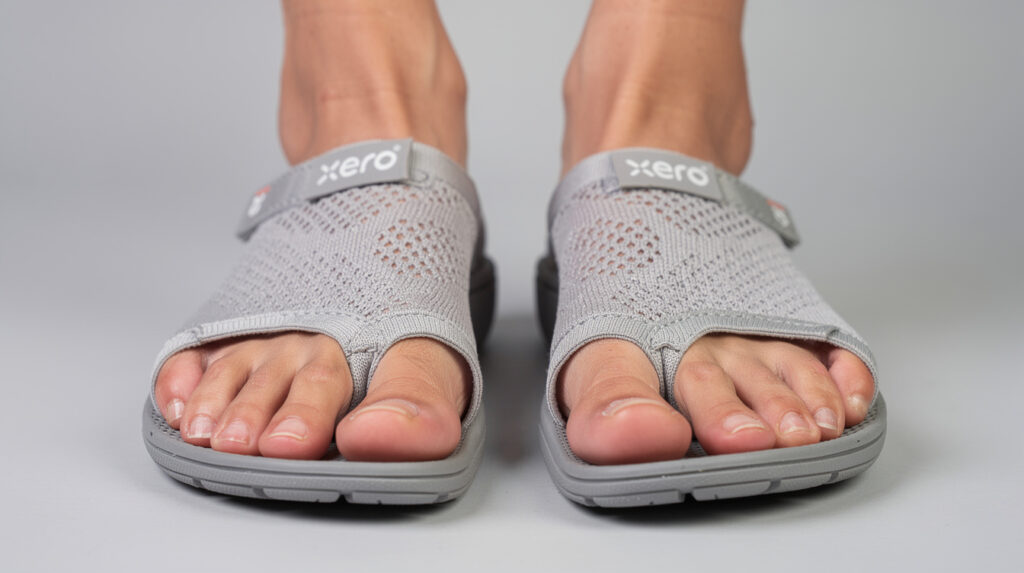
Xero Shoes can be a useful option for bunions when the shoe gives your forefoot enough room to spread instead of squeezing the big toe inward. The real question is less about the brand name and more about whether the model offers a wide toe box, flexible upper, and a fit that matches your foot shape.
Quick take
If your bunion feels worse in narrow, tapered shoes, Xero’s roomier minimalist models may reduce pressure and friction. If your bunion is highly irritated, rigid, or sensitive to any change in load, start gradually and compare fit against a dedicated bunion guide like Xero Shoes for Bunions: 2025 Improvement Guide.
For the toe-box mechanics behind that fit, the best companion read is Xero Shoes Wide Toe Box: Key Features and Benefits Explained.
Why Bunions React To Shoe Shape
A bunion is not just a bump; it is a structural change around the big-toe joint, and shoe shape can either calm or aggravate it. When a shoe narrows at the front, the big toe gets pushed toward the second toe, which increases pressure on the joint and often creates the rubbing, heat, and irritation people feel by the end of the day.
That is why the most useful bunion test is not marketing language like “barefoot” or “healthy.” It is whether the shoe respects your foot’s natural outline. If you need broader background on the condition itself, the bunion-focused improvement guide covers the decision process from the symptom side, while this page focuses on the fit mechanics that can make Xero work better or worse.
What Makes Xero Shoes Different For Bunion-Prone Feet
Xero Shoes are usually discussed in the same breath as barefoot shoes because they aim for a low-profile, flexible feel rather than a heavily structured build. For bunions, that matters when the design gives the toes room to spread and avoids sidewall pressure at the forefoot.
The features that matter most are simple: a toe box that does not taper, enough width to prevent rubbing at the bunion, and a sole that bends without forcing the forefoot into a narrow shape. The name on the heel matters less than these details. That is why a model-by-model comparison is more useful than a broad “Are Xero Shoes good for bunions?” claim.
If you are deciding between shoe families, start with the width article Xero Shoes for Wide Feet: 2025 Guide. It is the better next step when your main question is whether Xero’s shapes actually match a wider forefoot.
How To Choose A Bunion-Friendlier Xero Model
Not every minimalist shoe will feel good on a bunion, even if it shares the same philosophy. The decision comes down to how the shoe holds your foot at the midfoot and heel while leaving the front open enough for toe splay.
- Look for a visibly broad forefoot rather than just “wide enough” sizing.
- Avoid aggressive tapering near the little-toe side, where bunion-prone feet often feel cramped first.
- Choose lighter, more flexible uppers if you want less friction over the joint.
- If you already know you need extra room, compare models in the widest Xero shoes round-up before you buy.
For readers who want a broader view of the brand’s comfort and pain-relief use cases, Therapeutic Benefits of Xero Shoes: 2025 Guide is a helpful companion page. It sits closer to the general “why minimalist footwear helps” conversation, while this article stays focused on bunion pressure and fit.
How To Transition Without Making The Bunion Angrier
Even when the toe box is better, switching to a minimalist shoe can still feel like a change in load. A bunion that has adapted to a stiff or elevated shoe may need time to adjust to a flatter, more flexible platform.
Start with short wears and low-stress activities such as errands or light walking. If the bunion area feels hot, rubbed, or more inflamed after a wear session, pause and reassess fit before increasing time. A better fit should feel less cramped across the front of the shoe, not just “lighter” in the hand.
Simple foot work can also help the transition. Toe mobility, calf stretching, and gentle foot-strengthening routines are common pairings with minimalist shoes, but they are support work, not a cure. The shoe still needs to respect your shape first.
Who Xero Shoes May Help, And Who Should Be Careful
Xero Shoes are most likely to help people whose bunion pain is driven by forefoot squeeze, toe crowding, and pressure from narrow uppers. They can also suit people who want a more natural-feeling walking shoe and are willing to adapt gradually.
Be more cautious if your bunion is highly inflamed, if you need a very structured shoe, or if any reduction in cushioning or support tends to aggravate symptoms. A zero-drop shoe is not automatically better for everyone, and a wide toe box alone does not guarantee comfort if the rest of the fit is off.
Best next step
If you want the most bunion-specific buying advice, move to the main guide first:
Common Questions About Xero Shoes And Bunions

Henry Harrington is a passionate author and content creator at My Shoes Finder, where he explores a wide range of topics related to footwear, lifestyle, and personal growth. With a keen eye for detail and a love for storytelling, Henry engages readers by sharing insights, tips, and personal anecdotes that resonate with his audience. His commitment to delivering high-quality content has established him as a trusted voice in the online community, inviting readers to step into new perspectives and discover their unique paths.
See also:
 Xero Shoes For Bunions: What Helps, What Doesn’t, And Which Models Fit Best
 Do Toe Spacers Work For Bunions? Evidence, Benefits, And Limits
 Are Xero Shoes Wide In The Toe Box? Fit Guide For Wide Feet
 Widest Xero Shoes For Wide Feet: Best Models And Fit Tips
 Xero Shoes For Women: How To Choose The Right Fit, Comfort, And Style
 Best Shoes For Wide Feet: How To Choose Comfort Without Losing Style


It’s refreshing to see a blog post that addresses the often-overlooked considerations for individuals dealing with bunions. Shoes are such a fundamental aspect of our daily comfort and mobility, yet the importance of a proper fit is seldom emphasized outside the realm of athletic gear. I’m particularly intrigued by your focus on the shoe’s design features rather than the brand alone. It resonates with my own experiences—when I’ve focused too rigidly on brand names, I’ve neglected how different models can cater to distinct foot shapes.
It’s refreshing to see a focus on how shoe design impacts foot health, especially for those of us dealing with bunions. I’ve tried a few different brands that claimed to be foot-friendly, but many still felt too narrow despite the marketing hype. The emphasis on a wide toe box is so crucial—it’s surprising how much difference a little extra room can make in comfort and pain relief.
It’s refreshing to see a focus on how footwear can really impact our comfort and health, particularly for those of us dealing with bunions. Your emphasis on the fit over the brand alone resonates with me; I’ve found that even a popular brand may not always accommodate the unique shape of my feet. It’s almost like shoe shopping becomes a treasure hunt—or perhaps a strategic game.
Your insights on the importance of a wide toe box for bunions prompt an interesting conversation about the broader implications of shoe design on foot health. I completely agree that focusing on fit rather than brand name can open up options for those of us struggling with foot issues. It’s frustrating how many mainstream shoes prioritize aesthetics over comfort and functionality, often resulting in exacerbation of conditions like bunions.
Your insights on Xero Shoes and their potential benefits for those suffering from bunions really resonate with me, especially as someone who has navigated this challenge for several years. The emphasis on finding a shoe model that accommodates a wide toe box is crucial—many people underestimate the importance of having enough space for the forefoot. I’ve experienced firsthand the discomfort of narrower shoes, which can exacerbate bunions by constraining the big toe and increasing friction against the sidewall.
It’s interesting to hear about Xero Shoes’ potential benefits for bunions! I’ve struggled with mine for years and definitely found that traditional shoes just make everything worse. The wide toe box really makes a difference. I also appreciate the emphasis on gradually adjusting. It reminds me of when I first tried minimalist shoes—my feet needed time to adapt to that change!
It’s interesting to see how the shape of shoes can impact foot health, especially for those of us dealing with bunions. I’ve found that transitioning to wider toe boxes isn’t just about comfort; it’s also about preventing further complications. I’ve experimented with various brands, and while Xero Shoes have been supportive, finding the right fit is key. It reminds me of conversations I’ve had with podiatrists about how our footwear choices reflect not only our foot health but also broader lifestyle habits.