
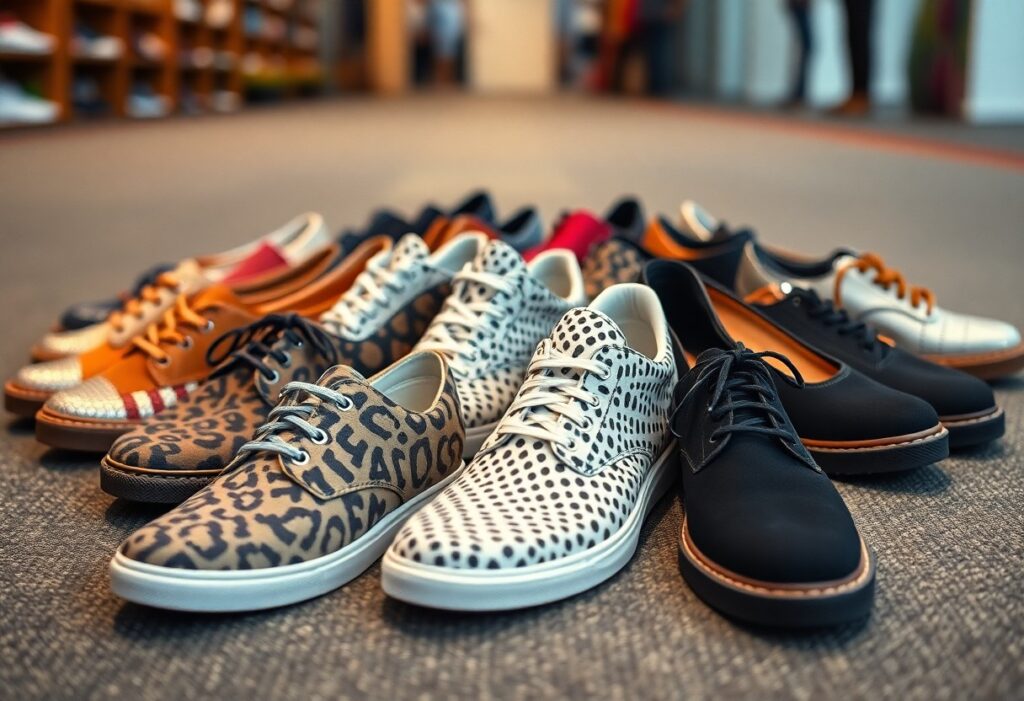
If your shoes feel tight across the forefoot, pinch your toes, or leave you with hot spots by the end of the day, the problem is usually the shape, not just the size. The best shoes for wide feet give your toes room to spread, use forgiving materials, and still look polished enough for everyday wear.
What to look for first
- Wide Or Foot-Shaped Toe Box so your toes are not compressed.
- Flexible Uppers that adapt to width without creating pressure points.
- Width Options in the model, not just a longer size.
- Stable Heel And Midfoot Hold so the shoe fits wide in front without slipping in back.
If you want a broader buying framework first, start with this guide to footwear for wide feet. It helps you separate true wide-friendly construction from shoes that only look roomy in photos.
The Easiest Way To Choose Wide-Foot Shoes
A good wide-foot shoe should solve three problems at once: toe squeeze, midfoot pressure, and heel instability. Many people focus only on length, but wide feet usually need more room across the forefoot while keeping the rest of the shoe secure. That is why some standard shoes feel fine in the heel and terrible in the toes, while others feel “big” but still don’t really fit.
The most practical buying rule is simple: choose the shape first, then the style, then the size. A shoe with the wrong silhouette will rarely feel right no matter how carefully you size up. That is also why wide-foot shoppers often do better with models built on a naturally broader platform, including many minimalist and barefoot-inspired options.
| Shoe type | Toe box | Fit behavior | Best for |
|---|---|---|---|
| Traditional standard-width shoe | Usually tapered | Can feel tight even when the length is correct | Narrower feet, occasional wear |
| Wide-size shoe | Moderately expanded | Good for many wide feet if the brand fits consistently | Daily walking, casual wear, work |
| Barefoot or minimalist shoe | Foot-shaped and roomier | Often the most natural-feeling option for splay and comfort | Walking, travel, casual use, some training |
| Supportive wide-fit work shoe | Roomier front end with structured hold | Balances comfort with durability and stability | Standing jobs, long shifts, heavy daily use |
Why Wide Feet Need A Different Shoe Shape
Wide feet are not just “bigger feet.” Often, the forefoot spreads more than standard lasts allow, which creates pressure on the toes, ball of the foot, and sides of the shoe. When that pressure builds over time, it can make daily walking uncomfortable and can force your foot to move in less natural ways.
That doesn’t mean every wide-foot shopper needs an ultra-minimal shoe. It means the shoe should respect your natural footprint. A broader toe box, softer upper materials, and a stable platform often matter more than extra cushioning. Cushion can help in some cases, but if the front of the shoe is narrow, comfort usually disappears fast.
Toe Box Matters Most
If your toes can spread naturally, the shoe is already solving one of the biggest wide-foot problems. This is why many shoppers prefer foot-shaped designs over simply sizing up in a standard silhouette.
Material Flexibility Can Make Or Break Comfort
Leather, knit, mesh, and other flexible uppers can adapt better to width changes during the day. A stiff upper can keep rubbing long after the size seems “correct.”
Heel Security Still Matters
A shoe can be roomy in front and still be a poor fit if the heel slips or the midfoot slides around. The best pairs give your toes room without making the whole shoe loose.
Barefoot Shoes, Traditional Wide Shoes, And When Each Makes Sense
For many people with wide feet, barefoot shoes are worth considering because they start from a more natural foot shape. That said, they are not automatically the answer for everyone. Some people want a firmer platform, more underfoot structure, or a shoe that feels closer to a conventional sneaker or work shoe.
The key difference is how the shoe treats your foot. Barefoot and minimalist designs tend to prioritize a wider toe box, flexible materials, and a lower or zero-drop sole. Traditional wide-fit shoes may provide more cushioning or support but still use a shape that narrows at the front. If your biggest issue is toe pressure, the first group often feels better. If you need a more familiar feel, a strong wide-size model may be the better compromise.
If you are interested in how minimalist features affect comfort in everyday wear, this breakdown of Xero’s wide toe box design is a useful next read. It’s especially helpful if you are comparing a broad wide-foot guide with a specific minimalist brand.
How To Shop By Use Case
The right wide-foot shoe changes depending on where you plan to wear it. A commuting sneaker, a work shoe, and a trail shoe all solve comfort differently. Instead of looking for one perfect pair, it helps to match the design to the setting.
- For Casual Walking prioritize toe room, breathable uppers, and an easy break-in period.
- For Work Or Long Shifts look for a wide-friendly front, dependable traction, and a secure heel.
- For Travel choose lightweight shoes with flexible materials so your feet don’t feel trapped after long wear.
- For Exercise make sure the shoe stays stable during movement, especially if your foot spreads under load.
If your main need is occupational comfort, the strongest fit advice is often different from casual style advice. For that reason, it can be worth reading these wide work shoe recommendations after you narrow down your general options. Work footwear needs a bit more structure, durability, and slip resistance than a weekend sneaker.
A Practical Fit Checklist Before You Buy
- Look for a toe box that lets your toes lie flat instead of bunching inward.
- Check whether the brand offers true wide sizing, not just a roomy-looking upper.
- Choose uppers that flex with your foot rather than fighting it.
- Make sure the heel locks in so the shoe does not slide as you walk.
- Consider the activity: walking, standing, work, travel, and training all have different demands.
- Try the shoe later in the day if your feet tend to swell, because that is when fit problems show up fastest.
Ready to compare a narrow set of Xero options?
If you want a focused product shortlist after learning the fit basics, the best next step is the Xero-specific roundup built for wide-foot shoppers.
Still comparing fit strategies?
For a broader look at sizing, shape, and fit tradeoffs across styles, these wide-foot shopping tips can help you avoid the most common mistakes.
Frequently Asked Questions
Are Barefoot Shoes Good For Wide Feet?
They can be, especially if your main issue is toe squeeze. Barefoot shoes usually offer a roomier toe box and more flexible materials, which many wide-foot wearers find more comfortable than standard shoes.
Should I Buy A Larger Size If My Feet Are Wide?
Sometimes, but it is usually better to look for a wider shape first. Sizing up can create extra length without solving the pressure across the forefoot, which often leads to heel slip or awkward fit.
What Matters More For Comfort: Width Or Cushioning?
For most wide feet, width matters first. Cushioning can improve comfort, but it will not fix a shoe that pinches the toes or compresses the forefoot.
How Do I Know If A Shoe Is Wide Enough?
You should be able to stand and walk without side pressure, toe crowding, or a stretched upper that feels strained. If the shoe only feels acceptable when you stop moving, it is probably not the right shape for your foot.

Ethan Marshall is a passionate writer and content creator at My Shoes Finder, where he explores a diverse range of topics, from lifestyle and fashion to innovative products and personal development. With a keen eye for detail and a commitment to delivering engaging and informative content, Ethan connects with readers by sharing insights that inspire and inform. He believes in the power of storytelling to influence positive change, and he continually seeks to provide valuable perspectives that resonate with his audience.
See also:
 Widest Xero Shoes for Wide Feet: Models & Fit Guide
 Xero Shoes For Children In 2025: Fit, Safety, And Best Models
 Xero Shoes For Bunions: What Helps, What Doesn’t, And Which Models Fit Best
 Best Barefoot Shoes For Teachers: All-Day Comfort In The Classroom
 Barefoot Shoes For Climbing And Bouldering: When They Work, When They Don’t
 Unleash Your Natural Movement with Barefoot Shoes for Men
I totally relate to the struggle of finding shoes that accommodate wider feet! For years, I’ve dealt with pinching and discomfort, especially when trying to find something stylish for work or a night out. It’s frustrating to see all the chic options that just don’t come in my size. I recently switched to barefoot shoes, and it’s been a game-changer. The wider toe box and flexible fit allow my feet to relax instead of cramming them into something that feels like it’s made for someone else’s foot altogether.
It’s great to hear you’re finding some relief with barefoot shoes. That wider toe box really makes a difference, doesn’t it? It’s such a shame that so many stylish options ignore the needs of wider feet—it can feel like a huge barrier to finding something you actually want to wear. Have you noticed any particular styles or brands that have worked well for you? I’ve heard that some brands are finally catching on and starting to offer more inclusive sizes. It’s nice to see the shift, but I wish it happened sooner. Any tips on what to look for when exploring those options would be interesting to hear as well.
I really appreciate your thoughts on this. The wider toe box has genuinely made a difference for me, especially considering how much we often overlook foot health in favor of style. It’s frustrating that many trendy options default to narrow fits, leaving wider-footed folks stuck with limited choices.
I completely get where you’re coming from. Finding shoes that both fit well and look stylish can feel like an impossible task, especially with wider feet. It’s like fashion sometimes forgets that comfort should also play a role in how we look and feel.
I can relate to your experience with finding shoes that fit both well and look good, especially with wider feet. It often feels like there’s this disconnect in the fashion world between style and comfort. I’ve spent countless hours trying on shoes that look great but end up pinching and causing discomfort after a short while. Recently, I’ve started exploring brands that prioritize orthotic-friendly designs without sacrificing aesthetics, which has been enlightening.
Finding shoes that fit comfortably can be a maze, especially when wide feet come into play. It’s interesting how many people, like yourself, share this journey of squeezing into shoes that just aren’t a match. The struggle with pinching and discomfort is all too real, and it’s something many of us don’t fully understand until we experience it ourselves.
It really is a journey, isn’t it? The search for shoes that actually fit can feel a bit like a treasure hunt, but instead of gold, you’re just trying to find a pair that doesn’t cramp your style—or your feet. I’ve definitely had my share of awkward shoe encounters, squeezing into sizes that looked good on the shelf but turned out to be a total mistake once I started walking around.
It really is a journey, isn’t it? I completely relate to that feeling of finding the right shoes being akin to a treasure hunt. There’s something about trying on shoes that seem promising only to discover they’re more torturous than trendy. I’ve had my fair share of awkward shoe encounters, too—those moments when you think, “This style is perfect,” only to realize it’s a total disaster after a few minutes of walking.
Finding the right shoes really is like embarking on a treasure hunt, isn’t it? There’s a unique thrill about navigating through the aisles, encountering styles that catch your eye, only to find out that they might not be as comfortable as they appeared. Those awkward moments when you think, “This style is perfect,” only for reality to hit after a few minutes of wear, can be so disheartening.
You’re spot on about the treasure hunt aspect of shoe shopping. It can really feel like a quest sometimes. Finding that one pair that balances comfort with style seems to require both patience and a little luck. Those moments when you think you’ve got a winner, only to find out they might as well be medieval torture devices, can be frustrating.
I totally get where you’re coming from. The struggle for finding shoes that fit well while still looking stylish is real. It can feel like every cute pair is designed with a foot shape that’s just not meant for us. It’s great to hear that barefoot shoes have been a game-changer for you! The wider toe box really does make a difference. I’ve seen more people gravitating towards that style lately, and honestly, it’s refreshing.
I completely relate to that struggle—finding shoes that balance comfort and style can be a challenge. When I first tried barefoot shoes, it was like a lightbulb went off. The wider toe box really does allow my feet to move more naturally, which is something I didn’t realize I was missing out on.
Oh, the trials and tribulations of wide-footed warriors! It’s almost like we’re doomed to eternally navigate the shoe aisle like we’re on a quest for the Holy Grail – except the only treasure waiting for us is a decent pair of sneakers. I mean, has anyone else noticed that most shoe companies seem to think we all have feet shaped like twigs?
Ah, the quest for the perfect pair of shoes—it’s like we’re all part of the same secret club, isn’t it? I hear you loud and clear about the whole ‘twigs for feet’ situation. It’s like these companies just don’t get that not everyone wears a size narrow, and the options for wider feet are often pretty dismal. You’d think they’d realize there’s a whole world of foot shapes out there that deserve more representation.
Navigating the shoe aisle can feel like a series of mini battles, can’t it? It’s tough when it seems like the shoe industry is stuck on one narrow idea of what feet should look like. I totally get that frustrated feeling. It’s hard enough to find shoes that fit without feeling like you’re compromising on comfort or style.
It’s so true—wide-footed warriors really are on a quest of their own, wandering through the store aisles like modern-day adventurers. The shoe industry often seems to cater to a narrow definition of beauty and fit, leaving many of us to feel like we’re searching for that elusive treasure. You’d think with the wide variety of feet out there, brands would get on board and start crafting more options that celebrate those of us whose feet don’t conform to the “twig” norm.
Finding shoes that fit well has always been a struggle for me, too! It’s eye-opening how many people suffer from the discomfort of poor-fitting footwear. I’ve started leaning towards brands that offer wide options and emphasize comfort, especially after dealing with some persistent foot pain. I’ve also tried barefoot shoes and can personally vouch for the difference in comfort—my toes finally have the space they need to wiggle!
I can relate to your struggles with finding the right shoes. It’s surprising how much impact uncomfortable footwear can have on our overall well-being. I’ve also started exploring brands that focus on fit and comfort, particularly since my own experience with foot pain led me down that path. It’s refreshing to see more companies recognizing the need for wider options.
I can really relate to the struggle of finding comfortable shoes with wide feet. It’s frustrating to see so many stylish options out there that just don’t accommodate a wider fit. I’ve personally experienced the discomfort of shoes that pinch, and it’s disheartening when something as simple as footwear can affect day-to-day activities, leading to those long-term issues mentioned.
You’ve touched on a significantly overlooked issue in the footwear industry, especially concerning those of us with wide feet. The frustration of sifting through racks of shoes designed with a narrow fit can be really disheartening. I’ve often found myself settling for styles that pinch or create discomfort just to have something to wear.
I totally get where you’re coming from. The struggle to find shoes that fit comfortably can feel like a never-ending battle. It’s surprising how many brands don’t seem to consider wider feet in their designs. I’ve been there myself, forcing my feet into shoes that are clearly not meant for them just to match an outfit or participate in an event. It’s frustrating because it’s not just about aesthetics; it directly affects how we feel throughout the day.
I completely relate to your experience. The quest for comfortable shoes can feel like an endless journey. It’s interesting how the fashion industry often prioritizes style over practicality, leaving many of us to choose between looks and comfort. I used to think that squishing my feet into trendy shoes was necessary to look good, but I’ve come to realize just how much it affects my overall well-being.
I appreciate your perspective. It’s discouraging to realize how many brands overlook the realities of wider feet in their designs. It’s as if there’s a prevailing assumption that everyone’s foot is a standard size, and anyone who doesn’t fit neatly into that mold is left out in the cold – quite literally, if you think about it. Your mention of struggling to squeeze into shoes that just don’t work for you resonates deeply. It’s not just about the visual appeal of an outfit; those uncomfortable shoes can ruin your whole day.
I completely relate to the struggle of finding comfortable shoes for wider feet. It’s been a journey for me, especially with dress shoes. I found that many brands still prioritize aesthetics over comfort, which is frustrating! Switching to barefoot shoes was a game changer; it’s refreshing to finally wear shoes that let my feet breathe and move naturally. I’ve also noticed that integrating foot exercises has helped alleviate some discomfort. Has anyone else tried specific brands or types that accommodate wider feet well? I’m curious to hear about others’ experiences!
You’ve touched on a crucial yet often overlooked issue when it comes to footwear. As someone with wide feet, I’ve certainly faced my share of struggles trying to find shoes that don’t feel like a torture device after a few hours. The discomfort from traditional narrow shoes can indeed lead to significant health issues over time, which is alarming when you consider how many people might not even realize the long-term impact until it’s too late.
Ah, the eternal struggle of wide-footed warriors! I’ve spent countless hours navigating the murky depths of shoe stores, where every pair of cute shoes seems to have been crafted by someone who believes “narrow” is synonymous with “stylish.” It’s like walking through a gallery of foot traps!
You’ve really captured the essence of a common dilemma that many wide-footed warriors face in this stylish shoe landscape. It’s a bit of a paradox, isn’t it? You step into a store, surrounded by alluring designs, only to find that your quest for the perfect pair often leads you through a maze of options that feel like they were designed with a completely different foot shape in mind.
The struggle you’re sharing is something a lot of us can relate to in our own ways. It’s surprising how many shoe designers seem to overlook the fact that not everyone’s feet have the same shape. Those “cute” shoes really can feel more like foot traps, can’t they? When strolling through stores, it often feels like we’re wading through a minefield of style versus comfort, with most options leaning heavily towards the former.
I can totally relate to the eternal struggle of wide-footed warriors — it feels like a rite of passage, navigating those endless rows of shoes like a game of foot roulette. It’s surprising how often we overlook the basic idea that comfort and style can coexist. I mean, you’d think in this age of customization and inclusivity, shoe designers would be more attuned to the fact that not everyone has slim feet.
I completely understand that feeling of navigating the shoe aisles like it’s some kind of twisted game. It’s almost comical how wide-footed folks can spend ages searching for something that doesn’t pinch or feel like a medieval torture device.
Ah, the wide-footed warriors unite! It’s like a secret club where the entrance fee is nothing other than a pair of well-fitted shoes. I hear you loud and clear on that foot roulette; it’s as if the universe conspires to present us with a myriad of options, only to trap us in the narrow aisles populated by shoes that seem to be modeled after pretzel sticks.
Navigating the world of footwear can feel like embarking on an odyssey, especially when you’re among the wide-footed crowd. It’s true — it often feels like a game of foot roulette, where the stakes are comfort versus style. The struggle is real, and it can be frustrating when the options seem limited or downright uninspired.
Finding comfortable shoes for wide feet is indeed a significant challenge that many people face, and it’s refreshing to see this topic addressed so thoroughly. As someone with wider feet myself, I can personally attest to the discomfort that comes from traditional shoe designs. I have often felt that the emphasis on aesthetics in footwear often overshadows the importance of fit, which ultimately affects our health.
Finding comfortable shoes for wide feet is such a crucial topic, isn’t it? Your experience is a clear reflection of the challenges many of us face in a world that often overlooks these practicalities. There’s a certain irony in how a product meant for comfort can sometimes bring so much discomfort, especially when the focus seems to lean more toward how shoes look rather than how they fit.
Finding comfortable shoes for wide feet really is such a crucial topic. It’s wild how you can walk around all day in what you think looks great but ends up being a painful reminder of what true comfort should feel like. I guess we’re in a bit of a fashion trap where style can overshadow practicality.
It’s great to hear your thoughts on this. Many of us with wider feet have felt that frustration—finding comfortable shoes can sometimes seem like a quest for the holy grail. You’re spot on when you mention the balance between aesthetics and fit. It often feels like style dictates the available options, squeezing out what really matters: comfort and support.
You’ve touched on an issue that resonates with so many of us dealing with wider feet. I completely agree that the struggle to find comfortable shoes is often overlooked. In my experience, the conventional shoe brands focus so heavily on style that they leave little room for comfort, particularly for those of us with wider feet. It’s frustrating to see so many beautiful shoes that just don’t fit.
It’s true—finding shoes that are both stylish and comfortable can feel like searching for a unicorn, especially with wider feet. I’ve often felt that pressure from fashion trends pushing us toward aesthetics without considering individual needs. On several occasions, I’ve found myself falling in love with a pair, only to realize they weren’t made for someone with my foot shape. It’s disheartening when you feel like you have to choose between looking good and being comfortable.
I completely get where you’re coming from. It’s frustrating when you find that perfect pair of shoes, only to realize they just don’t work with your foot shape. I think many of us can relate to the struggle of trying to keep up with trends, especially when they often overlook the reality of different foot shapes and sizes. It can feel like a disconnect between what’s fashionable and what’s actually wearable.
You’ve really tapped into a crucial issue that often gets overlooked. I can personally relate to the struggle of finding comfortable shoes with wider feet. It’s not just about aesthetics; the implications for long-term foot health are significant. I used to wear traditional shoes that pinched and caused discomfort, only to realize later that those choices led to bunions and ongoing foot pain.
You bring up essential points regarding the discomfort that can arise from poorly fitting shoes, especially for those with wide feet. I can relate to this challenge, having experienced significant discomfort from traditional shoes that simply weren’t designed with wider feet in mind. It’s fascinating to see how our shoe choices can profoundly influence not only foot health but overall posture and well-being.
You’ve really hit the nail on the head with this discussion about finding comfortable shoes for wide feet. As someone who wears a size 12 and often finds myself stranded in the narrow trenches of shoe aisles, I can absolutely relate. It’s frustrating because the comfort of our feet can impact our overall wellness, often in ways we don’t even realize until we’re struggling through a long day in ill-fitting shoes.