
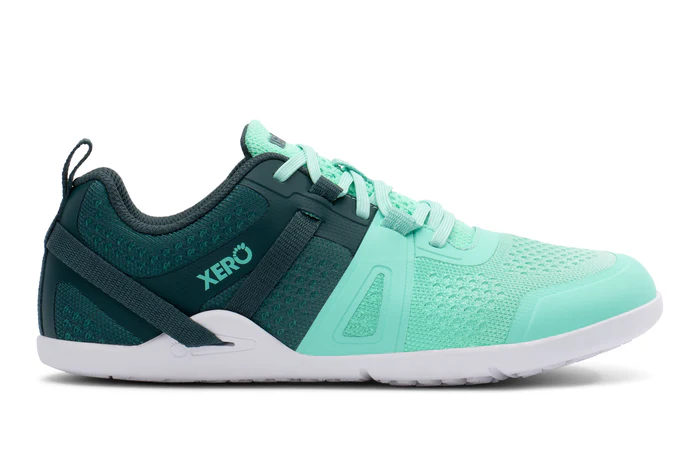
Xero Shoes for women make the most sense when fit comes first and style comes second. If you want a lightweight barefoot feel for walking, travel, errands, or workouts, the real win is choosing the right width, size, and model for how you actually move.
- Narrow-to-average feet usually do well in lighter everyday models.
- Wide feet should prioritize toe box room before anything else.
- For all-day wear, choose flexibility, low weight, and a secure heel.
- For hiking or more demanding use, favor traction and upper durability over style alone.
How Xero Shoes For Women Are Best Used
The most useful way to think about Xero Shoes is not as one shoe for every situation, but as a minimalist base that can be adapted to different needs. That matters for women because foot width, instep height, heel hold, and how much room you want in the toe box can vary a lot even within the same size.
If your main goal is everyday comfort, Xero’s lighter casual models are often the easiest entry point. If you need a shoe for longer walks, standing, or travel days, the fit should feel secure without squeezing the forefoot. If you want a more active pair, you should pay closer attention to traction, upper flexibility, and how the shoe bends with your stride.
For a broader women’s style-and-comfort angle, the companion guide on women’s Xero shoes for any occasion is useful, but this article stays focused on buying decisions that affect fit and comfort the most.
Choose By Fit First: The Most Important Sizing Checks
A lot of shoe disappointment comes from shopping by color or previous brand size instead of foot shape. Xero Shoes tend to work well when the toe box can let the toes spread naturally, the heel stays stable, and the upper does not press on the top of the foot. That combination is especially important for women who have wider forefeet, bunions, or one foot that fits differently from the other.
Measure both feet at the end of the day, when they are slightly fuller, and compare the measurements to the size chart before ordering. If you regularly wear thicker socks, or if you are between sizes, fit becomes even more important. The most practical reference points are not only length and width, but also volume across the midfoot and whether your heel tends to slip.
For a more detailed fit walkthrough, link out to this Xero fit guide and the size guide for the perfect fit. Those pages are the right next step if your main question is whether to size up, size down, or choose a wider option.
What Features Matter Most In Women’s Xero Shoes
The original appeal of Xero Shoes is still the same: a barefoot-inspired feel with a wide toe box, flexible construction, and a low-profile ride. Those features can be very comfortable when the shoe matches your shape, but they work best when you know what each feature actually does for you.
The construction details in the source material still matter, but they should be read through the lens of use case. Rubber outsoles help with traction and wear resistance, mesh uppers help with breathability, moisture-wicking linings help in warmer weather, and durable materials matter more when the shoes will see frequent use. If you are comparing materials across models, the page on Xero durability and lifespan is the better place to go deeper.
Women looking for a wider forefoot should also check the guide to Xero Shoes for wide feet. That page is the best follow-up when toe box comfort is the reason you are shopping in the first place.
How To Choose The Right Pair For Your Day-To-Day Routine
A good women’s Xero shoe should disappear once it is on your foot. It should feel secure without being stiff, roomy without feeling sloppy, and light enough that you stop noticing it during normal movement. That is why the best choice often depends more on your routine than on a product description.
For errands, commuting, and casual wear, look for easy step-in comfort and a shape that does not draw attention under everyday outfits. For standing or busy workdays, prioritize stable heel hold and enough forefoot space to prevent swelling discomfort later in the day. For travel, lightweight packability and fast drying can matter as much as appearance. For hiking or uneven ground, the outsole and upper durability should move to the top of the list.
If you already know you need the broadest comparison of options, the strongest next click is still the best-picks comfort guide. If your goal is style that still feels wearable in real life, the broader women’s occasion guide adds useful context without replacing the fit advice here.
The fastest way to reduce returns is to confirm your foot length, foot width, and whether you need more space in the toe box. Then compare that to the model you are considering and check whether it is designed for casual wear, travel, walking, or trail use.
For sizing help, open the fit guide or the size guide, then return to the wider comparison page if you still want to choose among the best comfort picks.
What To Know About Comfort, Support, And Transition
Comfort in minimalist shoes is different from comfort in heavily cushioned shoes. Xero Shoes are designed to let your foot move more naturally, which many women enjoy immediately because the shoes feel lighter and less restrictive. But if you are used to thick cushioning or strong arch support, the adjustment can take time.
The original article mentioned reduced foot fatigue, better posture, improved mobility, and support for natural movement. Those are still relevant benefits, but they should be interpreted carefully. Minimalist shoes can help you feel more connected to the ground and may encourage stronger foot engagement, yet the transition should be gradual if you are sensitive to changes in load or gait. If you are specifically shopping for plantar fasciitis concerns, a dedicated resource such as the plantar fasciitis guide is the better place to assess whether the transition makes sense for you.
The broader point is simple: Xero Shoes can feel excellent when they fit properly and are used for the right task, but they are not a universal fix. That is why this article stays focused on product discovery and fit rather than making oversized health claims.
Care, Durability, And When To Replace Them
The maintenance advice from the original draft is sound and practical. Clean the shoes with mild soap and water, use a soft brush for stubborn dirt, and avoid harsh chemicals that can break down the materials. Let them dry naturally and store them away from heat or direct sun so the upper and outsole last longer.
Wear and tear usually shows up as sole cracking, uneven wear patterns, loosening seams, or upper fatigue. If you begin to feel less grip, less structure, or more foot movement than before, the shoe may be past its best use for your routine even if it still looks acceptable from the outside. That matters most for women who rely on one pair for everything from commuting to exercise.
If you want the most practical longevity discussion, see the durability guide for a deeper breakdown of how long different styles tend to last and what shortens their lifespan.
A Simple Shortlist For Choosing Well
- Choose toe-box room first if you have wide feet, bunions, or swelling by the end of the day.
- Choose a lighter casual model if you want a shoe that disappears during daily wear.
- Choose more grip and structure if you plan to walk uneven paths or use the shoes outdoors.
- Choose fit guides before checkout if you are between sizes or usually wear thicker socks.
- Choose the broader comfort-picks page if you are still comparing model families.
Start with the women-specific comfort choice, then move to fit, then narrow by use case. That order keeps you from buying a model that looks right but feels wrong after the first hour.
Begin with the best comfort picks, then check wide-foot guidance or fit advice before ordering.
Common Questions Women Ask Before Buying Xero Shoes
Are Xero Shoes Worth The Money?
They can be worth it if you want a lightweight barefoot feel, a roomier toe box, and a shoe you can use repeatedly across daily routines. The value is highest when the fit matches your foot shape and the model matches your use case.
What Do Podiatrists Say About Zero-Drop Shoes?
Opinions vary, but the usual advice is to transition gradually and pay attention to your feet, especially if you have existing pain or are changing from heavily cushioned footwear. A shoe can be a good fit for one person and a poor choice for another.
Who Shouldn’t Wear Zero-Drop Shoes?
Anyone with an injury history, significant foot pain, or strong sensitivity to changes in support should be cautious and may want a slower transition or more specialized guidance. If you are unsure, start with a lower-intensity use case instead of making them your all-day shoe immediately.
Where Do They Sell Xero Shoes?
Xero Shoes are sold through the brand and other retail channels, but the real buying decision is still the same: compare fit, width, return policy, and the model type before you check out.

Natalie Harper is a versatile author and content creator at My Shoes Finder, where she explores a wide range of general topics that resonate with diverse audiences. With a passion for storytelling and a keen eye for detail, Natalie crafts engaging articles that provide valuable insights and inspire readers. Her commitment to quality and relatability makes her work a trusted resource for those seeking both information and inspiration in their daily lives.
See also:
 Xero Shoes For Children In 2025: Fit, Safety, And Best Models
 Xero Shoes For Bunions: What Helps, What Doesn’t, And Which Models Fit Best
 Widest Xero Shoes for Wide Feet: Models & Fit Guide
 Xero Shoes For Office Workers: 2025 Style And Comfort Guide
 Xero Shoes For Summer Travel And Hot-Weather Adventures
 Are Xero Shoes Good For Cycling? 2025 Comfort And Efficiency Review
It’s fascinating to see how barefoot footwear is gaining popularity, particularly with options like Xero Shoes! As someone who has dabbled in minimalist footwear for my daily activities, I can truly appreciate the emphasis on fit and comfort you’ve highlighted. Finding the right pair can transform not just how our feet feel, but also how we approach movement daily.
The insights you’ve shared about Xero Shoes truly strike a chord with me, especially as someone who has recently transitioned to barefoot footwear. The concepts of comfort and natural movement are so vital, not only for enhancing our physical well-being but also for our overall lifestyle.
It’s refreshing to see a spotlight on Xero Shoes and barefoot footwear in general! As someone who’s been exploring minimalist shoes for the past couple of years, I can share how life-changing this switch has been for my comfort and mobility.
Your post on Xero Shoes really resonates with me, particularly the emphasis on fit and comfort, which I think are often overlooked aspects when women are choosing footwear. It’s fascinating to see how barefoot footwear has gained traction, especially in a world increasingly aware of wellness and natural movement.
It’s great to hear that the emphasis on fit and comfort really resonates with you. I think it’s so true that these aspects often take a backseat when it comes to women’s footwear choices. With the rise of health and wellness awareness, it’s refreshing to see how barefoot footwear is carving out its space.
I really appreciate the deep dive into Xero Shoes and how they fit into the broader category of barefoot footwear. It’s exciting to see a brand focus on the balance of comfort, style, and foot health, especially for women who are increasingly prioritizing mobility in their lifestyles. I’ve personally tried out a few different brands over the years but found that Xero Shoes stand out due to their commitment to promoting natural foot movement.
I really appreciate the insights you’ve shared about Xero Shoes! I’ve been on a journey to explore barefoot footwear myself, and I totally agree that fit and comfort are pivotal, especially for women who are active. It’s interesting how barefoot shoes are gaining traction; I think a lot of people are starting to recognize the benefits of natural movement over traditional footwear.
It’s interesting to see how barefoot footwear like Xero Shoes is gaining popularity, especially among women who prioritize both comfort and health. I’ve been on a journey towards more natural movement myself and noticed a significant difference in my foot health after switching to barefoot shoes. It’s not just about the shoes; it’s a whole lifestyle shift that encourages better posture and aligns with our intuition to move naturally.
It’s interesting to see the growing emphasis on barefoot footwear like Xero Shoes, especially for women who prioritize comfort and mobility. However, I wonder how effective such designs are for various foot types and common issues like flat feet or high arches. While the focus on natural movement is commendable, do you think there’s a risk that some users may not get the support they need? It would be valuable to see more discussions around individual fit experiences and how these shoes perform over time, particularly for those transitioning from more traditional footwear. Have others shared their experiences in adjusting to barefoot designs?
It’s fascinating to see how Xero Shoes emphasize not just comfort but also foot health, which is often overlooked in traditional footwear. I’ve found that switching to barefoot shoes like these has significantly improved my foot strength and posture. It’s interesting to think about how our footwear choices reflect our overall approach to health and mobility. Many people don’t realize that proper fit and flexibility can lead to better movement patterns and prevent injuries in the long run.
It’s fascinating to see how footwear can significantly impact our comfort and mobility, especially for active women. I’ve been exploring the benefits of barefoot shoes lately, and I truly appreciate how Xero Shoes not only prioritize foot health but also embrace a stylish design. The emphasis on a comfortable fit really resonates with me; having a shoe that allows for natural movement makes such a difference, whether I’m hiking or just running errands.
It’s interesting how the focus on fit over style in Xero Shoes reflects a broader trend in footwear towards functionality and personal comfort. I’ve personally shifted my priorities when it comes to choosing shoes, especially as I’ve become more active in walking and hiking.
It’s so interesting how the right fit in footwear can profoundly impact our daily activities and overall well-being. I’ve noticed that prioritizing comfort in my shoe choices has not only made my walks more enjoyable but has also encouraged me to move more. Especially for women, where our lifestyles often demand a balance of function and fashion, it can be challenging to find shoes that truly understand our needs. I love that Xero Shoes emphasizes the importance of foot shape and fit—a reminder that our bodies deserve to be treated with care.
I totally agree that fit is everything when it comes to shoes, especially with Xero. I’ve got wide feet, and I’ve learned the hard way that a snug toe box can ruin my day, whether I’m running errands or hitting the trail. It’s interesting how a lot of shoe marketing focuses on style over comfort—I’ve found that prioritizing comfort not only makes a difference in how my feet feel but also how my whole body carries me throughout the day.
I really appreciate the emphasis on finding the right fit with Xero Shoes for women—it’s such a crucial factor that isn’t always the focal point when selecting footwear. It’s interesting to think about how our foot shapes can influence our overall experience with shoes, and I can definitely relate to your point about prioritizing toe box room for wider feet.
You bring up a great point about foot shape and how it affects our experience with shoes. It can be surprising how much of a difference the fit—especially in the toe box—can make. Many people overlook this detail, often buying shoes based solely on brand image or style without considering how their foot structure might affect comfort.
I found your insights on Xero Shoes for women particularly resonant, especially the emphasis on the importance of fit over style. I’ve often struggled to find the perfect balance between aesthetics and functionality in footwear, particularly when engaging in activities that demand varied performance levels, such as traveling or hiking. It’s almost like a rite of passage to go through different brands, trying to find a shoe that truly aligns with how we move and live—especially as women, where there seems to be this ongoing pressure to prioritize style.
I really appreciate how you’ve highlighted the importance of fit over style when it comes to choosing Xero Shoes for women. It’s something that often gets overlooked in the world of fashion, where aesthetics frequently take center stage. I can relate to that struggle—it’s so easy to get caught up in wanting the “cutest” shoes, but then end up with blisters and discomfort.
I completely agree that fit should be a priority when it comes to footwear! I went through a phase where I focused solely on style, but I learned the hard way that it’s just not worth the foot pain. I’ve got wide feet, so I definitely appreciate that emphasis on toe box room you mentioned. It’s such a game changer to have that extra space.
I really appreciate the emphasis on fit over style when it comes to Xero Shoes. It’s so true that the right fit can completely change your experience, especially for someone like me who’s all about those long city walks or spending hours running errands. I’ve got wider feet, so finding shoes that don’t cramp my toes has been a game changer for comfort.
I completely resonate with the idea that fit should take precedence, especially for footwear designed for an active lifestyle. I’ve been on a quest for the perfect shoes that offer that barefoot feel, and Xero Shoes have made a noticeable difference in my daily activities—from running errands to hiking.
I really appreciate how you highlighted the importance of fit over style with Xero Shoes! It’s so true that a comfortable fit can make or break your experience, whether you’re out for a walk or hitting the trails. I personally have narrow feet, and I’ve often been frustrated by mainstream brands that just don’t offer the right options. It didn’t occur to me to look into lighter everyday models—that’s definitely something I’ll explore next time I shop.
I really appreciate how you’ve broken down the importance of fit when it comes to Xero Shoes. It’s so true that many people prioritize style over comfort without realizing that a poor fit can lead to all sorts of issues down the line. I’ve had my own share of victories and disasters in finding the right footwear; I once bought a cute pair of sneakers only to find that they pinched my toes during a long walk.
Your post brings to light an essential aspect of footwear that is often overlooked: the importance of fit over style, especially in a world where aesthetics frequently take center stage. It’s refreshing to see a focus on how shoes impact our physical comfort and health, particularly for women who juggle multiple roles throughout their day.
You’ve touched on something really meaningful with your insight about footwear. It’s so true that many people, especially women, often prioritize style while sacrificing comfort, which can lead to serious consequences over time. It might feel like we’re in a constant balancing act between looking good and feeling good.
It’s interesting that you emphasize the importance of fit over style, especially in the context of barefoot shoes like Xero. I’ve found that many consumers get caught up in aesthetics, overlooking how a proper fit can enhance both comfort and performance. For instance, I initially chose a model based on its looks rather than its fit, leading to discomfort during long hikes.