
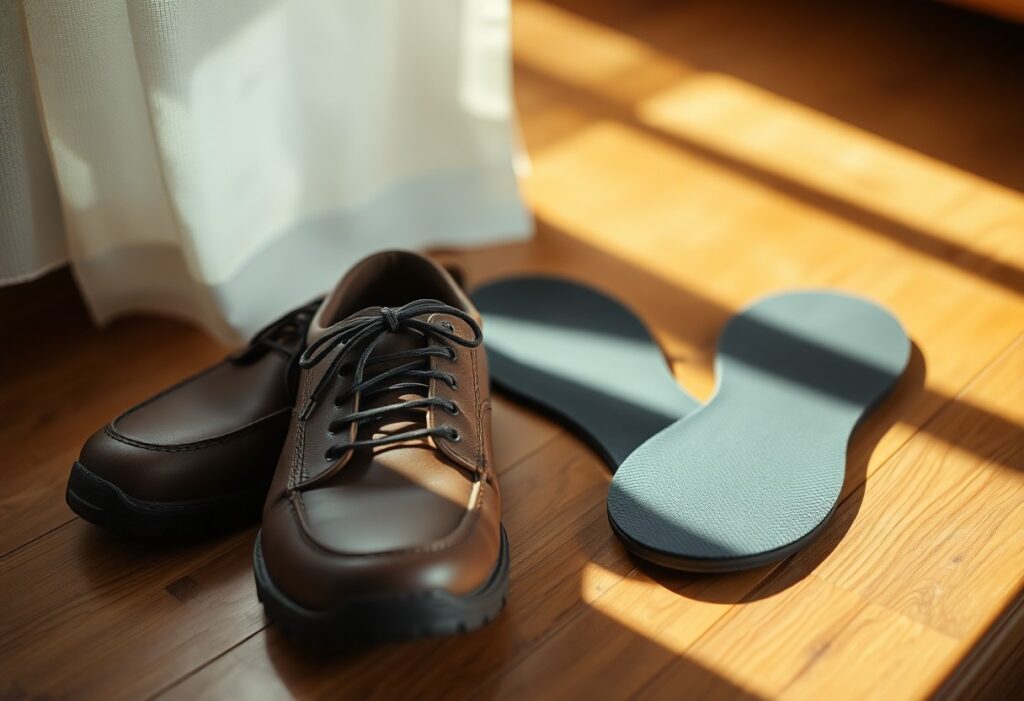
Xero Shoes And Naboso Insoles Are A Strong Pairing When You Want More Ground Feel Without Moving Away From A Minimalist Shoe Platform. The combination can make sense for balance training, barefoot-style walking, and some rehab or daily-wear setups, but it is not the right answer for every foot or every goal.
If you are deciding whether the pairing fits your needs, start with the broader context in the neurological benefits guide, then use this page to judge compatibility, practical use, and fit.
Quick Compatibility Check
Use this before you buy. The pairing works best when your main goal is sensory feedback, lightweight feel, and a flexible toe box—not extra cushioning or aggressive arch structure.
What Naboso Changes Inside A Xero Shoe
Naboso insoles are designed to add texture underfoot, which can increase sensory awareness compared with a flat insole. In a Xero shoe, that effect often feels more noticeable because the shoe itself already keeps you close to the ground.
That is the core appeal of the pairing: the shoe preserves natural movement, and the insole adds a more textured contact point. If you want a deeper explanation of the effect on movement and feedback, the neurological benefits article covers the theory; this page focuses on whether the setup is practical for real use.
The key question is not whether the products are interesting. It is whether the extra texture helps your feet function better in the situations you care about most.
Removable Insoles, Fit, And Zero-Drop Compatibility
The most common PAA-style question here is simple: Can You Put Insoles In Xero Shoes? In many cases, yes—but the result depends on the specific model, the thickness of the replacement insole, and how much room you have at the instep and toe box.
Xero shoes are built around a minimalist fit, so an aftermarket insole needs to preserve enough volume for your foot to sit naturally. If the shoe already fits snugly, a thicker replacement can change how the upper wraps the foot. That matters more in low-volume shoes or when you wear thicker socks.
The second question is whether Xero shoes have removable insoles. Many models are designed with a removable sockliner or insole, but not every pair behaves the same way. If you are comparing models or trying to move between configurations, it helps to read the Xero insole and comfort guide before you buy.
Zero-drop design is usually part of the appeal, and Naboso does not change that by itself. What it can change is your tactile feel, which may make a shoe seem firmer or more direct underfoot.
Best Use Cases For The Pairing
Balance Training
Useful when your goal is better ground awareness during simple drills, mobility work, or rehab exercises.
Everyday Walking
A reasonable choice if you already like minimalist shoes and want a little more underfoot feedback.
Travel
Good when packability and versatility matter more than cushioning or dress-shoe formality.
Rehab And Return-To-Movement
Can be helpful in carefully dosed programs that already use barefoot-style loading and sensory work.
If you need a broader explanation of why barefoot-style shoes are often used in movement rehab, the article on active recovery and barefoot shoes gives useful context without overpromising.
How To Choose The Right Setup
Choose Xero + Naboso If You Want
- more tactile input from the ground
- a minimalist shoe platform
- lightweight footwear for walking or travel
- a simple way to experiment with sensory feedback
Choose A Different Route If You Need
- more structure or arch support
- a softer ride for long standing
- more room for custom orthotics
- less direct sensation underfoot
How To Test The Pairing Without Overdoing It
Start with short wear periods. Ten to thirty minutes is enough for the first few sessions if you are new to textured insoles or are coming from highly cushioned shoes.
Then pay attention to three things: how your feet feel, whether your calves or arches feel unusually worked, and whether the shoe still feels secure once the insole is in place. If the fit changes too much, the shoe may no longer be the best match for that insole thickness.
If you are just starting the barefoot-shoe transition itself, pair this page with the beginner transition guide so you can separate shoe adaptation from insole adaptation.
When To Be Cautious
A textured insole is not automatically better. If your feet are very sensitive, if you are recovering from an acute injury, or if you already struggle with irritation from firm surfaces, start slowly and keep the first sessions short.
It is also worth being careful if you expect the insole to solve pain on its own. In some cases, the better choice is a different shoe category entirely, or a conversation with a foot-care professional before you make the switch.
For readers comparing barefoot-style footwear with other approaches to pain relief, the most relevant next read is the plantar fasciitis guide.
Where To Go Next
If your main interest is the sensory and neurological angle, the deeper theory lives in the neurological benefits guide. If you are buying for a specific foot concern, the best next step is to compare it with your use case rather than chasing a general performance promise.
For orthotic questions, review custom orthotic compatibility. For a broader minimalist-shoe transition, use the beginner guide alongside this one.
Frequently Asked Questions
Can You Put Insoles In Xero Shoes?
Usually yes, but fit matters. The best results come when the insole preserves enough volume for your foot to sit naturally without crowding the toe box or changing heel hold too much.
Do Xero Shoes Have Removable Insoles?
Many Xero models do, but not all builds are identical. Check the specific model before you assume the sockliner or insole is removable.
How Do Naboso Insoles Work?
They use a textured surface to increase sensory input underfoot, which may help some users feel more connected to the ground during movement and standing.
Should I Choose Naboso If I Need More Support?
Probably not as your first choice. If support is the main goal, compare other shoe or insole options first, including the custom orthotics guide.
What Do Podiatrists Think About Zero-Drop Shoes?
Opinions vary. Many podiatrists see value in them for some people, while others recommend caution if you are transitioning too fast or have a history of foot pain.

Oliver Prescott is a dedicated author and content creator at My Shoes Finder, where he explores a diverse range of topics focusing on lifestyle, fashion, and personal development. With a keen eye for detail and a passion for storytelling, he connects with readers by providing insightful and engaging content. Oliver’s writing aims to inspire and inform, making complex ideas accessible and relatable to a broad audience. When he’s not writing, he enjoys exploring new shoe trends and sharing his findings with fellow enthusiasts.
See also:
 Xero Shoes + Naboso Insoles: Compatibility, Benefits, And Best Use Cases
 Xero Shoes With Custom Orthotics: 2025 Compatibility Guide
 Best Insoles For Xero Shoes: Fit, Comfort, And Compatibility Guide
 Xero Shoes For Bunions: What Helps, What Doesn’t, And Which Models Fit Best
 Xero Shoes For Children In 2025: Fit, Safety, And Best Models
 Are Xero Shoes Good For Cycling? 2025 Comfort And Efficiency Review
This intersection of sensory input and biomechanical advancement is truly fascinating. I’ve been exploring barefoot shoes myself, and the difference they make in proprioception is remarkable. The pyramid texture of Naboso Insoles sounds like a game changer! It reminds me of how critical sensory feedback is in not just athletic performance but also in daily activities.
I completely resonate with your thoughts on the connection between sensory input and biomechanics—it’s such an intriguing area to explore. Barefoot shoes really do transform how we feel the ground, and it’s kind of eye-opening to understand just how much we rely on that sensory feedback in our daily lives, not just when we’re being active.
I appreciate you sharing your thoughts on the connection between sensory input and biomechanics. It’s interesting to think about how barefoot shoes allow us to reconnect with the ground in a more natural way. Many people are surprised to find that this sensory feedback affects not just our physical activities but also our overall balance and coordination throughout daily tasks.
It’s interesting to hear your take on barefoot shoes and how they enhance proprioception. I’ve had a similar experience with them; it feels like reconnecting with the ground beneath me. There’s something about being more in tune with my body that translates into not only athletic performance but also just everyday movements.
You’ve hit the nail on the head about the sensory feedback—once you start paying attention to how your feet connect with the ground, it’s tough to go back. I mean, there’s a reason why people sometimes look like they’re dancing in public spaces when they wear barefoot shoes. It’s all about that proprioceptive awareness doing its little happy dance!
It’s really intriguing to hear about your experiences with barefoot shoes. There’s something so primal and natural about connecting directly with the ground we walk on, isn’t there? The proprioceptive benefits are often underestimated, and it’s amazing how just paying attention to our sensory feedback can enhance everything from athletic performance to the little things we do every day.
The intersection of sensory technology and biomechanical innovation is indeed a fascinating area of exploration, especially as we see it manifest in products like Xero Shoes and Naboso Insoles. I appreciate how you describe the sensory experience as akin to acupuncture infused with advanced technology—it highlights the holistic approach that many of us are beginning to embrace when it comes to health and fitness.
The intersection of sensory enhancement and biomechanical innovation truly opens up exciting avenues for both athletic performance and everyday movement. Your comparison of these advancements to a fusion of acupuncture and NASA technology resonates deeply; it highlights the sophisticated nature of these tools while grounding them in a holistic perspective on health.
It’s fascinating to see how sensory technology is really changing the game for movement and performance! I’ve been curious about barefoot shoes for a while now, especially after hearing stories from fellow runners who’ve made the switch. They talk about how much more connected they feel to the ground and how it has improved their balance and overall foot strength. The comparison to acupuncture is spot on—it’s like our feet have their own nerve endings just waiting to be activated!
It’s interesting how the shift towards barefoot shoes is resonating with so many in the running community. I’ve felt that same curiosity you mentioned, especially after reading about the benefits in terms of foot strength and balance. There’s something to be said for connecting with the ground that often gets lost with more traditional running shoes, which can feel so padded and disconnected.
As I read through your blog post, I couldn’t help but feel a wave of excitement at the intersection of sensory technology and biomechanics that you described so vividly. The idea of barefoot shoe technology being compared to acupuncture and NASA’s innovations really captures the essence of what these advancements mean for our understanding of movement and bodily awareness.
I appreciate your feelings on the blog post. The excitement around the intersection of sensory technology and biomechanics is palpable, isn’t it? It’s fascinating how barefoot shoe technology taps into our primal connection with the ground, much like acupuncture seeks to restore balance within our bodies. Both practices emphasize awareness—whether it’s through conscious movement or stimulating pressure points—and that awareness can lead to profound changes in our physical and mental well-being.
This exploration of sensory and biomechanical innovation in barefoot shoe technology is truly fascinating. It makes me think about how our relationship with footwear has evolved over time, especially in the context of natural movement. Many people have become more aware of the impact that traditional shoes can have on posture and overall foot health. The concept of using sensory-enhancing insoles to stimulate proprioceptive responses is particularly intriguing; it’s almost like we’re reconnecting with the ground in a way that our ancestors may have experienced.
I completely agree with your thoughts on the evolution of our relationship with footwear. It’s interesting how often we overlook the impact of traditional shoes on our body mechanics and overall well-being. I remember reading about how many athletes have turned to more minimalist designs, emphasizing a return to a more natural foot movement. It seems like this shift reflects a broader trend in wellness culture, where there’s a renewed focus on it being less about the latest technology and more about what’s inherently sustainable and beneficial for our bodies.
While the integration of sensory technology into footwear and insoles sounds promising, I can’t help but wonder how these innovations will be received by the broader public. Many people still cling to traditional footwear for comfort, often unaware of the potential benefits of designs like Xero Shoes and Naboso Insoles. I’ve recently read studies suggesting that while proprioceptive feedback is essential for athletes, everyday users might not experience the same transformative effects.
You raise some valid points about the reception of sensory technology in footwear and insoles. It’s true that many people have a deep-seated connection to traditional styles that prioritize comfort over innovation. For some, the appeal lies in the familiar – the soft cushioning of well-loved sneakers can feel like a warm embrace. But I think it’s interesting to consider how we can broaden the conversation about what “comfort” means, especially as more people become aware of the benefits that new designs like Xero Shoes and Naboso Insoles can bring.
You bring up such an interesting point about the balance between tradition and innovation in footwear. It’s so true that the connection people have with their favorite pairs can often outweigh the allure of something new, especially when that beloved cushioning feels like an old friend. For many, comfort is so much about the memories and experiences tied to those shoes.
You raise some valid points about the balance between traditional footwear and innovative designs. It’s true that many people find comfort in what they know, often sticking to familiar brands and styles that have been around for years. That sense of security is not something to overlook.
I find the intersection of sensory technology and biomechanics really fascinating, especially how it transforms our basic interaction with the ground. It’s interesting to think about how products like Xero Shoes and Naboso Insoles are not just tools for performance but also a deeper exploration of our bodily awareness.
I completely agree with you regarding the intersection of sensory technology and biomechanics. It resonates with how we often take for granted the relationship we have with the ground beneath us. Products like Xero Shoes and Naboso Insoles exemplify this deeper exploration of bodily awareness, especially when you consider how they encourage us to be more in tune with our natural movement patterns.
It’s fascinating how the intersection of sensory technology and biomechanics is reshaping our understanding of movement. I’ve recently been exploring how proprioception plays such a critical role in overall wellness. For instance, I’ve noticed that integrating barefoot shoes into my routine has not just improved my balance, but also my mindfulness during workouts. It’s interesting to think of these advancements as part of a larger trend towards embracing our innate human capabilities, echoing philosophies like those of ancestral wellness.
It’s interesting that you mention proprioception and barefoot shoes; I’ve been diving into that connection too. The idea that our body’s awareness can enhance our overall wellness really resonates with me. I’ve found that when I practice exercises that emphasize balance or stability, like yoga or Tai Chi, I not only feel more grounded physically, but mentally as well. It’s like engaging different layers of awareness, which brings a sense of calm and focus.
It’s fascinating to see how the convergence of sensory technology and biomechanics is reshaping our understanding of movement. As someone who has struggled with foot fatigue from traditional footwear, I can’t help but wonder how something as innovative as Naboso Insoles could unlock my body’s potential.
This exploration of barefoot shoe technology and sensory enhancement resonates with my own journey toward improved movement and wellness. I’ve recently integrated minimalist footwear into my routine, and the difference has been profound. The experience feels almost meditative, as I become more aware of my body’s movements and connections to the ground.