
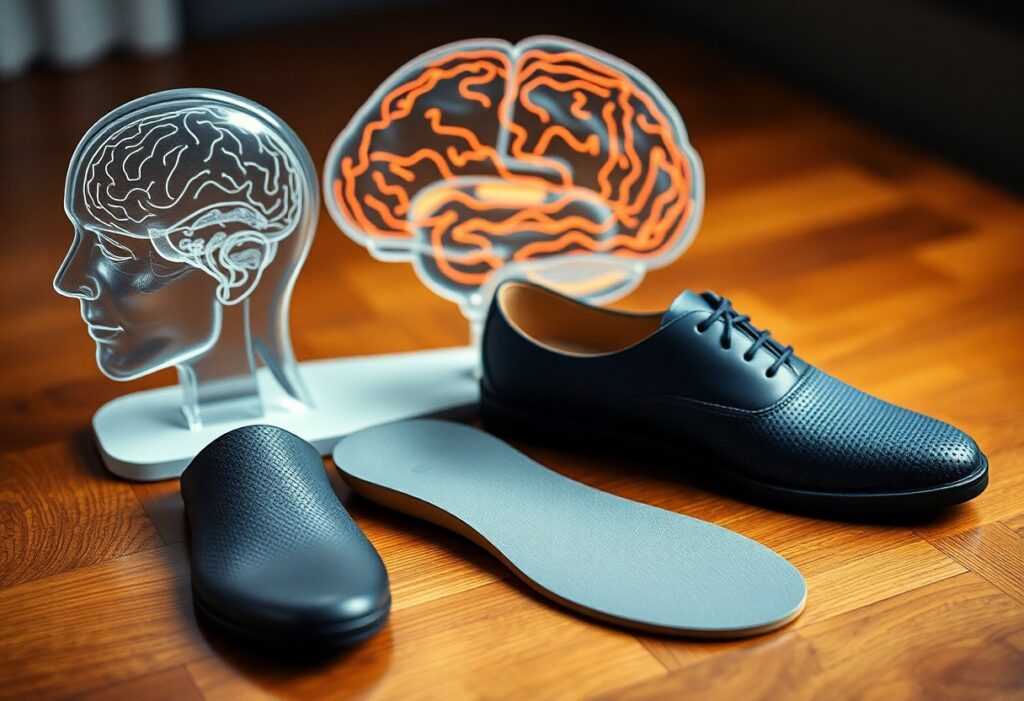
Xero Shoes and Naboso insoles are often paired by people who want a more responsive, sensory-feel underfoot. The combo can make sense for walking, training, rehab-minded use, and anyone comparing barefoot-style shoes with textured insoles.
If you want the broader product overview first, start with the main Xero + Naboso guide; this page stays focused on compatibility, setup, and when the pairing is actually useful.
Quick decision
- Choose Xero Shoes Alone if you want the cleanest barefoot feel and your foot already tolerates low structure well.
- Choose Xero + Naboso if you want extra texture, more sensory input, or a more noticeable underfoot reminder during movement.
- Choose A Different Setup if you need significant cushioning, strong arch support, or a more traditional orthotic feel.
How The Pairing Works
Xero Shoes are built around a minimalist platform: flexible soles, a low-to-the-ground feel, and room for natural toe spread. Naboso insoles add texture, which can increase tactile input from the sole of the foot. Put together, the shoes provide the minimalist platform while the insoles add a stronger sensory layer.
That matters because the point is not “more support” in the classic sense. The point is usually more awareness: better ground feel, more noticeable pressure changes, and a setup that may help some users pay closer attention to how they stand, walk, and shift weight. If you’re comparing that with therapeutic use cases, the narrower therapeutic benefits guide is the better next stop.
Xero Shoes Alone Vs. Xero + Naboso Vs. Standard Insoles
| Setup | What it feels like | Best for | Watch-outs |
|---|---|---|---|
| Xero Shoes Alone | Light, flexible, and close to the ground | Barefoot-style walking, training, and everyday wear | May feel too minimal for people who want softness or structure |
| Xero + Naboso | Minimalist base with stronger tactile feedback | Sensory-aware walking, balance work, short adaptation periods | Texture can feel intense at first; not ideal for every foot |
| Standard Insoles | More padding or support, less ground feel | People who prioritize cushioning, familiar comfort, or orthotic-style support | Usually less sensory input and less flexibility than the minimalist setup |
Compatibility: When The Combo Fits Well
The pair works best when the shoe has enough interior room for the insole you want to use without crowding the toes or lifting the foot too high inside the shoe. Xero models with removable insoles are usually the easiest starting point, because they let you swap in Naboso more cleanly and assess the fit without fighting the original insert.
- There is enough volume in the shoe for the extra insole thickness.
- You still have a secure heel hold after the insole is added.
- Your toes can splay naturally without the front of the shoe becoming cramped.
- You are using the setup for short adaptation periods first, not a full-day leap on day one.
If your main question is whether Xero shoes can take insoles at all, the search intent often overlaps with fit and orthotic compatibility. In that case, it helps to compare this page with the custom orthotics compatibility guide, because the decision is different when you need medical-style support rather than sensory feedback.
Who Is Most Likely To Benefit
This combination tends to appeal to people who want a more attentive foot-to-ground connection. That can include walkers, gym users, and some rehab-focused users who are working on balance, coordination, or foot awareness. It also comes up frequently in searches around neuropathy, though that is exactly where cautious framing matters most.
Good fit for
Users who want light structure, more tactile feedback, and a barefoot-style feel during controlled activity.
May need caution
People with very sensitive feet, recent foot issues, active irritation, or a strong need for cushioning.
Better elsewhere
Readers who mainly want recovery comfort, injury-friendly support, or a more traditional shoe experience.
For a narrower support angle, the Xero Shoes for neuropathy guide is the more relevant page. It better matches readers who are asking whether zero-drop footwear and sensory input are appropriate for nerve-related foot concerns.
What The Sensory Benefit Claim Can And Cannot Do
The safest way to describe the combo is as a sensory or proprioceptive tool, not a cure. The textured insole may increase awareness of foot placement, and the minimalist shoe may help keep the underfoot feel intact instead of burying it under layers of foam. Some people experience this as better balance or sharper movement awareness; others simply find it unusual or too intense.
That is why the strongest claims should stay modest. The page is useful when it explains how the setup changes sensation and comfort, but it should not promise medical outcomes. For readers interested in broader foot function, the internal background on the science of barefoot shoes gives useful context without overstating therapeutic results.
How To Start Without Overdoing It
Start small. Sensory-focused shoes and insoles are often best introduced in short sessions, especially if your feet are used to softer or more supportive footwear. A gradual approach gives you time to notice whether the texture feels helpful, neutral, or distracting.
- Try the combo for a short walk or a brief training block first.
- Check whether the insole changes heel lock, arch feel, or toe room.
- Pay attention to hotspots or pressure points after the first few uses.
- Increase wear time only if the setup feels stable and genuinely useful.
If your interest is more about travel, packing, or choosing one pair for varied use, the Xero Shoes travel packing guide is a better companion read. It helps you decide whether this kind of lightweight, low-bulk footwear makes sense beyond a single use case.
A Practical Buying And Fit Checklist
| Check | Why it matters |
|---|---|
| Removable Insole Or Enough Interior Room | Makes the Naboso swap easier and preserves fit. |
| Toe Box Width | Prevents the added insole from making the front of the shoe feel cramped. |
| Heel Security | Keeps the foot planted when the insole changes volume inside the shoe. |
| Your Main Goal | Sensory feedback and awareness call for a different setup than cushioning or orthotic support. |
| Daily Use Context | A workday, gym session, or short walk may suit the combo better than long all-day wear at first. |
When To Choose A Different Xero Page
This article is the right stop when you are comparing Xero Shoes plus Naboso as a pair. It is not the best stop if your main issue is pain management, injury recovery, or orthotic-like support. In those cases, a more targeted page will answer the question faster and with less confusion.
Best next step if you are still deciding
Read the main guide for the broader comparison, then move to the narrower support page that matches your use case. That keeps the research path clean and avoids mixing sensory footwear with support or rehab questions that need different criteria.
Frequently Asked Questions
Can I Put Insoles In Xero Shoes?
Often, yes, but fit is the deciding factor. Xero models with removable insoles or enough internal volume are usually easier to pair with an aftermarket insole than very low-volume models.
How Do Naboso Insoles Work?
They use a textured surface to increase sensory input underfoot. The goal is to create more tactile feedback, which may help some users feel more aware of foot placement and pressure changes.
Do Xero Shoes Have Removable Insoles?
Many Xero models do, but not every model is identical. The safest approach is to check the specific shoe’s build and make sure the fit still feels natural once the stock insert is removed or replaced.
What Are The Different Types Of Xero Insoles?
In practice, people usually mean the original insole, a replacement footbed, or an aftermarket option like Naboso. The right choice depends on whether you want a basic liner, added texture, or more support.
Which Brand Of Insoles Is The Best?
There is no single best brand for everyone. The better question is whether you want cushioning, orthotic support, or sensory feedback, because those are very different jobs.
If you want to compare this setup with other Xero-focused use cases, it can also help to look at the broader barefoot-shoe cluster and choose the page that matches the exact job you need the shoes to do.

Oliver Prescott is a dedicated author and content creator at My Shoes Finder, where he explores a diverse range of topics focusing on lifestyle, fashion, and personal development. With a keen eye for detail and a passion for storytelling, he connects with readers by providing insightful and engaging content. Oliver’s writing aims to inspire and inform, making complex ideas accessible and relatable to a broad audience. When he’s not writing, he enjoys exploring new shoe trends and sharing his findings with fellow enthusiasts.
See also:
 Xero Shoes & Naboso Insoles: Compatibility, Benefits, And Best Uses (2025)
 Xero Shoes With Custom Orthotics: 2025 Compatibility Guide
 Best Insoles For Xero Shoes: Fit, Comfort, And Compatibility Guide
 Xero Shoes For Cold Weather Trekking: What Works, What Doesn’t, And When To Upgrade
 Xero Shoes For Children In 2025: Fit, Safety, And Best Models
 Are Xero Shoes Good For Standing All Day? Best Uses, Limits, And Comfort Tips
What a fascinating topic! The intersection of footwear technology and neurological health is something I’ve been intrigued by for a long time. As someone who has dabbled in various forms of physical training—whether it be running, yoga, or functional fitness—I’ve often pondered how our footwear can influence not just our performance but our overall well-being.
It’s great to hear your thoughts on this topic. The link between footwear and our overall health is definitely something that doesn’t get enough attention. When you think about it, we’re often focused on how shoes can boost performance—especially in sports or workouts—but their impact on our bodies, especially our neurological health, is pretty significant too.
It’s great to hear that you’ve been exploring the connection between footwear and neurological health. The way our shoes are designed can significantly impact our body mechanics, which in turn affects everything from our balance to our proprioception—the body’s ability to sense its position in space.
This is such an interesting topic! I’ve always been fascinated by the connection between our feet and overall neurological health. It’s amazing to think about how much our footwear choices can affect not just our comfort but also our balance and sensory awareness.
I really appreciate how you’re highlighting the intersection of footwear technology and neurological health. It’s fascinating to think about how something as simple as the shoes we wear can have such a profound impact on our nervous systems. I’ve been experimenting with minimalist shoes for a while, and I’ve noticed a noticeable improvement in my balance and overall awareness of my body movements.
It’s really interesting to hear about your experience with minimalist shoes. I’ve been digging into how the design of footwear can affect not just our physical health but also our mental state and perception of movement. It seems like the connection between our feet and neurological responses is often overlooked.
You’ve touched on such an intriguing aspect of footwear that often flies under the radar. The connection between our shoes and how we feel both physically and mentally is definitely profound. When I switched to minimalist shoes, it felt like a revelation not just for my feet but for my entire sense of movement.
It’s great to hear about your experiences with minimalist shoes. You touch on something that many people overlook: the relationship between what we wear on our feet and how we engage with our bodies. Footwear, particularly minimalist styles, can indeed play a crucial role in shaping our balance, posture, and even our neurological health.
I’ve been really fascinated by the growing interest in minimalist footwear and its connections to overall health. The way Xero Shoes and Naboso insoles emphasize our natural foot mechanics is refreshing and, honestly, feels like a reconnection with how our bodies are meant to move.
It’s encouraging to see others diving deep into the world of minimalist footwear and its link to health. The way you highlighted Xero Shoes and Naboso insoles really captures the essence of what many of us are rediscovering about our bodies and their inherent design. It’s fascinating how something as simple as footwear can steer us back toward a more natural way of moving, connecting us to our physical condition in a profound way.
I’ve been thinking a lot about minimalist footwear too. It’s interesting how we’ve strayed so far from natural designs and the way our feet are built to function. I remember trying on my first pair of Xero Shoes and feeling that lightness. It was such a stark contrast to the cushioned sneakers I had been wearing for years. The emphasis on natural foot mechanics really does make a difference in how we move—not just in terms of comfort, but also in overall health.
The exploration of neurological health through innovative footwear like Xero Shoes and Naboso insoles is fascinating, especially as someone who’s experienced the benefits of minimalist footwear firsthand. The emphasis on stimulating the nervous system through proprioceptive feedback is a game-changer. It reflects how much we’ve shifted towards understanding the body’s innate capabilities rather than merely supporting them with traditional designs.
The exploration of innovative footwear technologies like Xero Shoes and Naboso insoles is particularly intriguing, especially as we shift toward a more holistic understanding of health that emphasizes the interconnectedness of our body’s systems. The concept of stimulating the nervous system through sensory feedback from our feet opens up an engaging dialogue about how we can optimize our everyday movements and overall well-being.
You raise some compelling points about the role of innovative footwear technologies like Xero Shoes and Naboso insoles in our evolving understanding of health. It’s fascinating how the shift towards a holistic view of well-being challenges us to think about our bodies as interconnected systems. It’s not just about the feet, but how they relate to everything else—our posture, balance, and even our mood.
You bring up a fascinating point about how innovative footwear technologies like Xero Shoes and Naboso insoles align with a more holistic understanding of health. It’s interesting to think about how our feet, often overlooked, play such a vital role in this. I’ve personally noticed that when I pay attention to the sensory feedback from my feet—whether I’m walking on grass or different textures—it definitely influences my overall comfort and movement.
If you’re curious about how footwear innovations like Xero Shoes and Naboso insoles can enhance our connection to health and movement, I recently stumbled upon some compelling insights that could deepen our understanding of sensory feedback and well-being.
‘Xero Shoes & Naboso Insoles: 2025 Sensory Enhancement Guide’
https://myshoesfinder.com/xero-shoes-and-naboso-insoles-2025-guide/.
This exploration into the intersection of footwear technology and neurological health is quite intriguing, particularly as it reflects a growing interest in understanding how our physical environment interacts with our bodily systems. The idea that footwear can actively engage proprioceptive receptors is a promising one, especially in an era where movement and physical activity often seem compromised by modern lifestyle choices.
This exploration of Xero Shoes and Naboso insoles really highlights the intersection of footwear technology and our understanding of neurology. I’ve personally noticed improvements in my own balance and overall movement since switching to minimalist footwear. It’s fascinating to think about how our feet are not just for support but are integral to our sensory system and neurological health.
The exploration of neurological health through innovative footwear technologies, as you’ve outlined, is a fascinating intersection of neuroscience, biomechanics, and physical wellness. Xero Shoes and Naboso insoles exemplify how advancements in material science and an understanding of human anatomy can converge to foster better health outcomes.
I completely agree; the intersection of neuroscience, biomechanics, and footwear is quite intriguing. It’s amazing to see how companies like Xero Shoes and Naboso are not just innovating but genuinely considering how their designs can impact overall health. Footwear often seems like a mundane accessory, but when you start thinking about how different materials and structures can influence our movement and even brain responses, it opens up a whole new realm of possibilities.
It’s truly fascinating to see how the intersection of footwear technology and neurological health is shaping our understanding of movement and body awareness. The approach taken by Xero Shoes and Naboso insoles is not only innovative but echoes a growing recognition in the wellness community about the importance of barefoot-inspired living.
I’m really intrigued by the intersection of footwear and neurological health that you’ve highlighted! The idea that our shoes can directly influence our proprioception and balance is fascinating. I’ve recently started using minimalist shoes myself, and I’ve noticed a difference not just in my foot strength but also in my overall body awareness during workouts. It’s almost as if engaging with the ground in a more natural way sharpens my connection to my body.
It’s really interesting to hear about your experience with minimalist shoes. The way you describe feeling a heightened connection to your body is something I’ve noticed as well. When my feet are allowed to move in a more natural manner, it feels like not just my foot strength improves but also my overall equilibrium. I think there’s something quite profound about how the shoes we wear can shape our physical awareness and even our mental state.
It’s really refreshing to hear about your experience with minimalist shoes and how they’ve impacted your foot strength and overall body awareness. You’re not alone in noticing these shifts; many others who transition to more natural footwear report similar benefits. What’s intriguing here is how our feet, often overlooked in conversations about fitness and health, play such an essential role in our overall neurological function.
This exploration of Xero Shoes and Naboso insoles opens up an intriguing dialogue on how our footwear choices impact not only our comfort but also our overall neurological health. The emphasis on proprioception is particularly fascinating, as many of us overlook the integral role our feet play in balance and movement awareness.
This is such an intriguing exploration of how footwear can affect our neurological health! I’ve always been fascinated by the connection between our feet and overall bodily awareness, especially since they’re often the unsung heroes of our movement patterns. When I switched to minimalist shoes a couple of years ago, I really noticed a shift—not just in my foot strength, but in my body’s overall proprioception and balance.