
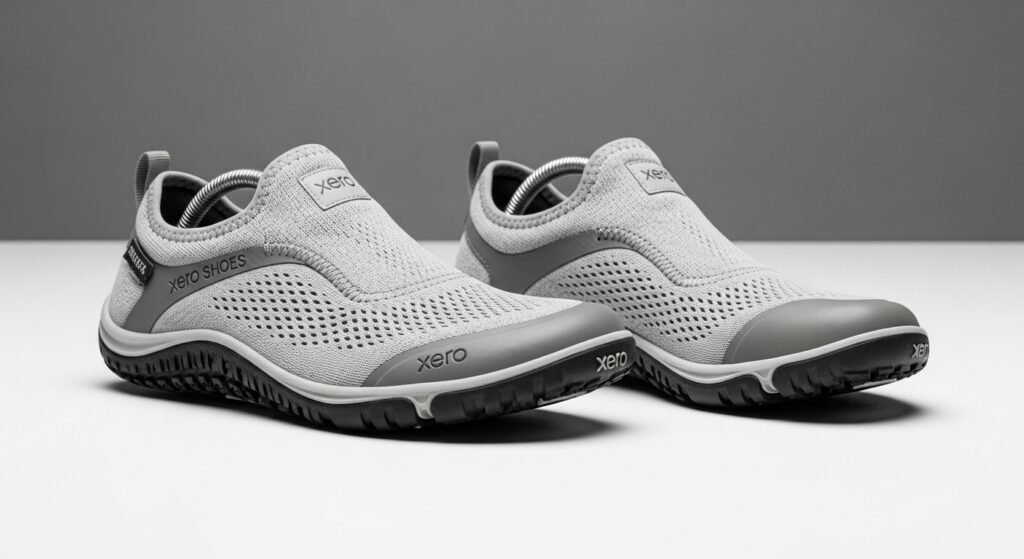
Xero Shoes can be a strong walking option if you want a lighter, more natural-feeling shoe with a wide toe box and flexible sole. They are less convincing if you expect plush cushioning or immediate support without a break-in period.
If your main question is broader all-day comfort beyond walking, see our all-day standing guide for the fuller support comparison. For fit-specific decisions, the Xero sizing guide is the best place to start.
- Xero Shoes are a good fit for walkers who want ground feel, toe room, and a lighter shoe.
- They suit people who walk often, like city walking, travel walking, or casual fitness walks.
- They are not ideal if you want a soft, highly cushioned ride right away.
- They work best when you transition gradually and choose the right model for the terrain.
How Xero Shoes feel on walks
The main reason walkers choose Xero Shoes is the balance of protection and freedom. Instead of a thick stack of foam, you get a design that keeps the shoe low, light, and responsive, which can feel especially good on everyday routes, travel days, and long casual walks where you want your feet to move naturally.
| Walking factor | What Xero Shoes typically offer | Best for |
|---|---|---|
| Comfort feel | Light, flexible, and less cushioned than mainstream walking shoes | Walkers who like ground feel and do not want a soft sink-in ride |
| Toe box | Usually wider and more foot-shaped than standard sneakers | People with wider forefeet or a need for toe splay |
| Weight | Very light compared with many cushioned trainers | All-day errand running, travel, and high-step-count days |
| Terrain | Best on sidewalks, hard floors, paths, and light trails depending on model | Urban walking and mixed daily use |
| Support profile | Minimal structure, so your muscles do more of the work | Walkers who want a natural transition and already tolerate low-drop shoes |
What matters most when choosing a walking model
The right Xero model depends less on the brand name and more on how you walk. A commuter covering pavement all day, a traveler logging airport steps, and someone doing slower neighborhood loops will not need the same shoe.
For long city walks
Look for a flexible upper, stable outsole, and enough room to let your toes spread without sliding forward on descents or stairs.
For travel days
Keep weight low and packability high. If you want a model built for that use case, compare it with our travel-focused Xero guide.
For wider feet
The toe box is one of Xero’s biggest advantages, but fit still matters. Review the details in the wide toe box breakdown.
Transitioning without sore feet
Most discomfort comes from switching too fast, not from the shoe itself. Xero Shoes ask more of your feet and calves than traditional cushioned sneakers, so the safest approach is to treat the first few weeks as an adjustment period rather than an all-in replacement.
- Start with short walks in familiar settings so you can notice hot spots, rubbing, or calf fatigue early.
- Increase time gradually rather than jumping straight to your longest route.
- Alternate with your regular shoes if your feet are still adapting.
- Pay attention to the ball of the foot, arch, and calves after each walk.
- If you feel persistent pain, scale back and reassess fit and transition speed.
Models and use cases worth comparing
For walking, the best Xero choice is usually the one that matches your pace, route, and preference for structure. The Prio is often a sensible starting point because it keeps the minimalist feel while adding enough everyday versatility for walking and casual wear. If you want something more style-forward for mixed-use days, the Hana is easier to live with in non-athletic settings. For more varied outdoor routes, the Z-Trail offers a sandal option that is better suited to warm weather and light adventure than to formal everyday walking.
Prio
Best for everyday walkers who want a classic barefoot-style shoe with a balanced feel.
Hana
Best for casual wear and relaxed walking when you want a cleaner, more versatile look.
Z-Trail
Best for warm-weather walking and light outdoor use when a sandal style makes sense.
Care, durability, and when to replace them
A lighter walking shoe usually lasts longer when it is cleaned and rotated properly. Remove dirt after muddy walks, let the shoes dry fully, and avoid compressing them in storage. If you use them daily, rotation matters because minimal shoes can show wear faster in high-friction areas than heavily built trainers.
Clean gently
Use mild soap, a soft cloth or brush, and air dry only.
Rotate pairs
If you walk most days, alternating pairs can reduce wear and keep the shoes feeling fresher.
Watch the outsole
When tread is thinning or the upper starts to lose shape, the walking feel changes before the shoe looks obviously worn out.
If your decision is really about standing comfort as much as walking comfort, the broader guide on Xero Shoes for all-day standing is the better next step. It covers the support trade-offs that matter when your day is spent on your feet rather than in motion.
Common questions about walking in Xero Shoes
Are Xero Shoes good for walking?
Yes, especially if you want a light, flexible shoe with a wider toe box and you are comfortable with a more natural-feeling ride. They are strongest for everyday walking, travel, and casual fitness walks rather than maximum cushioning.
Do podiatrists recommend barefoot shoes for walking?
Opinions vary. Some foot specialists like the toe room and natural motion, while others are cautious because barefoot-style shoes can strain unprepared feet if the transition is too fast or the walker needs more support.
Who should not wear barefoot shoes?
People who need significant arch support, have an active foot injury, or prefer a highly cushioned feel may want to avoid jumping into barefoot shoes too quickly. A gradual transition and the right model matter more than the label itself.
Do zero-drop shoes cause plantar fasciitis?
Not by default. Problems usually come from sudden changes in load, poor fit, or walking too much too soon in a shoe your feet are not ready for. A slower transition is the safer approach.
What is the best Xero model for walking?
For most people, the best model is the one that matches the route. Prio is a strong everyday pick, Hana works well for casual wear, and Z-Trail makes more sense for warm-weather and light outdoor walking.
Should I size up in Xero Shoes?
Often, you should follow the model-specific sizing guidance rather than guessing. A proper walking fit should leave room in front of the longest toe without letting the foot slide around.

Natalie Harper is a versatile author and content creator at My Shoes Finder, where she explores a wide range of general topics that resonate with diverse audiences. With a passion for storytelling and a keen eye for detail, Natalie crafts engaging articles that provide valuable insights and inspire readers. Her commitment to quality and relatability makes her work a trusted resource for those seeking both information and inspiration in their daily lives.
See also:
 Xero Shoes For Travel: The Best Lightweight, Packable Options For 2025
 Xero Shoes For Children In 2025: Fit, Safety, And Best Models
 How To Measure Your Feet For Xero Shoes Size Fit
 Xero Shoes Sale Guide: Where To Find The Best Discounts
 Xero Shoes For Bunions: What Helps, What Doesn’t, And Which Models Fit Best
 Xero Shoes Sandals Review: Fit, Feel, And Best Uses
Your exploration of Xero Shoes and their unique approach to footwear certainly invites deeper reflection on how our choices in shoes can affect our overall well-being. As someone who has spent a significant amount of time transitioning to barefoot-style shoes, I can relate to the benefits you highlighted regarding flexibility and ground contact. Indeed, the shift away from traditional footwear, which often imposes rigid support, can feel liberating—not to mention how it has completely altered my walking experience.
I love the concept of Xero Shoes mimicking the barefoot experience while keeping our tender tootsies safe from the perils of the pavement! It’s like wearing your favorite pair of slippers outside without risking a visit from the foot doctor. As someone who once valiantly attempted to chase a bus barefoot (spoiler: the bus won), I’m all for any footwear that lets my feet feel the earth beneath them while still providing some cushion against life’s little surprises. Have you tried them during a grocery run? There’s something oddly empowering about feeling the pavement while dodging shopping carts. Plus, less fatigue sounds like a win-win—maybe I’ll even make it through the vegetable aisle without needing a sit-down! What’s your favorite feature of Xero Shoes that keeps you striding towards healthier habits?
I totally relate to that feeling of empowerment while navigating the grocery store. It’s funny how something as simple as footwear can change your whole mindset about an errand. I’ve found that wearing Xero Shoes not only gives me that awesome connection to the ground but also makes me feel more agile, like I can dodge those shopping carts with ease. And honestly, I think there’s something quite grounding about feeling the pavement, almost like a little reminder that we’re part of the world around us while we’re ticking items off our grocery lists.
I’ve been really intrigued by the concept of barefoot footwear and how it aligns with our natural movement patterns. Xero Shoes seem to embrace that philosophy beautifully! I’ve been trying to incorporate more minimalist shoes into my routine, and I’ve noticed a significant decrease in foot fatigue during long walks.
I appreciate the insights on Xero Shoes! I’ve been transitioning to more minimalist footwear for my daily walks, and I’ve noticed such a difference in how my feet feel afterwards. It’s refreshing to have shoes that allow for natural movement without compromising on protection.
It’s great to hear that you’re making the switch to minimalist footwear like Xero Shoes. The difference you feel in your feet is a common experience for many making that transition. The design of minimalist shoes encourages a more natural foot movement, which many people find can lead to increased comfort in the long run.
You know, it’s funny you mention that difference in foot feel when transitioning to minimalist footwear. It’s almost like my feet suddenly decided they could put on a show—like a Broadway musical—when they finally got a taste of being free in Xero Shoes. Those shoes really do seem to say, “Hey, remember how to be a foot? Get to it!”
Making the switch to minimalist footwear has been quite an eye-opener for me. When I first started, I didn’t expect to notice such a significant difference in how my feet felt after a full day of wearing them. It’s amazing how much we underestimate the impact of our footwear on daily comfort.
It’s fascinating to see how Xero Shoes emphasize the importance of a natural walking experience while still providing the protection we need. I’ve been exploring more minimalistic footwear lately and have noticed how much it has affected my posture and overall comfort during long walks. The flexibility and lightweight nature of these shoes sound like they could really enhance my adventures on different terrains.
Your exploration of Xero Shoes brings forth a fascinating discussion on the broader implications of footwear design, especially in relation to our health and the way we move. As someone who has spent a considerable amount of time experimenting with various types of footwear, I can attest to the significant difference that the design and structure of shoes can have on our overall well-being.
You bring up a crucial point about the impact of footwear design on our health and movement. It’s interesting how something we often overlook can shape not just how we walk but how we feel overall. I’ve noticed that with more minimalist designs, like those from Xero Shoes, there’s a greater connection to the ground, which can lead to a more natural gait.
It’s quite fascinating to delve into the unique approach that Xero Shoes takes towards footwear design. The concept of recreating the natural sensation of walking barefoot while still offering essential protection aligns perfectly with the growing trend towards minimalistic and more natural lifestyles. As someone who has made a transition towards more barefoot-style footwear over the last couple of years, I can personally attest to the remarkable differences it brings to one’s walking experience.
Reading about Xero Shoes and their commitment to replicating the barefoot experience really resonates with me. I’ve always believed that our connection to the ground plays a crucial role in how we feel and move throughout the day. Since transitioning to more minimalist footwear, I’ve noticed a transformation in my walking and running habits—not just in comfort, but in my overall posture and gait.
It’s interesting to see footwear like Xero Shoes gaining traction among those who prioritize comfort and a more natural walking experience. I’ve personally tried minimalist shoes in the past, and I agree that the feeling of ground contact can really enhance your gait and overall stability. It’s almost like reconnecting with our instincts as walkers—there’s something inherently satisfying about letting your feet move more freely.
The exploration of Xero Shoes as a solution for all-day comfort and optimal walking experience certainly brings to light some intriguing aspects of modern footwear design. As someone who has transitioned toward more minimalist footwear, I resonate deeply with the philosophy behind Xero Shoes—prioritizing a natural walking experience that closely resembles being barefoot.
Exploring minimalist footwear like Xero Shoes can really change how we think about our daily comfort, can’t it? It’s interesting to see how many people are embracing the idea of a more natural walking experience. When you get used to that barefoot feel, it’s surprising how much it affects your overall well-being and even your posture.
The concept of footwear that aims to replicate the barefoot experience really resonates with me, especially given the growing awareness of how crucial foot health is to overall well-being. When I first transitioned to minimalist shoes, I noticed a significant shift in how my body felt during and after walks. It’s fascinating how a lightweight construction can alleviate fatigue, allowing for longer, more comfortable excursions.
It’s great to hear your experience with minimalist shoes. That connection between footwear and foot health is something I’ve become increasingly aware of too. It’s interesting how often we overlook our feet, considering they’re the foundation for so much of our movement and, by extension, our health.
Xero Shoes truly seem to capture the essence of natural movement, and it’s fascinating how they bridge the gap between traditional footwear and the barefoot experience. I’ve been exploring minimalist shoes myself, and I’ve found that the lightweight construction not only reduces fatigue during long walks but also encourages a more natural gait. It’s surprising how our footwear choices can impact our overall health and well-being.
It’s interesting to see how Xero Shoes are positioned as a modern answer to the age-old question of footwear design—balancing comfort with practicality. While the concept of barefoot-style shoes does resonate with the growing desire for more natural movement, I wonder if there might be a downside for certain individuals, particularly those with specific foot issues or conditions.
You raise a really good point about the balance between comfort and practicality. Xero Shoes definitely tap into that barefoot movement trend, kind of like walking on the beach without the sand in your shoes. But you’re spot on to consider that it might not be a one-size-fits-all solution.
I really appreciate the detailed insights on Xero Shoes and the emphasis on their unique design philosophy. As someone who has shifted towards barefoot-inspired footwear, I can attest to the benefits of that natural feel when walking. It’s fascinating how the movement towards lightweight and flexible shoes aligns with a growing awareness of foot health and overall well-being.
It’s great to hear your perspective on barefoot-inspired footwear. The shift toward a more natural feel really does seem to resonate with a lot of people these days. There’s something quite liberating about those lightweight, flexible shoes, isn’t there? It’s not just about comfort, but also about reconnecting with how we move.
It’s great to hear about your journey into barefoot-inspired footwear. The shift towards that natural feel really does bring a new awareness to how we engage with our surroundings. When we allow our feet the freedom to move as they were designed, it opens up new experiences in every step we take.
I really appreciate the insights you’ve shared about Xero Shoes and their focus on promoting a more natural walking experience. It’s fascinating how footwear can so drastically affect our comfort and overall foot health. I’ve been on a bit of a journey to find shoes that cater to my desire for a more barefoot-like feel while still offering protection, especially during long walks.
I appreciate your thorough discussion on Xero Shoes and their unique design philosophy. The idea of replicating the barefoot experience while still providing foot protection really resonates with me. I’ve been trying to transition to footwear that supports a more natural stride, and I’ve found that traditional shoes often restrict my foot’s movement, leading to discomfort and fatigue during longer walks.
Your exploration of Xero Shoes and their commitment to replicating the natural feel of walking barefoot resonates with me on many levels. In a world where fast-paced lifestyles often dictate our choices in footwear, it’s refreshing to find a brand that prioritizes our physical well-being in such a thoughtful manner.
It’s great to hear that the focus on natural movement with Xero Shoes resonates with you. The balance between style and health in footwear is often overlooked, especially when we’re caught up in the rush of daily life.
I’ve been hearing a lot about Xero Shoes lately, and it’s interesting to see how they’re designed to mimic that barefoot experience. I’ve always felt more comfortable when my shoes let my feet move naturally—like when I hike without heavy boots. It really changes how you feel about walking, doesn’t it?
Ah, Xero Shoes! The footwear equivalent of slipping into a warm bath after a long day. The idea of walking barefoot—free from constricting, traditional shoes—sounds as liberating as it is nerve-wracking. It makes me think back to my college days, when “barefoot” meant dodging spilled beer on a dance floor, and now it’s all about dodging the pitfalls of modern life with a little more grace (and less chance of injuring a toe).
I love how you highlight the unique features of Xero Shoes! The emphasis on lightweight construction and the barefoot experience resonates deeply with my own quest for comfort during long walks. I’ve been experimenting with minimalist footwear, and it’s fascinating how much the right shoes can influence not only our physical well-being but also our overall attitude towards movement.
Xero Shoes certainly offer an intriguing alternative to traditional footwear, particularly for those of us who increasingly value a natural walking experience. The emphasis on mimicking barefoot conditions aligns well with the growing body of research advocating for foot health and biomechanics. I’ve personally found that transitioning to more minimalist shoes has significantly improved my own comfort levels during long walks. The lightweight construction you mentioned is a game changer—minimizing fatigue allows for longer, more enjoyable outings without the burden of heavy, restrictive shoes.
It’s great to hear about your positive experience with minimalist footwear. The way we connect with ground surfaces can really change our perspective on comfort and movement. When you think about it, our feet evolved for natural conditions, so choosing shoes that allow for more freedom and sensory feedback can make a real difference, especially on long walks.
Your exploration of Xero Shoes and their commitment to a barefoot-like experience resonates strongly with me, particularly as someone who has always valued the connection between footwear and overall well-being. It’s interesting how the design philosophy of replicating natural foot movement has evolved in response to a growing awareness about the importance of foot health in our daily lives.
This exploration of Xero Shoes strikes a chord with me, particularly the emphasis on the concept of mimicking the natural feel of barefoot walking. I’ve always found that being in touch with the ground enhances my connection to my environment, which is something many conventional shoes often compromise.
It’s fascinating to see how Xero Shoes are changing the way we think about footwear! As someone who values both comfort and the natural movement of my feet, I appreciate the emphasis on lightweight construction and flexibility. It reminds me of the shift towards minimalist running shoes where the focus is on allowing our feet to function almost as if we’re barefoot.
I appreciate your breakdown of Xero Shoes and their commitment to replicating a barefoot experience. As someone who has transitioned to minimalist footwear for walking, I can attest to the benefits of a flexible design and increased ground feedback. It’s fascinating how such footwear not only enhances comfort but also encourages a more natural gait, potentially reducing the risk of injuries associated with conventional shoes.
I really appreciate your in-depth exploration of Xero Shoes and their unique features. The emphasis on mimicking the natural feel of walking barefoot is particularly intriguing to me. I have been on a personal journey towards minimalism in footwear over the past year, transitioning from traditional cushioned athletic shoes to more minimalist options. I’ve noticed profound changes in my foot health and posture as a result. One of the biggest insights I’ve gained is the importance of allowing the foot’s muscles to work in their natural way; something Xero Shoes seems to prioritize.
Xero Shoes certainly seem to capture the essence of natural movement, which aligns with the growing trend toward minimalistic and barefoot-style footwear. I’ve experienced firsthand the difference a flexible sole can make during long walks or hikes, as it allows my feet to engage more with the terrain. It’s fascinating to consider how this shift towards footwear that encourages a closer connection to the ground can impact not only comfort but also overall foot health.
It’s fascinating to see how Xero Shoes are revolutionizing the concept of barefoot footwear! I’ve been on a personal journey to prioritize foot health and comfort in my daily routine, and switching to minimalist shoes has made a noticeable difference. The ability to feel the ground beneath me is refreshing—not just for my feet but for my overall awareness while walking.
I love how you’ve highlighted the unique features of Xero Shoes! The idea of mimicking the barefoot experience while still providing necessary protection is intriguing. I’ve been exploring minimalist footwear for a while, and it’s fascinating how a lightweight design can make such a difference in overall comfort during long walks.
It’s fascinating to see the rise of barefoot footwear like Xero Shoes and how they encapsulate the essence of natural movement. I’ve recently transitioned to a more minimalist approach in my daily footwear choices, and I can’t help but resonate with the philosophy behind Xero Shoes. The idea of walking as closely to the natural experience as possible, while still providing adequate protection, is something that really strikes a chord with me.
I really appreciate your insights on Xero Shoes! It’s fascinating how they aim to replicate the barefoot experience while still providing the necessary protection for our feet. I’ve been exploring minimalist footwear myself and have found that it truly enhances my overall walking experience. The emphasis on flexibility and lightweight materials is something I’ve come to value, especially when I’m on my feet all day.
It’s great to hear that you’re exploring minimalist footwear! The idea of replicating the barefoot experience really resonates with a lot of people looking to improve their natural biomechanics. It’s interesting how a lot of us are moving away from traditional shoes, recognizing the benefits of flexibility and lightweight materials—not just for comfort, but also for foot health.
Your exploration of Xero Shoes really highlights an important shift in how we think about footwear. It’s fascinating to consider how shoes designed to mimic the barefoot experience can impact not just comfort but overall foot health. In a world where we often prioritize aesthetics over functionality, embracing a more natural design feels like a return to our roots.
I appreciate the insightful overview of Xero Shoes and their unique approach to footwear. The emphasis on replicating the barefoot experience while providing protection is particularly compelling and seems to resonate with a broader movement toward natural movement and minimalist footwear.
It’s great to hear you found the overview of Xero Shoes insightful. The way they focus on replicating the barefoot experience really does tap into an important trend in health and wellness. More people are becoming aware of how our feet function best in a natural state, and minimalist footwear seems to encourage that.