
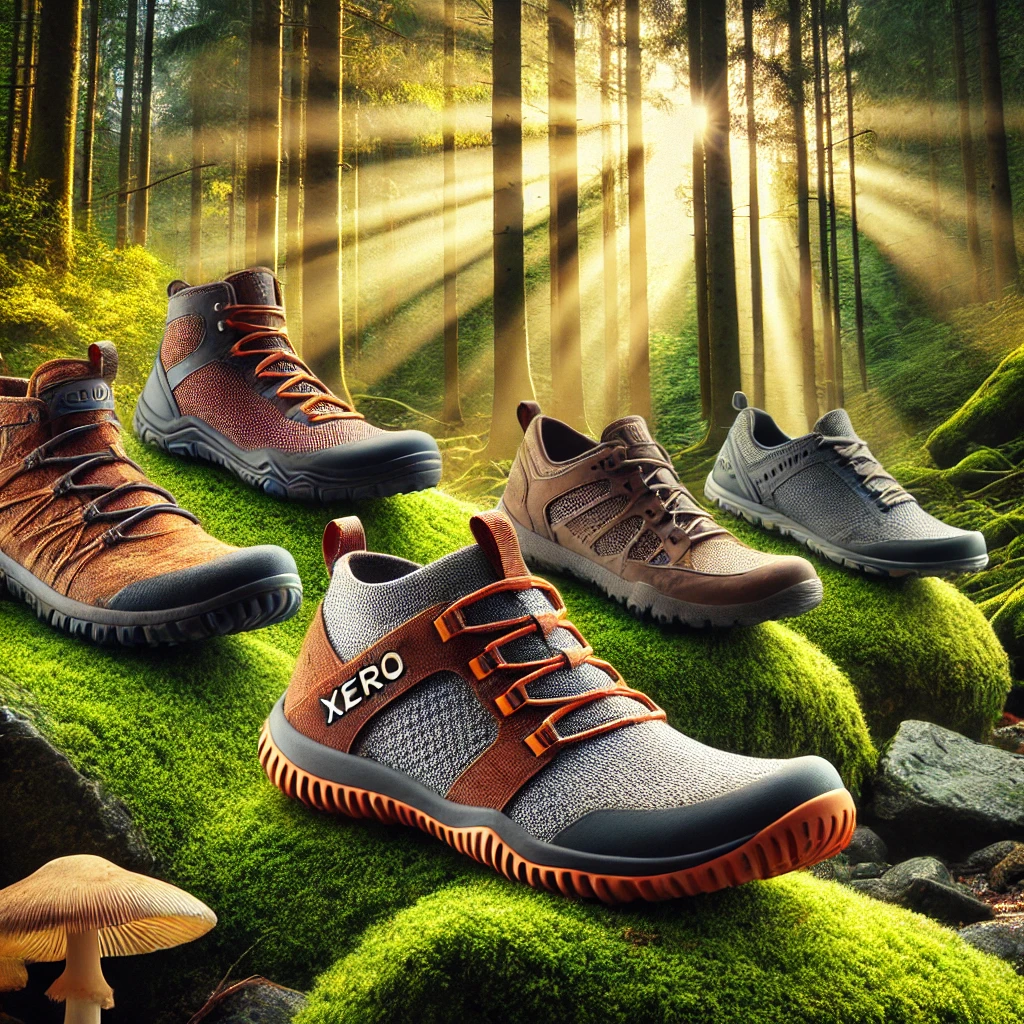
Barefoot shoes can support more natural foot movement, but they are not a universal quick fix. The key is knowing what they do well, where they fall short, and how to ease in safely.
Fast Answer barefoot shoes usually suit people who want more toe room, a flatter platform, and better ground feel. They work best when you transition gradually, especially if you have foot pain, long-standing injury, or reduced sensation.
If you want the broader benefits overview first, start with this minimalist footwear guide, then come back here for the questions people ask most.
Who Should Try Barefoot Shoes First?
| Situation | Best approach |
|---|---|
| Healthy Feet, Curious Beginner | Good candidate for a gradual try, starting with short daily wear. |
| Existing Foot Pain Or Stiffness | Possible fit, but transition slowly and monitor symptoms closely. |
| Diabetes, Neuropathy, Severe Deformity | Get medical advice before changing footwear choices. |
| Want Minimal Shoes For Walking Or Training | Start with a low-stress use case and build up over weeks, not days. |
New to minimalist shoes?
Keep the first pair simple, avoid overdoing mileage, and use a transition plan instead of testing them on a hard workout right away. For a gentler ramp-up, see microdosing barefoot shoes and these transition tips.
What Barefoot Shoes Are, In Plain Terms
Barefoot shoes are designed to let your feet move with less interference from the shoe itself. The usual formula is a wide toe box, zero-drop platform, and a thin, flexible sole that gives more ground feel than a conventional trainer.
That design can help many people feel more connected to the ground and more aware of how they move. It can also reveal weaknesses or stiffness that were hidden by cushioning and support, which is why the transition matters as much as the shoe itself.
The Questions People Ask Most
What Is The Main Difference Between Barefoot Shoes And Regular Shoes?
The biggest difference is shape and structure. Barefoot shoes usually have a wide toe box, a flat zero-drop profile, and a much more flexible sole. Regular shoes often narrow the toes, raise the heel, and rely on more cushioning or stiffness.
Are Barefoot Shoes Actually Good For Your Feet?
They can be, especially for people who want more natural foot movement and stronger engagement from the muscles in the foot. Research and user experience both suggest possible improvements in balance, foot strength, and comfort for some wearers, but the benefit depends heavily on fit and transition speed.
What Are The Downsides Of Barefoot Shoes?
The main downside is overloading feet that are not ready for the change. If you switch too quickly, you can trigger soreness in the calves, arches, Achilles tendon, or forefoot. Another trade-off is less cushioning, which may feel harsh on long walks or hard surfaces at first.
Why Do Some Podiatrists Not Recommend Barefoot Shoes?
Many foot specialists are cautious because barefoot shoes are not appropriate for every foot or every condition. Their concern is usually not the concept itself, but the risk of rapid change in people with existing injuries, structural issues, diabetes, neuropathy, or poor load tolerance.
Are Barefoot Shoes Good For Walking?
Yes, they can be a strong choice for walking if you build up gradually. Many people like them for everyday walking because the lighter feel and wider toe box can make long wear more comfortable. If walking is your main use case, this barefoot walking guide is the best next read.
How Long Does It Take To Adjust?
Most people need a few weeks to adapt, and some need longer. A sensible pace is to start with short wear periods, then add time only when your feet and calves recover well. If you feel persistent soreness instead of mild adaptation, slow down.
A practical transition rule
Start with short walks, easy errands, or around-the-house wear. Build duration before intensity, and keep your first few weeks focused on adaptation rather than performance.
Fit, Socks, And The First Pair
A good barefoot shoe should let the toes spread and leave a little room in front of the longest toe. Many people need more length and width than they expect, especially if they are used to narrow conventional sizing.
Should You Wear Socks With Barefoot Shoes?
You can, and many people do. Socks can improve comfort, reduce friction, and help with hygiene, especially during the break-in period. The main goal is still a natural toe spread and a fit that does not pinch the forefoot.
What Should Beginners Look For First?
Start with an everyday pair that is easy to wear for walking, errands, or relaxed use. A simple trainer or casual model is usually a better first step than a highly technical pair. If you want a more guided starting point, the beginner shoe guide can help narrow the options.
Do Barefoot Shoes Help Posture?
They may, mainly because a flat sole and more stable foot position can reduce some of the compensations people make in raised-heel shoes. The effect is not automatic, though; posture improves most when the wearer also adapts movement patterns and does not rush the transition.
Ready to make a safer switch?
Read the transition guide before you commit to all-day wear, especially if you are moving from cushioned shoes or planning to walk a lot in your first pair.
A Note On Medical Caution
If you have diabetes, neuropathy, severe bunions, a history of stress injury, or ongoing foot pain, it is worth getting professional guidance before switching. Barefoot shoes may still be possible, but the pace and use case should be more deliberate.
Some people do report less pain and better function over time, but outcomes vary. The safest approach is to treat barefoot shoes as a tool that needs a smart introduction, not as an instant solution.
Frequently Asked Questions
Are Barefoot Shoes Just A Trend?
They are popular, but the interest comes from a real design shift: less restriction, more toe room, and a flatter platform. Whether they are right for you depends on your feet and how you adapt.
How Do I Know If I Should Slow Down?
Back off if pain becomes sharp, lingers into the next day, or moves from normal muscle fatigue into joint or tendon discomfort. Mild soreness can happen; escalating pain is a warning sign.
What Should I Read Next If I Want To Compare Styles?
If you want the broader brand and benefits angle, the best next step is the minimalist footwear benefits page. If you want a safer ramp-up, stay with the transition articles first.
Barefoot shoes can be a good choice when the fit is right and the transition is gradual. That combination matters more than any single feature on its own.

Oliver Prescott is a dedicated author and content creator at My Shoes Finder, where he explores a diverse range of topics focusing on lifestyle, fashion, and personal development. With a keen eye for detail and a passion for storytelling, he connects with readers by providing insightful and engaging content. Oliver’s writing aims to inspire and inform, making complex ideas accessible and relatable to a broad audience. When he’s not writing, he enjoys exploring new shoe trends and sharing his findings with fellow enthusiasts.
See also:
 Xero Shoes For Children In 2025: Fit, Safety, And Best Models
 Barefoot Shoes For Climbing And Bouldering: When They Work, When They Don’t
 Widest Xero Shoes for Wide Feet: Models & Fit Guide
 Unleash Your Natural Movement with Barefoot Shoes for Men
 Are Barefoot Shoes Good For Wet Hiking? What Works, What Fails, And When To Avoid Them
 Are Barefoot Shoes Good For Yoga And Meditation? A Practical Guide

It’s fascinating to see how the conversation around barefoot shoes is gaining traction, especially as more people become aware of the implications of footwear on overall health. I remember when I first encountered barefoot shoes; I approached them with both curiosity and skepticism. However, my own experiences have opened my eyes to their potential benefits.
It’s refreshing to hear your journey with barefoot shoes. That blend of curiosity and skepticism is something many people experience. It’s intriguing how our feet, often overlooked, can impact so many aspects of our health.
I completely relate to your journey with barefoot shoes. It’s such a mix of curiosity and skepticism, especially when you realize how entrenched traditional footwear has been in our understanding of comfort and support. I remember my own first experience with them; it felt odd at first, almost like going back to basics. But once I got used to the minimalist feel, I found that my body adapted in surprising ways.
I can really relate to your feelings about barefoot shoes. It’s such a unique experience, isn’t it? I’ve had that same mix of curiosity and skepticism when diving into the world of minimalist footwear. At first, I was hesitant about the lack of cushioning and support that I had always been told was essential for comfort. It felt almost revolutionary to step into something so simple.
It’s interesting to hear that you’ve had a similar journey with barefoot shoes. That sense of curiosity mixed with skepticism can really turn the whole experience into an adventure. When I first ventured into minimalist footwear, I had my own doubts circling in my mind. The idea of stepping into shoes that seemed to take away everything I’d been taught about comfort felt like I was venturing into uncharted territory.
I can relate to that feeling of stepping into uncharted territory. The transition to barefoot shoes definitely felt like a leap of faith, especially when everything I knew about comfort was being challenged. I remember my first pair vividly; they were so different from the cushioned trainers I was used to. At first, it was a bit uncomfortable—like I was rediscovering my own feet. But there’s something about that direct connection to the ground that’s oddly liberating.
I completely relate to that feeling of stepping into the unknown with barefoot shoes. It’s definitely a leap of faith when you think about everything we’ve been conditioned to believe about comfort and support in footwear. Initially, I was skeptical too—like, how could something that feels so minimal provide any real comfort or protection?
I get what you mean about that initial leap of faith; I recently came across a guide on Xero Shoes that delves into their therapeutic benefits, and it really opened my eyes to how they can aid in various medical applications.
‘Therapeutic Benefits of Xero Shoes: 2025 Medical Applications Guide’
https://myshoesfinder.com/therapeutic-benefits-of-xero-shoes-2025-guide/.
I can totally relate to that blend of curiosity and skepticism. It almost feels like stepping into a new world when you first put on a pair of barefoot shoes. The striking disconnect between what we are conditioned to believe about footwear and what minimalist shoes represent can be quite jarring. I remember my first few walks in them—there was a lot of apprehension about lack of cushioning, but at the same time, there was this exhilarating feeling of reconnecting with the ground.
It’s great to hear that you relate to the journey with barefoot shoes; I recently came across some interesting insights about a brand’s durability that might resonate with your experiences.
‘How Durable Are Xero Shoes? 2025 Review of the 5,000-Mile Sole Warranty’
https://myshoesfinder.com/durability-of-xero-shoes-2025-review/.
It’s refreshing to see how our journeys with barefoot shoes resonate with each other. That blend of skepticism and curiosity really does make it feel like an adventure. When I first transitioned to minimalist footwear, I had similar reservations. It felt like a complete departure from everything I thought I knew about what ‘comfortable’ meant. The lack of cushioning and support was intimidating at first, making me question if I was making the right choice.
I completely understand what you mean about the blend of curiosity and skepticism when it comes to barefoot shoes. It really does feel like a shift in thinking, especially when we’ve been conditioned to associate comfort with cushioning and support. I remember my first experience slipping on a pair—I was both excited and nervous. Going from what felt like a plush cloud to the ground underfoot was a big change.
It’s fascinating, isn’t it? That initial moment when you slip into barefoot shoes can feel like stepping into a whole new world. The shift from that cushy support to a more grounded experience makes you reconsider what comfort really means. That blend of excitement and nervousness is so relatable—it’s like you’re venturing into a new territory where your body starts to regain a sense of awareness that we sometimes lose in overly cushioned shoes.
It’s great to connect with someone who shares that mixed bag of curiosity and skepticism about barefoot shoes. I remember when I first made the switch; it felt like stepping into a whole new world. The absence of the usual cushioning and support initially left me wondering if I was making a mistake. But then, over time, I started to appreciate the natural way my feet interacted with the ground.
I get where you’re coming from. That initial mix of curiosity and skepticism is such a common experience when diving into the world of barefoot shoes. It’s like stepping into uncharted territory, where everything we thought we knew about comfort and support begins to unravel. I remember my own first encounter—taking off those cushioned, heavily structured shoes felt a bit rebellious, almost like I was shedding layers of what I had been conditioned to believe was necessary for my feet.
I can relate to that sense of rebellion you felt when you first ditched those conventional shoes. It’s almost like discovering a hidden truth about how our bodies really want to move. I remember feeling a mix of excitement and anxiety the first time I slipped on a pair of barefoot shoes—it was as if I was reconnecting with something instinctual.
I can totally relate to that sense of rebellion—if you’re curious about how Xero shoes hold up over time, I recently came across a review that really digs into their durability and warranty, which might just address some of those initial questions we all have.
‘How Durable Are Xero Shoes? 2025 Review of the 5,000-Mile Sole Warranty’
https://myshoesfinder.com/durability-of-xero-shoes-2025-review/.
It’s interesting how those initial moments can feel like a mini-revolution, right? I think a lot of us have been so conditioned to believe that support means padding and structure. The first time I slipped off my conventional shoes, I felt this rush of freedom, like I was really connecting with the ground in a way I hadn’t in years. It’s kind of wild how something as simple as a shoe can make you rethink your entire approach to comfort.
It’s interesting how curiosity mixed with skepticism often leads to the most enlightening experiences. I felt the same way when I first decided to try barefoot shoes; they seemed so alien compared to the heavily cushioned styles I was used to. Initially, I wasn’t sure how my feet would respond, but over time, I began to notice a shift in my overall foot strength and posture.
Your experience with barefoot shoes really resonates with me. It’s fascinating how stepping outside of our comfort zone—especially when it comes to something as fundamental as footwear—can unlock new dimensions in our physical well-being. I remember my initial hesitation when I first transitioned to minimalistic shoes. I felt like I was walking on a tightrope, each step a mix of uncertainty and excitement.
It’s so true—curiosity combined with a bit of skepticism can lead to some really meaningful discoveries. I remember my own experience when I transitioned to minimal footwear. At first, it felt strange to have so little support underfoot, but I found that it really encouraged me to pay more attention to my body’s alignment and movements. Like you mentioned with your foot strength and posture, I’ve noticed similar benefits.
I completely relate to your experience with transitioning to minimal footwear. It’s fascinating how something as simple as the type of shoes we wear can change the way we connect with our bodies. I remember my own switch to minimal shoes—it felt counterintuitive at first, but over time, I noticed how much more aware I became of my foot placements and movements while walking and running.
It’s great to hear about your journey with barefoot shoes. That blend of curiosity and skepticism is so relatable, especially when we’re talking about something as fundamental as footwear. When I first tried them on, I felt that tension between wanting to embrace the natural feel and the question of whether they could actually support my daily activities.
I completely get that sense of tension you mention. When I first slipped on a pair of barefoot shoes, it felt liberating in a way, but I also couldn’t shake off the doubts. It’s intriguing how our footwear choices influence our connection to the ground and our movement. I remember a conversation I had with a friend who’s an avid hiker; he swears by them for their ability to enhance proprioception, that sense of where our body is in space.
I completely relate to that tension you mentioned. When I first started looking into barefoot shoes, I had a similar mix of excitement and skepticism. It felt almost counterintuitive to step away from the cushioning and support we’ve been conditioned to think we need.
I found your exploration of barefoot shoes particularly intriguing, especially the way you highlight their potential to enhance our natural walking patterns. It raises so many important considerations about how our foot health is often overlooked in a world dominated by conventional footwear. I’ve personally been on a journey to transition to barefoot shoes over the past year after experiencing persistent foot pain from wearing more traditional styles.
It’s great to hear about your journey with barefoot shoes and how they’ve made a difference for you. It’s really interesting to think about how our choice of footwear can affect not just comfort, but overall foot health. Many people don’t realize that conventional shoes can change the way we walk and run, often leading to discomfort or pain.
I’m glad to hear you found the exploration of barefoot shoes intriguing! It really does shine a light on how we often overlook foot health, especially in a society that prioritizes style over comfort and functionality. The transition you’ve made over the past year sounds like a significant shift, and it’s interesting to hear how your experience with traditional footwear led you to reconsider what you put on your feet.
I’ve been experimenting with barefoot shoes for a few months now, and I can really relate to the points raised about transitioning slowly! At first, I was so eager to embrace the benefits that I ended up with some foot discomfort after a few long walks. It’s fascinating how something as seemingly simple as footwear can have such a profound effect on our overall posture and movement.
It’s great to hear about your experience with barefoot shoes. Transitioning can definitely reveal how interconnected our feet, posture, and overall movement really are. That initial discomfort you felt is something many encounter—it’s quite the adjustment for our muscles and tendons that may not be used to the demands of less structured footwear.
It’s interesting how much our footwear choices can impact our overall well-being. I remember my own transition into barefoot shoes; it felt like I was rediscovering my feet in a way. That initial discomfort can be quite enlightening, highlighting just how much we take for granted the support and structure we often rely on. It’s been a reminder of the importance of gradually building up strength in those muscles and tendons.
It’s fascinating how your own experience resonates with many who make the shift towards barefoot shoes. That initial feeling of discomfort can be a stark reminder of how disconnected we’ve become from the natural mechanics of our feet. For most of us, our daily footwear choices are often made with appearance and convenience in mind rather than function. I think it’s interesting how you described it as a kind of rediscovery.
It’s great to hear about your experience with barefoot shoes. I think many people underestimate how our feet adapt to different types of footwear. That initial excitement can really lead us to push our limits without realizing the changes our bodies need to make. It’s interesting how a simple shift in how we approach walking can highlight imbalances or weaknesses we didn’t notice before.
I completely resonate with that perspective on barefoot shoes. It’s fascinating how something seemingly simple can really challenge how we think about movement and body mechanics. I remember when I first made the switch, I was so eager to embrace the benefits that I didn’t pay as much attention to the adjustments my body was going through. It’s almost like a crash course in mindfulness for your feet.
Transitioning to barefoot shoes can feel a bit like jumping into cold water—exciting at first, but then reality hits, and you find yourself wishing for a safety float. I can totally relate to that eagerness to dive headfirst into all the supposed benefits, only to be reminded that our feet are not quite as adaptable as we’d like them to be, right? Those first few days can leave you questioning the decision with every twinge and ache.
Jumping into barefoot shoes can really be a mixed bag. The initial thrill often masks the adjustments our feet need to make. I totally get that feeling of regret when those first twinges and aches start to surface. Our feet have been used to a certain way of life, and switching things up isn’t always easy.
It’s interesting to hear your experience with barefoot shoes. I can definitely relate to that urge to dive in headfirst, especially when you start reading about all the benefits like improved posture and a more natural walking style. When I first transitioned, I was pretty ambitious too, and I learned the hard way about the importance of a gradual approach.
I appreciate your thoughts on the transition to barefoot shoes. It’s a journey many of us embark on with a combination of excitement and a bit of naivety. It’s fascinating how quickly the allure of barefoot benefits can pull us in. The posture and natural movement benefits often sound so compelling on paper, not to mention the promise of a more grounded connection to the terrain beneath our feet.
I completely resonate with your thoughts on the transition to barefoot shoes. It can indeed feel like an exciting leap into a new way of moving, but also one filled with uncertainty. I remember when I first made the switch; it was almost overwhelming to think about how something as simple as footwear could impact my posture and movement. There’s something incredibly intriguing about the idea of returning to our roots, literally feeling the ground beneath us, and connecting with the environment in a more intimate way.
It’s fascinating to hear how the transition to barefoot shoes resonated with you. I can relate to that mixed feeling of excitement and uncertainty when making a big shift in how we move. When I first tried them, I felt like I was rediscovering my feet, almost like peeling back layers of habit and modern norms. It’s fascinating how something as fundamental as footwear can affect our posture and biomechanics; it really makes you think about how disconnected we’ve become from our natural movement patterns.
You hit the nail on the head with that rediscovery vibe. When I first slipped on barefoot shoes, it felt like my feet were suddenly running a mini business meeting without me—”Hey there, remember us?” I could feel all those tiny muscles firing up, like my feet were throwing a surprise party for my legs they hadn’t invited in ages.
It’s great to hear about your experience with barefoot shoes. That initial foot discomfort is something many of us can relate to when making the switch. The body really needs time to adjust, doesn’t it?
It’s great to hear about your experience with barefoot shoes. Transitioning to them can definitely be a journey; your story reflects a common reality for many. Those initial moments of discomfort often serve as a reminder that our bodies need time to adapt.
It’s interesting to hear about your experience with barefoot shoes. Many people go through a similar journey when making the switch. The excitement to embrace barefoot benefits often leads to pushing limits too quickly, which can definitely result in discomfort.
The exploration of barefoot shoes is indeed a fascinating topic, especially considering our modern lifestyles and the impact of conventional footwear on foot health. I particularly resonate with the idea that transitioning to barefoot shoes requires careful consideration. Having made the switch myself, I experienced a range of benefits, such as improved balance and a more natural stride. However, I also learned the hard way about the importance of gradually adapting to them to avoid strain.
I totally get where you’re coming from. The whole barefoot shoe journey can feel like walking on a tightrope at times, can’t it? It’s amazing how our feet can adapt and thrive when we give them a chance to do their own thing. I’ve had my share of those “aha” moments too—like realizing just how much better my balance is when I ditch the sneakers.
Your exploration of barefoot shoes reshapes our understanding of footwear’s role in health and movement, which I find particularly compelling. The trend toward barefoot shoes seems to be gaining traction not just as a fashion statement but as a thoughtful approach to enhancing our natural biomechanics. It raises an important point about how disconnected we often are from the way our bodies are designed to move.
I appreciate your insights on barefoot shoes and their impact on our understanding of footwear’s role in health and movement. It’s refreshing to see how this trend is resonating with many who are looking beyond just aesthetics. The connection between footwear and our natural biomechanics is something I’ve been contemplating a lot lately.
It’s great to hear that you’re exploring the deeper connections between footwear and our biomechanics. This conversation is gaining traction for good reason; many people are starting to recognize that the way we interact with our environment, especially through our choice of shoes, can have significant implications for overall health.
I completely resonate with your thoughts on how barefoot shoes have shifted the conversation around footwear and its influence on our health and movement. It’s interesting to see how this trend is gaining traction, especially as more people begin to realize the importance of our natural biomechanics in everyday activities.
It’s great to hear this resonates with you. The connection between our footwear and natural biomechanics is such an intriguing topic, isn’t it? It makes me think of how much we often overlook the role of our environment in shaping our health.
I recently came across a guide on the therapeutic benefits of barefoot shoes that dives deeper into how they align with our natural biomechanics—thought you might find it as intriguing as I did.
‘Therapeutic Benefits of Xero Shoes: 2025 Medical Applications Guide’
https://myshoesfinder.com/therapeutic-benefits-of-xero-shoes-2025-guide/.
It’s great to hear that you’re diving into the connection between footwear and natural biomechanics. It’s such a fascinating area to explore, especially as more people start to realize that the shoes we wear can really influence how we move and feel.
It’s great to hear you resonate with the idea of barefoot shoes changing how we think about footwear. There’s something intriguing about reconnecting with our bodies and embracing a more natural way of moving. It’s almost like our shoes have been telling us how to walk instead of letting our feet do what they were built for.
I’ve been on the barefoot shoes journey for a little while now, and I must say, it’s like going from a stuffy ball gown to a cozy pair of pajamas. At first, my feet felt like they were protesting the sudden freedom, as if they were saying, “Whoa there, what’s this ‘natural movement’ thing you’re talking about?!” I remember trying to break them in during a brisk walk and regretting my life choices when I got home.
It’s interesting to see the growing interest in barefoot shoes; it really makes you think about how much our footwear has influenced not just our walking patterns but our overall health as well. I’ve been on a bit of a journey exploring different types of shoes and their effects on my own foot health, so this topic really resonates with me.
It’s great to hear about your journey with different types of shoes. The shift towards barefoot footwear really highlights how our daily choices can impact our health in ways we might not initially consider. Many people don’t realize that modern shoes, especially those with lots of cushioning and elevated heels, can alter our natural gait. This might lead to issues over time, like foot fatigue or even joint pain.
It’s great that you’re diving into the world of different footwear and how it impacts your feet. The shift towards barefoot shoes really does raise questions about the conventional footwear we’ve all been so used to. Many people don’t realize just how much cushioning and support can actually alter our natural way of walking.
It’s true; the way we think about footwear really needs to be reexamined. I’ve been exploring barefoot shoes myself, and it’s fascinating how our bodies adapt to different levels of support. Initially, I thought the transition would be uncomfortable, but I was surprised by how intuitive it felt once I got used to it.
You’ve brought up some important points about the transition to barefoot shoes. It’s interesting how our expectations can shape our experiences. Many people assume that more cushioning means more comfort, yet, as you found out, our bodies can adapt pretty quickly when we let them.
It’s interesting to hear about your experience with barefoot shoes. The process of adapting to them often reveals so much about our natural movement patterns. Many people have this notion that we need a high level of cushioning and structure, but once you start to listen to your body, it’s amazing how quickly you can shift your perspective. The initial discomfort can feel daunting, but I agree—once you find your stride, there’s a certain freedom in it.
It’s fascinating to hear your perspective on barefoot shoes. I totally agree that the transition reveals a lot about our natural movement patterns and how we’ve been conditioned to think about foot support. I remember when I first tried transitioning to barefoot shoes; the initial discomfort was a bit of a wake-up call. It made me realize how much I had depended on cushioning and structure—not just in my shoes, but in my overall approach to physical activity.
It’s interesting to hear about your experience with barefoot shoes—it’s a topic that tends to spark quite a bit of debate. I’ve dabbled in minimalist footwear too, and I found the transition both challenging and rewarding. There’s something quite liberating about having that direct connection to the ground, allowing your feet to move more naturally.
I’ve been diving into some intriguing insights about barefoot shoes lately, and it turns out there’s a whole guide on their therapeutic benefits that really sheds light on how they can transform our approach to footwear.
‘Therapeutic Benefits of Xero Shoes: 2025 Medical Applications Guide’
https://myshoesfinder.com/therapeutic-benefits-of-xero-shoes-2025-guide/.
It’s fascinating, right? The way footwear shapes how we move and feel is often overlooked. I went through a similar exploration when I switched to barefoot shoes—initially, it felt a bit strange, almost like I was rediscovering how to walk. But over time, I noticed my feet got stronger and my posture improved. It’s like giving your feet the chance to do what they were designed to do.
It really is fascinating how something as seemingly simple as our footwear can influence our overall movement and well-being. I can relate to your experience with barefoot shoes. When I first made the switch, it was a whole new sensation, like my feet were waking up after years of being confined. I remember the first few walks felt awkward, almost like I was re-learning the fundamentals of walking.
It’s great to hear that you’ve been on a journey exploring different types of shoes and their impacts on foot health. This whole conversation around footwear is quite fascinating because it often goes much deeper than just aesthetics or style. Many of us don’t realize just how much conventional shoes can constrain the natural movement of our feet.
It’s fascinating to see how barefoot shoes are reshaping our understanding of foot health and movement. I’ve recently started incorporating them into my routine, and the transition has certainly been eye-opening. Initially, I experienced some discomfort, which made me realize just how accustomed I had become to conventional shoes.
It’s interesting to hear about your experiences with barefoot shoes. I remember when I made the switch; I was surprised by how much my feet had adapted to the added cushioning and support of traditional footwear. The initial discomfort you mentioned is often part of the learning curve. It’s almost as if our feet forget what it feels like to be more grounded and connected to the surface.
It is interesting to think about how our feet adapt over time. Your experience resonates with me; when I first switched to barefoot shoes, it was like rediscovering something I didn’t even realize I was missing. The initial discomfort was surprising, but I started to appreciate how sensitive our feet are and how much sensory information we can block out with traditional cushioning.
You touch on a crucial point about how our feet adapt to traditional footwear. It’s fascinating how quickly we forget that our feet are designed to feel and respond directly to the ground beneath us. When you transition to barefoot shoes, it’s like waking up a part of your body that’s been largely dormant. The discomfort at first can be unnerving, but it’s also a reminder of how disconnected we’ve become from our own anatomy.
It’s great to hear you’re exploring barefoot shoes! That initial discomfort is pretty common as our feet adjust. It’s interesting how much of our foot health gets overlooked simply because we’re used to cushioning and arch support in conventional shoes.
I’ve recently dipped my toes into the world of barefoot shoes, and it’s been an eye-opener! At first, I was skeptical about how much a shoe could really affect foot health, but after using them for a couple of weeks, I can totally feel the difference in my posture and general comfort while walking.
It’s fascinating to delve into the world of barefoot shoes and their approach to natural foot movement. I’ve recently started exploring this type of footwear, and I can attest to the initial adjustment period. When I first transitioned, I underestimated how quickly my feet would adapt. Gradually increasing wear time made all the difference in avoiding discomfort.
It’s great to hear about your journey into barefoot shoes! That adjustment period can really surprise you, right? It’s almost like our feet are waking up after being in standard shoes for so long. I think one of the coolest aspects of barefoot footwear is how much awareness it brings to our foot mechanics.
I appreciate the insights you’ve shared about barefoot shoes and their effects on foot health. It’s fascinating how our footwear choices can influence not just our comfort, but also our overall body mechanics. I’ve been intrigued by the concept of going minimalist with shoes, as I’ve noticed how traditional shoes sometimes create unnatural pressure points that lead to discomfort.
It’s interesting how many of us are starting to notice the impact our footwear has on our bodies, isn’t it? The shift towards minimalist shoes really highlights how important it is to listen to our feet. Traditional footwear can indeed create those pressure points that, over time, not only cause discomfort but can also affect our overall alignment and even how we move day to day.
It’s fascinating how barefoot shoes are redefining our approach to footwear and foot health! I recently made the switch after years of relying on conventional shoes, and the difference has been remarkable. Initially, I struggled with some discomfort as my feet adjusted, but sticking with it has really strengthened my arch and improved my overall posture.
It’s interesting how our feet have opinions on footwear, isn’t it? They’re a bit like stubborn toddlers—once they get used to something, they’re not keen on change. But it sounds like your feet are finally doing the happy dance now that they’re in more natural shoes!
It really is fascinating how our feet seem to have this little personality of their own. I never thought of them as stubborn toddlers, but that analogy makes perfect sense—they definitely let you know when they’re unhappy. I used to wear shoes that didn’t quite fit right, and I remember how it felt like a battle every time I put them on.
It really is fascinating to think about how our feet seem to have their own distinct preferences, much like stubborn toddlers. I never thought of my feet that way until recently, but it makes sense. They definitely let me know when they’re unhappy with my choices.
It’s interesting how we connect with our bodies on a personal level, isn’t it? Thinking of our feet as having their own distinct preferences really opens up a different perspective. They play such a vital role in our daily activities, yet often get overlooked until they signal discomfort or fatigue.
It’s interesting to hear about your experience making the switch to barefoot shoes. The adjustment period can be quite the journey for many. As you’ve noticed, those initial discomforts often signal a necessary transformation as your feet strengthen and adapt—a process that seems to mirror a kind of awakening for many people.
I appreciate your reflection on the transition to barefoot shoes. It’s fascinating how this journey goes beyond just physical adjustment—there’s a mindset shift that often accompanies the experience. When I first started, I remember feeling a mix of excitement and apprehension. Stepping into a world where my feet could engage more naturally with the ground sparked a curiosity about movement that I hadn’t tapped into before.
It’s encouraging to hear about your experience with barefoot shoes and the adjustments you’ve gone through. You’re not alone in initially feeling discomfort as your feet adapt; many people face that challenge when shifting from conventional footwear. Our feet are strong and capable, yet they often don’t get the chance to function as they should when confined by traditional shoes.
It’s interesting to hear about your experience making the switch to barefoot shoes. Adjusting to a different way of moving can definitely be challenging at first. The discomfort you felt is not uncommon; many people underestimate how much our feet adapt to traditional footwear over time. The fact that you’re noticing improvements in your arch strength and posture suggests that your body is responding well to the change.
I’ve been following the rise in popularity of barefoot shoes for a while now, and it’s fascinating to see how they challenge our long-standing perceptions of footwear. As someone who has made the switch myself, I can share how this transition was a journey filled with both excitement and learning. Initially, I experienced that common foot discomfort mentioned in your post, which really highlighted the importance of easing into this new way of moving.
The trend of barefoot shoes is indeed fascinating and seems to be gaining momentum in recent years. As someone who has personally experimented with this type of footwear, I can attest to the shift it brings not only to one’s walking pattern but also to the overall awareness of how we use our feet. The idea of returning to a more natural foot movement resonates deeply with me, especially considering the increasing reliance on cushioned, structured shoes that often mask our body’s natural mechanics.
You bring up some important points about the shift in our awareness regarding foot movement and the impact of barefoot shoes. It’s true that many people start to notice how much cushioned and structured footwear can alter not just our walking pattern but our entire approach to movement. When you take off those layers of padding and support, it often forces you to reconnect with your feet in ways we might not even be aware we were missing.
This is a fascinating exploration of barefoot shoes and their impact on foot health. I appreciate how you emphasize the importance of understanding the transition to barefoot footwear, as many people overlook the potential for strain if they rush into it. Personally, I’ve found that incorporating barefoot shoes into my routine improved my overall posture and reduced minor aches in my feet and lower back.