
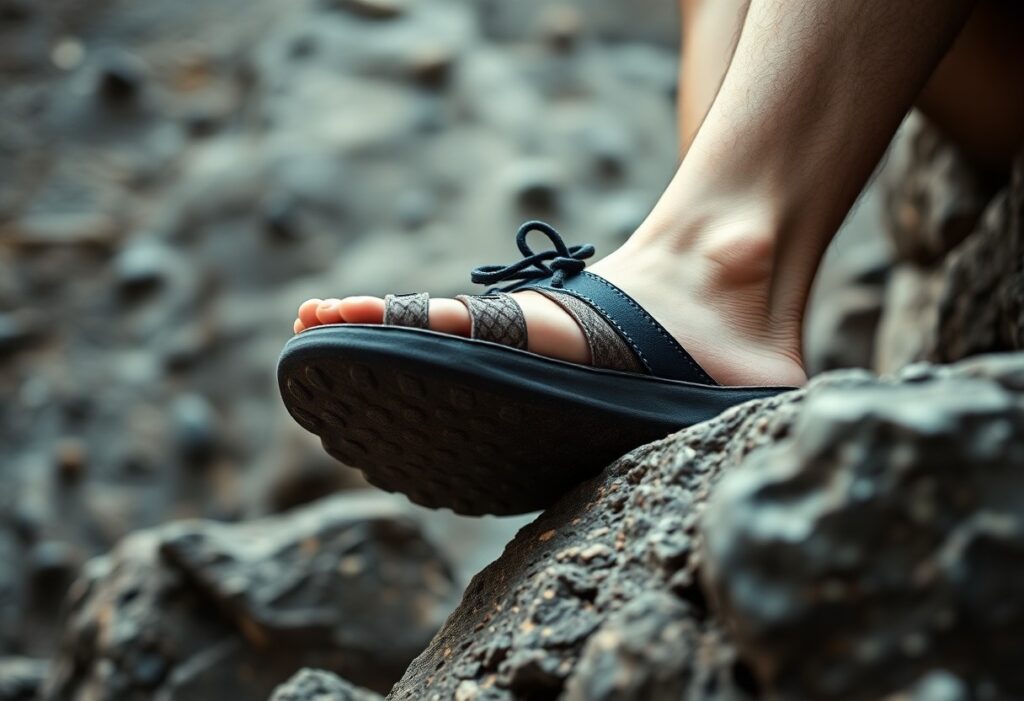
Barefoot shoes can work for climbing, but they are a tool for specific routes, not a universal replacement for true climbing shoes. They shine on slab, easy bouldering, warm-up mileage, and approach walking, while steep overhangs, tiny edges, and aggressive toe hooks still favor dedicated climbing footwear.
Quick Take if your climbing day is mostly slab, balance, or indoor technique work, barefoot-style shoes can be useful. If the session depends on heel hooks, toe hooks, or hard edging, a real climbing shoe is the safer and more effective choice.
| Use case | Best choice | Why |
|---|---|---|
| Slab climbing | Barefoot Shoes | High ground feel and easier balance adjustments |
| Indoor training routes | Barefoot Shoes Or Climbing Shoes | Good for technique work, but grip requirements vary by wall |
| Steep bouldering | Climbing Shoes | Toe hooks, heel hooks, and tension matter more than flexibility |
| Approach walking | Barefoot Shoes | Comfort and protection are more useful than aggressive climbing geometry |
| Hard edging on tiny holds | Climbing Shoes | Stiffer support and more concentrated edging power |
If you want the broader footwear background first, start with the science behind barefoot shoes; this article stays focused on climbing-specific tradeoffs, use cases, and limits.
Where Barefoot Shoes Make Sense On The Wall
The value of barefoot shoes in climbing is not that they outperform climbing shoes everywhere. It is that they make some movement patterns easier: softer foot placements, wider toe splay, better sensitivity on slab, and less fatigue during long, low-intensity sessions. In the right context, they can feel more natural than traditional shoes and help you refine footwork instead of masking it.
Slab And Balance-Heavy Climbing
Thin soles give immediate feedback, which helps you trust smears and tiny shifts in weight. On friction-dependent rock, that can improve precision.
Easy Boulders And Warm-Ups
For introductory problems or warm-up circuits, they can keep your feet moving naturally while reducing the cramped feeling many climbers get from tight shoes.
Approach Hiking And Mixed Days
If the day includes a long walk to the crag, barefoot shoes can earn their place before you even touch rock, especially when you want one shoe for the approach and light scrambling.
What To Watch Before You Buy Or Wear Them Climbing
This is where the decision gets practical. Barefoot shoes can feel brilliant on the right route and frustrating on the wrong one. The main limitations are not abstract: they show up quickly once the holds get small, steep, or powerful.
- Edge Sensitivity very thin soles improve feel, but they usually do not match the edging power of a stiff climbing shoe.
- Toe-Hooking And Heel Support aggressive gym boulders often demand structure that barefoot shoes rarely provide.
- Surface Protection sharp rock, rough gym volumes, and gritty landing zones can feel harsher under minimal cushioning.
- Gym Rules some facilities expect dedicated indoor climbing shoes; always check the policy before showing up with minimalist footwear.
- Transition Time feet and calves need time to adapt, especially if you are moving from heavily cushioned or very tight climbing shoes.
If you are still deciding whether minimal footwear fits your day-to-day comfort, this comfort guide is a useful companion read. If you are planning a full switch, the transition article covers how to build tolerance without overdoing it.
How To Use Barefoot Shoes Without Sabotaging Your Session
The smartest way to use barefoot shoes for climbing is to treat them as a precision and comfort tool. That means using them where sensitivity helps and switching when performance demands more structure.
Simple Climbing Strategy
- Start with warm-up routes or approach walking in barefoot shoes.
- Use them on slab, easy vertical movement, or drills where foot placement matters more than power.
- Switch to climbing shoes for steep boulders, toe hooks, heel hooks, or tiny edges.
- Keep the first few sessions short if you are not used to minimal footwear.
- Back off if you feel sharp foot, Achilles, or calf pain rather than normal post-session soreness.
That approach keeps the benefits without pretending barefoot shoes are a complete replacement. Climbing is specific, and the best shoe is the one that matches the route rather than the one that sounds most natural in theory.
Best-Fit Use Cases, From Gym Sessions To Scrambling
For climbers who want a clear yes-or-no framework, the following scenarios are the most defensible fits for barefoot shoes. They are also the areas where the original article’s general barefoot discussion was least helpful, so this section keeps the focus on climbing decisions.
| Scenario | Fit | Notes |
|---|---|---|
| Warm-up laps | Strong Fit | Good for loosening up and dialing in foot placement |
| Slab routes | Strong Fit | Sensitivity matters more than aggressive tension |
| Easy bouldering | Good Fit | Useful if the problem is technical rather than power-heavy |
| Scrambling and approach terrain | Strong Fit | Comfort, stability, and protection are the main priorities |
| Steep gym problems | Poor Fit | You will usually want more edging, hooking, and heel support |
For readers who are still building a barefoot habit outside climbing, this beginner shoe guide is the best next step. It is broader than climbing, but it helps if you are deciding whether a minimalist setup is comfortable enough for regular use.
How Barefoot Shoes Compare With Climbing Shoes And Approach Shoes
Search intent around this topic is partly commercial because readers are often trying to decide whether to buy a climbing-specific shoe or simply use a barefoot model they already own. The distinction matters. Barefoot shoes reward natural movement; climbing shoes reward performance on demanding rock.
| Shoe type | Main strength | Main weakness | Best use |
|---|---|---|---|
| Barefoot Shoes | Flexibility and ground feel | Less support on steep, technical climbs | Slab, warm-ups, easy bouldering, approaches |
| Climbing Shoes | Precision and edging power | Less comfortable for walking | Hard boulders, sport climbing, toe and heel hooks |
| Approach Shoes | Walking comfort and toe protection | Not as precise as climbing shoes on technical moves | Hikes to the crag, scrambling, mixed terrain |
A practical rule is simple: if the route asks for tension and precision, use climbing shoes. If the day asks for movement, comfort, and better sensory feedback, barefoot shoes can be the better fit. If the day includes a long walk plus easy climbing, approach shoes may be the compromise that makes the most sense.
When To Buy, When To Wait, And How To Time The Switch
There is no booking window here, but timing still matters. Barefoot shoes are best introduced when your climbing volume is low enough to let your feet adapt. If you are in a heavy bouldering block, or you have a trip with steep, performance-heavy routes coming up, wait until afterward or keep the barefoot sessions very short.
| Timing | What to do | Why it matters |
|---|---|---|
| Starting a new climbing cycle | Test barefoot shoes on warm-ups and easy slabs first | You can assess comfort without risking a hard session |
| Before a steep project | Stick with climbing shoes for the project itself | You need structure, not just flexibility |
| During recovery or deload weeks | Use barefoot shoes for light movement, approaches, or technique drills | Lower intensity makes adaptation safer |
A Note On Fit, Safety, And Gradual Adaptation
The biggest mistake climbers make is assuming minimal footwear will feel fine immediately because it looks light and simple. The foot, calf, and Achilles load changes quickly, and that matters more than the shoe brand or the marketing language around “natural movement.”
- Start with shorter sessions and easier terrain.
- Keep an eye on calf tightness and arch soreness.
- Do not push through sharp pain in the feet or Achilles.
- Use barefoot shoes to support technique, not to prove toughness.
For more on the general adaptation side, the FAQ page answers the questions that tend to show up once people start wearing minimal shoes regularly.
Want The Bigger Barefoot-Shoe Picture?
If you are comparing climbing use with comfort, recovery, or everyday wear, the broader barefoot-shoe library can help you separate general benefits from route-specific performance.
Frequently Asked Questions
In short, barefoot shoes for climbing are best thought of as a specialized option: excellent for some movement patterns, underpowered for others, and most useful when you know exactly what the route demands.

Ethan Marshall is a passionate writer and content creator at My Shoes Finder, where he explores a diverse range of topics, from lifestyle and fashion to innovative products and personal development. With a keen eye for detail and a commitment to delivering engaging and informative content, Ethan connects with readers by sharing insights that inspire and inform. He believes in the power of storytelling to influence positive change, and he continually seeks to provide valuable perspectives that resonate with his audience.
See also:
 Xero Shoes For Children In 2025: Fit, Safety, And Best Models
 Are Barefoot Shoes Good For Wet Hiking? What Works, What Fails, And When To Avoid Them
 Are Xero Shoes Good For Cycling? 2025 Comfort And Efficiency Review
 Xero Shoes For Bunions: What Helps, What Doesn’t, And Which Models Fit Best
 Best Barefoot Shoes For Teachers: All-Day Comfort In The Classroom
 Xero Shoes For Summer Travel And Hot-Weather Adventures



Your exploration of barefoot shoes in the context of climbing offers a refreshing perspective in a landscape often dominated by traditional climbing footwear. The emphasis on natural foot movement coupled with adequate protection resonates well with my own experiences. I’ve found that the adaptability of barefoot shoes not only enhances my footwork but also fosters a deeper connection to the rock, which feels quite enriching during climbs.
I’m glad to hear that you found a connection with the ideas I shared about barefoot shoes! Your point about adaptability is spot on—the way these shoes let our feet operate more naturally can really change how we interact with the rock.
I really resonate with your insights about adaptability and how barefoot shoes allow for a more natural interaction with the rock. It reminds me of how different our body’s mechanics are when we’re in traditional footwear versus something that lets our feet breathe and move more freely.
It’s great to hear that you connect with the idea of adaptability in footwear. There’s something fascinating about how much our shoes can influence how we move and feel—not just physically but also in terms of connection to the ground. When you’re in traditional shoes, it almost feels like you’re more of a passive participant in your own movement. But with barefoot shoes, it’s like your feet are allowed to do what they were designed for: getting in touch with the surface beneath you.
You’ve captured such an interesting perspective on footwear, and I totally relate to that sense of connection. There really is something profound about how our shoes can influence our entire bodily awareness and movement. When I first made the switch to barefoot shoes, I was surprised at how much more engaged I felt with my surroundings. It’s like rediscovering how to walk all over again, allowing my feet to sense the texture of the ground and adapt in real-time.
It’s great to hear how well the idea of barefoot shoes resonates with you. There’s something quite special about the way these shoes can transform our relationship with the rock. You’re right; they really do allow for a more natural foot movement that feels liberating compared to traditional climbing footwear.
It’s great to hear that you resonate with the idea of barefoot shoes enhancing not just footwork, but also that connection to the rock. That aspect of climbing is often overlooked; the experience can become more about the gear than the movement itself. When you strip things down and focus on how your foot interacts with the surface, it really opens up a new dimension to the sport.
This discussion on barefoot shoes really resonates with me, especially how they merge the feeling of climbing barefoot with protection. As someone who has recently transitioned from traditional climbing shoes, I found that barefoot shoes have completely changed my approach to footwork on the wall. The enhanced toe splay allows for more precise placements, which has notably boosted my confidence when tackling those tricky holds.
It’s interesting how transitioning to barefoot shoes can shift not just your technique but your entire mindset on the wall. I’ve felt that same kind of connection in my own experience. The increased sensitivity really changes how you engage with each hold, doesn’t it? I’ve found that the foot’s natural mechanics and its ability to sense the rock can bring a new layer of intuition to climbing.
I totally get your experience with barefoot shoes; it’s interesting how they blend comfort and performance, and speaking of that balance, I recently came across some insights on Xero’s work boots that highlight their durability and comfort—definitely worth checking out for anyone on the move.
‘Xero Shoes Work Boots: Which Models Make Sense For Durability And Comfort?’
https://myshoesfinder.com/xero-shoes-uncover-durable-and-comfortable-work-boots/.
I’ve been intrigued by barefoot shoes for climbing since I first heard about them last year. The idea of enhancing toe splay and maintaining a more natural foot movement really resonates with me. I remember a climbing session where I felt my traditional shoes were almost hindering my footwork, especially on those tricky, technical routes. It’s fascinating how something as seemingly simple as shoe design can influence our connection to the rock.
Ah, barefoot shoes – the rebellious little siblings of traditional climbing shoes! I’ve often found myself swaying between fancy tech-heavy kicks and those minimalist wonders that make you feel like a mountain goat (but with the added bonus of not needing hoof maintenance!). It’s like the age-old debate of whether to climb in high-tech gear or embrace the rugged charm of nature.
You’ve hit on something really interesting with that comparison. Barefoot shoes do feel like the wild, untamed cousins of traditional climbing footwear, don’t they? The freedom they give when you’re on the rock is something else. I’ve experienced that mountain goat feeling myself, where each foothold feels more connected and intuitive.
You’ve captured the essence of the barefoot shoe debate perfectly. The contrast between high-tech gear and those minimalist options really speaks to the heart of climbing. There’s something liberating about feeling every bit of rock beneath your feet, much like how our ancestors must have tackled the same challenges without the bells and whistles we often rely on today.
You bring up such a compelling point about the primal connection between climbers and the rock. That feeling of the surface beneath your feet really does deepen the experience, doesn’t it? Same goes for the debate about gear; it’s interesting how climbing can reflect our relationship with technology as a whole.
Your thoughts on the barefoot shoe debate resonate deeply, and if you’re curious about embracing that liberating approach to movement while traveling, there’s a great resource that dives into the best barefoot shoes for comfort and mobility on the go.
‘Top Barefoot Shoes for Digital Nomads: Comfort and Mobility on the Go’
https://myshoesfinder.com/best-barefoot-shoes-for-comfort-on-the-go/.
You’ve touched on something that really resonates with me—the way our relationship with climbing mirrors the larger dialogue we have about technology and our connection to nature. It’s fascinating how that primal bond can sometimes feel at odds with the modern tools we use. When we’re on the rock, every texture has a story, and there’s something about the feeling of natural surfaces that can ground us, reminding us of why we started climbing in the first place.
You’ve touched on something really profound with that connection between climbers and the rock. There’s an intimacy in that tactile experience; it’s almost like a conversation with the surface, feeling out every groove and edge. I often think about how much the physicality of climbing shapes our perspective—every ascent feels like a negotiation between nature and our own limits.
Speaking of that primal connection we feel while climbing, there’s an insightful piece about barefoot shoes for kids that really explores how the right footwear can enhance their experience and freedom of movement.
‘KIDS’
https://myshoesfinder.com/barefoot-shoes-kids/.
You’ve captured the essence of climbing perfectly. There’s something incredibly grounding about feeling the rock under your hands and feet – it’s a kind of communion with nature that can’t be replicated. Each climb becomes a dialogue with the environment, which heightens those moments of triumph and challenge.
I totally agree—understanding how our footwear impacts foot development really deepens that connection to the ground, just like we experience in climbing. If you’re intrigued by the barefoot vs. shod debate, there’s some insightful research on how it affects arches and gait that might add to the conversation.
‘Child Foot Development: Barefoot Vs Shod Effects On Arches And Gait’
https://myshoesfinder.com/pediatric-foot-development-barefoot-vs-shod-impact/.
I appreciate your exploration of barefoot shoes for climbing; they truly offer a fascinating alternative to traditional climbing footwear. I remember when I first transitioned from conventional climbing shoes to barefoot ones, and it was eye-opening. The enhanced ground feel made a noticeable difference in my footwork, especially on delicate, technical climbs.
I really enjoyed your take on barefoot climbing shoes! It’s interesting how our understanding of climbing gear has evolved over the years. I still remember my first experience climbing with traditional shoes—the stiffness felt so unnatural at first, but I got used to it. Now, the idea of slipping into something that allows for more natural movement is intriguing.
I’m glad to hear you enjoyed the article! It’s fascinating how personal experiences shape our views on climbing gear. That initial awkwardness with traditional shoes is something many climbers can relate to. The stiffness can really change how we connect with the rock, and it takes time to adjust.
It’s fascinating to see the discussion surrounding barefoot shoes and their transformative potential within the climbing community. As someone who has spent countless hours exploring various climbing techniques and footwear, I find the concept of barefoot shoes particularly compelling. Over the years, my relationship with climbing shoes has evolved; while traditional models have their place, I often felt restricted by their structure, inhibiting my natural foot movements.
It’s really intriguing to hear about your journey with climbing shoes and how you’re exploring barefoot options. Your experience resonates with many climbers who feel a bit boxed in by traditional footwear. There’s something refreshing about being able to reconnect with the ground, especially when it comes to a sport that demands so much from our bodies.
It’s interesting you bring up the restrictive nature of traditional climbing shoes. I’ve felt that too, especially on longer multi-pitch climbs where comfort starts to overshadow performance. The way barefoot shoes allow for natural foot movement aligns with the idea of being more in tune with the rock and your body’s own mechanics.
It’s interesting to hear your perspective on climbing footwear. The shift toward barefoot shoes really highlights a desire for more natural movement, doesn’t it? Many climbers share that feeling of restriction with traditional designs. The more rigid structure can limit how our feet engage with the rock, which is something that a lot of us might not fully appreciate until we try a more minimalist approach.
It really is fascinating how the shift toward barefoot shoes aligns with that broader desire for natural movement. I’ve definitely felt the difference between wearing traditional climbing shoes and trying out something more minimalist. It’s like opening a whole new level of sensitivity and connection with the rock that I didn’t even realize I was missing.
I completely resonate with your thoughts on climbing footwear and the growing trend toward barefoot shoes. The feeling of restriction in traditional climbing shoes can really alter our connection to the rock. I’ve noticed that when I switched to a more minimalist design, my foot sensitivity improved significantly. It’s like my feet finally had the freedom to move and flex naturally. I think this shift speaks to a broader desire in our lives for things that feel more authentic and less constrained, be it in our footwear choices or in how we engage with nature.
I found your insights on barefoot shoes particularly intriguing, especially in the context of climbing and bouldering where footwork is so crucial. It’s fascinating to consider how the design of these shoes can enhance our connection to the rock and ground beneath our feet. As an avid climber who has dabbled with various types of footwear, I can attest to the profound difference that a shoe’s design makes in terms of performance and feel.
You’ve touched on something that really resonates with anyone who’s spent hours grappling with the nuances of climbing footwear. The way shoes can transform the experience is almost magical—it’s like switching from a flip-flop to a rocket boot when you find the right pair. When you’re perched on the edge of a precipice with your toes jammed into a pocket the size of a peanut, that connection to the rock becomes paramount.
It’s great to hear that you found the discussion on barefoot shoes relevant to your climbing experience. Footwork is one of the most nuanced aspects of climbing, and the right footwear can truly make a difference. The way barefoot shoes are designed—often with a minimalistic approach—can provide a closer feel to the rock, enhancing your mental and physical connection to your surroundings.
Your exploration of barefoot shoes in climbing really resonates with me, especially given the balance they provide between protection and a natural feel. I’ve been integrating barefoot shoes into my climbing routine for nearly a year now, and I can confidently say they have significantly transformed my footwork. Initially, I was hesitant to shift from my traditional climbing shoes, fearing that the lack of padding would compromise my performance, particularly on sharp edges. However, I’ve found that the increased toe splay and heightened ground sensitivity have actually enhanced my ability to feel and respond to the rock, making routes that once felt daunting much more manageable.
I love the perspective you shared on barefoot shoes! I think it’s fascinating how they really can transform the way we connect with the rock. My experience with them has definitely enhanced my footwork, especially when trying to navigate tricky holds—it’s like a whole new level of awareness for my movements.
Your experience with barefoot shoes is spot on! It’s like switching from a clunky old flip phone to a slick smartphone – suddenly you’re in a whole new world of clarity and responsiveness. When you’re on those precarious holds, it’s almost like your feet are having a conversation with the rock. They’re like, “Hey, buddy, I got this little groove over here, can you help me out with a balance tweak?” It opens up a new level of foot intelligence, doesn’t it?