
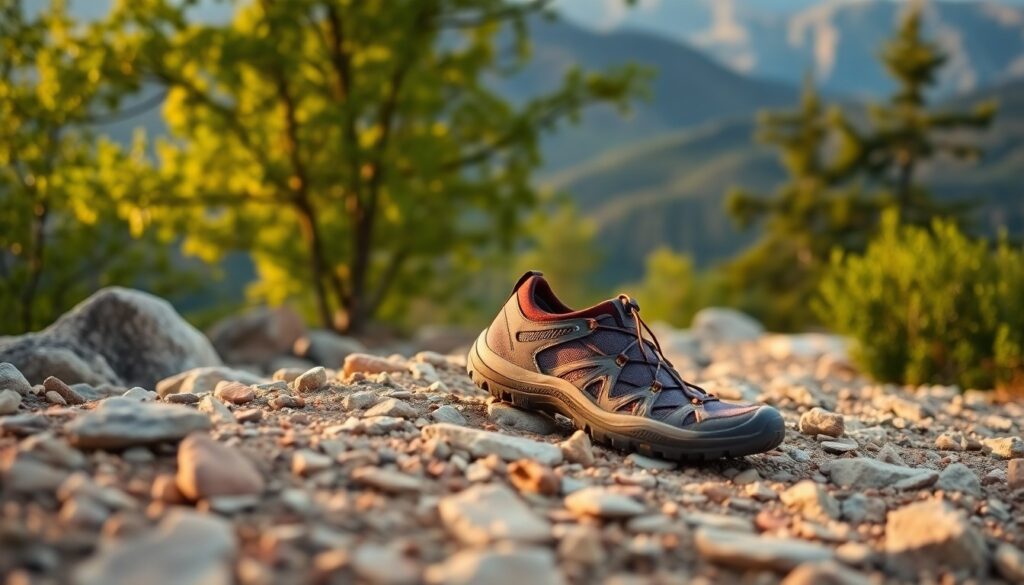
Barefoot shoes can be a smart choice for wet hiking, but only in the right conditions. They shine on light, fast-moving, warm-weather trails where drainage and ground feel matter more than insulation.
If you want the broader footwear context first, this guide pairs well with our barefoot hiking shoes guide, then comes back to the wet-condition decision in practical terms.
Quick decision: when barefoot shoes make sense in wet hiking
Choose them for warm, mild wet conditions, frequent drainage, and short to moderate hikes. Avoid them when the trail is cold, slick, deep in mud, or likely to stay waterlogged for long stretches.
Best And Worst Wet-Hiking Scenarios
The real question is not whether barefoot shoes can get wet. It is whether they stay usable once the trail gets wet, the temperature drops, and the terrain starts demanding more traction than flexibility.
Best fits
- Warm, muddy shoulder-season hikes
- Short stream crossings where shoes can drain fast
- Trails with frequent but shallow moisture
- Hikes where you value ground feel and quick cleanup
Worst fits
- Cold, steady rain
- Long puddle-strewn or flooded approaches
- Slippery rock gardens with uncertain footing
- Hikes where insulation and ankle coverage matter more than feel
Why Wet Terrain Changes The Equation
In dry weather, minimalist shoes reward natural movement. In wet conditions, the tradeoff shifts: less shoe between you and the ground can mean better feedback, but it can also mean less forgiveness when surfaces turn slick or cold.
That is why some hikers love barefoot shoes on wet summer trails and dislike them almost immediately on cold, soaked routes. The shoe itself is only half the story; the trail surface and your tolerance for wet feet matter just as much.
What Barefoot Shoes Do Well When The Trail Is Wet
Barefoot hiking shoes can be effective in wet conditions because they usually drain quickly, dry faster than many traditional boots, and preserve the ground feel that helps you adjust foot placement on uneven terrain. That combination can be useful on trails where water is intermittent rather than constant.
Fast Drainage And Quicker Drying
When a shoe is built with lighter materials and less internal padding, water often escapes faster after a stream crossing or rain shower. That does not make the shoe waterproof, but it can make the post-crossing recovery much easier than with heavier, more absorbent footwear.
For hikers who prioritize drainage, it is worth pairing this article with the waterproofing techniques guide, especially if you are comparing water resistance with breathability.
Better Ground Feel On Technical Surfaces
Wet hiking is not just about moisture. It is about reading the terrain early enough to avoid slips. Barefoot shoes can help with that because they keep you closer to the ground, which may improve your sense of where the stable edge of a rock or root actually is.
Less Bulk, Less Waterlogged Weight
Traditional hiking boots can hold onto water and feel heavy once soaked. Minimalist shoes often carry less material, so even when they get wet, they may feel less burdensome over the rest of the hike. That can be a meaningful comfort advantage on warm, active routes.
Related Option If you want a broader overview of how minimalist footwear performs on trails overall, start with our Xero hiking test results and guide, then return here for the wet-condition filter.
Where Barefoot Shoes Struggle In Wet Hiking
The same features that make barefoot shoes feel agile can become drawbacks when the trail is cold, greasy, or unevenly soaked. Thin soles, limited cushioning, and low stack height leave less margin for error on slippery ground and less protection against prolonged exposure.
Grip loss on slick surfaces
Wet rock, mud, and moss can overwhelm a minimalist outsole if the tread is too shallow or the rubber compound is not built for traction.
Cold feet more quickly
Barefoot shoes typically offer less insulation, so once water gets in, warmth can disappear fast.
Blister risk from wet friction
A wet interior can increase rubbing if the fit is not secure or the sock choice is poor.
If you are comparing barefoot hiking options specifically, the safest next step is to read the broader barefoot hiking shoes guide for fit, terrain, and transition context before choosing a wet-weather setup.
How To Make Them Work Better In Wet Conditions
If you decide to hike in barefoot shoes when the trail is wet, the goal is not to keep your feet perfectly dry. The goal is to keep the shoe responsive, reduce rubbing, and limit how long moisture stays trapped against your skin.
Choose the right outsole
Look for wet-friendly tread, not just a thin sole. Rubber compound and lug pattern matter more than marketing language.
Use socks that manage moisture
Merino or a fast-drying synthetic sock can reduce clammy friction and help your feet recover after each wet section.
Plan for shoe rotation
If you hike often in wet weather, having a second pair dry fully between outings reduces odor, wear, and breakdown.
For hikers who want to go deeper on construction and weather protection, the waterproofing techniques guide is the most relevant companion piece on this site.
What To Look For Before You Buy
Not every barefoot shoe is equally suited to wet hiking. A model that feels excellent on dry pavement can still be a poor choice on rain-slick trails if it lacks traction, drains slowly, or traps too much water near the toes.
Practical Verdict
Best use case
Barefoot shoes are a good option for wet hiking when the trail is warm, short to moderate, and more likely to get damp than truly submerged.
Poor use case
They are a weak choice for cold rain, long waterlogged stretches, or slippery terrain where insulation and heavy-duty traction matter more than flexibility.
CTA for the next decision
If your hikes are mostly dry but occasionally wet, stay in the minimalist category and compare models in the barefoot hiking shoes guide. If your routes are consistently wet, review the waterproofing techniques guide before you buy.
Frequently Asked Questions
Do Barefoot Shoes Work Well In Mud?
They can work reasonably well in mud if the outsole has enough bite and the shoe sheds debris quickly, but they are not ideal when mud is deep, sticky, or mixed with slick rock.
Are There Specific Barefoot Shoes For Wet Hiking?
Yes, some models are built with faster-draining uppers, better grip compounds, or water-resistant details, but the most useful features are still traction, fit, and drying speed rather than full waterproofing.
How Often Should I Replace Barefoot Hiking Shoes?
Replacement depends on wear, but wet use can accelerate breakdown. Check for tread wear, seam stress, and loss of drainage or grip rather than relying only on mileage.
Are Barefoot Shoes Better Than Hiking Boots In Wet Weather?
Not universally. Barefoot shoes are better when quick drainage, flexibility, and ground feel matter; hiking boots are better when insulation, support, and all-day wet protection are the priority.

Henry Harrington is a passionate author and content creator at My Shoes Finder, where he explores a wide range of topics related to footwear, lifestyle, and personal growth. With a keen eye for detail and a love for storytelling, Henry engages readers by sharing insights, tips, and personal anecdotes that resonate with his audience. His commitment to delivering high-quality content has established him as a trusted voice in the online community, inviting readers to step into new perspectives and discover their unique paths.
See also:
 Barefoot Shoes For Tropical Weather: What To Wear In Heat, Humidity, And Rain
 Xero Shoes For Cold Weather Trekking: What Works, What Doesn’t, And When To Upgrade
 Xero Shoes Aqua X Sport Review: Barefoot Water Shoes for Trails, Travel, and Wet Adventures
 Xero Shoes In Extreme Cold: What -40°F Testing Actually Showed
 Xero Shoes Winter Boots Review: Best Picks For Warmth, Waterproofing, And Traction
 Barefoot Beach Shoes: How To Choose The Right Pair For Sand, Surf, And Heat



I’ve been really intrigued by the whole barefoot shoe trend, especially for hiking in wet conditions. I’ve tried a few pairs myself, and I’ve found that they totally change the way you feel the ground beneath you—like you’re reconnecting with the earth in a way. However, you’re spot on about the risks in slippery or muddy terrains.
I completely relate to what you’re saying about barefoot shoes. They really do change the way you connect with your surroundings, don’t they? It’s kind of like rediscovering the sensation of being grounded, which we often miss in modern life. I’ve found that the added sensory feedback helps me be more mindful of where I step, especially on trails.
I appreciate your thoughts on barefoot shoes. It’s fascinating how something as simple as footwear can shift our awareness of the environment around us. That feeling of being grounded is something we often overlook, especially with the busy lives we lead.
It’s cool to hear your thoughts on barefoot shoes! They definitely make you feel more in tune with your surroundings, right? That sensation of the ground underneath can be pretty eye-opening. It’s like we’re unlearning years of being cushioned and wrapped up.
Your exploration of barefoot shoes in challenging, wet hiking environments raises several important points about their advantages and inherent limitations. Having experimented with various types of footwear on my own hiking journeys, I’ve gained some insights that I believe enhance this discussion, particularly regarding the interplay of performance and comfort in harsh conditions.
It’s interesting to hear about your own experiences with different footwear on hikes. The balance between performance and comfort can really shape how we enjoy our time outdoors. In wet and challenging environments, I’ve found that even the best barefoot shoes can struggle to keep things steady when the ground gets slippery.
I’ve always been fascinated by the concept of barefoot shoes, especially when it comes to tackling different types of terrain like those slippery, moss-covered trails we often encounter during rainy hikes. There’s something really appealing about their minimalist design and the way they promote a more natural foot movement. But I totally get what you’re saying about the challenges that come with using them in wet conditions.
You’ve raised some essential points about the performance of barefoot shoes in wet hiking conditions. The balance between flexibility and protection is indeed a fascinating aspect of minimalist footwear that invites deeper consideration. Having hiked both with traditional boots and barefoot shoes, I can certainly relate to the nuanced experience each offers in different environments.
This discussion on barefoot shoes and their performance in wet hiking conditions is certainly timely, especially as more outdoor enthusiasts are exploring how minimalist footwear can enhance their hiking experience. I have personally transitioned to barefoot shoes over the past year, and while I appreciate the increased ground feel and agility they provide, I’ve also faced some challenges in more precarious terrains, particularly when water is involved.
It’s great to hear from someone who is experiencing the world of barefoot shoes firsthand. Transitioning to minimalist footwear can be quite a journey, can’t it? I remember when I made the leap as well. The balance and connection to the ground are definitely perks that can transform how you experience the outdoors. It’s fascinating how those little nuances, like feeling every texture under your feet, can change your perspective on what you walk on.
It’s interesting you mention the little nuances of feeling every texture underfoot. I’ve found that aspect to be really transformative, too. It’s like rediscovering the ground beneath me after years of being cushioned and somewhat disconnected. The initial transition was a challenge, of course—my feet were definitely not used to that kind of exposure. But as I adapted, I noticed improvements not just in my balance, but also in my overall awareness of my surroundings.
It’s interesting to hear about your journey with barefoot shoes. I’ve been contemplating a similar switch myself, but I’ve always been curious about how they perform in tricky conditions like wet or muddy trails. You mentioned the increased ground feel and agility, which resonates with me. I often feel that more connectedness to the trail could enhance my hiking experience, especially when navigating uneven surfaces.
Your experience really resonates with me. Transitioning to barefoot shoes can definitely feel like a double-edged sword, especially when tackling wet and slippery trails. I’ve had my fair share of slips and slides in similar conditions. While the increased ground feel and flexibility are fantastic, they often seem to come at the cost of traction and grip.