
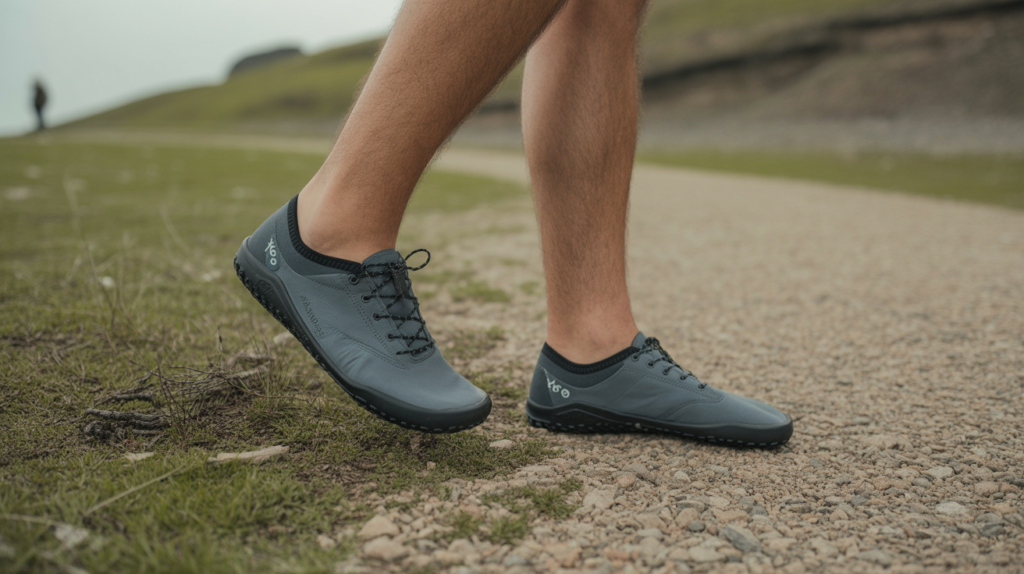
Barefoot Xero shoes are best for readers who want a lighter, flatter, more natural-feeling shoe and are willing to prioritize foot function over plush cushioning. Their main advantages are toe room, ground feel, flexibility, and a design that supports a gradual transition into minimalist footwear.
If you are comparing models, start with the broader Xero Shoes guide and then use this page to judge whether the barefoot-style advantages match your routine, feet, and expectations.
People who want a more natural stride, a wider toe splay, and a shoe that feels less restrictive during everyday wear, light training, travel, or walking.
You usually give up thick cushioning and some of the “instant comfort” that conventional shoes provide, so adaptation matters.
Fit first, model second. If the sizing is off, the minimalist benefits are harder to feel and much easier to dislike.
What Barefoot Xero Shoes Do Differently
The strongest reason people choose Xero’s barefoot-style footwear is not a fashion angle; it is the way the shoe gets out of the foot’s way. A wide toe box lets your toes spread more naturally, a zero-drop platform keeps the heel and forefoot level, and the flexible build gives you more direct feedback from the ground. That combination can feel more stable and more connected than a traditional trainer or casual shoe.
This matters because footwear often shapes how a person walks, stands, and loads the lower body. If you want a more natural foot motion and less heel elevation, the minimalist approach can be useful. If you want maximal cushioning and a very guided ride, it may not be your best match. For readers still deciding, the sizing and fit advice in this fit guide is the next best step after understanding the benefits.
Advantages Vs Traditional Shoes
| Feature | Barefoot Xero advantage | Traditional shoe tradeoff | Best fit scenario |
|---|---|---|---|
| Toe Box | More room for toe splay and less compression across the forefoot. | Narrower shapes may crowd the toes, especially in pointed or fashion-led silhouettes. | Wide feet, bunion-prone feet, and anyone who dislikes pressure at the front of the shoe. |
| Drop And Posture | Zero-drop geometry encourages a flatter stance and a more neutral feel. | Raised heels can shift weight forward and change ankle and calf loading. | People who want a less elevated platform for walking, standing, or training. |
| Flexibility | The shoe bends with the foot instead of fighting it. | Stiffer midsoles can feel supportive, but they reduce the foot’s own work. | Light exercise, travel, and day-to-day use where movement freedom matters. |
| Ground Feel | More sensory feedback can improve awareness and control. | More cushioning can mute feedback and create a softer, more protected ride. | Readers who want to feel the surface and stay nimble. |
| Transition Effort | Can be very comfortable once adapted, but usually requires a gradual ramp-up. | More forgiving on day one for people used to highly cushioned footwear. | Beginners who are prepared to start slowly and build tolerance. |
That table is the clearest way to think about the purchase: barefoot Xero shoes win when you value toe room, natural motion, and lightness more than padding. If you want a side-by-side brand comparison before choosing, the Xero vs Vivobarefoot comparison is useful for narrowing the field without losing the minimalist context.
Why The Fit Matters More Than The Marketing
Many buyers become interested in barefoot footwear because they want healthier-feeling movement, but the experience can turn sour if the shoe size or shape is wrong. Minimalist shoes are less forgiving than overbuilt models because there is less foam to hide fit mistakes. If your toes hit the front, the heel slips, or the upper pinches across the midfoot, the benefits disappear quickly.
A strong fit should feel secure without squeezing. The foot needs enough room to spread during stance and enough hold to avoid sliding during movement. If you are unsure where to start, measuring your feet correctly is a more reliable first step than guessing from your usual sneaker size. For shoppers who want a broader sizing overview, the dedicated Xero fit guide explains how width, length, and shape affect comfort over time.
How To Start Wearing Them Without Overdoing It
The best transition strategy is simple: reduce volume before you increase intensity. Start with short daily wear periods, such as errands, commuting, or a brief walk, then let your feet and calves tell you when to add more. Barefoot shoes can expose weaknesses or stiffness that cushioned footwear hides, so the goal is adaptation, not a race to full-time wear.
A beginner-friendly rollout often looks like this:
- Use them for 20 to 30 minutes at first.
- Stick to flat, predictable surfaces before moving to uneven ground.
- Alternate between minimalist and conventional shoes if you are easing in.
- Pay attention to calf tightness, foot fatigue, or soreness in the arches.
- Increase time gradually rather than jumping to all-day wear.
If you want a more structured ramp-up, the transition guide for Xero Shoes is the most relevant companion page. It keeps the focus on gradual use, which is the safest way to judge whether the benefits are real for your feet.
Where The Advantages Show Up Most Clearly
Barefoot Xero shoes are especially appealing in situations where movement quality matters more than maximum cushioning. Walking is the obvious one, because a lighter, flatter shoe can feel less intrusive during long days on your feet. Travel is another strong use case, since lightweight minimalist shoes are easier to pack and often more versatile than bulkier alternatives. The travel angle is explored in more detail in the lightweight travel shoe guide.
You also see the benefits in lower-intensity training, indoor work, and casual wear, where the shoe’s flexibility and ground contact feel can support a more natural rhythm. If your routine includes light workouts or treadmill sessions, the dedicated article on treadmill running and indoor training is a better match than a broad brand overview.
For outdoor readers, the benefits depend on the model. Some pairs lean more casual, while others work better on trails or variable terrain. If your priority is hike-first versatility, the Scrambler Low hiking review is a useful next stop because it turns the barefoot concept into a real-world use case.
Readers with ongoing foot pain, recent injuries, or conditions that require medical footwear should not treat minimalist shoes as a universal fix. The main upside of barefoot Xero shoes is that they let the foot work more naturally; if your situation needs extra support, a more structured shoe may be the better choice. That is why the goal of this article is not to “sell” barefoot footwear as a cure-all, but to help you decide whether the advantages are worth the tradeoffs.
What To Look For Before You Buy
A good minimalist purchase usually comes down to three practical checks. First, make sure the shoe length leaves enough room for natural toe movement. Second, assess width at the forefoot instead of only focusing on your standard size. Third, confirm that the upper and outsole fit your main use case, whether that is walking, travel, or light training. If you need more help picking a model after you understand the advantages, the best Xero Shoes buying guide is the clearest commercial next step.
Look closely at these factors when comparing options:
- Toe box space for splay and comfort
- Zero-drop feel and how it changes your stance
- Outsole flexibility and ground feedback
- Upper material breathability for your climate
- Intended use: walking, travel, work, or exercise
If this article helped you decide that minimalist footwear is the right category, move to the broader catalog and fit pages rather than jumping straight to checkout. That keeps the decision process cleaner and reduces the risk of choosing a pair that feels too tight, too loose, or too ambitious for your current routine.
Start with the main Xero Shoes guide, then compare the model notes in the buying guide and confirm size against your measurements.
Frequently Asked Questions
If your goal is to choose the right barefoot model, the most useful next step is not another general benefits article. It is a focused comparison of fit, model shape, and the way you actually move during the day.
Go to the Xero buying guide for the most practical shortlist, then confirm sizing with the dedicated fit resources before you order.

Henry Harrington is a passionate author and content creator at My Shoes Finder, where he explores a wide range of topics related to footwear, lifestyle, and personal growth. With a keen eye for detail and a love for storytelling, Henry engages readers by sharing insights, tips, and personal anecdotes that resonate with his audience. His commitment to delivering high-quality content has established him as a trusted voice in the online community, inviting readers to step into new perspectives and discover their unique paths.
See also:
 Xero Shoes For Travel: The Best Lightweight, Packable Options For 2025
 Xero Shoes For Children In 2025: Fit, Safety, And Best Models
 Xero Shoes For Bunions: What Helps, What Doesn’t, And Which Models Fit Best
 Xero Shoes Sandals Review: Fit, Feel, And Best Uses
 Xero Shoes Sale Guide: Where To Find The Best Discounts
 Widest Xero Shoes for Wide Feet: Models & Fit Guide
It’s fascinating to see how much attention barefoot footwear like Xero Shoes is receiving, as it aligns perfectly with a growing awareness of natural movement and foot health in today’s active lifestyles. The benefits you outline, particularly in terms of improved posture and reduced injury risk, resonate deeply with my personal experiences.
It’s fascinating to see how barefoot footwear, like Xero Shoes, is gaining traction as more people are becoming aware of their potential benefits for foot health. I’ve personally experienced the transition to more minimalist shoes, and I can attest to the positive impact on my posture and overall comfort. It’s interesting to note the cultural shift towards valuing natural movement and how that intersects with modern lifestyle choices.
I’ve been exploring barefoot footwear recently, and your insights about Barefoot Xero shoes resonate with my experiences! I’ve noticed that since I switched, my foot strength and posture have improved significantly. It’s fascinating how something as simple as a shoe can impact our overall well-being.
Your insights on Barefoot Xero shoes really resonate with me, especially the focus on promoting natural foot movement and overall health. I’ve recently started exploring minimalist footwear after dealing with some foot discomfort, and the differences I’ve felt have been remarkable. It’s intriguing how something as simple as footwear can impact our posture and the way we move through our daily lives.
Your points on the benefits of Barefoot Xero shoes raise some important considerations about foot health that often get overlooked in today’s footwear market. While I agree that natural movement is crucial, I wonder if the emphasis on barefoot-style shoes can sometimes overshadow the complexities of individual foot types and health issues. For example, those with specific conditions, like flat feet or high arches, might find a shift to barefoot footwear challenging without a gradual transition.
I really appreciate your insights on Barefoot Xero shoes and their role in enhancing foot health. I’ve been experimenting with barefoot footwear for a while now, and I’ve noticed significant improvements in my foot strength and overall comfort during activities. It’s fascinating how something as simple as shoe design can impact our posture and reduce injury risk.
This exploration of Barefoot Xero shoes truly resonates with me, especially as someone who has transitioned to minimal footwear over the past few years. I’ve experienced firsthand the positive impact it has had not just on my foot health, but on my overall movement and posture. It’s fascinating how something as simple as a shoe can encourage a more natural gait and strengthen the muscles in our feet.
I’ve recently started exploring barefoot footwear, and I can definitely relate to the benefits you’re highlighting about Barefoot Xero shoes! It’s fascinating how adopting a more natural foot movement can influence overall health—I’ve noticed a difference in my own posture and foot strength since making the switch.
The exploration of barefoot footwear, particularly Xero Shoes, brings to light not only the importance of foot health but also the wider implications for our overall well-being. It’s fascinating to consider how many of us have become so accustomed to the restrictive nature of modern footwear that we overlook the natural movements our feet are designed to perform. The connection between footwear and foot strength is indeed profound; this idea speaks volumes about how our lifestyle choices influence our physical health.
You bring up some really interesting points about the relationship between footwear and foot health. It’s true that we’ve grown so comfortable in our cushioned, structured shoes that we often forget how much our feet can do when given the chance. I think part of the issue comes from the way our society has normalized overly supportive footwear, which can sometimes lead to weakened foot muscles over time.
It’s interesting to see how the insights on footwear choices extend to kids, as their foot health plays a crucial role in their overall development and well-being.
‘KIDS’
https://myshoesfinder.com/barefoot-shoes-kids/.
Your insights on Barefoot Xero shoes really resonate with my own journey toward more natural footwear. I’ve been exploring minimalist options for the past year, partly due to a desire to enhance my foot health after experiencing some discomfort and fatigue from traditional cushioned shoes. What has struck me about switching to a barefoot style is not just the immediate comfort of a wider toe box but how it’s gradually allowed me to reconnect with the way I move.
The exploration of barefoot footwear and its unique benefits certainly strikes a chord with many seeking a more natural approach to movement and overall foot health. Personally, I found that transitioning to barefoot shoes was not just about the physical aspects, but it also transformed how I think about my body’s connectivity to the ground. The flexibility and ground feel you mentioned are particularly noteworthy; they create a level of awareness with the surfaces we walk on that conventional cushioned shoes simply can’t replicate.
It’s interesting to hear how transitioning to barefoot shoes has reshaped your perspective on movement and the connection to the ground. That awareness you mentioned is such a crucial part of the experience. When you take away the thick cushioning and support of traditional shoes, you actually start to listen to your feet and how they engage with different surfaces.
Your exploration of barefoot footwear, specifically Xero shoes, touches on a crucial aspect of modern footwear that often goes overlooked: the balance between comfort and foot function. Having made a personal transition to minimalist footwear a couple of years ago, I can attest to the significant differences it made to my running and general mobility.
Your insights on Barefoot Xero shoes resonate with me, especially the emphasis on foot function over cushioning. I’ve been transitioning to minimalist footwear over the last year and can attest to the benefits of improved foot health and natural movement. Initially, I struggled with the adjustment as my feet strengthened and adapted, but the gradual transition was crucial for minimizing discomfort.
I really appreciate your insights on barefoot footwear, particularly the emphasis on natural foot function over plush cushioning. I’ve recently made the switch to minimalist shoes myself and have experienced a noticeable difference in my overall comfort and foot health. The wider toe box has not only allowed for better splay but has also contributed to a more natural gait—something I didn’t realize was so impactful before.
It’s interesting to see the increasing popularity of barefoot footwear like Xero shoes, especially as more people become aware of the importance of foot health in overall well-being. The emphasis on toe room and ground feel resonates with me—after years of wearing conventional shoes that often led to discomfort and restricted movement, switching to more minimalist options has notably improved my own foot strength and posture.
The discussion around barefoot footwear, particularly Xero shoes, touches on the broader theme of how our footwear impacts our overall health and movement. As someone who transitioned to minimalist shoes a few years ago, I can personally attest to the benefits you mentioned, like improved foot function and a more natural stride. Initially, I struggled with the adjustment period, as my feet required time to strengthen and adapt to this new style. However, the enhancement in ground feel and flexibility eventually made a noticeable difference in my running and everyday comfort.