

Barefoot footwear is more than a product category: it is a cultural practice, a social signal, and in some communities a continuation of long-held traditions. Its story moves from indigenous foot practices and place-based customs to the way minimalist shoes are interpreted in today’s cities.
If you want the practical side after the cultural context, a useful next read is how to transition to barefoot shoes gradually.
What this article covers
- how barefoot footwear fits into indigenous traditions and daily life
- why shoes can carry social meaning beyond comfort or utility
- how urban adoption reframes minimalist footwear today
- what modern wearers should understand before treating it as a trend
Indigenous Traditions And The Meaning Of Barefoot Wear
In anthropology, footwear is never just covering. In many Aboriginal and other indigenous contexts, going barefoot or wearing minimal coverings has been tied to the local environment, the demands of travel, and the relationship between body and land. That connection matters because it shows how footwear can express belonging rather than merely protect the foot.
Some communities developed foot conditioning through regular barefoot movement across varied terrain, while others used simple sandals or wraps suited to heat, sand, or rough ground. The practical side and the cultural side were intertwined. A shoe was not just an accessory; it could reflect climate, work, identity, and community norms.
That distinction helps avoid a common mistake in modern barefoot discussions: treating minimalist footwear as a new wellness invention when, for many cultures, low-profile or barefoot living has long been ordinary. For readers comparing modern options, this overview of barefoot Xero shoes is a practical bridge from cultural context to contemporary use.
Why The Social Meaning Changed In Cities
Urban adoption changes the story. In the city, barefoot footwear is usually chosen, not inherited through custom. That shift turns it into a visible personal statement: sometimes about health, sometimes about style, and sometimes about belonging to a movement that values natural motion and simplicity.
The same shoe can mean very different things depending on who wears it and where. In one setting, minimal footwear may be read as practical and normal; in another, it may signal an informed choice that distinguishes the wearer from mainstream fashion. Anthropology is useful here because it asks not only what people wear, but why the same object is interpreted differently across settings.
Gender, class, and age can all shape that interpretation. Urban consumers often weigh aesthetics alongside comfort, while others focus on movement, balance, or the idea of getting closer to the ground. These are not purely medical decisions. They are also social decisions, shaped by identity and by what counts as normal in a given community.
What Modern Adoption Actually Looks Like
Modern barefoot footwear does not recreate indigenous life, and it should not be framed as if it does. What it can do is borrow a basic principle: let the foot move more naturally and reduce the visual and structural bulk of conventional shoes. In urban settings, that often means a compromise between cultural inspiration and the realities of work, commuting, and dress codes.
The stronger cultural shift is normalization. As more people encounter minimalist shoes in gyms, on sidewalks, and in casual offices, the style moves from niche to legible. That is one reason the category keeps growing: it sits at the intersection of wellness language, fashion, and a broader interest in simpler movement patterns.
For readers moving from interest to purchase
If your next step is choosing a pair rather than studying the culture, start with barefoot shoes for beginners, then read the transition guide so the shift stays gradual and comfortable.
Military Footwear Is Part Of The History, But Not The Main Story
Footwear history also includes military design, and it is worth noting only as a support to the broader evolution of function. Roman caligae, for example, were built for durability, traction, and breathability, showing that footwear design has long responded to practical demands. Later tactical boots pushed that logic further with stronger materials and more structured protection.
That history is useful because it reminds us that shoes have always balanced body needs against the environment. Still, in an article about barefoot footwear anthropology, military design should stay in the background. The more relevant question is how cultures decide when the foot should be protected, when it should be free, and what those choices communicate about the wearer.
Modern Implications For Culture And Identity
The modern barefoot movement can be read as a negotiation between old and new. On one side is the cultural memory of walking with less separation between body and ground. On the other is the contemporary desire for comfort, mobility, and style in highly structured urban environments.
That negotiation is why barefoot footwear remains interesting anthropologically. It is not only about biomechanics or product design; those belong to a different conversation. Here, the focus is on meaning: how footwear expresses values, how global trends borrow from older practices, and how a once-niche choice becomes part of everyday city life.
Want the broader performance context?
Read the science of barefoot shoes and their benefits after this cultural overview if you want to connect social meaning with the practical arguments people often use when choosing minimalist footwear.
Frequently Asked Questions
What Do Podiatrists Say About Going Barefoot?
Podiatrists usually focus on the person, the surface, and the length of time spent barefoot. In cultural terms, that medical view is only one lens; many communities have long treated bare feet as ordinary without framing them as a clinical issue.
Is There Scientific Evidence For Barefoot Shoes?
There is ongoing research, but the anthropological point is different: evidence does not explain why people adopt a style, nor what that style means socially. A shoe can be scientifically discussed and culturally meaningful at the same time.
Do Europeans Wear Barefoot Shoes?
Yes, but adoption varies by country, city, and subculture. In many places, minimalist footwear appears in fitness, outdoor, and casual settings, where it often carries a conscious lifestyle signal rather than a purely traditional one.
Which Country Goes Barefoot The Most?
There is no single simple answer because barefoot habits depend on climate, work, income, custom, and setting. Anthropological comparisons are more useful when they look at context instead of trying to rank cultures by a single habit.

Oliver Prescott is a dedicated author and content creator at My Shoes Finder, where he explores a diverse range of topics focusing on lifestyle, fashion, and personal development. With a keen eye for detail and a passion for storytelling, he connects with readers by providing insightful and engaging content. Oliver’s writing aims to inspire and inform, making complex ideas accessible and relatable to a broad audience. When he’s not writing, he enjoys exploring new shoe trends and sharing his findings with fellow enthusiasts.
See also:
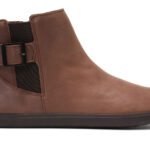 Tari II – Women
 Good Barefoot Shoes: Discover the Best Barefoot Shoes for Optimal Comfort!
Unleash Your Natural Movement with Barefoot Shoes for Men
Cool Barefoot Shoes: Discover the Best Barefoot Shoes
Good Barefoot Shoes: Discover the Best Barefoot Shoes for Optimal Comfort!
Unleash Your Natural Movement with Barefoot Shoes for Men
Cool Barefoot Shoes: Discover the Best Barefoot Shoes
 Global Barefoot Shoes Market: Regional Trends, Growth Drivers, And 2031 Outlook
 Are Barefoot Shoes Good For Yoga And Meditation? A Practical Guide



It’s fascinating how the journey of barefoot footwear encapsulates not just personal comfort but also a rich tapestry of cultural history. Having recently embraced minimalist shoes myself, I’ve found that they make me feel more connected to my surroundings, almost as if I’m experiencing the ground in a way that conventional shoes never allowed.
What a compelling exploration of the cultural journey of barefoot footwear! Your insights into how these practices intertwine with both ancient traditions and modern lifestyles truly resonate with me. As someone who has always felt a strong connection to the earth through my own lifestyle choices, I appreciate the way you’ve shed light on how our footwear can reflect our personal identities and cultural histories.
Isn’t it wild how something as simple as footwear can carry the weight of history on its soles? I mean, here we are, navigating bustling city streets in what used to be the embodiment of cultural heritage! Growing up, my idea of comfort was a pair of fuzzy slippers—who knew bare feet could actually connect us to our ancestors?
It’s intriguing to see how barefoot footwear serves as a bridge between ancient traditions and modern lifestyle, particularly in our increasingly mechanized and comfort-driven world. Your exploration of this subject makes me reflect on the broader implications of how our choices in footwear are not just about fashion, but also about health and cultural identity.
Your exploration of barefoot footwear really highlights the broader theme of how our clothing and accessories serve as cultural artifacts. It’s intriguing to consider how the minimalist design of barefoot footwear not only caters to our physical comfort but also connects us to deeper cultural narratives. For instance, the practice of going barefoot or wearing minimal shoes in various indigenous cultures often symbolizes a profound connection to the land and an appreciation for natural movement.
Your exploration of the relationship between anthropology and barefoot footwear is both thought-provoking and timely. As someone who has recently adopted more minimalist shoes, I can personally attest to how they shift one’s perception of movement and connection to the environment. It’s fascinating to consider how much our footwear can be a reflection of our cultural narratives and personal identities.
You know, it’s pretty wild to think how our shoes can shape not just our foot health, but our entire worldview. You slip on a pair of those minimalist shoes, and suddenly, it feels like your feet are getting an awakening they didn’t know they needed. It’s like, “Hey, arch, you still there? Hello, toes!” It’s almost as if the shoes are screaming, “Get out there, buddy, and make physical contact with the ground!”
You bring up some compelling points about the interplay between footwear and our cultural identities. It’s interesting how minimalism in shoes can lead to a broader realization about our connection to the environment and our physical selves.
Your exploration of barefoot footwear through an anthropological lens resonates deeply with me, particularly as someone who has spent time in various cultures where minimalism in footwear is celebrated. It’s intriguing to see how these practices not only reflect cultural beliefs but also promote a deeper connection to the earth and our surroundings.
It’s truly fascinating to delve into the relationship between footwear and cultural identity, particularly through the lens of anthropology. The journey you’ve detailed from traditional Aboriginal practices to the modern embrace of barefoot footwear resonates deeply with me. It serves as a poignant reminder of how our choices in clothing, even down to our shoes, can echo centuries of cultural history and personal significance.
Your exploration of the relationship between anthropology and barefoot footwear truly resonates with me and sparks a cascade of thoughts around the significance of our choices in footwear being deeply rooted in culture. I’m fascinated by how barefoot footwear not only serves as a functional necessity but also acts as a bridge between history and our current lifestyle. It’s incredible to think about how what we wear on our feet can echo the stories of indigenous cultures, reflecting their beliefs and their connection to the earth.
It’s refreshing to hear your perspective on the interplay between footwear choices and culture. Our footwear indeed tells a complex story that goes far beyond mere functionality. It’s remarkable to consider how barefoot footwear, often minimalist and unassuming, connects us to deep-rooted traditions and experiences that span generations and continents.
The intersection of anthropology and footwear is indeed a fascinating lens through which to examine cultural evolution. I have found that the minimalist movement, often attributed to health trends advocating for natural movement, also serves as a conduit for deeper cultural appreciation. For instance, brands inspired by indigenous designs not only promote comfort but also prompt us to consider the stories and histories woven into these traditions.
I thoroughly enjoyed your exploration of the journey of barefoot footwear through anthropology! It’s truly fascinating to see how the threads of culture intertwine with our everyday choices in footwear. I’ve often found myself reflecting on my own experiences with minimalist footwear and how they resonate with the sentiments you outlined so beautifully.
I’m glad you found the exploration of barefoot footwear compelling—it’s such a rich topic. I often wonder how footwear choices can reflect broader values we carry, especially in our fast-paced, technology-driven lives. It seems like minimalist footwear, in particular, encourages us to reconnect with our bodies and the environment in a much more primal way.
Glad you enjoyed the deep dive into barefoot footwear and its surprising links to culture! It’s wild how something as simple as shoes can reflect so much about our lifestyles and values.
It’s fascinating to consider how footwear not only serves a practical function but also carries a wealth of cultural meaning. The way you illustrated the evolution from Aboriginal traditions to contemporary urban styles truly resonates with me. It makes me reflect on my own choices in footwear and how they relate to comfort and my connection to the environment.
Your exploration of barefoot footwear as a cultural phenomenon is truly enlightening. I find it intriguing how our shoes – or lack thereof – can act as a bridge between tradition and modernity. Growing up, I had the opportunity to visit some Indigenous communities, where I witnessed firsthand the deep respect for the earth that is woven into their practices. This connection to the ground, expressed through simple, minimalist footwear, resonates with so many of us who live in urban settings yet long for that same connection.
Your exploration of barefoot footwear and its anthropological roots raises some intriguing questions about the intersection of culture and modernity. It’s fascinating to consider how these ancient practices not only represent a connection to the earth but also reflect evolving notions of comfort and identity in our fast-paced world. Personally, I’ve found that as we navigate urban settings, there is often a disconnect from our environment that traditional barefoot practices aim to bridge.
It’s interesting how the journey of barefoot footwear mirrors broader cultural shifts. I’ve been experimenting with minimalist shoes for a while now, and it’s made me rethink my connection to the ground—like how we often rush through life without fully experiencing it beneath our feet. I even found inspiration in the way traditional Aboriginal practices emphasize not just comfort, but a deep connection to nature.
Your perspective on the journey of barefoot footwear is insightful and taps into something many of us overlook in our fast-paced lives. The connection to the ground does become a reflection of how we engage with the world around us. When you wear minimalist shoes, it’s less about cushioning and more about being aware of each step—feeling textures, temperatures, and the surfaces we traverse. That increased awareness can really change how we perceive our environment.
I completely resonate with what you’re saying about how barefoot footwear invites us to connect more deeply with our surroundings. It’s interesting to consider how much we often take our sensory experiences for granted in our busy lives. When I started wearing minimalist shoes, it truly made me more attuned to the little details—the coolness of grass underfoot, the roughness of a sidewalk, even the slight variations in temperature. It turned each walk into a kind of meditation, where every step offered a new, tactile experience.
It’s refreshing to hear how your experience with minimalist shoes transformed your walks into a meditative practice. That heightened awareness of textures and temperatures really draws attention to the aspects of our environment that often slip by unnoticed.
I find it truly fascinating how the journey of barefoot footwear connects us to a diverse tapestry of cultures and philosophies. The way you’ve highlighted the interplay between ancient practices and modern design really resonates with me. It’s intriguing to think about how minimalist footwear does more than just provide comfort; it can also serve as a bridge to our past, reminding us of the deep-rooted traditions of Aboriginal cultures.
Reading through your insights on the intersection of anthropology and barefoot footwear truly resonates with me. It’s remarkable how the journey of minimalist footwear reflects not just a practical choice but also a profound connection to culture and identity. The acknowledgment of Aboriginal traditions and their significance in contemporary contexts highlights how our choices—in this case, what we wear on our feet—can echo the narratives of those who came before us.
Your exploration of the intersection between anthropology and barefoot footwear is truly thought-provoking. The journey of footwear from the traditional practices of Aboriginal cultures to modern interpretations highlights not only the importance of cultural heritage but also the evolving relationship humans have with their environment.
Your exploration of the connection between barefoot footwear and cultural practices really resonates with me. It’s fascinating how something as seemingly simple as our choice of shoes can embody such deep cultural significance. In my own experience, transitioning to minimalist footwear has not only changed my physical comfort but also helped me feel more grounded and connected to nature.
It’s really interesting to hear how your journey with minimalist footwear has led to a deeper connection with nature. That feeling of being grounded is so important, especially in today’s fast-paced world. Shoes often reflect more than just style; they can symbolize our relationship with the earth and our surroundings.
It’s really interesting to hear about your experience with minimalist footwear and how it has influenced your sense of connection with nature. I’ve felt a similar shift in my own life after moving to barefoot shoes. At first, it was purely about comfort, but over time, I started noticing how differently I experienced the world when my feet were in direct contact with the ground.
Your exploration of barefoot footwear through an anthropological lens resonates deeply with me. I’ve often found that the most meaningful connections we can make with our surroundings stem from the ground up—quite literally in this case. The concept of comfort as it relates to one’s cultural background is fascinating, particularly how indigenous practices have shaped not only how we wear footwear but also our relationship with the earth.
I completely agree with your perspective on the profound connection we can forge with our surroundings through something as simple as footwear. The idea that comfort is influenced by cultural background really opens up a layer of understanding about how we navigate the world.
It’s so interesting to think about how our footwear choices can reflect deeper cultural values and traditions. I remember when I first started to explore barefoot running — the idea of reconnecting with the ground was both liberating and a little daunting. It makes me appreciate how cultures that have worn minimalist footwear for centuries didn’t just see it as a practical choice but as a way to stay grounded in their environment.
What a fascinating dive into the world of barefoot footwear! It’s wild to think about how something as simple as what we wear on our feet can connect us to ancient cultures. I mean, can you imagine a stylish caveman, strutting around in his minimalist sandals, fully embracing the earth beneath his toes? Perhaps he even had a favorite pair, worn down to perfection, that he passed down through generations.
Your exploration of the intersection between anthropology and barefoot footwear presents a compelling narrative that underscores the importance of cultural heritage in contemporary design. It is fascinating to see how minimalist footwear is not merely a trend but rather a reconnection to ancestral practices that celebrate both comfort and a profound link to the earth.
This exploration of barefoot footwear is incredibly intriguing, especially as it highlights how deeply cultural practices are intertwined with our daily choices. I find it fascinating to consider how our perceptions of comfort and style have evolved alongside these ancient traditions. For instance, I’ve recently started wearing minimalist shoes and have felt a surprising shift in my connection to the ground and my surroundings.
It’s really interesting how your experience with minimalist shoes mirrors a broader shift in how we view footwear and the connection to our environment. In many cultures, traditional styles have always emphasized a more direct interaction with the earth, and it’s incredible to see that coming back into fashion.
It’s interesting to think about how our perceptions of comfort and style have shifted, especially as our lifestyles evolve. Your experience with minimalist shoes seems to resonate with a broader movement toward a more holistic, grounded approach to health and wellness.
Your exploration of the convergence between anthropology, cultural heritage, and the essence of barefoot footwear is both captivating and profoundly relevant in our fast-paced, technology-driven world. It invites us to pause and reflect on how our daily choices can resonate with deeper cultural narratives and traditions.
This exploration of barefoot footwear as a bridge between ancient practices and modern design is truly captivating. It’s fascinating to see how cultural beliefs surrounding footwear can influence not just personal expression but also our relationship with the environment. Growing up, I never gave much thought to the shoes I wore, but after learning about the principles of barefoot movement and its roots in various cultures, my perspective has shifted significantly.
I really appreciate how you’ve highlighted the connection between minimalistic footwear and cultural significance. It’s intriguing to think about how something as simple as what we wear on our feet can carry such deep-rooted traditions and beliefs. I’ve been experimenting with barefoot shoes for a while now and found that not only do they feel more comfortable for me, but they also encourage a sense of connection with my environment.
It’s fascinating how footwear can encapsulate so much cultural significance, isn’t it? The connection between our shoes and the way we engage with the world around us often gets overlooked. It’s almost like they’re little portals to different practices and histories. Your experience with barefoot shoes seems to resonate with that sentiment.