
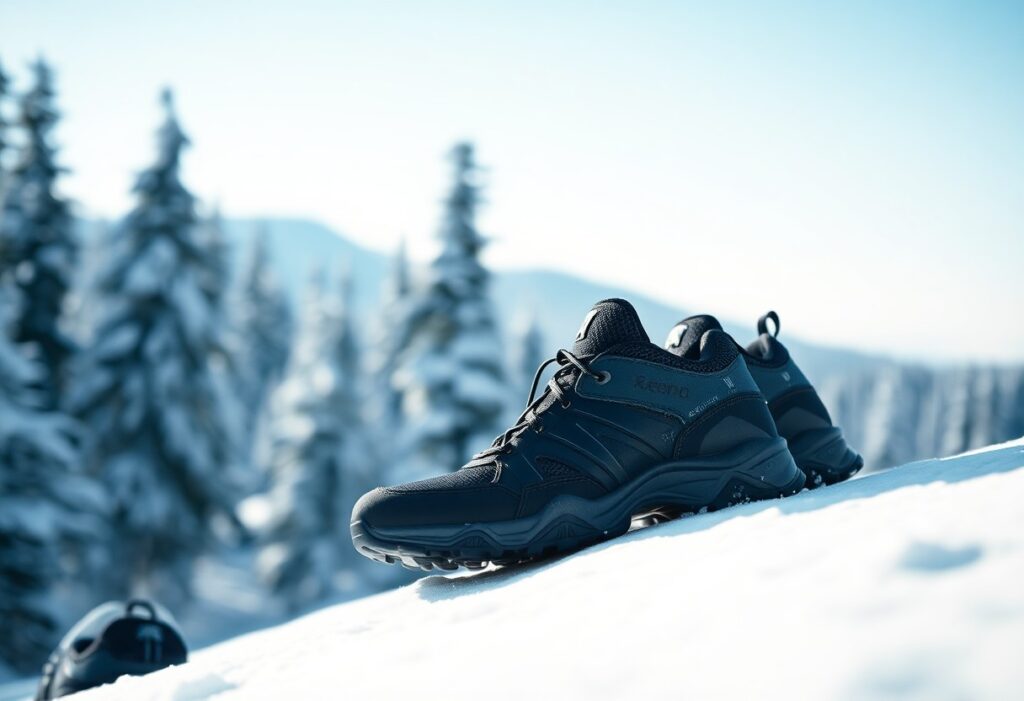
Xero Shoes can work for cold weather trekking, but only when the route, snow depth, and insulation expectations are realistic. For deeper snow, long stops, or wet alpine conditions, a warmer setup is usually the better choice.
If you’re comparing winter options, start with the broader arctic testing results for the cold-limit context, then use this guide to judge trekking-specific fit.
Quick Decision Box
| Trekking condition | Xero setup that makes sense | Main limitation |
|---|---|---|
| Packed snow, moving continuously | Light insulated model, winter-weight socks, optional traction accessory | Not ideal for standing still or repeated stream crossings |
| Mild winter trails, mixed dirt and slush | Flexible low-cut or mid option with a water management plan | Warmth drops fast when pace slows |
| Deep snow, long exposure, or sub-zero stop-and-go use | Usually a winter boot is the safer call; compare with the Denver/Alpine page | Minimal insulation and snow intrusion become the deal-breakers |
| Wet winter trails with slush and meltwater | Pairing a suitable model with waterproofing strategy matters more than the shoe alone | Moisture management is the weak point, not just traction |
Best Fit
Moving hikes on packed snow, cold trail runs that turn into hikes, and fast day routes where you can stay warm by staying active.
Borderline
Snowy routes with frequent pauses, damp forest trails, and trips where you want barefoot feel but still need more warmth than a summer trail shoe gives.
Not The Right Tool
Deep powder, long static breaks, sustained sub-zero exposure, or any trek where wet feet and cold stops are likely.
What Winter Trekking Actually Asks Of A Shoe
Winter trekking is less about marketing claims and more about a few practical variables: how much snow you’ll step into, how long you’ll be outside, how often you stop, and whether the surface is dry, packed, or wet. That is where minimalist shoes either make sense or fail quickly.
A barefoot-style winter shoe gives you low weight, flexible movement, and a closer trail feel. It does not magically create warmth. If you want a deeper comparison of trail-oriented models, the Xero hiking test results page is the better companion read for summer-to-shoulder-season trail use.
The Main Trade-Off: Ground Feel Versus Winter Margin
Xero’s appeal is simple: the shoes stay light, flexible, and natural underfoot. On a winter trail that can be a real advantage when you need balance on uneven crust, quick foot placement on hardpack, and less fatigue over long mileage. The downside is equally simple: once the snow is deep or the wind picks up, less shoe usually means less insulation, less protection from snow entry, and fewer error margins.
That is why the best winter trekking setup is often not “one perfect shoe,” but the right combination of shoe, sock, and route choice. If your route regularly turns wet, the waterproofing guide is worth reading before you buy.
Which Xero Setup Makes Sense For Winter Trekking
Not every Xero model belongs in a winter plan, and that distinction matters. For trekking, the useful question is not “is it a winter shoe?” but “how much cold, snow, and moisture can I realistically handle while moving?”
If your decision is already leaning toward a boot rather than a shoe, the Denver vs. Alpine comparison will help you decide which winter shape fits your trekking style better.
How To Stay Warm Without Giving Up The Barefoot Feel
For trekking, warmth comes from the whole system, not the shoe alone. The shoe controls exposure, but the sock, liner, pace, and stop strategy decide whether your feet stay comfortable once the temperature drops.
A Practical Winter Foot System
- Use merino or quality synthetic socks for warmth and moisture control.
- Size with enough room for winter socks without creating heel slip.
- Keep moving on cold routes; long static breaks are where minimalist footwear gets exposed.
- Consider a thin thermal insole only if it fits without crushing toe space.
- Switch to a warmer boot if the route includes deep snow, slush, or repeated stops.
Socks Matter More Than Most People Think
Merino wool is the safest default for cold trekking because it keeps insulating even when conditions get damp. Synthetic blends dry faster, which can matter on high-output days or if you expect repeated snow contact. Thick socks can help, but they are not a substitute for a shoe that actually suits the route.
If you need a closer look at packing winter footwear for travel and changing conditions, the travel packing guide is a useful next stop.
Water And Cold Are A Worse Combination Than Cold Alone
A dry, cold trail is one thing. A wet, cold trail is where the margin collapses. Once snow melts into slush or stream crossings add moisture, your feet lose heat faster and dry time gets longer. That is why waterproofing strategy deserves its own attention, especially if you expect mixed winter surfaces rather than hardpack only.
For readers who want the most direct prep path, a reasonable sequence is: choose the model, confirm the waterproofing approach, then test the sock setup before committing to a longer hike.
When To Choose Xero Shoes, And When To Move Up To A Boot
This is the decision point that matters most. Xero Shoes are strongest when the trek is active, the snow is manageable, and you want agility more than bulk. They are weaker when the route is cold enough that your feet need help surviving the breaks between movement.
Choose Xero When
- you will keep moving most of the time;
- snow is shallow or packed rather than deep;
- you care about foot feel and lightness;
- you can manage warmth with socks and route choice;
- you want a travel-friendly winter option for mixed use.
Move Up To A Boot When
- the route is snowy enough to bury the shoe;
- you expect long breaks or slow pace;
- the trail is wet, slushy, or wind-exposed;
- you need room for insulation rather than feel;
- the trip is closer to winter hiking than active trekking.
Best Next Step
If your winter route sits on the edge between shoe and boot, compare the winter boot choice directly before you buy. The most useful companion read is the Denver vs. Alpine breakdown, which is better for choosing a cold-weather trekking setup than trying to stretch a summer-weight model too far.
How To Time Your Buy And Test Window
For winter trekking, timing changes the purchase decision more than people expect. Don’t buy the shoe only when the forecast turns ugly. You want enough time to test sock thickness, confirm whether you need waterproofing help, and learn how the shoe behaves on a shorter local route before a bigger cold-weather trip.
Care, Storage, And Why Winter Shortens Shoe Life
Winter is hard on any shoe, and minimalist pairs can show wear quickly if they are soaked, salted, and dried poorly. After a trek, remove debris, dry at room temperature, and avoid aggressive heat. Salt residue matters because it can leave materials brittle or dirty in a way that affects fit over time.
If you already own Xero shoes and are wondering whether to extend their life or retire them, the maintenance decision is the same as the trekking decision: judge the route demands honestly, then match the shoe to the use. A shoe that is fine for a mild winter day may be the wrong tool for deeper snow or repeated wet exposure.
Frequently Asked Questions
Choose The Right Winter Setup Before You Head Out
If your winter route is still in the “maybe” category, compare the trade-offs first instead of guessing on the trail. Start with the winter boot comparison, then use the waterproofing and hiking guides to fine-tune the setup that actually matches your conditions.

Henry Harrington is a passionate author and content creator at My Shoes Finder, where he explores a wide range of topics related to footwear, lifestyle, and personal growth. With a keen eye for detail and a love for storytelling, Henry engages readers by sharing insights, tips, and personal anecdotes that resonate with his audience. His commitment to delivering high-quality content has established him as a trusted voice in the online community, inviting readers to step into new perspectives and discover their unique paths.
See also:
 Xero Shoes Winter Boots Review: Best Picks For Warmth, Waterproofing, And Traction
 Xero Shoes In Extreme Cold: What -40°F Testing Actually Showed
 Xero Shoes Alpine Review: Winter Fit, Comfort, And Versatility
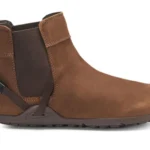 Xero Ridgeway Chelsea Boots: Fit, Features, And Who They’re Best For
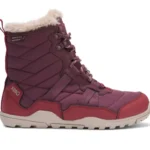 Xero Winter Boot Comparison: Denver Vs Alpine — Which Fits Your Conditions?
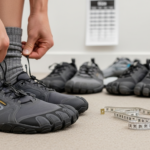 Xero Shoes Sizing For Thick Socks: How Much Room To Leave



I love how you highlight the balance of performance and minimalist design in footwear for winter adventures. It’s fascinating to think about how the trend towards barefoot technology is reshaping our approach to hiking and outdoor activities. I remember my first experience with minimalist shoes during a snowy hike—I was skeptical at first, but the ground feel and flexibility really did enhance my connection to the terrain, even in challenging conditions. It made me realize how important it is to have gear that not only protects but also preserves our natural movement.
It’s interesting how those early experiences with minimalist shoes can shift your perspective on outdoor gear. I remember my first encounter with barefoot technology during a hiking trip that turned unexpectedly icy. Like you, I was a bit unsure at first, but the way the shoes allowed me to feel the subtle changes beneath my feet made a significant difference in my stability and confidence.
I completely relate to your experience. Those moments when you’re out in nature and something unexpected happens can be eye-opening, especially with gear that promotes a more natural form of movement. The feeling of the ground beneath your feet—when you’re hiking or running—offers an entirely different connection to the environment.
I totally get what you mean. There’s something special about those surprises in nature that really shake up your perspective. When you’re fully immersed—feeling the ground beneath your feet, not just gliding along in cushioned shoes—it becomes a different experience entirely. It’s like the world slows down for a moment, and you can really tune into your surroundings.
It’s interesting to consider how essential footwear can be to our overall outdoor experience, especially during winter trekking. Your mention of Xero Shoes’ minimalist design and its incorporation of thermal insulation resonates with me, as I’ve often felt constrained by traditional hiking boots during colder months. The idea of a shoe that maintains a natural foot feel while providing protection against the elements really enhances the trek, allowing for a more connected experience with the environment.
I appreciate your take on winter trekking gear! As someone who loves getting out into the wilderness during colder months, I’ve always struggled with finding the right balance between warmth and that natural barefoot feel. It’s interesting how traditional winter footwear often feels bulky, making it hard to maintain a good connection with the ground.
I found your discussion on Xero Shoes and their approach to winter trekking really compelling. The emphasis on a minimalist design that doesn’t sacrifice performance resonates deeply with me, especially as someone who has been experimenting with barefoot footwear for all types of outdoor activities.
I’m glad you found the discussion on Xero Shoes interesting. The minimalist approach is definitely a game-changer for those of us who value natural movement. I’ve noticed that when I wear barefoot shoes, my feet feel more connected to the terrain, which can make a big difference in confidence when trekking.
I’ve always found winter hiking to be a bit of a battle—balancing the need for warmth while also not feeling like I’m wearing bulky, cumbersome boots. The way you describe Xero Shoes really resonates with my experiences. I can relate to that feeling of needing gear that adapts when the weather decides to throw a curveball. It’s refreshing to see a brand focusing on minimalist design while still addressing warmth and protection.
Reading through your blog post, I was reminded of the profound connection we develop with our environment, especially during the transformative winter months. As someone who has always been captivated by the beauty of snowy landscapes, I appreciate your focus on the importance of footwear that truly complements the experience of winter trekking. I’ve often found that the appropriate gear can not only enhance our physical comfort but also elevate our emotional and spiritual connection to nature during these enchanting yet challenging times.
You’ve captured such a beautiful sentiment about our relationship with the environment, especially in winter. There’s something truly magical about snow-covered landscapes; they almost feel like a different world altogether. I think you’re spot-on regarding the role of appropriate gear. It’s fascinating how something as simple as the right footwear can shift our experience from discomfort to joy.
You’ve captured something essential in your reflection on winter trekking. The connection we forge with our surroundings during winter isn’t just about the scenes we take in; it’s about how we interact with those scenes. Footwear plays a pivotal role—it’s the first layer between us and the world, influencing how we experience each crunch of snow and each gust of wind.
Your insights on the importance of minimalist footwear for winter trekking really resonate with me. I’ve always struggled to find the right balance between warmth and mobility during my hikes. The concept of Xero Shoes providing a thermal sleeping bag feel while maintaining the barefoot experience is intriguing. It makes me think about how our footwear choices can significantly influence our connection to nature, allowing for a more authentic and grounded experience on the trails.
Your exploration of winter footwear through the lens of Xero Shoes’ minimalist design and innovative technology really resonates with me. As someone who has transitioned to barefoot footwear for all activities, I’ve found that the importance of natural foot mechanics cannot be understated, particularly in challenging environments like winter trails.
I genuinely appreciate your insights into the intersection of minimalist design and performance, especially when it comes to winter trekking. I’ve had my fair share of adventures each winter, from snowshoeing in the mountains to navigating icy trails, and I can certainly attest to the challenges that come with finding the right footwear.
Your exploration of the balance between minimalist design and extreme performance in winter footwear really resonates with me. As someone who enjoys winter hiking, I often find traditional footwear either too clunky or not insulated enough to keep my feet comfortable during long treks. The idea of a shoe that feels like a “thermal sleeping bag” is quite appealing!
It’s interesting to see the focus on minimalist design in winter footwear, especially considering how traditional hiking gear often prioritizes insulation and bulk over functionality and foot health. I’ve been experimenting with barefoot shoes for almost a year now, and while the concept offers remarkable flexibility and a natural feel, I often find myself questioning how much protection they truly provide, particularly in harsh winter conditions.
You raise some valid points about the balance between minimalism and protection, especially during winter hikes. The shift toward minimalist design in winter footwear certainly challenges the traditional norms of bulky, insulated gear. I find it fascinating how barefoot shoes promote natural movement, but you’re right to consider the protection they offer against the elements.
You’ve captured that balance perfectly. The minimalist trend in winter footwear is definitely intriguing—it pushes us to rethink the way we approach outdoor activities. I’ve started experimenting with a few different models myself, and it’s interesting how the lighter design can impact not only agility, but also how we connect with the terrain.
I totally get where you’re coming from; I recently read an insightful review on winter boots that balances warmth and protection while embracing that minimalist approach, which could really add to our conversation.
‘Xero Shoes Winter Boots Review: Best Picks For Warmth, Waterproofing, And Traction’
https://myshoesfinder.com/xero-shoes-winter-boots-stylish-comfort-for-every-season/.
You bring up a valid point about the dichotomy between minimalist designs and traditional hiking gear. Winter conditions present unique challenges where insulation and protection often take precedence over weight and flexibility. Your experience with barefoot shoes mirrors a growing trend that balances the desire for a natural feel against the necessity for adequate protection, especially when faced with elements like snow and ice.
You make an interesting observation about the balance between minimalist designs and traditional hiking gear, especially in the context of winter conditions. It’s true—when the temperature drops, it’s hard to ignore the need for effective insulation and protection. I’ve found that it can feel like a tug-of-war between wanting to feel nimble and connected to the ground and needing that extra layer of security against the cold.
You’ve captured the essence of that balance really well. The winter conditions can be unforgiving, and it often feels like a trade-off between staying warm and having the freedom to move naturally. My experience with barefoot shoes has definitely made me appreciate that nuanced approach. They feel incredible for connecting with the terrain, but I find myself reaching for something heavier on really cold days or when the snow is deep.
I’m really intrigued by the concept of minimalist footwear for winter exploration. It sounds like Xero Shoes really hit the mark with that blend of thermal insulation and ground feel, which is often a tough balance to strike. I’ve been experimenting with barefoot shoes for my summer hiking, and I’ve noticed a big shift in my foot strength and overall comfort on longer trails.
It’s great to hear you’re exploring barefoot shoes for your summer hiking. The shift in foot strength and comfort can really change how you experience the outdoors. When it comes to minimalist footwear for winter, it’s definitely a unique challenge to combine warmth with that natural ground feel.