
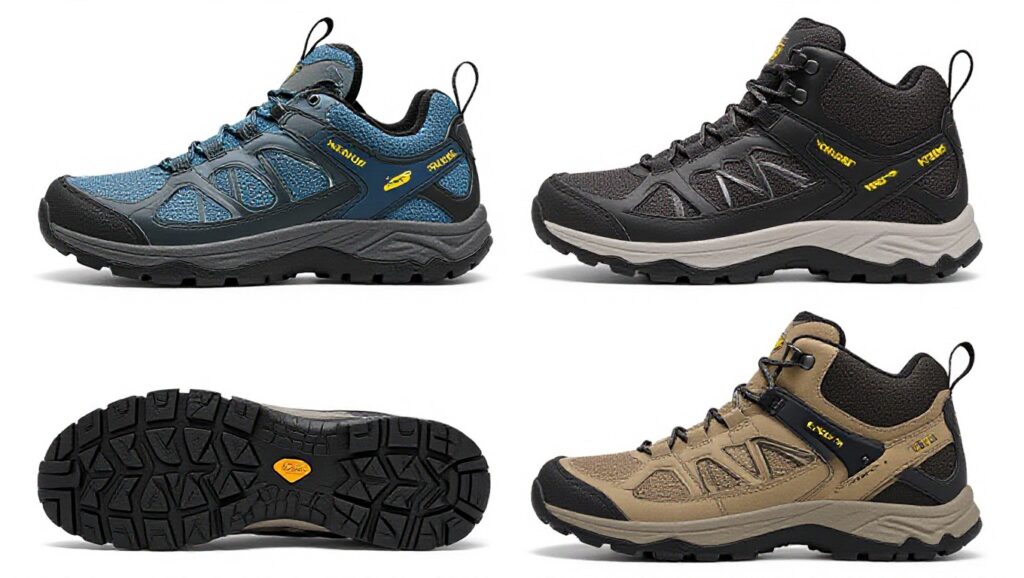
If you want the lighter, more breathable option, the Daylite Hiker is the easier pick. If your hikes lean rocky, technical, or uneven, the Scrambler Mid offers the extra support and protection many hikers want.
Quick decision
- Choose Daylite Hiker for warm-weather hikes, lighter packs, and a more flexible feel.
- Choose Scrambler Mid for rough terrain, more ankle coverage, and a sturdier trail feel.
- Need Broader Xero Guidance First? Start with our broader Xero buying guide or the hiking test results guide if you want the wider trail picture.
At A Glance: Which One Fits Your Hike?
| Category | Daylite Hiker | Scrambler Mid |
|---|---|---|
| Best for | Easy trails, day hikes, warm weather, lighter loads | Rocky trails, technical terrain, more demanding hikes |
| Feel underfoot | More flexible and agile | More structured and secure |
| Support | Lower-cut, lighter support profile | Higher cut with more ankle coverage |
| Breathability | Better airflow in warm conditions | Less airy, but more protective |
| Traction focus | Good for general trail use | Better fit for slippery, rough, or technical ground |
| Fit style | More forgiving for many feet, especially for casual hikes | Can feel more snug; fit matters more because of the mid-cut structure |
That tradeoff is the heart of the comparison. The Daylite Hiker is the better all-around minimalist hiking shoe if you value breathability and low fatigue, while the Scrambler Mid is the stronger choice when trail security matters more than a feather-light feel. If fit is the part you worry about most, this Xero fit guide and size guide will help you narrow the right size before you buy.
Choose Daylite Hiker if…
You want lighter footwear for day hikes, summer conditions, and casual trail use. It suits hikers who prefer a more natural, flexible ride and do not need as much structure around the ankle.
Choose Scrambler Mid if…
You hike rougher routes, want more ankle coverage, or expect loose rock, uneven footing, and more unpredictable terrain. It is the more confidence-inspiring pick for tougher trails.

What Actually Differs In Use, Not Just In Specs?
The simplest way to separate these two models is by the kind of hike you are planning. The Daylite Hiker behaves like the easier shoe to live with: it is lighter, breathes better, and feels more relaxed when you are moving quickly on moderate trails. The Scrambler Mid is built for control and confidence. Its higher cut and sturdier trail profile make it more suitable when your route includes rocks, roots, uneven grades, or wet sections where extra security matters.
For hikers who are new to minimalist footwear, that difference matters even more. A lighter, more flexible shoe can feel easier during the transition because it does less of the work for your foot. A more structured mid-cut boot can still be a great minimalist choice, but it asks a bit more from the wearer and usually rewards someone who already knows they like a firmer trail feel.
Comfort, Fit, And Transition Experience
Comfort is not the same thing as softness. In this comparison, comfort comes from matching the shoe to the hike. The Daylite Hiker is usually the easier shoe for all-day wear because the lighter build reduces fatigue and the breathable upper helps in warm conditions. The Scrambler Mid can feel more protective, but that structure also means the fit may feel a little more deliberate. If your feet swell during long hikes or you wear thicker hiking socks, the Daylite Hiker may be easier to size into comfortably.
On the other hand, if you dislike unstable-feeling footwear on technical ground, the Scrambler Mid may be the more reassuring option. The extra coverage around the ankle can help many hikers feel planted without turning the shoe into a stiff traditional boot. That balance is what makes it appealing to hikers who want minimalist ground connection but still want a little more trail armor.
Materials And Weather Use
The Daylite Hiker uses lighter, more breathable construction, which is a clear advantage in dry or warm weather. When ventilation is a top priority, that matters more than extra protection. The Scrambler Mid mixes synthetic materials with a more weather-ready upper, giving it the edge when the trail is damp, the ground is rough, or the hike is long enough that your footwear needs to do more than simply stay cool.
Neither shoe should be treated as a substitute for a heavy waterproof boot if you routinely hike in very wet conditions, but within this pair, the Scrambler Mid is the better “serious trail” choice and the Daylite Hiker is the better “move fast and stay light” choice. That difference is the most useful lens for shopping, because it keeps you focused on the terrain you actually face rather than on broad barefoot-shoe theory.
Weight, Packability, And Fatigue Over Distance
Weight is one of the most practical differences between these models. The Daylite Hiker is the easier shoe to forget about on foot and in a pack. That can make a real difference on day hikes, travel use, and outings where you want one pair that can handle walking before and after the trail. It is also the better choice if you are trying to keep your overall load down.
The Scrambler Mid carries more material and structure, which makes it a little heavier. That extra mass is not wasted, though. It buys the kind of stability and protection that can matter on longer or more technical hikes. If your priority is confidence over speed, the added weight is easier to justify.
Pricing And Value
The pricing difference reinforces the same story. The Daylite Hiker generally sits in the lower price band, which makes it easier to recommend to hikers who want a good minimalist trail shoe without paying for extra structure they may never use. The Scrambler Mid costs more, but the price gap reflects the more trail-focused construction and higher-support feel.
| Model | Typical price range | Value argument |
|---|---|---|
| Daylite Hiker | $95–$120 | Better value for lighter trail use and warm-weather comfort |
| Scrambler Mid | $130–$160 | Worth it if you need more support, grip, and trail protection |
If you are shopping mostly on value, the Daylite Hiker is the easier buy. If you are shopping on use-case, the Scrambler Mid can be the smarter investment because the features line up more closely with demanding terrain. For a wider view of how these models compare to other Xero options, the main Xero buying guide is the right next step after you decide which hiking profile you fit.
Sizing Tips Before You Order
A good comparison can still lead to a bad purchase if the fit is off. The Daylite Hiker is generally the more forgiving of the two, though hikers with wider feet may still want to pay attention to toe room and sock thickness. The Scrambler Mid has a more structured feel and can seem tighter because of the higher cut, so fit checks matter more there.
- Measure your feet at the end of the day when they are slightly larger.
- Wear the socks you actually hike in when you test sizing.
- Look for secure heel hold without squeezing the forefoot.
- Consider half a size up if you want more room for swelling or thicker socks.
If your main concern is finding the right dimensions rather than choosing a model, this measuring guide is the most practical companion piece, and it works especially well before buying either of these shoes.
Verdict: Which One Should You Buy?
Buy The Daylite Hiker if you want the lighter, more breathable, more versatile option for easy-to-moderate hikes and warm conditions.
Buy The Scrambler Mid if your priority is security on rough terrain, more ankle coverage, and a shoe that feels better when the trail gets technical.
In other words, the Daylite Hiker wins on comfort-through-lightness, while the Scrambler Mid wins on confidence-through-structure. That makes the comparison straightforward: pick the model that matches your terrain first, then refine by fit and price. If you are still cross-shopping other Xero trail options, the Scrambler Low review is a useful middle-ground read before you commit to the mid-cut boot.
Need the broader Xero context first?
If you are comparing this pair against the rest of the brand rather than just choosing between the two, the hiking test results guide and best Xero shoes guide give you the wider context without losing the trail focus.
Common Questions
If you want the shortest answer: buy the Daylite Hiker for comfort, breathability, and lighter trail use; buy the Scrambler Mid for support, protection, and rougher terrain. That is the cleanest way to separate the two without overthinking the comparison.

Oliver Prescott is a dedicated author and content creator at My Shoes Finder, where he explores a diverse range of topics focusing on lifestyle, fashion, and personal development. With a keen eye for detail and a passion for storytelling, he connects with readers by providing insightful and engaging content. Oliver’s writing aims to inspire and inform, making complex ideas accessible and relatable to a broad audience. When he’s not writing, he enjoys exploring new shoe trends and sharing his findings with fellow enthusiasts.
See also:
 Xero Shoes Scrambler Low EV Review: The Lightweight Trail Shoe I’d Reach for Beyond the Hike
 Scrambler Trail Mid WP – Waterproof Hiking Boot
 Scrambler Mid II – Ultra-Light Hiker With Michelin Fiberlite Sole
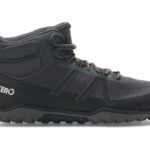 Scrambler Trail Mid – Lightweight Barefoot Hiker
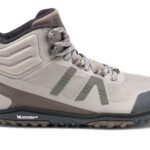 Ultra-Light Hiker Scrambler Mid II with Michelin Fiberlite Sole
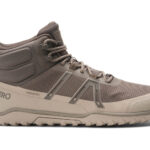 Scrambler Trail Mid WP – Waterproof Hiking Boot


Ah, barefoot shoes for hiking—what a delightful paradox! Here we are, adventurously trotting through untamed nature, all while somehow channeling our inner caveman (or cavewoman) by shedding those heavy, traditional soles. I’ve dabbled in barefoot hiking myself, and let me tell you, it’s a journey that goes beyond just slipping on a pair of funky-looking shoes.
Your exploration of the Xero Shoes Daylite Hiker and Scrambler Mid prompts some interesting reflections on the broader implications of barefoot footwear in hiking and outdoor activities. It’s intriguing to consider the shift towards more natural foot movement and the growing acceptance of minimalist footwear among outdoor enthusiasts. As you pointed out, barefoot shoes promote a more natural gait, which certainly seems beneficial for those who spend extended periods on rugged terrain.
It’s interesting to see the focus on barefoot shoes for hiking, as they can certainly alter the traditional outdoor experience. I’ve noticed that as hikers become more aware of their foot mechanics, there’s a growing trend towards minimalist footwear. Personally, I’ve found that transitioning to barefoot shoes has significantly improved my balance and stability on rocky terrain.
I really appreciate how you’ve broken down the importance of barefoot shoes for hiking enthusiasts. I’ve been hiking for years, and after switching to minimalist footwear, I noticed a significant change in my overall foot strength and how I tackle uneven terrain. The Daylite Hiker’s flexibility is something I’ve come to love—it’s like being more in tune with the trail beneath me.
It’s great to hear about your experience with minimalist footwear and the positive changes you’ve felt. The connection between our feet and the ground can be remarkably intuitive, especially when we shed the bulkier shoes. The flexibility of shoes like the Daylite Hiker does make a difference, allowing more natural movement and increasing our awareness of the terrain.
Thank you for this thoughtfully curated guide on Xero Shoes and the benefits of barefoot hiking footwear. The discussion around barefoot shoes is particularly relevant as more outdoor enthusiasts seek to connect with nature not only in terms of scenery but also through the gear they choose. I find it fascinating how the shift towards minimalist footwear mirrors a broader movement in wellness that prioritizes natural body mechanics and holistic approaches to health.
It’s interesting to think about how our choice in footwear can really reflect those deeper connections we seek with nature and our own bodies. The shift towards minimalist footwear certainly aligns with that broader wellness movement you mentioned, and it raises some intriguing questions about how we interact with our environments.
I truly appreciate the depth of your exploration into the world of barefoot shoes, particularly the Xero Shoes models. As a hiking enthusiast myself, I’ve been on a quest to find footwear that not only supports my adventures but also aligns with my philosophy of connecting with nature. The emphasis on promoting natural foot movement and reducing injury risk resonates with my own experiences—I’ve noticed that since I made the switch to more minimalist footwear, my foot strength and overall balance have improved significantly.
I loved reading your guide on Xero Shoes! As someone who has recently transitioned to barefoot hiking footwear, I can really appreciate the detailed analysis you provided. The shift from traditional shoes to barefoot models has been quite a journey for me. When I first tried out a pair of lightweight minimalist shoes, I was surprised by how much more connected I felt to the terrain. It almost felt like my feet were able to ‘talk’ to the ground beneath me.
It’s really interesting to hear about your transition to barefoot hiking footwear! I completely relate to that feeling of connection with the ground. It’s a bit like rediscovering a sense of freedom with each step, isn’t it? I remember when I first tried minimalist shoes; it felt like I was walking with a new awareness of the different surfaces beneath my feet.
I’ve found your exploration of Xero Shoes to be incredibly insightful, especially as a hiking enthusiast myself. The topic of barefoot shoes is quite fascinating, as they truly embody the philosophy of allowing our feet to mimic natural movement. I can personally attest to how switching to more minimalist footwear has transformed my hiking experiences.
This guide on Xero Shoes provides a valuable perspective on barefoot footwear options for hiking. I appreciate the emphasis on how these shoes can enhance ground feel and promote a natural gait. As someone who has transitioned to minimalist footwear for outdoor activities, I’ve noticed significant improvements in my foot strength and overall stability during hikes.
This post raises some intriguing points about the benefits of barefoot shoes for hiking. As someone who has dabbled in various hiking footwear styles, I’ve noticed the profound impact that ground feel can have on performance and enjoyment during long treks. The Xero Shoes Daylite Hiker, with its lightweight design, certainly seems appealing for those looking to strike a balance between protection and the barefoot experience.
It’s fascinating to see a dedicated guide on barefoot shoes, particularly for hiking enthusiasts. The emphasis on natural foot movement resonates with my personal experience. I’ve transitioned to barefoot footwear for my outdoor activities, and the enhanced ground feel has truly transformed my hiking experiences. It’s remarkable how our bodies adapt to the terrain when we allow for a more natural gait.
Ah, the age-old debate of barefoot versus traditional hiking shoes—a topic close to my soles! I recently tried hiking in barefoot shoes for the first time, and I must say, it felt like my feet had entered a whole new realm of freedom. No more clunky boots weighing me down like a pack of rabid raccoons!
I really appreciated your in-depth comparison of the Xero Shoes models! As someone who enjoys hiking but has recently started to pay more attention to what footwear I’m using, this guide is timely and super informative.
I’m glad to hear that the comparison was helpful for you! Finding the right footwear can definitely make a big difference, especially with something as adventurous as hiking.
I’m glad you found the comparison helpful! Choosing the right footwear really can have a significant impact on your hiking experience. It’s fascinating how the right shoe can enhance comfort and performance, especially over long distances. I’ve been really mindful about my own footwear choices lately, too. I used to overlook that aspect, but since I’ve switched to more minimal shoes, I’ve noticed a real difference in my stability and balance on tricky terrains.
This guide offers an insightful exploration into the benefits of barefoot shoes for hiking enthusiasts. I have personally transitioned to barefoot footwear after years of traditional hiking boots, and the difference has been striking. The enhanced ground feel truly alters your connection with the trail, allowing for a more intuitive and responsive hiking experience.
Your exploration of barefoot shoes, particularly Xero Shoes, resonates deeply with my own journey in outdoor adventures. Hiking is not just a pastime for many of us; it’s a transformative experience that connects us with nature, fosters a sense of freedom, and strengthens our physical capabilities. The choice of footwear, I found, can significantly shape that experience, both positively and negatively.
Your exploration into the realm of barefoot shoes, particularly the Xero Shoes Daylite Hiker and Scrambler Mid, is such a timely and relevant topic, especially as more outdoor enthusiasts are looking to better connect with nature while minimizing injury. Reflecting on my own hiking journeys, I can attest to the transformative impact that the right footwear can have on the experience.
It’s interesting to hear about your experiences with the right footwear while hiking. There really is something profound about how our connection to nature can shift when our gear is more aligned with our bodies and how we move. I find that choosing shoes like the Xero Shoes Daylite Hiker and Scrambler Mid becomes a personal journey, not just about physical comfort but also about how it enhances our awareness of the terrain and the environment around us.
Oh, the joy of wandering through the great outdoors with nothing but the ground beneath your feet (well, apart from your trusty minimalist footwear, of course)! As a self-proclaimed aficionado of all things barefoot hiking, I find myself chuckling at the idea of lugging around heavy hiking boots, which seem more suited for a swift exit from a bear encounter than a pleasant stroll through nature.
I love the idea of barefoot shoes for hiking—who knew that the secret to a great hike was just about feeling the ground beneath your feet? It’s like walking on nature’s very own welcome mat! I’ve often wondered if my hiking partners thought I was a little too obsessed with ground feel, but hey, if they can bond over their fancy high-tech gear, I can bond over feeling like a woodland elf, right?
I appreciate your in-depth comparison of the Xero Shoes models. As someone who has spent countless hours on trails, I’ve found that the right footwear can significantly influence the overall hiking experience. Transitioning to barefoot shoes has transformed my adventures, allowing for a more connected feeling with the terrain.
I appreciate this deep dive into Xero Shoes, particularly the Daylite Hiker and Scrambler Mid. As someone who’s transitioned to barefoot hiking shoes over the past year, I can attest to the difference they make in terms of ground feel and overall foot strength. Initially, I was skeptical about giving up the cushioned support of traditional hiking boots, but I found that with the right barefoot shoes, my stability on uneven terrain improved significantly.
I really enjoyed reading your comparison of the Xero Shoes Daylite Hiker and Scrambler Mid. It’s fascinating how the surge in popularity for barefoot shoes is not just a trend but seems to be reshaping the way many of us approach outdoor activities. I remember when I first made the switch to barefoot-style footwear a couple of years ago—I was a bit skeptical, to be honest. I had always been a fan of cushioned hiking boots, thinking they were essential for comfort and support. However, after a few months of consistently wearing lightweight minimalist shoes, I noticed a significant improvement in my foot strength and overall stability on uneven terrain.
It’s really interesting to see a dedicated guide on barefoot hiking footwear! As someone who has been exploring the world of minimalist shoes, I can definitely vouch for the benefits they offer, especially when it comes to hiking. I’ve always felt that being close to the ground gives me a much better sense of balance and stability on uneven terrain.
Your exploration of barefoot shoes for hiking brings to light such an important aspect of outdoor adventures. I’ve always valued how our feet connect us to the earth, and barefoot shoes really do enhance that connection. I’ve been using a pair of Xero Shoes for my hikes, and I’ve noticed a significant difference in my stability and dexterity on rocky terrains.
It’s intriguing to see a detailed comparison of Xero Shoes, especially within the context of barefoot hiking footwear. The exploration of how these shoes can significantly enhance the hiking experience resonates with many outdoor enthusiasts. As someone who has transitioned to barefoot-style shoes for hiking, I’ve experienced firsthand the benefits described in your post.
I really appreciate how you’ve broken down the differences between the Xero Shoes Daylite Hiker and the Scrambler Mid. I’ve been on the lookout for the right pair of bare-foot shoes ever since I started hiking regularly, and hearing about their performance and features really helps clarify my options. It’s amazing how much our footwear can impact our experience in the great outdoors—last summer, I switched to a pair of minimalist shoes, and I couldn’t believe how much easier it was to feel connected to the ground.
It’s interesting to see the distinctions you’ve drawn between the Daylite Hiker and the Scrambler Mid. Your guidance is particularly useful for those of us who might find ourselves at a crossroads when choosing the right footwear for our hiking adventures.
Your distinctions between the Daylite Hiker and the Scrambler Mid are nuanced and resonate deeply with the preferences many hikers develop over time. As someone who has perched on that fine line between casual hikes and more demanding treks, it’s intriguing to see how specific needs can drive the choice of footwear.
I really appreciate how you’ve laid out the distinctions between the Daylite Hiker and the Scrambler Mid; it’s always refreshing to see such clear comparisons. I’ve personally experienced the nuances of choosing the right footwear for different hiking scenarios, and your insights resonate quite a bit with my own experiences.