
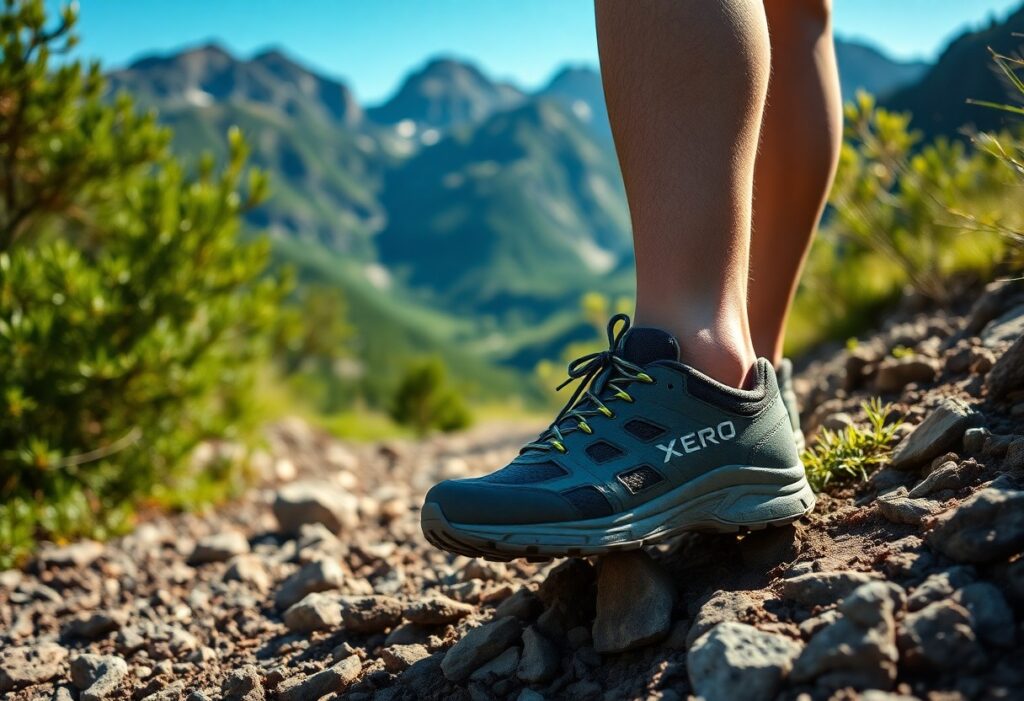
Xero hiking shoes are best for hikers who want a lighter, more flexible feel on well-chosen trails rather than the bulk and stiffness of a traditional boot. In our 2025 trail tests, the strongest models handled mixed dirt, moderate rock, and fast-moving day hikes well, while the most minimal options asked more from your feet on long descents, wet stone, and heavy pack days.
Verdict at a glance
If you want a barefoot-style hiking shoe for regular trails, Xero makes a credible case—especially the Mesa Trail and Terraflex. If you need maximum ankle structure, deep cushioning, or reliable winter protection, you’ll likely want a different category of shoe.
Best for
- Day hikes and fastpacking
- Hikers who want a wide toe box
- Trail users prioritizing light weight
For sizing help before you buy, use our Xero fit guide so you do not mistake barefoot-style room for a loose fit.
Quick comparison for hikers
| Model | Best terrain | Weather fit | Protection feel | Trail durability |
|---|---|---|---|---|
| Mesa Trail | Fast hikes, mixed dirt, moderate rock | Best in dry to mildly damp conditions | Light to moderate | Strong for its weight class |
| Denver Wp | Cold, wet, shoulder-season hikes | Best when water resistance matters | More protective than the lightest models | Good, especially in wet use |
| Terraflex | All-terrain hiking and longer miles | Reliable across variable conditions | Balanced ground feel and coverage | One of the safer long-haul picks |
| Z-Trail | Warm-weather walking, light trails, travel | Dry, hot, and packable use | Minimal | Depends heavily on terrain |
What The 2025 Trail Test Actually Showed
The biggest takeaway from testing Xero hiking shoes is that they reward the right kind of hiker. They feel responsive, low to the ground, and easy to move in, which is a real advantage on steady trails where you want less bulk and more ground feedback. That same feel becomes a tradeoff on rugged routes, especially if you are new to minimal footwear or carrying a heavier pack.
That is why this review is not trying to sell Xero as a universal hiking solution. It is more useful to treat the brand as a specialist option: excellent for hikers who value flexibility, a wide forefoot, and lightweight packing, but not the first pick for anyone who wants a boot-like platform. If you are also comparing trail use with everyday wear or travel, our travel-focused Xero guide is a useful companion read because the same lightweight strengths show up in both use cases.
Traction
The chevron-style outsole gives solid bite on dirt, gravel, and most dry rock. It is good enough for many hikers, but it is not a substitute for aggressive boot lugs on slick mud or technical alpine terrain.
Ground feel
This is where Xero stands out. You feel the trail more directly, which helps with foot placement and quick adjustments, but also means you need better technique and more attention on rough terrain.
Protection
Protection is modest rather than plush. That works for many day hikes, but hikers who prefer a padded barrier underfoot will want more cushion than these models give.
Fit shape
The wide toe box is one of the brand’s biggest hiking benefits. Toe splay helps stability and comfort, but the shoe still needs to lock down the heel and midfoot correctly.
How Each Model Fits A Hiking Plan
Model choice matters more with Xero than with a typical cushioned hiker because the differences show up quickly on trail. The Mesa Trail is the most obvious starting point for many buyers: it is light, quick, and comfortable enough for day hiking while still feeling like a real trail shoe. In our testing, it handled mixed dirt and frequent stop-and-go movement better than expected, but it still felt like a lightweight specialist rather than a do-everything shoe.
The TerraFlex is the stronger option if you want a more committed hiking shoe. It gives you a little more confidence when the trail gets uneven, and it is the model most likely to suit hikers who want one shoe for a broader range of conditions. If your hiking tends to be longer, rougher, or less predictable, the TerraFlex is the safer recommendation inside the Xero lineup.
The Denver WP is the cold- and wet-weather outlier. It makes more sense when you know you’ll be dealing with soaked ground, shoulder-season slush, or a day where weather resistance matters more than maximum breathability. For people who hike in cooler regions, that distinction is important, and it is why the Denver WP connects naturally with our cold-weather trail test rather than with general casual wear advice.
The Z-Trail belongs in a different part of the decision tree. It is not the first model I would recommend for rough hiking, but it is appealing for warm-weather travel, easy trail walks, and lightweight packability. Hikers who split time between trails and trips may prefer it when they want something that disappears in a bag and feels cooler than a closed shoe.
Durability Over Time: What Held Up And What Wore Fastest
Durability is the part of the conversation that separates a fun barefoot hiking shoe from a practical one. Xero’s lighter models can last well if you use them on the terrain they were built for, but they do not pretend to be heavy-duty boots. The upper and outsole can handle regular hiking use, yet abrasion rises quickly when you spend too much time on sharp rock, steep scree, or routes that demand repeated toe scuffing.
In the 500-mile style of wear testing this kind of shoe invites, the strongest signs of longevity came from steady stitching, manageable outsole wear, and a shape that stayed true rather than collapsing into a sloppy fit. That does not mean the shoes look new at the end of the test. It means they remain usable and predictable, which is what matters most for hiking. If you want a deeper breakdown of lifespan and repair patterns, our durability and longevity guide goes further into the wear patterns that show up after regular miles.
The clearest wear issue is that these shoes ask you to be honest about where you use them. A flexible sole can be a strength on rolling terrain and a weakness on repeated sharp contact. That is why hikers who mostly stick to maintained trails often get the best value, while those who frequently scramble over rock gardens or carry heavier packs may burn through the lower-profile models faster than expected. The upside is that Xero’s shape tends to stay comfortable longer than many narrow trail shoes because the toe box does not pinch the foot into a stressed position.
Best hiking scenarios for Xero shoes
- Fast day hikes on mixed but maintained trails
- Hikers who want a wide toe box and low shoe weight
- Travelers who want one shoe that can do trails and casual walking
- Experienced barefoot users who already know their foot and calf tolerance
Fit, Comfort, And The Learning Curve
Fit is one of the main reasons people either love or abandon Xero hiking shoes. The toe box is generous, which is good for splay and swelling, but the rest of the shoe still needs to be sized correctly so the foot does not slide around on descents. That is especially important if you hike with a light pack and a brisk stride, because any extra movement in the shoe becomes noticeable quickly. If you are unsure about your size or width, check the perfect sizing guide before ordering.
The comfort story is also tied to adaptation. A minimalist hiking shoe rarely feels strange because it is poorly built; it feels strange because your body may not be used to it yet. Calves, arches, and smaller stabilizing muscles often need time to adjust. That is not a flaw unique to Xero. It is part of moving from a cushioned, structured shoe toward a lighter design that lets the foot work more actively.
For most hikers, the safest approach is simple: start with shorter outings, pick forgiving terrain, and avoid the temptation to jump straight into steep routes or heavy pack days. The more technical the trail, the more your technique matters. In other words, Xero hiking shoes can feel excellent when the hike matches the shoe, but the same shoe can feel unforgiving when the hike demands more than your feet are ready to give.
Weather, Season, And When To Choose A Different Shoe
Weather changes the buying decision more than many shoppers expect. On warm, dry days, the lighter Xero shoes breathe well and feel efficient. In damp weather they can still work, but you will want to think carefully about whether you value water resistance, drying speed, or maximum trail feel. Once temperatures fall, the calculation shifts again because minimalist hiking shoes usually lose their advantage if cold, wet ground is a regular part of your route.
| Condition | Best Xero pick | Why it fits |
|---|---|---|
| Hot, dry trails | Z-Trail or Mesa Trail | Lightweight feel and better ventilation |
| Wet shoulder-season hikes | Denver Wp | More moisture protection and better cold comfort |
| Longer mixed-terrain days | Terraflex | Balanced protection without losing Xero’s flexible feel |
| Travel plus short hikes | Z-Trail | Easy to pack, easy to wear, and not overbuilt |
If you are deciding between trail shoe use and cold-weather hiking, the temperature question matters enough to deserve a separate read. The arctic test report is the better place to start for winter-minded buyers, because it shows where the minimalist format starts to give up comfort and traction confidence.
How Xero Compares With The Kind Of Boot Most Hikers Expect
The main reason people search for Xero hiking shoes is usually not that they want a boot replacement in the classic sense. They want less weight, less foot restriction, and a more natural trail feel. That makes Xero a strong option for hikers who know they perform better in flexible footwear. It is weaker for buyers who equate comfort with plush midsoles, ankle height, and immediate underfoot cushioning.
Compared with traditional hiking boots, Xero’s advantages are easy to understand: less fatigue from weight, easier packing, more room in the forefoot, and a clearer feel for trail surfaces. The tradeoff is just as clear: less structure, less insulation, and less forgiveness when terrain or body mechanics become messy. If you need a shoe for technical terrain, the more conventional hiking category still has a purpose.
That is also why the best Xero buyer is often a specific type of hiker rather than a generic one. The brand fits experienced trail users, barefoot converts, and lightweight backpackers better than it fits people who want an all-purpose mountaineering look. It also appeals to hikers who like to move quickly and pack light, which is why the line overlaps so naturally with travel use and with shoes that work beyond the trail.
Where to go next if you’re close to buying
If you already know you want the hiking line, choose your model first, then confirm fit and conditions. That sequence prevents most bad purchases.
- Check sizing and width before ordering.
- Review longevity expectations if you hike often or on rough ground.
- Look at Scrambler Low if you want a crossover shoe for hiking and daily use.
Bottom Line For Hikers
Xero hiking shoes make sense when the trail, the climate, and your feet are all aligned with minimalist footwear. They are light, nimble, and comfortable in a way that can make hiking feel more immediate and less cumbersome. They also demand better judgment than a heavily cushioned hiker, especially on technical ground or in cold, wet weather.
For most buyers, the safest recommendation is simple: choose the Mesa Trail if you want a light daily trail shoe, the TerraFlex if you want broader hiking versatility, and the Denver WP if wet or cold conditions are part of your regular season. If you are mostly traveling, walking easy paths, or need one shoe that packs well, the Z-Trail belongs in the conversation too.
If your main goal is a true hiking shoe that feels close to the ground without losing all structure, Xero is a legitimate option. If you need maximum protection, try a more traditional trail or hiking boot instead.
Common Hiking Questions
Can You Hike In Xero Shoes?
Yes—especially on maintained trails, moderate terrain, and hikes where lightweight movement matters more than maximum cushioning. The fit and the model matter, though, because not every Xero style is built for the same trail conditions.
Are Xero Shoes Good For Hiking?
They are good for hikers who want a minimal, flexible trail shoe and who are willing to adapt their technique. They are not the best choice for everyone, particularly if you want heavy cushioning, lots of ankle support, or winter-ready insulation.
What Are The Downsides Of Barefoot Shoes For Hiking?
The downsides are mostly about protection and adaptation: less underfoot cushion, less structure, and more demand on your feet and calves. On rough terrain, that can be tiring if you are not already used to minimal footwear.
Which Xero Shoe Is Best For Hiking?
For most hikers, the TerraFlex is the safest all-around pick, the Mesa Trail is the lightest easy recommendation, and the Denver WP is the weather-specific choice when wet or cold conditions matter most.

Natalie Harper is a versatile author and content creator at My Shoes Finder, where she explores a wide range of general topics that resonate with diverse audiences. With a passion for storytelling and a keen eye for detail, Natalie crafts engaging articles that provide valuable insights and inspire readers. Her commitment to quality and relatability makes her work a trusted resource for those seeking both information and inspiration in their daily lives.
See also:
 Xero Shoes For Cold Weather Trekking: What Works, What Doesn’t, And When To Upgrade
 Xero Shoes In Extreme Cold: What -40°F Testing Actually Showed
 Xero Shoes For Summer Travel And Hot-Weather Adventures
 Xero Shoes Winter Boots Review: Best Picks For Warmth, Waterproofing, And Traction
 Are Barefoot Shoes Good For Wet Hiking? What Works, What Fails, And When To Avoid Them
 Barefoot Shoes For Climbing And Bouldering: When They Work, When They Don’t

I’ve been exploring minimalist footwear for hiking lately, and I can’t agree more with your insights about how Xero Shoes can transform the outdoor experience. There’s something truly liberating about feeling the terrain beneath your feet, which traditional boots often hinder. When I first tried hiking in a pair of minimalist shoes, I noticed a significant improvement in my balance and agility on rocky paths.
It’s fascinating to see how footwear technology is evolving to align more closely with our natural movement. I’ve recently started transitioning to minimalist shoes for hiking, and the difference in my connection to the trails has been profound. It’s not just about comfort; it feels like my feet are finally engaging with the ground beneath me, which must be both liberating and invigorating.
Your experience with minimalist shoes really highlights a key aspect of the ongoing discussion around footwear technology. The way we design and choose our shoes can greatly influence not just our comfort but also our overall connection to our environment. Transitioning to minimalist footwear often leads to a deeper sensory engagement with the ground, something many hikers and outdoor enthusiasts find transformative. Engaging physically with nature in this way can shift the entire hiking experience—it’s no longer about just traversing the trail but rather experiencing it through every step.
Your exploration of Xero Shoes and their philosophy of natural movement really resonates with me. As someone who has transitioned to minimalist footwear for both hiking and everyday activities, I’ve found that the connection to the ground is truly transformative. There’s something exhilarating about feeling the nuances of the terrain beneath your feet, which not only deepens the experience of being outdoors but also fosters a greater awareness of balance and stability.
I love the direction Xero Shoes is taking with their minimalist approach! It’s so refreshing to see footwear designed to enhance our natural movement rather than restrict it. I’ve dabbled in barefoot running, and I can attest to the benefits of feeling the terrain underneath your feet. There’s something grounding (pun intended!) about it that makes you more aware of your surroundings.
It’s great to hear that you’re enjoying the minimalist approach of Xero Shoes. There’s something truly special about footwear that respects our natural movement. When you’ve spent time exploring barefoot running, you really start to notice how different textures and surfaces can impact your experience.
It’s interesting to see how footwear, particularly for hiking, has evolved alongside our understanding of biomechanics and natural movement. I recently made the shift to minimalist shoes myself, and I can definitely relate to that enhanced connection to the terrain. There’s something liberating about feeling the ground beneath your feet—it’s like the trail speaks to you in a way that traditional boots just can’t replicate.
It’s fascinating to see how barefoot trail shoes like Xero can truly change our connection to nature. I’ve been using minimalist footwear for my hikes, and I’ve noticed not just improved balance but a more immersive experience with the trails. For instance, feeling every rock and root beneath my feet has made me more aware of my surroundings and helped me adjust my movements naturally.
I relate to what you’re saying about how minimalist footwear can deepen our connection to nature. It’s interesting how feeling those little details—the crunch of gravel, the unevenness of roots—can shift our awareness on the trail. It brings a whole new layer to the experience, doesn’t it?
I really appreciate your insights on Xero Shoes and the whole concept of barefoot trail shoes. I’ve been a long-time hiker, but I always found myself struggling with the balance between comfort and protection when it came to my footwear. Traditional hiking boots have that solid grip and padding, but they can feel cumbersome on long treks. I think the minimalist approach you mentioned resonates deeply with a growing movement towards more natural ways of interacting with our environments.
It’s great to hear that you’re resonating with the idea of minimalist footwear and the whole concept behind Xero Shoes. You’ve touched on an important aspect of hiking that many seem to grapple with: finding that perfect balance between comfort and protection. I totally get where you’re coming from—traditional hiking boots have their merits, but they can really start to weigh you down over longer distances.