
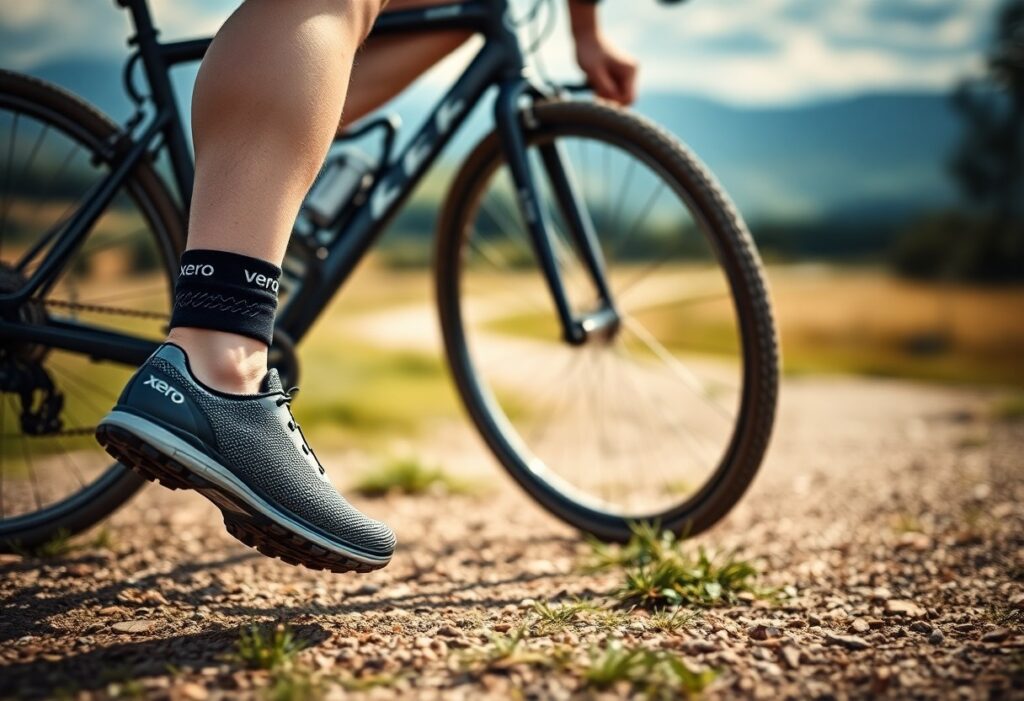
Xero Shoes can work well for cycling if you want a lighter, more natural-feeling ride and you do most of your mileage on flat pedals or relaxed commutes. They are less convincing for riders who need stiff power transfer, clipless precision, or aggressive race-day efficiency.
Quick verdict
If you value comfort, walkability, and toe-room more than maximum stiffness, Xero Shoes are a credible cycling option. If your priority is hard sprinting, long race efforts, or clipless security, a traditional cycling shoe is usually the better buy.
If you’re comparing minimalist shoes for riding, the decision usually comes down to one question: do you want more natural foot movement, or more rigid power transfer? For shoppers still weighing how Xero fits into a broader minimalist wardrobe, the travel-packing guide for Xero Shoes is a useful companion read, but this article stays focused on cycling use only.
Which Riders Are Xero Shoes Actually Good For?
| Riding situation | Pedal setup | Who they suit | Verdict |
|---|---|---|---|
| Urban commuting | Flat pedals | Riders who walk a lot off-bike and want all-day comfort | Strong fit |
| Long endurance rides | Flat pedals or broad platform pedals | Cyclists who value toe-room and fewer hot spots | Good if you adapt gradually |
| Road racing / hard efforts | Clipless pedals | Riders chasing maximum stiffness and locked-in efficiency | Usually not the best choice |
| Gravel / mixed terrain | Flat pedals or adaptable clip-in systems | Riders who want comfort and easy walking at stops | Worth considering |
| Indoor training / easy spinning | Any stable pedal platform | Riders who notice pressure points in stiff shoes | Often a comfortable upgrade |
What Matters Most For Cycling: Feel, Stiffness, Grip, And Safety
The cycling question is not whether Xero Shoes are “good” in the abstract. It is whether they give you the right balance of pedal contact, foot stability, and on-bike comfort for the way you ride.
Pedal Feel
The thin, flexible sole gives you more feedback from the pedal than a stiff cycling shoe. That can feel efficient on steady rides, but it also means you are relying more on your feet and pedals to stay stable.
Sole Stiffness
Xero’s minimalist construction is much less rigid than a road shoe. That makes walking easier, but it also reduces the planted, force-directing feeling many cyclists want for sprints, climbs, and clipless riding.
Grip And Foot Security
A grippy outsole helps on flat pedals, but wet conditions, slick pedals, or sloppy fit can still cause movement. If you ride in the rain, use a pedal-and-shoe combination that stays predictable when damp.
Toe Box And Fit
The wide toe box is one of the strongest reasons cyclists try Xero Shoes. It can reduce pressure, numbness, and hot spots, especially on longer rides or for riders with wider forefeet.
If the fit question matters most to you, a broader wide-fit Xero comparison can help you narrow the last-mile sizing details before you commit to a pair for riding.
Best Xero Models For Cyclists
Not every Xero model fits the same ride. The best choice depends on whether you want a low-profile shoe for commuting, a lighter trainer for road miles, or something that can pull double duty off the bike.
Prio
A strong all-round option for commuters and casual riders. It balances comfort, flexibility, and a secure fit, so it makes sense if you want one pair you can wear on and off the bike.
Hfs
The HFS is the more performance-leaning pick. It is still minimalist, but it feels more streamlined for riders who want a lighter shoe and closer pedal feedback on faster road rides.
Daylite Hiker And Other Crossover Models
These make more sense for mixed-use riders than for pure road performance. They can be useful if your ride includes walking, rougher paths, or short off-bike stops.
For a deeper model-to-model comparison, the HFS original vs. HFS II comparison is the most relevant internal follow-up if you are already leaning toward a performance-oriented Xero setup.
How Xero Shoes Compare With Traditional Cycling Shoes
The simplest way to decide is to compare them by use case, not by branding. Traditional cycling shoes win on stiffness and lockdown. Xero Shoes win on comfort, toe-room, and walkability.
| Category | Xero Shoes | Traditional cycling shoes |
|---|---|---|
| Pedal feel | More natural and flexible | More rigid and force-directing |
| Walking off the bike | Easy and comfortable | Often awkward or clunky |
| Toe box | Usually wider | Usually tighter |
| Power transfer | Good for relaxed riding | Best for hard efforts and racing |
| Best use | Commuting, casual riding, endurance comfort | Road racing, sprinting, clipless precision |
Transitioning Without Sore Calves Or Hot Spots
The biggest mistake cyclists make with minimalist shoes is treating them like a direct substitute for stiff cycling footwear. Your feet, calves, and arches need time to adapt.
A Safer Transition Plan
- Start with short, easy rides rather than long efforts.
- Use them first on flat pedals or stable platforms.
- Increase ride length only when your calves and arches feel normal the next day.
- Pay attention to any numbness, rubbing, or pressure that appears after 20–30 minutes.
- If you use clipless pedals, double-check compatibility before assuming a minimalist shoe will work well.
If you are still new to minimalist footwear, a more general transition guide for barefoot shoes can help you scale up more safely before you commit to longer cycling sessions.
When Traditional Cycling Shoes Are The Better Choice
There are clear cases where Xero Shoes are not the best answer. Choose a conventional cycling shoe if you need maximum stiffness, frequent clipless engagement, very aggressive pedaling positions, or race-level efficiency.
A Better Fit Elsewhere If You
- race road bikes or push hard in intervals often
- depend on clipless pedals for secure foot placement
- prefer a stiffer base under the foot
- have very sensitive feet and need to build tolerance slowly
- want maximum protection in rough, technical terrain
For riders who care more about ride-to-walk versatility than pure cycling stiffness, the all-day standing comfort guide is a useful adjacent read because it highlights the same comfort-first traits that matter off the bike too.
Comfort, Barefoot Mechanics, And The Real Trade-Off
Xero’s broader barefoot philosophy is worth understanding, but it should stay in the background here. The practical value for cyclists is simpler: less shoe between you and the pedal can improve feel, reduce cramped toes, and make longer rides more tolerable for riders who dislike rigid footwear.
The trade-off is equally simple. Less structure can mean less leverage, less support for aggressive riding, and a bigger need for good fit and sound pedal choice. That is why Xero Shoes are best viewed as comfort-first cycling shoes rather than performance-maximizing cycling shoes.
Where To Go Next
If cycling is only one of the use cases you care about, compare your priorities before buying. For a different performance context, see the weightlifting analysis or the CrossFit performance review. If your main concern is simply roomy fit, the widest Xero picks will narrow the search faster.
Bottom Line
Xero Shoes are a legitimate cycling option for riders who value comfort, toe-room, and natural foot movement more than maximum stiffness. They make the most sense for commuting, easy endurance rides, and mixed-use days when you want one shoe that works on and off the bike.
If your riding is more performance-driven, traditional cycling shoes still have the edge. The best choice depends less on the brand and more on how hard you ride, what pedals you use, and how much structure your feet need.
Best next step
If you want the most useful next read for buying decisions, start with Xero models that match your foot width and ride style, then compare them against your pedal setup.
Frequently Asked Questions
Can Barefoot Shoes Be Used For Cycling?
Yes, especially for flat pedals, commuting, and lower-intensity riding. The main trade-off is that you give up stiffness, so they are not ideal for riders who want maximum power transfer or clipless precision.
What Shoes Do Cyclists Wear?
Most cyclists wear either stiff cycling shoes with clipless pedals or comfortable flat-pedal shoes for commuting and casual riding. Xero Shoes sit in the second camp, closer to comfort-oriented flat-pedal footwear than to race shoes.
Which Is Better, Xero Or Merrell Barefoot Shoes?
For cycling, the better choice depends on fit, sole feel, and pedal stability more than the logo on the shoe. Xero usually appeals to riders who want a more explicitly minimalist feel, while Merrell may suit those who prefer a slightly different shape or build.
Why Are Podiatrists Against Barefoot Shoes?
Many podiatrists are cautious because barefoot shoes shift more work to the feet, calves, and arches. That can be helpful for some people, but it can also cause strain if you transition too quickly or use them in a setting that demands more support than your feet can tolerate.

Henry Harrington is a passionate author and content creator at My Shoes Finder, where he explores a wide range of topics related to footwear, lifestyle, and personal growth. With a keen eye for detail and a love for storytelling, Henry engages readers by sharing insights, tips, and personal anecdotes that resonate with his audience. His commitment to delivering high-quality content has established him as a trusted voice in the online community, inviting readers to step into new perspectives and discover their unique paths.
See also:
 Xero Shoes For Arthritis: A Practical 2025 Footwear Guide
 How Durable Are Xero Shoes? 5,000-Mile Warranty, Real-World Lifespan, And Wear Factors
 Xero Shoes For Office Workers: 2025 Style And Comfort Guide
 Xero Shoes For Bunions: What Helps, What Doesn’t, And Which Models Fit Best
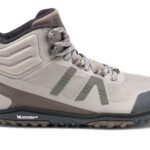 Ultra-Light Hiker Scrambler Mid II with Michelin Fiberlite Sole
 Xero Shoes X1 Basketball Shoe Review: Court Feel, Performance, And Fit (2025)
The merging of comfort and performance in cycling footwear has always been a hot topic among enthusiasts, particularly as more cyclists become aware of the implications of their gear on overall riding experience. I find it intriguing that Xero Shoes is leaning into the barefoot movement, which has garnered increasing attention not only in cycling but across various sports.
It’s fascinating to see how cycling gear is evolving to prioritize comfort and natural movement, especially with Xero Shoes’ 2025 lineup. As someone who has experimented with minimalist footwear for both cycling and running, I can really appreciate the concept of a zero-drop sole. It feels like a return to our roots, encouraging us to connect more intimately with the activity.
I totally get what you’re saying about that natural movement shift. The zero-drop sole really does change the way we interact with the ground, whether we’re cycling or running. It’s like stripping things back to basics, which lets you feel every twist and turn.
I appreciate how Xero Shoes is rethinking cycling footwear by emphasizing comfort alongside performance. As someone who often faces discomfort in traditional cycling shoes, the idea of a wider toe box and zero-drop sole sounds promising for longer rides. There’s a growing conversation around the benefits of minimalist footwear not just in cycling, but across various sports, as it encourages more natural movement patterns. I remember trying out barefoot running shoes and noticing how my foot strength improved over time—I’d love to see similar benefits with cycling. Have others here had experiences transitioning to more minimalist styles? What changes did you notice in your rides?
I love the idea of blending comfort with performance! It’s like finding love in a shoe—who knew minimalist design could sweep us off our feet (pun intended)? The zero-drop sole and flexible design sound perfect for those of us who enjoy feeling the road underneath our feet, even if we’re technically on pedals.
The blend of comfort and performance that Xero Shoes is bringing to cycling is intriguing, particularly for those of us who value both the feel of the road and our foot health. I’ve tried a few minimalist options, and they do allow for a more natural pedaling motion, which can be a game-changer on long rides. The zero-drop sole and wider toe box not only help with power transfer but also promote better foot posture over time—something I’ve noticed has reduced my fatigue on longer commutes.
I really appreciate how Xero Shoes is pushing the envelope with their 2025 cycling lineup! The idea of combining comfort with performance in a minimalist package really resonates with me, especially for long rides. I’ve been on the hunt for shoes that allow my feet to move naturally while still providing the support I need, so it’s exciting to see a brand focusing on that balance.
It’s interesting to see how Xero Shoes is evolving the cycling shoe market by focusing on a barefoot-like experience. The emphasis on a zero-drop sole and flexibility aligns well with current trends in minimalist footwear, reflecting a growing understanding of natural biomechanics. Personally, I’ve embraced a more minimalist approach in my running shoes, and I’ve found it significantly enhances my overall comfort and stamina over long distances.
It’s interesting to see a shift towards minimalist designs in cycling shoes, especially when traditional models often emphasize rigidity for performance. The idea of a zero-drop sole and a wider toe box resonates with the growing trend of prioritizing natural foot movement, similar to what’s happening in running footwear. However, I wonder how well the power transfer holds up over time, especially on longer rides where fatigue can set in.
I really appreciate how Xero Shoes is focusing on the balance between comfort and performance. It’s becoming more evident that many cyclists are looking for that barefoot feel without sacrificing support, especially for longer rides where fatigue can set in quickly. I’ve been experimenting with minimalist footwear myself, and I love how it encourages a more natural foot movement, which I believe ultimately helps with endurance over time.
I’m really intrigued by Xero Shoes’ approach to cycling footwear, especially the emphasis on combining comfort with performance! I often find that traditional cycling shoes can feel overly rigid, which sometimes distracts from the joy of cycling itself. It seems like Xero is truly embracing that philosophy of a barefoot-like experience while still providing the necessary support and protection, which is a game-changer for those long rides or daily commutes.