
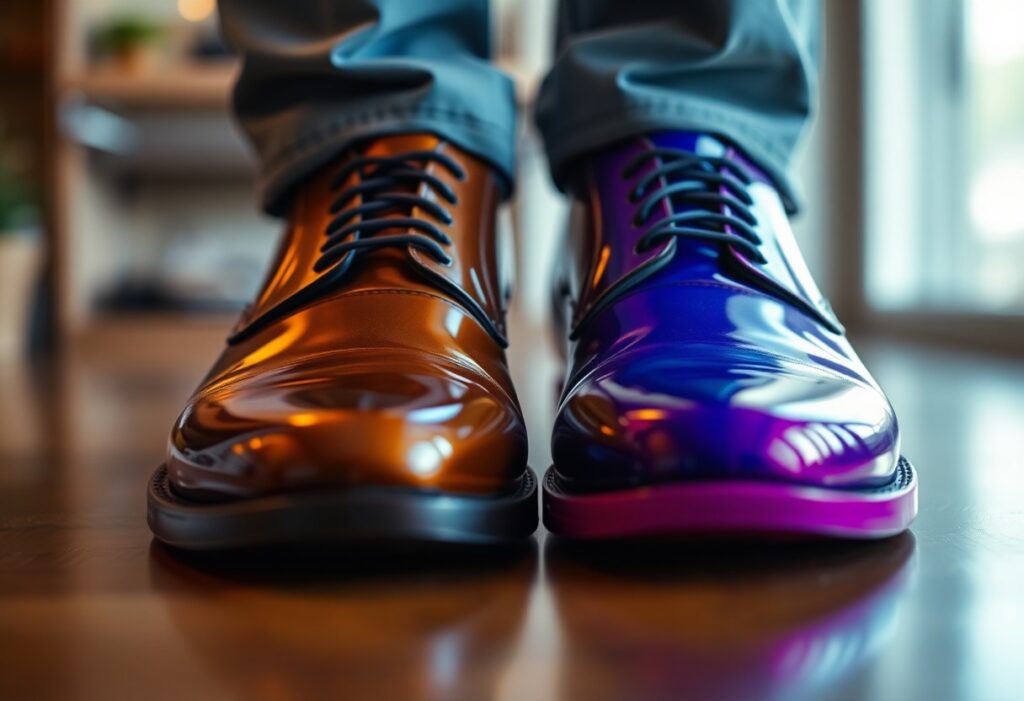
Neutral wax has a place in shoe care, but it should not be your default polish for every pair. In most cases, a colored wax or cream gives better control over shine, color depth, and finish preservation.
Quick Verdict use neutral wax sparingly as a finishing or accent product, and reach for a matched or complementary colored wax when you want safer shine and better color control.
How To Choose The Right Polish
If you are deciding between products, start with the condition of the shoe and the kind of finish you want. The more visible the leather color is, the less sense it makes to lean on neutral wax as your main shine product. For a deeper look at safer finish choices on smooth leather, see these smooth-leather alternatives.
Why Neutral Wax Is Best Used Sparingly
Neutral wax is not inherently “bad,” but it is limited. Because it adds shine without adding pigment, it cannot help the shoe maintain or restore tone the way a colored wax or cream can. That matters most on shoes that are new, lightly finished, or prone to showing dull spots after flexing.
The most common complaint is not dramatic damage; it is the slow build-up of white or pale residue in the toe crease and other flex points. That residue tends to show more clearly on darker leathers, and it becomes harder to manage when too much product is layered on. If residue is already an issue, the cleanup approach matters as much as the polish choice, which is why removing shoe residue carefully is worth understanding before you add more wax.
When Neutral Wax Still Makes Sense
- As a final accent layer after cream polish has already restored color.
- On shoes that already match their original shade well and only need extra gloss.
- For small, targeted touch-ups where you want minimal visual change.
- When you are deliberately keeping the finish subtle rather than glassy.
When To Skip It
- On shoes with faded areas that need color support.
- On unfinished or delicate leather where any extra wax can exaggerate surface issues.
- When you want richer shine and better depth from the final layer.
- When you already struggle with buildup in the creases.
Better Alternatives By Shoe Color
The most practical replacement for neutral wax is usually a colored wax that either matches the shoe or complements it. That gives you a stronger finish while helping the wax sit more naturally on the leather.
| Shoe color | Better wax choice | Why it works |
|---|---|---|
| Green leather | Light tan wax | Adds a warmer finish without flattening the color |
| Grey leather | Navy wax | Creates depth and keeps the surface looking intentional |
| Brown leather | Burgundy wax or matched brown | Improves richness and helps the finish look more even |
| Cognac leather | Dark brown wax in light layers | Deepens the tone without burying the natural color |
Black wax is a useful exception when you want to deepen a finish slightly, but it should be used carefully and in thin layers. The goal is not to recolor the shoe; it is to improve the final look without forcing the leather to fight the product.
If the shoe color itself needs more life before you add wax, a color-restoring cream is usually the better starting point. A good next read is how to enhance shoe color with darker cream, which fits especially well when the leather looks tired but still structurally sound.
Application That Avoids Buildup
- Clean the shoe first so old polish and dust do not get trapped under the new layer.
- Use cream polish before wax if the leather needs color or nourishment.
- Apply wax in a very thin layer with a soft cloth.
- Work in small circles and keep pressure light.
- Let each layer dry before adding another.
- Buff with a horsehair brush to even out the finish.
A small amount goes further than most people expect. If you are polishing one section at a time, think “thin and controlled,” not “cover everything at once.” That is the easiest way to avoid the residue that makes neutral wax look like the wrong choice.
If your routine is not producing the result you want, it is worth checking the basics of brushing, drying time, and polish order. A strong refresher on technique is how to brush shoes properly, especially before you add any final wax layer.
Choosing a polish for a pair you care about?
Start with cream for color maintenance, then use matched or complementary wax only where the shoe benefits from added shine.
A Simple Way To Decide
- Choose Cream Polish if the shoe needs color support, nourishment, or an everyday refresh.
- Choose Colored Wax if you want shine plus better visual harmony with the leather.
- Choose Neutral Wax only when the shoe already looks right and you want a subtle final touch.
That decision flow keeps the product aligned with the job. It also avoids the common mistake of using neutral wax as a universal fix when the leather really needs pigment, depth, or a more controlled finishing layer.
Frequently Asked Questions
Used well, neutral wax is a finishing tool, not a universal answer. That small shift in approach protects the leather, reduces residue, and gives you a more predictable result from pair to pair.

Ethan Marshall is a passionate writer and content creator at My Shoes Finder, where he explores a diverse range of topics, from lifestyle and fashion to innovative products and personal development. With a keen eye for detail and a commitment to delivering engaging and informative content, Ethan connects with readers by sharing insights that inspire and inform. He believes in the power of storytelling to influence positive change, and he continually seeks to provide valuable perspectives that resonate with his audience.
See also:
 How To Remove Candle Wax From Leather Shoes Safely
 How To Darken Shoe Color With Cream: Safe Tips For A Polished Finish
 Why Waterproofing Spray Can Ruin Smooth Leather Shoes
 Japan Shoe Shining Championships 2024: Osaka Event Report And Winner Recap
 Should You Condition New Shoes? Here’s When To Wait
 Choosing The Right Shoe Brush: Types, Materials, And Best Uses



Ah, the classic neutral wax conundrum! I used to be a proud member of the “neutral wax is a universal savior” club until I discovered the hard way that my beloved pair of mahogany brogues looked like they’d lost a fight with a snowstorm. Who knew that white residue could be so demanding of a shoe polish detox? I felt so betrayed, like I’d walked into the shoe care equivalent of a bad date.
You’ve hit on a really common struggle in the shoe care routine. It’s easy to fall into the trap of thinking of neutral wax as a sort of magic potion that works well for everything. The reality, though, can sometimes be far more complicated. That white residue can catch anyone off guard, especially when you’ve put in time and effort to get your footwear looking sharp.
You’ve really captured the nuances of shoe care. It’s interesting how we often seek shortcuts, like that neutral wax, thinking it’ll simplify the process. Yet, as you pointed out, the aftermath can sometimes be frustrating. I’ve definitely had my share of footwear disappointments, especially when a shoe I’ve polished suddenly looks like it’s adorned with a ghostly outline of residue.
You’ve raised a critical point about the misconceptions surrounding neutral wax polish, and it’s a topic that resonates deeply with many shoe enthusiasts and casual wearers alike. Throughout my own journey of shoe care, I’ve witnessed firsthand the repercussions of trusting so-called ‘universal’ products.
It’s interesting how the allure of universal products often overshadows the nuanced needs of different materials. In my own experience, I’ve found that while neutral wax polish seems like an easy go-to, it doesn’t always provide the results you’re hoping for. There’s something satisfying about using the right product for the specific leather type or finish, and it genuinely impacts the longevity of the shoes.
It’s interesting how misconceptions can extend beyond shoe care; I’ve recently come across some helpful insights on footwear that specifically address plantar fasciitis, which might resonate with all of us navigating similar challenges.
‘Xero Shoes for Plantar Fasciitis: 2025 Evidence-Based Guide to Natural Pain Relief’
https://myshoesfinder.com/xero-shoes-for-plantar-fasciitis-2025-guide/.
It’s great to hear your perspective on this. Misconceptions around neutral wax polish do seem to crop up often. Many people assume that a “universal” product will suit all their needs, but that can lead to unexpected results. Different materials and finishes require tailored care. For example, using a neutral polish on suede can actually harm the texture instead of enhancing it.
You make a really interesting point about the pitfalls of assuming a “universal” product can do it all. It’s definitely true that not all surfaces are created equal, and I think that’s a concept that often gets overlooked.
I find it interesting how our shoe care journeys often start with a mix of excitement and a touch of naivete, especially when it comes to choosing products. You’ve touched on a significant issue here. The idea of a ‘universal’ product can sound appealing at first—who doesn’t want a one-stop solution? But the reality is more complicated.
You’ve captured the essence of the journey perfectly. That blend of excitement and naivete often leads us down a path of trial and error, which can be both frustrating and enlightening. The allure of a ‘universal’ product can be tempting—there’s something comforting about the idea of simplifying our lives with a single solution.
Ah, the saga of shoe care—a secret art form that many of us approach with the finesse of a toddler applying finger paint! I can’t tell you how many times I’ve been sold on the wonders of neutral wax polish. It practically feels like a fairy tale, doesn’t it? “One polish to rule them all, one polish to bind them!” But here I am, clutching my unfortunate collection of very expensive shoes that look like they went a few rounds with a relentless army of color-sucking vampires.
This is such an insightful take on a topic that many of us overlook! I used to believe that neutral wax was harmless and a convenient catch-all for my leather shoes, but I can now see how misinformed that was. It’s interesting to think about how our choices in shoe care reflect a broader phenomenon in consumer habits—often opting for what seems easy over what might actually preserve the value of our belongings.
It’s great to hear your thoughts on this. Many people don’t realize how much our choices in shoe care reflect our overall approach to preserving quality in our lives. Neutral wax seems so easy and convenient, but it can mask deeper issues with leather maintenance. Choosing products designed specifically for the type of leather you have can make a world of difference—not just in longevity, but in maintaining that unique character of each piece.
It’s interesting that you highlight the perception of neutral wax as harmless; many of us have been there. It really sits at the intersection of convenience and care. Many consumers tend to gravitate toward products that promise ease, especially when time is tight or when we’re juggling multiple responsibilities. However, as you noted, this can sometimes lead to choices that may not uphold the longevity and quality we initially intended to preserve.
I always thought neutral wax was the go-to option since it seemed safe for all colors. It’s a bit disheartening to hear that it can cause more harm than good! I remember my friend had a beautiful pair of burgundy leather boots and used neutral polish on them. Over time, they developed this strange, uneven sheen, and I think that was the culprit. Switching to colored wax sounds like a practical solution—maybe I’ll give it a try on my black leather shoes.
It’s interesting to hear about your friend’s experience with the burgundy boots. That uneven sheen can be a real frustration, and it’s a situation many people encounter without realizing the impact of using a neutral wax on colored leather. Neutral wax often lacks the pigments that can help maintain the depth and richness of specific colors, leading to that mismatched appearance over time.
I completely relate to the frustration that uneven sheen can bring. It’s such a subtle detail, but it makes a big difference in how the shoes look overall. I’ve found that using pigmented wax specifically designed for colored leather really helps in maintaining that depth. A friend of mine who is really into leather care talks about how color restoration products can also work wonders, especially for those beloved pieces that have seen some wear.
I appreciate your insight about the neutral wax—it really makes a difference in maintaining the vibrancy of colored leather like those burgundy boots. I’ve noticed similar issues with my own leather goods over the years. It’s fascinating how something as simple as wax can change the appearance so significantly.
I’m glad to hear that you found the insights on neutral wax helpful—it’s amazing how these little details can make such a big difference. Your experience with your own leather goods really highlights how proper care can extend the life and look of our favorites.
I can totally relate to your experience with neutral wax. It’s often marketed as a safe, one-size-fits-all option, but as you’ve discovered, it doesn’t work for every situation. That uneven sheen on your friend’s burgundy boots really highlights how critical it is to match the product with the material. Burgundy leather definitely has its own character, and using neutral polish can mute that richness instead of enhancing it.
I hear you—it’s a pretty common assumption that neutral wax is the safest bet out there. It can feel a bit like a catch-22, especially when you think you’re doing the right thing by using something that’s supposedly universal. The uneven sheen your friend saw on those burgundy boots makes total sense; neutral products can sometimes lack the depth and richness needed for specific colors.
This is such an interesting perspective on shoe care! I think many of us, myself included, have fallen into the trap of believing that neutral wax is a one-size-fits-all solution. It seems like a convenient option, but the potential for damage really makes you rethink that choice. I had a pair of beautiful brown leather boots that I carefully polished with neutral wax, and over time, I noticed that they started to lose their richness. I didn’t connect the dots until recently, but now I see how that could have been a factor.
I really appreciate this eye-opening discussion about neutral wax polish! It’s fascinating how something that seems so innocuous can actually cause such significant harm to our beloved leather shoes. Like many, I had always thought neutral wax was the safest way to keep my footwear looking polished and fresh, particularly when it came to my more colorful pairs. Reflecting on it now, I remember noticing white residue and dulled colors on my shoes, but I just assumed it was part of the aging process!
It’s interesting to hear how your perspective has shifted on neutral wax polish. Many people make the same assumptions about it being a safe, go-to option, especially for colorful shoes. The truth is, while it markets itself as a simple and neutral solution, its long-term effects can catch you off guard.