
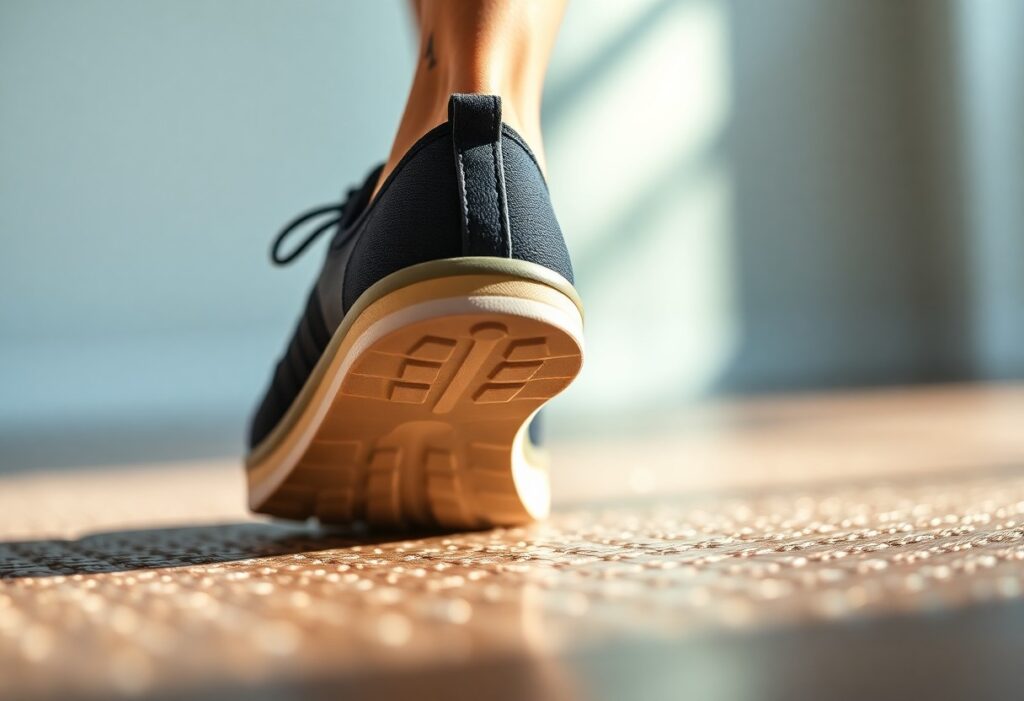
If you’re trying to decide whether Xero Shoes are worth it for plantar fasciitis, the short answer is: they can help some people, but they are not a universal fix. The biggest difference comes down to your current pain level, foot shape, and how carefully you transition.
Quick verdict
Xero Shoes are most useful when you want a zero-drop, wide-toe-box option that encourages more natural foot mechanics and you can tolerate a gradual adaptation period. They are less suitable if your heel pain is highly reactive, you need immediate cushioning, or you have conditions that make minimalist footwear risky.
For a broader strategy that compares Xero Shoes with other plantar fasciitis options, see our Xero Shoes relief guide. If fit is your main concern, you may also want the 2025 sizing chart and the wide-feet guide.
When Xero Shoes Help, And When They Can Backfire
The core question is not whether minimalist shoes are inherently good or bad. It’s whether your foot can adapt to less structure without flaring symptoms. That is why this page focuses on the decision stage first, then the evidence, then the transition plan.
| Situation | Xero Shoes may help when… | They may be a poor choice when… |
|---|---|---|
| Pain pattern | Your symptoms are mild to moderate and you can tolerate short walks without a big flare. | Your heel pain spikes with tiny changes in load, or you cannot walk comfortably even in supported shoes. |
| Foot shape | You benefit from a wide toe box, low heel-to-toe drop, and room for toe splay. | You need added depth, orthotic accommodation, or a very precise fit that minimalist uppers may not provide. |
| Activity level | You want a walking shoe, travel shoe, or light daily trainer with a low-profile feel. | You are jumping straight into long runs, long shifts, or high-impact sessions without an adaptation plan. |
| Medical context | You are otherwise healthy and are gradually building foot and calf tolerance. | You have active ulceration, severe neuropathy, or another condition that makes minimalist footwear unsafe. |
That tradeoff is why the strongest case for Xero Shoes is usually not “they cure plantar fasciitis,” but “they may reduce the mechanical stressors that keep some cases irritated.” The most important step is matching the shoe to the stage of your symptoms and your tolerance for change.
What The Evidence Suggests
The research landscape around minimalist footwear is promising but still mixed. What tends to show up consistently is not a miracle cure, but a biomechanical case for why some wearers feel better over time: less heel lift, more toe room, and more active foot musculature during walking and standing.
That matters because plantar fasciitis is often aggravated by repetitive strain, reduced mobility in the foot and calf complex, and footwear that changes how force is transferred through the heel and arch. A zero-drop shoe may shift those forces in a way that is more tolerable for some people, especially if the previous shoe had a narrow toe box or a pronounced heel.
At the same time, evidence does not support using minimalist shoes as an automatic first-line answer for everyone with heel pain. If your tissues are already reactive, the same features that help one person can trigger another person’s symptoms. That is why the best use case is gradual testing, not abrupt replacement of every shoe you own.
What Usually Makes The Difference zero-drop geometry, a flexible sole, a wide toe box, and a slow transition. Those features can support more natural foot mechanics, but only if your body adapts to them progressively.
Why Xero Shoes Are Different From Conventional Footwear
Traditional shoes often add structure through arch support, elevated heels, and firm midsoles. For some people those features feel stabilizing. For others, they limit motion and keep the foot from doing enough work. Xero Shoes take the opposite approach: the goal is to let the foot move, flex, and sense the ground with less interference.
Zero-Drop Design
Zero-drop means the heel and forefoot sit at the same level. That can reduce the forward tilt created by elevated heels and may help some wearers find a more neutral posture. For plantar fasciitis, the benefit is often less about dramatic correction and more about removing one common irritant.
Thin, Flexible Sole
A thinner sole can improve ground feel and proprioception. That sensory feedback may encourage more controlled loading and better foot awareness, which is useful if you are trying to rebuild strength after a long stretch of pain or compensatory walking.
Wide Toe Box
Toe splay matters more than many shoppers expect. If your toes are cramped together, the foot has less ability to spread force across the forefoot. A roomier fit can make walking feel less compressed, especially for people who also suspect they need a wider shoe overall. If that sounds like you, the wide-feet fit guide is a useful companion read.
How To Transition Without Flaring Your Heel Pain
The transition is where most of the risk lives. The fix is not to “push through” a painful first week. The fix is to treat minimalist shoes like a loading program for your feet and calves.
| Week | Suggested use | What to watch |
|---|---|---|
| 1–2 | Short indoor wear, a few minutes at a time, on easy days. | Morning heel pain, arch fatigue, calf tightness, or next-day soreness. |
| 3–4 | Short outdoor walks and limited errands. | Any increase in stabbing heel pain or altered gait. |
| 5–6 | Longer walks, light daily wear, and cautious testing on slightly longer outings. | Persistent soreness that does not settle within 24 hours. |
| 7–8 | Normal daily use if symptoms remain stable and strength is improving. | Recurring flares, numbness, or a worsening limp. |
If you are new to barefoot-style shoes, the most useful companion resource is transitioning to Xero Shoes. For a broader walking-focused approach, the barefoot transition tips page is also worth reading.
Which Xero Models Make The Most Sense For Plantar Fasciitis?
Model choice matters because not every barefoot shoe feels the same on a sensitive heel. For plantar fasciitis, the best Xero model is usually the one that balances a roomy fit, stable ground feel, and enough upper security for your daily use.
| Model | Best for | Why it may work |
|---|---|---|
| Prio | Daily wear, walking, light training | Balanced feel, low-profile ride, and a classic minimalist platform. |
| HFS | People wanting a lighter, more breathable trainer | Good if you want more upper comfort without giving up the barefoot-style setup. |
| Mesa Trail | Uneven ground, outdoor walking, traction needs | Useful if you want more grip and a rugged outsole while keeping minimalist geometry. |
If you are unsure about sizing before choosing a model, the most practical next stop is the Xero sizing chart. Fit problems are a common reason people blame the concept when the real issue is shoe mismatch.
When You Should Not Use Minimalist Shoes
Minimalist footwear is not appropriate for everyone. If you have active foot ulceration, severe neuropathy, advanced diabetic foot concerns, or a medical history that makes reduced protection risky, the right answer is to get individualized guidance before changing shoes.
Even without those conditions, a shoe can still be the wrong choice if it makes your pain clearly worse. Signs that you should slow down or stop include sharper heel pain, a new limp, numbness, or soreness that lasts into the next day and keeps building. Those symptoms suggest the transition is too aggressive, not that you need more willpower.
Practical caution
If your plantar fasciitis is highly reactive, use Xero Shoes only as a gradual experiment, not an instant replacement for every supportive shoe you own. A slower transition usually protects progress better than a fast one.
A Reasonable Way To Decide
The best decision usually comes from combining symptom stage, foot shape, and your day-to-day demands. People who do well with Xero Shoes often want a roomier, lower-profile shoe and are willing to build tolerance over several weeks. People who struggle tend to need immediate cushioning, have unstable symptoms, or are trying to jump into full-time wear too quickly.
- Choose Xero Shoes if you want a minimalist shoe with zero-drop geometry and a wide toe box.
- Start slowly if you have had plantar fasciitis for a long time or if your calves are tight.
- Pause if the shoe clearly increases heel pain, especially during the first two weeks.
- Check fit carefully if you have broader feet or need help comparing sizes and widths.
Ready to compare Xero Shoes with the stronger plantar fasciitis cluster page?
If you want the broader relief framework, including more treatment strategies beyond shoe selection, move to the main Xero plantar fasciitis strategies guide. If you are still in the buying stage, keep the sizing and wide-fit guides open while you decide.
That sequence works best: fit first, transition plan second, then longer wear testing.
Frequently Asked Questions
Are Xero Shoes Good For Plantar Fasciitis?
They can be a good option for some people, especially if the pain is manageable and you transition gradually. They are not automatically better than supportive shoes for every case.
Do Zero-Drop Shoes Help With Plantar Fasciitis?
They can, mainly by reducing heel elevation and encouraging a more natural foot position. The benefit depends on your tolerance, fit, and how gradually you build wear time.
What Shoes Should You Avoid With Plantar Fasciitis?
Shoes that are too flat for your current tolerance, too narrow in the toe box, or too unstable for your activity level can all make symptoms harder to manage.
What Brand Of Shoe Is Best For Plantar Fasciitis?
There is no single best brand for everyone. The right shoe depends on whether you need cushioning, stability, a wide toe box, or a minimalist feel for gradual strengthening.
If you need more help comparing fit types or starting a minimalist routine, the most relevant next reads are the barefoot transition tips and wide-feet guide.

Jessica Linford is an insightful author for My Shoes Finder, where she explores a wide array of general topics that resonate with everyday readers. With a passion for storytelling and a keen eye for detail, she brings a unique perspective to her writing, aiming to inform and inspire through her engaging content. Jessica’s diverse interests drive her curiosity, allowing her to connect with audiences on various subjects while sharing practical tips and relatable anecdotes.
See also:
 Xero Shoes For Bunions: What Helps, What Doesn’t, And Which Models Fit Best
 Xero Shoes For Children In 2025: Fit, Safety, And Best Models
 Widest Xero Shoes for Wide Feet: Models & Fit Guide
 Xero Shoes For Achilles Tendonitis: 2025 Rehab Protocol And Loading Guide
 Xero Shoes For Summer Travel And Hot-Weather Adventures
 Are Xero Shoes Good For Standing All Day? Best Uses, Limits, And Comfort Tips

The exploration of natural solutions for foot pain, particularly plantar fasciitis, resonates with many individuals who have had their mobility affected by this condition. Your discussion on Xero Shoes and their benefits as minimalist footwear truly highlights an important shift towards safeguarding our foot health through more instinctive design choices.
You bring up an essential point about the impact of plantar fasciitis on mobility and overall quality of life. It’s remarkable to see how people are becoming more conscious about their footwear choices. Xero Shoes, as you mentioned, emphasizes a more natural foot structure, which can really resonate with those seeking relief from foot pain.
You’ve highlighted something that often gets overlooked. Foot health is such a crucial part of our overall well-being. I think it’s fascinating how footwear can significantly influence mobility and even our daily activities. With more people shifting towards brands like Xero Shoes that promote a natural foot structure, it’s almost like a movement toward more conscious living.
I found your insights on Xero Shoes and their minimalist design quite compelling, especially given my own journey with plantar fasciitis. After struggling with traditional footwear and their lack of support, I switched to barefoot shoes, and I’ve noticed a significant improvement in my foot health. It’s fascinating how our body’s natural mechanics can be so easily disrupted by conventional shoes, and how reverting to a more natural style can encourage healing.
It’s interesting to hear about your journey with plantar fasciitis and how switching to barefoot shoes has led to such positive changes. I’ve noticed similar patterns where people’s foot health improves dramatically after moving away from traditional footwear. I think there’s something crucial about allowing our feet to function more naturally; it impacts not just foot health but overall body mechanics.
It’s wild, isn’t it? Modern shoes can feel like they have a vendetta against foot health. You’d think they were designed by someone who never actually had feet. Your experience with plantar fasciitis is a masterclass in “the more you know” when it comes to footwear. The way you describe the transition to barefoot shoes as a bit of a healing journey is spot on—going minimalist can feel like your feet finally get to breathe after years of feeling trapped in some sort of foot prison.
This is such a timely discussion—I’ve been on a journey myself to address ongoing foot pain, and the insights about Xero Shoes and minimalist footwear resonate deeply with me. I’ve recently tried switching to shoes that promote a more natural foot motion, and I can already feel a difference in how my body compensates for my plantar fasciitis.
It’s great to hear you’re finding some relief with minimalist footwear. It’s interesting how just a little shift in the way we approach our shoe choices can have such a noticeable impact. I’ve talked to many people who’ve experienced similar things, especially with conditions like plantar fasciitis.
It’s great to hear that you’ve started to see improvements with your switch to minimalist footwear. The experience of ongoing foot pain can really impact daily life, and finding the right shoes can often make a significant difference. I also relate to your journey—transitioning to footwear that supports a more natural foot motion has been a game-changer for me as well.
It’s great to hear that you’re experiencing changes with minimalist footwear. The shift towards shoes that allow for a more natural foot motion can often lead to a better alignment and reduce strain on the plantar fascia. I’ve found that giving your feet the chance to strengthen naturally is really important.
I’ve been curious about barefoot shoes ever since my own battle with foot pain started a couple of years ago. The idea that minimalist footwear can facilitate natural foot mechanics is so intriguing! It’s like we’ve been conditioned to wear overly cushioned shoes that might actually mess with our body’s alignment. Have you or any readers tried Xero Shoes or similar brands? I’d love to hear personal experiences and whether shifting to a more minimalist design made a noticeable difference. It feels like a small change could potentially have a big impact on our overall mobility and quality of life. Also, has anyone tried combining these shoes with other holistic approaches, like stretching or specific foot exercises? Let’s keep the conversation going!
I completely get where you’re coming from. The transition to barefoot shoes has become quite a topic of discussion, especially for those of us who’ve dealt with foot pain. I’ve been on a similar journey, exploring how much our footwear influences not just our foot health but our overall posture and alignment too.
It’s interesting how our approach to footwear has evolved over the years, isn’t it? I totally get your curiosity about barefoot shoes, especially since so many people experience foot pain and discomfort. The conventional wisdom about supportive, cushioned shoes has been challenged lately, and I think it’s great that more people are exploring options like Xero Shoes and others.
I really appreciate your insights on the benefits of Xero Shoes for managing plantar fasciitis. As someone who has struggled with foot pain for years, I’m always on the lookout for alternative solutions beyond traditional treatments. The idea of minimalist footwear resonated with me, especially considering how our modern lifestyle tends to disconnect us from the natural mechanics of our bodies.
It’s great to hear that you’re exploring alternatives for managing plantar fasciitis. Our modern lifestyles really do pull us away from natural movement patterns, and it’s interesting how minimalist footwear like Xero Shoes can help bridge that gap.
I appreciate your perspective on modern lifestyles affecting our natural movement. It’s true; many of us spend so much time in supportive, cushioned shoes that we forget what it feels like to walk naturally. Minimalist footwear like Xero Shoes can really encourage a more authentic gait, which might help alleviate some of the discomfort associated with conditions like plantar fasciitis.
Really interesting take on how Xero Shoes can help with plantar fasciitis! I’ve been exploring more natural approaches to foot health myself. I used to rely heavily on traditional supportive shoes, but after switching to a more minimalist design, I started noticing changes in how my body felt overall. It’s fascinating how something as simple as the shoes we wear can impact our entire alignment and mobility.
I found your insights on Xero Shoes and their potential impact on plantar fasciitis really intriguing! It’s refreshing to see a focus on natural solutions for a condition that so many people struggle with. I’ve dealt with foot pain myself and have often felt caught in a cycle of trying different treatments that seemed to only provide temporary relief. The idea that minimalist footwear could not only alleviate my symptoms but also promote better foot mechanics is definitely something worth exploring further.
It’s great to hear that you found the insights on Xero Shoes interesting. The whole concept of minimalist footwear really aligns with a larger movement towards natural health solutions, doesn’t it? I can relate to the frustration of dealing with persistent foot pain and the endless cycle of treatments that only provide short-term fixes. It feels like a never-ending quest sometimes.
It’s great to hear that you found the insights on Xero Shoes and their role in addressing plantar fasciitis compelling. Many people share your frustration with the endless cycle of treatments that only seem to offer fleeting relief. It can feel overwhelming trying to navigate through options when you just want something that works long-term.
It’s fascinating to read about the benefits of barefoot shoes like Xero Shoes in relation to plantar fasciitis. For someone who has struggled with foot pain for years, the idea of a minimalist design that promotes natural foot mechanics is incredibly appealing. I recently transitioned to a more minimalist style in my everyday footwear, and I’ve noticed a real difference in how my feet feel after a long day.
I can really relate to your insights on plantar fasciitis and the potential benefits of Xero Shoes. I’ve struggled with foot pain for years and tried many different solutions—some worked for a time, but nothing offered lasting relief. The idea of minimalist footwear is intriguing, especially since it aligns with how our ancestors walked. I’ve also been exploring other natural remedies, like specific stretches and strengthening exercises. Have you seen your readers share their own experiences with these strategies? It would be fascinating to hear about the collective journey towards foot health and what lifestyle changes have made a difference for them. Perhaps we could even compile some successful tips here!
It’s great to hear that you can relate to the discussion around plantar fasciitis and minimalist footwear like Xero Shoes. Foot pain can be such a frustrating experience, especially when you’ve tried various solutions that only provide temporary relief. The allure of minimalist footwear is fascinating, isn’t it? It seems to resonate with our very biology, reminding us of how human beings originally adapted to their environments.
I completely resonate with the points you’ve made about Xero Shoes and the benefits of minimalist footwear for managing plantar fasciitis. As someone who has dealt with persistent foot pain for years, I’ve tried an array of solutions, ranging from conventional orthotics to physical therapy. However, I found that shifting towards more natural options, like barefoot shoes, has brought me the most relief.
It’s great to hear that you’ve found relief with minimalist footwear like Xero Shoes. The shift to more natural options really does seem to resonate with a lot of folks dealing with foot pain. Have you noticed other benefits, too, beyond just managing the plantar fasciitis? For many, going barefoot—or at least simulating that experience—can change not just foot health but also overall posture and how we move. It’s interesting how our bodies often adapt and respond to more natural movements. If you’re up for it, sharing more about your journey with minimalism could really help others who are still searching for solutions.
It’s really interesting to hear how shifting to minimalist footwear has made a difference for you. I can relate to your journey; I also struggled with foot pain for a while and found myself cycling through various solutions that didn’t quite hit the mark. The transition to barefoot shoes was somewhat of a revelation for me too.
It’s interesting to hear about your journey with foot pain. Many people get stuck in a cycle of conventional solutions without exploring alternatives like minimalist footwear. It’s a bit surprising, really, how much our footwear choices can impact our foot health.
The discussion surrounding minimalist footwear and its potential benefits for managing conditions like plantar fasciitis raises some compelling points about the intersection of health and modern lifestyle choices. As someone who has struggled with foot pain for quite some time, I find the emphasis on natural solutions particularly refreshing.
Ah, the chronic saga of plantar fasciitis! It’s like my feet decided to become drama queens. I’ve tried everything from arch supports that felt like wearing a trampoline on my foot to those bizarre toe socks that got me strange looks at the grocery store. But barefoot shoes? It sounds like a hippie dream come true! I can almost picture myself skipping through the park, channeling my inner forest nymph while my feet actually feel good.
I totally get what you mean about plantar fasciitis feeling like a never-ending soap opera. It’s a wild ride trying to navigate through all the remedies, and the footwear choices are often just as dramatic. I remember the first time I tried arch supports—they definitely made my feet feel like they were in a bouncy castle, which wasn’t exactly what I was going for. And those toe socks, while amusing, were met with more puzzled looks than I’d like to admit.
I can definitely relate to that “never-ending soap opera” vibe with plantar fasciitis. It’s like a game of trial and error, and for me, the quest for the perfect footwear has been a saga in itself. I remember trying on this pair of shoes that were supposedly designed for comfort, and they felt more like a medieval torture device than anything else. It’s interesting how the marketing often oversells what they can actually deliver, isn’t it?
I can totally see why you’d feel that way about the whole situation with plantar fasciitis. It really does can feel like a never-ending soap opera, doesn’t it? I found the footwear quest to be just as frustrating. It’s like every brand claims to have the answer to all your problems, but they often miss the mark completely. I once bought a pair of shoes that were advertised as the “ultimate in comfort,” and it felt like the design was more about looks than actual support—definitely not what I was hoping for.
I appreciate the insights you’ve shared about Xero Shoes and their potential benefits for those struggling with plantar fasciitis. As someone who has dealt with foot pain for several years, I can personally attest to the challenges that come with this condition. It’s not just about physical discomfort; it can profoundly affect your daily activities and even your mood.
It’s fascinating to see the growing interest in minimalist footwear like Xero Shoes, especially considering the increasing rates of plantar fasciitis among various demographics. Having struggled with foot pain myself, I found conventional supportive shoes often lead to a cycle of dependency rather than promoting healing. The idea of mimicking barefoot walking resonates deeply with me. It aligns with the broader movement towards natural health solutions, emphasizing body mechanics and prevention over quick fixes.
What a fascinating exploration of how Xero Shoes can be a game changer for those suffering from plantar fasciitis! I’ve personally experienced the challenges that come with this painful condition, which makes posts that delve into natural remedies particularly engaging for me.