
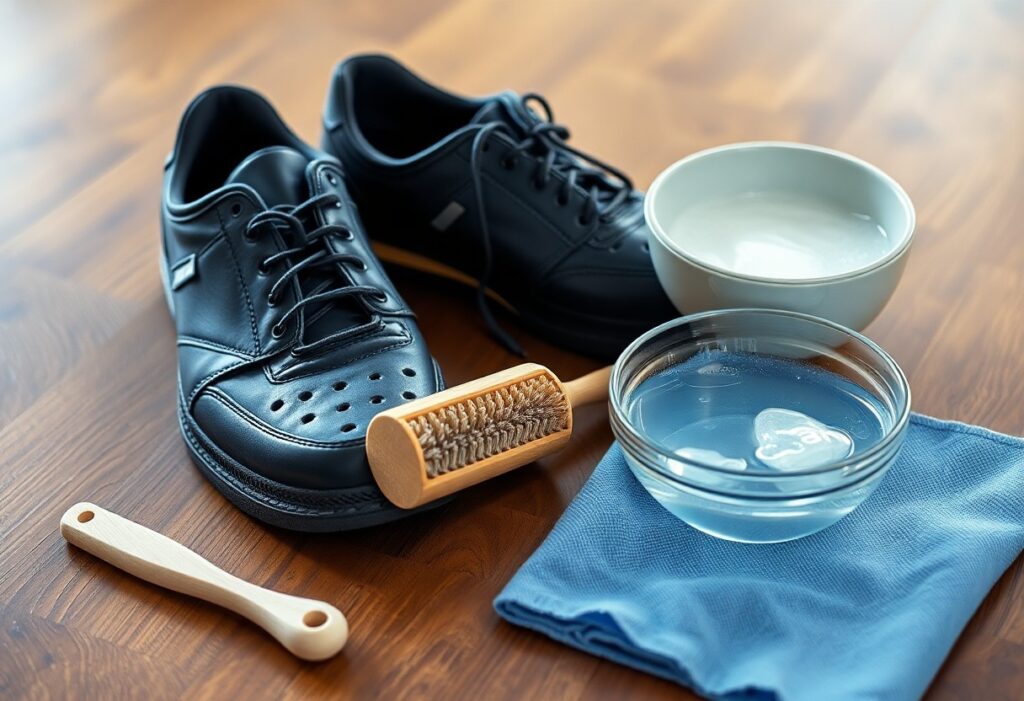
Plastic strips showing up between the sole and upper are usually leftover manufacturing material, not a defect. In most welted leather shoes, you can remove the visible residue at home with tweezers and a light touch.
Quick decision guide
| What you see | What to do | When to stop |
|---|---|---|
| Thin, visible plastic strip at the welt | Grip with fine tweezers and pull gently | Stop if the strip resists or starts tugging leather |
| Residue tucked deep between upper and sole | Remove only what is visible; clean the edge afterward | Stop if you would need a blade or heat to reach it |
| Large embedded piece, damaged stitching, or delicate leather | Take it to a cobbler | Do not force it at home |
If you want broader shoe-care guidance after you deal with the residue, the maintenance advice in this shoe-cleaning guide is a useful next stop. For this problem, though, the goal is simple: remove only the visible plastic, protect the exposed leather, and avoid overworking the edge.
Why Plastic Residues Appear
These strips are usually remnants of protective coverings used during production. Manufacturers often use plastic film or tape to shield leather uppers while the shoe is assembled, especially in welted construction where the upper, welt, and sole meet closely.
That is why the residue tends to appear at the seam line rather than in the middle of the shoe. It may stay hidden for a while and then work its way outward as the shoe flexes. In most cases, it does not affect durability or comfort.
Where It Usually Shows Up
- Along the welt joint where the upper meets the sole
- At the storm welt or stitched edge on dress shoes and boots
- Near the heel edge where assembly material can be tucked in tightly
- Along the inside arch or side seam if the covering was cut short
How To Remove It Safely At Home
Use only simple tools: fine-tipped tweezers, a soft brush, and shoe cream for aftercare.
Avoid blades, scissors, heated tools, or sharp metal picks. Those can scar the leather, lift stitching, or leave a permanent mark on the edge.
- Inspect The Edge In Good Light. Look closely at the welt, sole edge, and heel line to find the visible strip.
- Get A Firm Grip With Tweezers. Hold the plastic, not the leather, and keep the tool flat so you do not scratch the finish.
- Pull Slowly In One Motion. Gentle, steady pressure is safer than short jerks that can break the strip into smaller pieces.
- Stop If The Material Resists. If the strip seems embedded, do not force it. Remove only what comes away cleanly.
- Brush Away Loosened Debris. Use a soft brush to clear dust or tiny fragments from the seam.
- Condition The Exposed Leather. Apply a small amount of shoe cream to the newly revealed area to keep it from drying out.
If you are dealing with residue on a pair that already needs broader cleaning or conditioning, you can pair this process with the more general care steps in this leather-shoe cleaning guide. The principle is the same: lift the contamination without disturbing the finish around it.
Aftercare For The Exposed Edge
Once the strip is removed, the seam may look drier or slightly brighter than the rest of the shoe. That is normal. A small amount of shoe cream or leather conditioner helps blend the area and protects the newly exposed leather from drying or scuffing.
Use a small amount
A thin layer is enough. Heavy product can collect around the seam.
Blend the edge
Work the cream along the exposed area so the color remains even.
Inspect again later
A second look after wear will show whether another small strip needs attention.
For ongoing leather care, it also helps to understand when conditioning should happen and when to leave fresh shoes alone. The guidance in when to condition new shoes is useful if you are deciding how much product to use after removal.
When To Get Help Instead Of Pulling Harder
Home removal works best when the residue is visible and easy to grasp. If the strip is long but tightly trapped, or if the leather around the seam is delicate, a cobbler is the safer choice. Professional repair is also better when the residue has pulled at stitching, when the shoe is high value, or when a previous attempt has already roughened the edge.
That decision is similar to the one you would make for any stubborn shoe problem: if the fix is simple and visible, do it yourself; if the material is fragile or the issue is buried, let a specialist handle it. If you are weighing repair against replacement more broadly, this repair-vs-buying guide can help you decide whether the pair is worth taking in.
Need a broader shoe-care reset after removing the residue?
Use the wider maintenance advice in the site’s core shoe-care guide for cleaning, brushing, and routine upkeep once the seam is clean.
What To Avoid
- Do not use a sharp blade to cut the strip flush with the leather
- Do not yank hard if the plastic is snagged in the welt
- Do not soak the seam in solvent or heat it to soften the residue
- Do not skip conditioning if the leather has been exposed
A Simple Prevention Habit
You cannot fully prevent every hidden remnant from appearing, but you can catch it early. Check new shoes in bright light before the first few wears, then glance at the welt and sole edge every couple of weeks. Keep the pair stored in a cool, dry place so the edge stays stable and easier to inspect.
If you are building a wider maintenance routine, the same careful approach used for salt marks and surface cleanup also applies here. This salt-stain removal article is a good companion read because it reinforces the same rule: treat the shoe gently, then finish the leather properly.
Frequently Asked Questions
Will Removing Visible Plastic Residues Damage My Shoes?
No, not when you remove only the visible strip carefully. The residue is usually leftover production material and does not serve a structural purpose.
What Is The Safest Tool To Use?
Fine-tipped tweezers are the best first choice because they let you grip the strip without scraping the leather or stitching.
What If The Plastic Is Still Stuck After I Pull The Visible Part?
Stop pulling. Remove only what comes away cleanly, then leave the rest in place or take the shoe to a cobbler if the piece is deeply embedded.

Henry Harrington is a passionate author and content creator at My Shoes Finder, where he explores a wide range of topics related to footwear, lifestyle, and personal growth. With a keen eye for detail and a love for storytelling, Henry engages readers by sharing insights, tips, and personal anecdotes that resonate with his audience. His commitment to delivering high-quality content has established him as a trusted voice in the online community, inviting readers to step into new perspectives and discover their unique paths.
See also:
 Apron Front Vs Split Toe Seams: What They Are And How To Spot Good Craftsmanship
 Neutral Wax On Shoes: When To Skip It And What To Use Instead
 How To Remove Salt Stains From Shoes And Prevent Winter Damage
 How To Darken Shoe Color With Cream: Safe Tips For A Polished Finish
 Should You Condition New Shoes? Here’s When To Wait
 Avoid Spiral Shoe Trees: Safer Alternatives That Protect Your Shoes



It’s interesting to see how something as seemingly minor as plastic residues on shoes can reveal a lot about the manufacturing process and our relationship with footwear. I remember my first pair of welted shoes—I was completely taken aback when I discovered those little plastic strips after a few wears. At first, I thought it was a sign of poor craftsmanship, but then understanding that they are protective layers used during production changed my perspective.
It’s fascinating how even the smallest details in our footwear can shift our understanding of craftsmanship and production. Your experience with those plastic strips is a perfect example of how our initial reactions can change once we learn more about the context. It’s a reminder that every element in a shoe often serves a purpose, even if it seems out of place at first.
You’re so right about how even the smallest details in footwear can shape our understanding of the broader concepts of craftsmanship and production. It’s easy to overlook those seemingly insignificant elements, like those plastic strips you mentioned, but they often play crucial roles that we might not notice at first glance.
I recently came across some insights on how barefoot shoes can enhance comfort in tropical climates, and it really made me appreciate the thoughtful design elements that keep us cool while staying connected to the ground.
‘Barefoot Shoes for Tropical Weather: Stay Cool and Comfortable’
https://myshoesfinder.com/tropical-barefoot-shoes-stay-cool-and-comfortable/.
It’s fascinating how those little plastic strips can shift our understanding of quality and craftsmanship. When we think of a pair of welted shoes, we often picture durability and timeless design, but those protective layers play a crucial role in ensuring they reach us in perfect condition. They help prevent any damage during the manufacturing and shipping processes, and it’s interesting to consider how they reflect the balance between functionality and aesthetics in footwear.
You raise such an interesting point about the role these little plastic strips play in our perception of quality and craftsmanship. It’s almost like they’re the unsung heroes of the footwear world, ensuring that we receive our shoes exactly as they were intended. I often find myself thinking about how much thought goes into design beyond just the aesthetic side.
It’s interesting to think about how these manufacturing leftovers can slip through the cracks of a product we often take for granted! I remember when I first bought a pair of welted shoes, I noticed those pesky plastic strips and wondered if I had made a bad choice. Learning that they’re simply remnants from protective coverings gives me a lot of peace of mind.
It’s great to hear your perspective! Those plastic strips can definitely catch you off guard, especially when you’re investing in quality footwear. It’s all about understanding the process behind the product, isn’t it? As we delve into the manufacturing world, it’s fascinating to uncover how many small details we overlook, like those remnants of protective coverings. They serve a purpose, ensuring our shoes arrive unscathed, yet they spark questions about what we accept as normal in our purchases.
It’s great to hear that the background on those plastic strips has provided some clarity for you. Many people overlook the little details in products they use daily. It really opens up a conversation about the broader implications of manufacturing processes and how even minor leftovers can lead to questions about quality or value.
I totally relate to that experience with welted shoes. Those little details can definitely catch you off guard at first. It’s pretty fascinating how manufacturing processes leave behind remnants that we might overlook. It can make you think about the broader implications of production practices and how much we don’t see behind the scenes.
It’s fascinating how even the smallest details in products, like those plastic strips in welted shoes, can lead us to question our choices. I had a similar experience when I first started paying more attention to the materials in my clothing. It’s easy to overlook these remnants, but when you do start noticing them, it can shift your entire perspective on what you’re buying.
It’s interesting to see how something as minor as plastic residues can shed light on larger issues in the footwear industry. I was initially surprised to discover that these plastic remnants don’t compromise the quality of shoes. It makes me think about how many other unnoticed details are often overlooked in the pursuit of ‘perfect’ products.
It’s insightful that you’ve picked up on how something like plastic residues can reflect the bigger picture in the footwear industry. It’s a conversation we really should have more often, particularly in a world where we’re constantly striving for perfection in our products.
It’s encouraging to hear that you resonate with the idea of plastic residues revealing larger trends in the footwear industry. The connection between our consumption habits and what happens to the products we love is often overlooked. We’ve become so accustomed to seeking out the latest and greatest designs, but behind the scenes, there’s a bigger narrative around sustainability that deserves much more attention.
You’re right, it’s fascinating how the little things, like those plastic residues, can open up a bigger conversation about the footwear industry. It’s almost like peeling an onion; every layer reveals something new about how products are made and what’s often overlooked in the quest for that so-called ‘perfect’ item. It makes you wonder what else might be hiding in plain sight, doesn’t it?
It’s interesting how the more you dig into these topics, the more layers you discover. With the footwear industry, it starts with something as seemingly small as plastic residues, but it really reflects broader issues like sustainability, labor practices, and consumer responsibility.
It’s interesting to consider how often we overlook the nuances of shoe manufacturing, especially when it comes to the materials used and their effects on our footwear. The presence of plastic residues might seem like an annoyance, but it really does highlight the balance between protecting natural materials and the sometimes unavoidable consequences of using synthetic options in production.
It’s true; the nuances of shoe manufacturing often fly under the radar. When you think about it, footwear is such an integral part of our daily lives, yet we rarely stop to consider the interplay of materials that goes into making them. The presence of plastic residues does raise questions about sustainability, doesn’t it?
You’re spot on about the complexities of shoe manufacturing and how they often go unnoticed. It’s surprising how much thought goes into something so mundane. Most people wear shoes daily, but how many actually think about the materials involved?
You bring up a really interesting point about footwear and its interplay of materials. It’s fascinating how something we rely on daily often goes unnoticed in terms of its underlying complexities. I’ve recently been reading up on sustainable fashion, and it struck me how much emphasis is placed on textiles and garments, while footwear tends to be sidelined.
Ah, the sneaky plastic strips – the surprise party guests of the shoe world! It’s like your shoes are trying to play hide-and-seek with their own fashion faux pas. I love the idea of having a little spa day for them with tweezers and shoe cream. Kind of like giving your footwear a manicure, right?
You’ve really captured the essence of those pesky plastic strips. They do have that sneaky vibe, like they’re trying to keep us on our toes while we’re just trying to enjoy a cute pair of shoes. It’s almost comical how something so small can impact our overall look, making it feel like we’re constantly battling against our own footwear.
It’s interesting to think about how our footwear, something we often take for granted, is really a product of meticulous craftsmanship and thoughtful manufacturing processes. I’ve noticed plastic residues on my shoes before and initially assumed it was a sign of poor quality. It’s reassuring to learn that it’s a common occurrence tied to the protective measures taken during production rather than a flaw in the shoes themselves. This brings to mind the broader conversation about sustainability in the fashion industry.
I appreciate your insights on the often-overlooked aspects of shoe maintenance! It’s interesting to think about how even the most skilled craftsmanship can leave behind these little reminders of the manufacturing process. Reflecting on the importance of caring for our belongings, this discussion opens up a larger conversation about sustainability in fashion. Taking the time to properly maintain our shoes not only enhances their appearance but also extends their lifespan, which can reduce waste in the long run.
It’s interesting to see how something as seemingly trivial as plastic residues on shoes can spark a broader conversation about manufacturing practices and their environmental implications. While many people may simply overlook these residues, it does raise questions about the sustainability of materials used in fashion.
You’ve touched on an important aspect of the conversation surrounding fashion and sustainability. It’s fascinating to think about how something as small as plastic residues on shoes can connect to the larger issues of manufacturing practices. Many consumers often don’t realize that their choices in footwear are tied to a complex web of environmental impacts.
You’re spot on about those little plastic residues. It’s like when you find bits of glitter in your pockets that remind you of that craft project from six months ago—what monster decided to let these materials invade our lives? Those residues are a tiny reminder of a much bigger mess in the fashion world.
It’s fascinating how the complexities of footwear manufacturing can lead to something as seemingly minor as plastic residues between the sole and upper. I’ve encountered the same issue with my leather shoes, and I can attest that the maintenance steps outlined here can make a notable difference.