
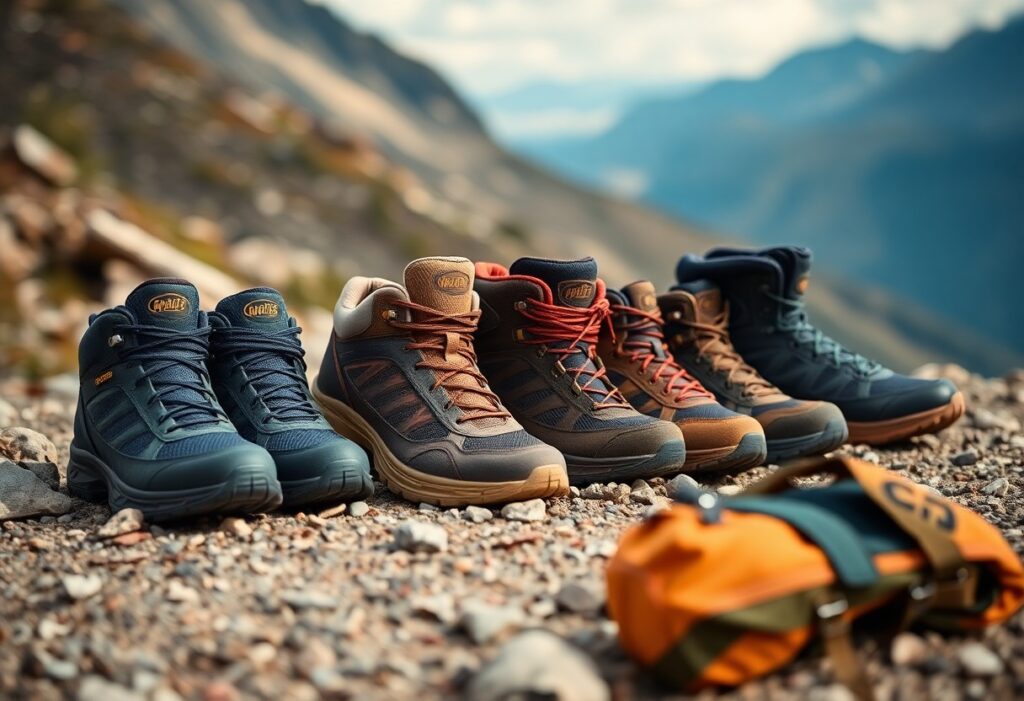
If you want one pair that can handle real adventure in 2025, start with the terrain, not the trend. The best outdoor shoes are the ones that match your route, your load, and how much cushioning or ground feel you actually want.
Best fit by use case
If you need a broad buying starting point, the comfort and width guidance in this fit-focused guide for wide feet is useful before you narrow down outdoor-specific features.
Quick decision guide
| Use case | Terrain | What matters most | Best shoe type |
|---|---|---|---|
| Day hikes | Mixed trails, moderate elevation | Stable grip, moderate cushioning, durable upper | Trail hiking shoe |
| Fast trail movement | Packed dirt, rolling trails | Low weight, quick turnover, secure fit | Trail running shoe |
| River crossings and wet terrain | Mud, streams, beach paths | Drainage, quick dry time, wet traction | Water-ready adventure shoe |
| One pair for travel and light hikes | Paved streets, parks, easy trails | Comfort, packability, dependable all-day wear | Crossover all-terrain shoe |
What Separates A Good Outdoor Shoe From A Bad One
Outdoor shoes earn their place by handling the surface under you. A pair that feels great on pavement can still fail on wet rock, loose gravel, steep descents, or long days when your feet swell and your stride changes.
The core tradeoff is simple: more cushioning can reduce fatigue on long approaches, while a lighter, lower-profile shoe can feel more agile and precise on uneven ground. Good traction, a secure heel, and a toe box that lets your foot spread naturally matter just as much as weight or brand.
If your feet are harder to fit, it helps to check width before you compare outdoor models. Our wide-feet sizing tips can save you from choosing a technically strong shoe that still feels wrong after an hour on trail.
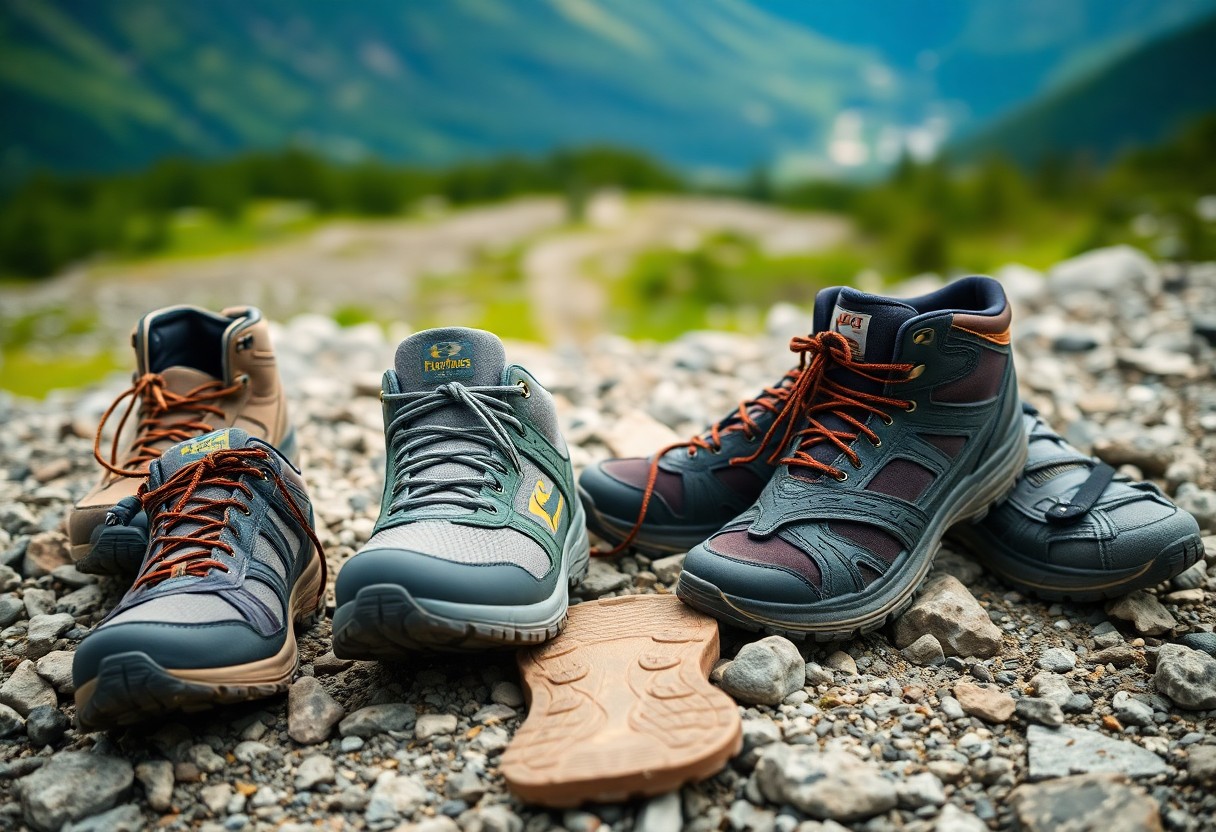
The Main Outdoor Shoe Categories Worth Buying In 2025
Trail Running And Hiking Shoes
This is the safest category for most buyers. Trail shoes now blend lighter builds, grippy outsoles, and enough underfoot protection for mixed terrain without feeling bulky. They work especially well if you want a shoe that can handle day hikes, light backpacking, and fast-moving trails without overcommitting to a heavy boot.
Look for breathable mesh, toe reinforcement, and a midsole that balances shock absorption with trail feel. If you prefer a more natural ride, minimal and barefoot-inspired options can work well on smoother routes, but they demand better foot strength and a more careful fit.
Water-Ready Adventure Shoes
If your plans include river crossings, wet beaches, kayaking exits, or muddy summer trails, water-ready shoes are the more practical choice. They are built to drain fast, dry quickly, and keep traction when the ground is slick rather than dry.
The most useful features are quick-drying uppers, drainage ports or fast-shed materials, and soles that still bite on wet stone. Waterproof membranes can help in cold, damp conditions, but they are not always the best choice for warm-weather water use because they can trap heat once submerged.
All-Terrain Crossover Shoes
Crossover shoes make sense if you want one pair for travel, city use, and light outdoor activity. They are less specialized than a true hiking shoe, but they can be the right answer for road trips, campground wear, and casual trail days where packability and all-day comfort matter more than aggressive grip.
This is also the lane where Xero-style minimalist footwear often enters the conversation. If you are trying to decide whether a lighter barefoot approach fits your trip style, the travel packing guide for Xero shoes is a useful next read, especially for people who want small, versatile footwear in a carry-on.
Comfort Features That Actually Matter On Trail
Comfort technology sounds vague until your shoes start rubbing on the second mile. The details that matter most are heel hold, forefoot room, underfoot stability, and how the upper behaves when your feet get warm or wet.
- Cushioning enough to soften repeated impact, but not so much that you feel unstable on uneven ground.
- Breathability essential for warm-weather hiking and longer trail sessions.
- Outsole Grip vital on wet roots, gravel, and loose descents.
- Toe Box Shape important if you swell, prefer natural splay, or wear thicker socks.
- Weight lighter shoes help on long days, but not if they sacrifice protection or support where you need it.
If you already know you need more room in the forefoot, it is worth checking a fit-first resource like comfortable shoes for wide feet before you commit to a trail model that looks right on paper but pinches on the move.
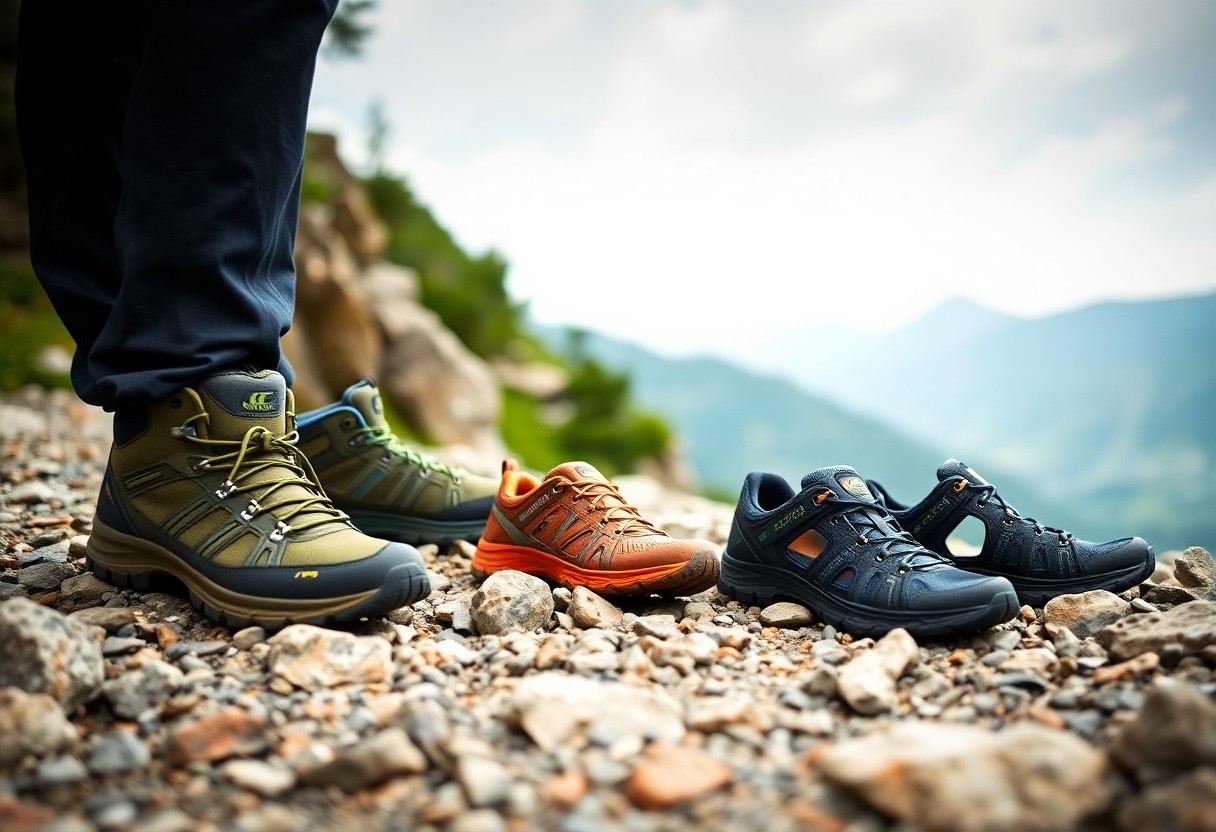
How To Choose The Right Pair Without Overbuying
The easiest mistake is buying for the hardest hike you imagine instead of the routes you actually do. A stiff, high-protection shoe can feel unnecessary on moderate trails, while an ultralight minimalist shoe can feel underbuilt when the path turns rocky or the weather changes.
Use your main use case to narrow the field:
- Choose Trail Hiking Shoes if your priority is stability, protection, and dependable all-around performance.
- Choose Trail Runners if you want lower weight and faster movement on smoother paths.
- Choose Water-Ready Shoes if wet conditions are common and drying time matters.
- Choose Crossover Shoes if you want the most versatility for travel and casual outdoor use.
This is also where dominant cluster overlap matters. If your real intent is a comfort-first minimalist model rather than a general outdoor shoe, the strongest match on this site is the widest Xero shoes roundup. That page serves the comfort and fit decision better; this guide is for the broader outdoor-use decision.
Ready to narrow your shortlist?
If you want comfort-led models, go to the broader fit pages first. If you want the best outdoor option for hiking, travel, or mixed terrain, start with the comfort and width fit checks, then compare outsole grip and weight against your route.
For a narrower Xero-specific path, see Xero shoes for women or the fall-prevention guide for seniors if your buying criteria are more specific than general outdoor use.
A Few Practical Buying Questions Before You Checkout
Ask whether the shoe matches the most common surface you walk on, whether your feet need more room in the forefoot, and whether you value ground feel or protection more. Those answers will narrow your choices faster than any marketing label about innovation or adventure.
If you are comparing models from the same brand family, fit can matter more than feature lists. A well-shaped shoe with slightly simpler materials often outperforms a more technical one that does not match your foot or stride.
Frequently Asked Questions
Are Trail Running Shoes Good For Hiking?
Yes, if the trail is moderate and you prefer a lighter shoe. They are usually better for speed and comfort on less technical routes than for rugged, rocky hikes with heavy loads.
Do Waterproof Outdoor Shoes Work For Water Activities?
Not always. Waterproof shoes are useful in cold, wet conditions, but for repeated water crossings or soaked environments, quick-drying shoes usually perform better.
What Is The Most Important Feature In An Outdoor Shoe?
For most buyers, it is grip. After that come fit, underfoot comfort, and whether the shoe suits the terrain you actually walk on most often.
Should I Choose A Minimalist Outdoor Shoe?
Only if you already know you like a lower-profile ride and have the foot strength for it. Minimalist shoes can feel excellent on the right terrain, but they are not the safest default for every hiker.

Natalie Harper is a versatile author and content creator at My Shoes Finder, where she explores a wide range of general topics that resonate with diverse audiences. With a passion for storytelling and a keen eye for detail, Natalie crafts engaging articles that provide valuable insights and inspire readers. Her commitment to quality and relatability makes her work a trusted resource for those seeking both information and inspiration in their daily lives.
See also:
 Are Barefoot Shoes Good For Wet Hiking? What Works, What Fails, And When To Avoid Them
 Xero Shoes For Children In 2025: Fit, Safety, And Best Models
 Xero Shoes For Summer Travel And Hot-Weather Adventures
 Widest Xero Shoes for Wide Feet: Models & Fit Guide
 Xero Shoes For Travel: The Best Lightweight, Packable Options For 2025
 Xero Shoes For Bunions: What Helps, What Doesn’t, And Which Models Fit Best


I completely agree that the right footwear is crucial for any outdoor adventure. Last summer, I tackled a tough hike and ended up with blisters because I tried to push my luck with an old pair of shoes. It really made me appreciate the technology behind modern outdoor footwear! I’m curious if you’ve noticed any specific brands or innovations that stand out in terms of comfort versus performance.
I can definitely relate to that experience—blisters have a way of reminding you just how important good footwear is. It sounds like you really learned that lesson the hard way. Nowadays, the technology in outdoor footwear has come such a long way; it’s almost mind-boggling.
You raise a valid point about the importance of footwear in outdoor activities. It’s frustrating to push through a hike only to be sidelined by blisters from worn-out shoes. In terms of brands, I’ve found that Salomon and Merrell often strike a solid balance between comfort and performance. Salomon’s Contagrip sole is particularly good at providing traction on various terrains, while Merrell is known for their excellent fit right out of the box.
I couldn’t agree more with your insights about the pivotal role of footwear in outdoor adventures. It’s fascinating to see how far outdoor shoe technology has come, particularly with the incorporation of advanced materials and designs tailored for our diverse activities. As someone who frequently tackles both mountain trails and casual park walks, I’ve come to realize how vital it is to have the right pair of shoes underfoot.
You bring up an important point about the evolution of outdoor footwear and how it really shapes our experience when we’re out on the trails or even just enjoying a leisurely stroll in the park. The advancements in shoe technology make it exciting for anyone who loves the outdoors. It’s amazing to see how brands are constantly refining their materials and designs to adapt to different environments and activities. From breathable fabrics to sturdy soles that grip various terrains, today’s footwear is a far cry from what was available just a couple of decades ago.
You raise an important point about the evolution of outdoor footwear. The advancements in materials like breathable membranes, lightweight composites, and cushioned midsoles really reflect how much the industry has listened to the needs of outdoor enthusiasts. Whether you’re navigating rocky mountain trails or enjoying a laid-back stroll in the park, the right footwear can indeed make all the difference in comfort and performance.
I completely agree that the right footwear is crucial for any outdoor adventure. I’ve had my fair share of blisters and sore feet from using the wrong shoes on hikes, and it’s such a game-changer when you find a pair that fits well and performs under pressure.
Your insights on the evolving landscape of outdoor footwear are spot on! As someone who has spent countless weekends exploring various terrains, I’ve experienced firsthand the difference that the right shoes can make. Recently, I invested in a pair of lightweight trail shoes designed for agility and grip, and it transformed my hiking experience. Now, I feel more connected to the ground and confident on steep descents.
It’s great to hear about your experience with lightweight trail shoes. It’s fascinating how the right footwear can really enhance not just comfort but also confidence on varied terrains. That connection to the ground you’re talking about is crucial, especially when navigating steep descents or uneven surfaces.
Your experience really highlights just how much the right footwear can change the whole hiking game. It’s fascinating how materials and design innovations have advanced to enhance our connection to the terrain. I’ve had similar moments with my own trail shoes, particularly when I switched to a model with a better grip and a softer sole. It’s almost like a subtle shift in your entire journey—not just in terms of comfort, but in how you engage with the landscape.
You make a great point about the significance of the right footwear. It’s almost like choosing the right partner for a dance—step on the wrong toe, and you’re in for a world of hurt. Your transition to those lightweight trail shoes sounds like a game-changer. It’s funny how something as seemingly simple as shoes can make you feel like you’re walking on a cloud instead of a rocky path.
I couldn’t agree more with your insights on the crucial role of footwear for outdoor adventures. It’s fascinating how the landscape of outdoor footwear has evolved, particularly with the focus on biomechanics and material innovation. As someone who often ventures out on both challenging hikes and leisurely nature walks, I’ve experienced firsthand how the right shoes can significantly affect not just comfort, but also performance and safety.
It’s great to hear you resonate with the points about footwear in outdoor adventures. The shift in focus on biomechanics and materials really is something to marvel at. When I think about how far we’ve come from generic hiking boots, it’s amazing to see how brands are tailoring designs to support our feet in specific terrains and circumstances.
It really is fascinating how much innovation has gone into outdoor footwear. I remember when I first started hiking, I pretty much relied on the same pair of heavy-duty boots for every trail, regardless of the terrain. It’s interesting to think about how that approach often led to discomfort or even injury. Now with brands focusing so much on biomechanics, I feel like there’s a greater awareness of how vital it is to have the right shoe for each adventure.
I really appreciate your perspective on the evolution of footwear in outdoor adventures. It’s fascinating how the focus on biomechanics and materials has shifted not just for performance but also for overall foot health. I’ve noticed that brands are increasingly incorporating technology from other fields, like running shoes, into hiking boots—things like adaptive cushioning and moisture-wicking materials really make a difference during long treks.
It’s interesting to see how Xero Shoes are embracing biomechanical insights to address issues like plantar fasciitis, offering designs that really cater to our unique needs on the trail.
‘Xero Shoes For Plantar Fasciitis In 2025: Evidence, Benefits, Risks, And Best Practices’
https://myshoesfinder.com/xero-shoes-for-plantar-fasciitis-2025-guide/.
Your point about the evolution of outdoor footwear really resonates with me. It’s interesting to think about how much technology has changed what we wear on our feet. I remember a few years ago, I took a challenging hike in a pair that I thought were versatile enough for both trails and casual walks. Midway through, I realized how critical proper support and traction really are, especially on rocky terrain. It’s surprising how even small changes in shoe design can make such a difference in performance and safety.
I really resonate with your insights about the impact of footwear on outdoor activities. Having spent countless weekends hiking through mountain trails and spending time at the lakes, I’ve come to understand the crucial role that the right shoes play. Last summer, I decided to invest in a high-quality pair of multi-terrain shoes after struggling through a couple of hikes with blisters on my feet. It was eye-opening to realize just how much difference a well-fitted, performance-oriented shoe can make—not just for comfort, but for overall enjoyment of the hike.
It’s fascinating to see how far outdoor footwear has come, especially in terms of technology and design. I remember a few years back, I went on a rugged hike with shoes that weren’t suited for the terrain, and it really impacted the experience. The advancements in biomechanics and materials you mentioned are crucial for minimizing injuries and enhancing comfort.
It’s fascinating to see how the outdoor footwear market is evolving, particularly with a focus on biomechanics and material advancements. I remember my last hiking trip when I underestimated the impact of the right shoes—I ended up with blisters and a sore back. It reminded me how critical proper fit and support are, especially on challenging terrain.