
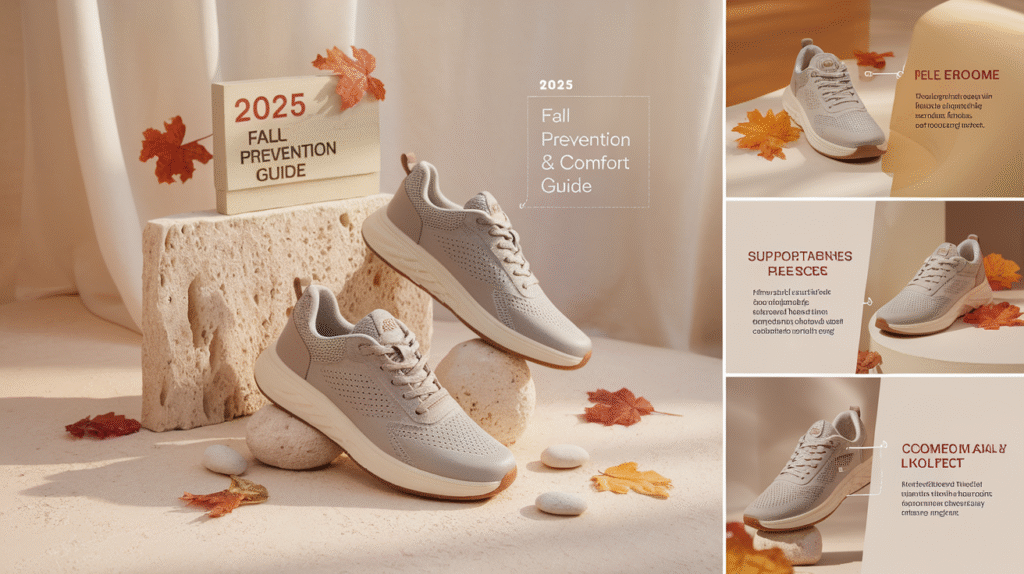
For some seniors, Xero Shoes can be a practical way to improve ground feel, comfort, and walking confidence. They are not a universal fix for balance problems, but they can be a smart option when fit, traction, and a gradual transition are handled well.
Quick decision guide
| Best For | Seniors who want a light, flexible shoe with a wide toe box, low drop, and better ground feedback for everyday walking. |
| Not Ideal For | People with significant balance loss, active foot pain, severe neuropathy, or a recent fall who have not discussed shoe changes with a clinician. |
| What Matters Most | Secure heel hold, stable tread, easy entry, enough toe room, and a slow break-in period. |
| Best Next Step | Compare fit first, then start with short indoor wear before using them outside. |
If you are comparing options, start with the broader travel and comfort guide for a useful overview of lighter Xero models, then come back here for the senior-specific tradeoffs.
What Seniors Should Look For First
The best senior-friendly shoe is not simply the softest or the most cushioned. It is the one that gives stable footing, fits the foot shape well, and does not force the body to compensate with every step. For many older adults, that means paying close attention to toe box width, heel security, outsole grip, and how easy the shoe is to get on and off.
Xero Shoes often appeal because they are lightweight and flexible, which can make walking feel less restricted. That said, the benefit depends on the person. Someone who wants more sensory feedback underfoot may appreciate a minimalist feel, while someone with fragile balance may need more support than a zero-drop shoe can provide.
Practical Rule if a shoe feels slippery, unstable, or hard to control during the first few minutes, it is not the right match just because it looks comfortable.
Why Minimalist Shoes Can Help — And Where They Can Fall Short
Minimalist shoes may help some seniors feel the ground more clearly. That extra feedback can improve awareness of foot placement on flat paths, indoor surfaces, and short neighborhood walks. A wider toe box can also reduce crowding, which matters if feet have become broader with age or swelling.
The limit is that sensory feedback is not the same as support. If you have weak ankles, pronounced gait changes, or symptoms such as numbness, you may need more structure than a barefoot-inspired shoe can safely provide. In those cases, the goal is not to force adaptation, but to choose footwear that matches your current stability.
For readers who are already thinking about fit challenges, the dedicated fit guide is the best place to compare roominess, heel security, and comfort cues before buying.
Fit And Stability Details That Matter Most
If width is your main issue, the wide-feet guide is the most relevant companion piece. If you are still measuring size, use the sizing chart before deciding on a model.
A Safer Way To Transition
Older adults should usually transition more slowly than younger walkers or runners. Start indoors, wear the shoes for short periods, and watch for calf tightness, foot soreness, or a feeling that your stride is changing in an unstable way. A slow ramp-up gives your feet and lower legs time to adapt without creating unnecessary strain.
Simple Transition Plan
| Days 1 — 7 | Wear indoors for 15–30 minutes at a time. |
| Days 8 — 14 | Add short hallway, driveway, or sidewalk walks on even ground. |
| After 2 Weeks | Extend wear only if the shoes still feel stable, comfortable, and predictable. |
If you already have nerve sensitivity or numbness, consider the neuropathy guide before making a switch. It is the better fit for understanding when minimal cushioning may be helpful and when it may not be appropriate.
Who Should Be Cautious
Xero Shoes may not be the safest choice for every senior. Be cautious if you have frequent dizziness, significant balance problems, diabetic neuropathy, recent foot surgery, or pain that worsens when the foot has less support. In those situations, a clinician or podiatrist can help you decide whether a minimalist shoe is suitable or whether a more structured design is safer.
Even when a shoe is technically comfortable, it still needs to match the task. A model that feels fine for short indoor wear may not be the best option for uneven outdoor surfaces, long errands, or days when swelling is more pronounced.
If you are comparing models for everyday wear
Start with the model that offers the easiest on-off experience and the most secure fit. Then use short test walks to judge whether the outsole feels stable enough for your usual surfaces.
A Few Useful Takeaways
- Xero Shoes can be a good option for seniors who want a light, flexible shoe with better ground feel.
- They are most useful when fit, heel security, and traction are strong.
- They are not the safest starting point for every older adult, especially if balance or foot sensation is already compromised.
- A gradual transition matters more than the brand name.
- If you want the broadest comfort context, pair this article with the general travel packing guide; if fit is the issue, go straight to sizing and width resources.
Frequently Asked Questions
Are Zero-Drop Shoes Good For Older Adults?
They can be, if the person has enough strength, balance, and tolerance for a less structured shoe. For others, a zero-drop design may feel unstable or unfamiliar at first.
What Shoes Do Podiatrists Recommend For Seniors?
Recommendations vary, but fit, support, traction, and ease of use usually matter more than a trendy label. The right shoe depends on foot shape, gait, pain level, and fall history.
What Is The Most Comfortable Shoe For Seniors?
The most comfortable shoe is the one that matches the foot and the activity: roomy enough in the forefoot, secure in the heel, and stable enough for the surfaces you walk on every day.
Who Should Not Wear Zero-Drop Shoes?
People with severe balance issues, active foot pain, recent surgery, or strong numbness should be cautious and should not assume a minimalist shoe is automatically safe.
What Are The Best Slip-Ons For Seniors?
The best slip-on is easy to wear, stays secure, and does not make you claw at the floor or grip with your toes. Convenience should never come at the expense of stability.

Ethan Marshall is a passionate writer and content creator at My Shoes Finder, where he explores a diverse range of topics, from lifestyle and fashion to innovative products and personal development. With a keen eye for detail and a commitment to delivering engaging and informative content, Ethan connects with readers by sharing insights that inspire and inform. He believes in the power of storytelling to influence positive change, and he continually seeks to provide valuable perspectives that resonate with his audience.
See also:
 Xero Shoes Fit Guide: Comfort, Sizing, And Return Considerations
 Xero Shoes For Deadlifting: 2025 Stability And Ground-Feel Analysis
 Occupational Footwear And Stability: What Shoe Design Means For Safety At Work
 Barefoot Shoes And Knee Pain Prevention: What The Science Suggests In 2025
 Are Xero Shoes Good For Standing All Day? Best Uses, Limits, And Comfort Tips
 Are Barefoot Shoes Good For Yoga And Meditation? A Practical Guide

It’s amazing how something as simple as shoes can end up being a game changer for seniors! I mean, who knew footwear could be the unsung hero of independence and confidence? I always thought my clunky orthopedics were upgrading me to “Couch Potato Extraordinaire” status. But here comes Xero Shoes, striding in to say, “Hold my orthopedic beverage!”
You raise a great point about shoes being such a pivotal part of mobility and confidence. It’s surprising how much of an impact the right footwear can have on how we feel and move. Those clunky orthopedics you mentioned? They might offer some support, but they can also keep us from feeling grounded and connected to the world around us.
It’s interesting how our experiences with footwear can shape our daily lives, isn’t it? When it comes to seniors, the right pair of shoes can feel like a secret weapon for staying active and feeling good about themselves. Many folks don’t realize that something so fundamental can play such a pivotal role in overall confidence and mobility.
You’ve really nailed it. The connection between what we wear on our feet and how we navigate daily life is often underestimated. For seniors, the right pair of shoes can do wonders—it’s not just about comfort but also about giving them the confidence to move around freely. When they feel secure in their footwear, it opens up opportunities to engage more with their surroundings, whether it’s going for a walk, joining friends for coffee, or simply tackling errands.
You raise a great point about the impact of footwear on greater independence for seniors. Many don’t realize how much a good pair of shoes can influence mobility and overall well-being. The struggle with bulky orthopedics can feel like a trade-off between comfort and style, but brands like Xero Shoes are showing that you don’t have to compromise.
You’ve hit on such a critical point! Shoes really can shift the vibe, especially for seniors. It’s wild to think that something as foundational as footwear can influence how we feel about ourselves and our daily activities. When comfort and style intersect, it’s like unlocking a new door to independence.
You make a great point about footwear being a game changer for seniors. It really is fascinating how the right shoes can impact mobility and self-esteem. Many folks don’t realize that a good fit and supportive design can mean the difference between feeling like you’re walking on clouds or trudging through molasses.
You’ve really hit on something interesting there. It’s fascinating how something like footwear can have such a significant impact on mobility and overall well-being, especially for seniors. I remember my grandmother struggled with finding shoes that were both functional and stylish. Those clunky orthopedics can really affect not just how we walk but also how we feel about ourselves.
You bring up such an important point about footwear and its broader implications. I’ve seen this firsthand with my own family as well. My grandmother had a real challenge finding shoes that weren’t just about cushioning or support but also aligned with her sense of style. It’s interesting how that search can affect not just physical mobility but emotional health too. When you feel good in what you’re wearing, it can really influence your overall confidence.
Your post highlights a crucial issue for seniors that often goes unnoticed until it impacts quality of life. The innovative approach of Xero Shoes in addressing mobility challenges not only enhances physical stability but also nurtures emotional well-being. It’s fascinating how the science of proprioception can create a pathway to renewed confidence.
The challenges that seniors face regarding mobility and the heightened risk of falls cannot be overstated, and I appreciate how you’ve highlighted this urgent issue. The statistics from Johns Hopkins are particularly striking; when one in three adults over 65 experiences a fall, it clearly underscores the need for innovative solutions such as those offered by Xero Shoes.
You make an important point about the mobility challenges seniors face and the very real risk of falls. It’s staggering to think that one in three adults over 65 experiences a fall; it really puts things into perspective regarding how crucial it is to find effective solutions.
I found your insights about the mobility challenges seniors face particularly enlightening, especially since I’ve seen firsthand how critical good footwear can be for maintaining independence in later years. My grandmother, who is in her late 70s, has dealt with balance issues for a while now. At first, she opted for those standard orthopedic shoes that, to be honest, often seemed more like bricks than anything remotely comfortable. I can definitely see how they can contribute to a lack of confidence when walking, especially when you factor in both comfort and style—who wants to wear something bulky when you’re trying to feel youthful and active?
You raise an important point about the intersection of comfort, style, and independence for seniors. The reality is that many standard orthopedic shoes miss the mark on aesthetics and practicality, often leading to a frustrating trade-off. Your grandmother’s experience isn’t uncommon—when footwear looks clunky, it can really impact confidence.
I appreciate this insightful exploration of the challenges seniors face regarding mobility and falls. It’s eye-opening to see the statistics around falls affecting nearly a third of adults over 65—such a significant number that underscores the urgency of finding effective solutions.
It’s great to see your engagement with this important topic. The statistics can be quite sobering, and they really do call for immediate action from communities, families, and policymakers. One perspective worth considering is the role of preventive measures. Simple adjustments in living environments—like better lighting, removing tripping hazards, and using non-slip mats—can make a big difference for seniors.
Your insights into the mobility challenges faced by seniors resonate deeply, especially as we navigate an increasingly aging population. The statistics you mentioned highlight an urgent need for solutions that not only address the physical aspects of falling risks but also the psychological effects they impose on seniors. It’s heartbreaking to see individuals who once relished their independence become restricted by fear, and this fear often translates to a diminished quality of life.
I completely agree with you about the deeply intertwined nature of physical and psychological aspects when it comes to seniors navigating mobility challenges. It really is heartbreaking to witness individuals who have enjoyed a zest for life start to feel constrained by fear. That anxiety can be so debilitating, often leading to a cycle where the more cautious they become, the more they withdraw from activities they once loved.
You’ve really touched on something important here. The impact of fear on seniors’ mobility can’t be overlooked. I’ve witnessed it firsthand with my own grandparents. They were so active and adventurous in their younger years, but after a couple of falls, the shift in their mindset was noticeable. It’s as if that fear not only restricted their physical movements but also stifled their spirit.
You’ve captured a profound reality that so many face. The notion that fear can rob someone of their independence is tough to swallow. It’s so important to recognize that addressing mobility challenges is more than just about safety; it’s about restoring confidence.
It’s heartening to see a focus on seniors and their mobility challenges, particularly when it comes to the risks associated with falling. The statistics from Johns Hopkins are eye-opening, and they highlight just how critical it is for us to address these issues thoughtfully.
It’s refreshing to see a focus on the unique needs of seniors regarding mobility challenges. I’ve witnessed firsthand how a simple change in footwear can transform not only someone’s physical stability but also their overall confidence. My grandmother, who is in her late 70s, struggled with traditional orthopedic shoes that, while supportive, didn’t offer the flexibility and feel of a more natural walking experience.
This blog post highlights a crucial issue that often goes overlooked in discussions about senior health and wellness: mobility challenges. The transformation that Xero Shoes offers through its innovative barefoot-inspired designs truly resonates with me. My grandmother, who recently turned 75, faced similar mobility difficulties, and I can’t stress how significant the right footwear can be for improving both safety and confidence.
You’ve touched on something so important in your comment about mobility and the role that proper footwear plays in enhancing the quality of life for seniors. It’s interesting how often footwear is overlooked when we talk about health and wellness, yet it can have a profound impact on a person’s ability to stay active and feel confident in their movements.