
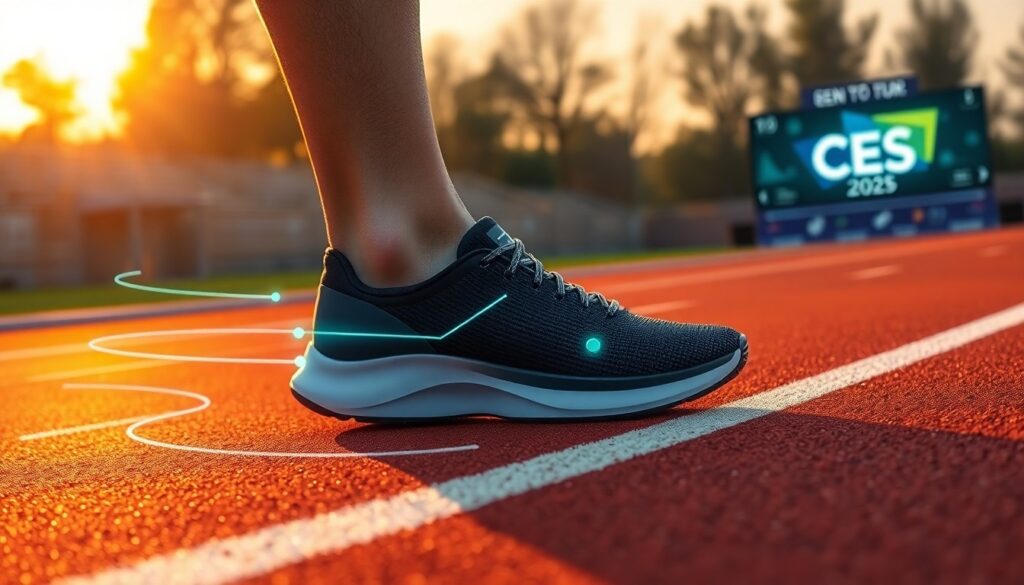
Xero Shoes Can Be A Reasonable Option For Some People With Mild-To-Moderate Neuropathy, But They Are Not The Right Fit For Everyone. If you have reduced protective sensation, active foot ulcers, or high ulcer risk, caution matters more than the brand name.
If you are trying to decide whether the tradeoff is worth it, start with the safety guidance in our diabetic safety guide and then compare the fit, flexibility, and transition advice below.
What To Know Before You Buy
| Question | What to look for | Why it matters for neuropathy |
|---|---|---|
| Do You Still Have Protective Sensation? | Light touch, pressure, and temperature awareness in your feet | Minimalist shoes can feel great when you can notice discomfort early, but risky if you cannot detect hotspots or rubbing. |
| Is Your Neuropathy Stable? | No active ulcers, skin breakdown, or rapidly changing symptoms | A stable foot is easier to monitor during a gradual transition to zero-drop footwear. |
| Do You Want More Ground Feel? | Thin sole, wide toe box, low stack height | That design may improve awareness of foot placement, but it does not replace medical treatment or pressure relief. |
| Do You Need More Protection Than Feedback? | Swelling, deformity, previous ulcers, or very high-risk diabetic feet | A more protective shoe may be the safer choice than a barefoot-style model. |
Why People With Neuropathy Consider Xero Shoes
The appeal is simple: Xero Shoes are lightweight, flexible, and built with a wide toe box and zero-drop platform. For some people, that combination feels less restrictive than traditional shoes and makes walking feel more natural.
That does not mean they are universally better for neuropathy. The main benefit is Potentially Improved Awareness Of The Ground And Foot Movement, not a cure for nerve damage. If you are comparing options beyond this page, the broader context in therapeutic benefits of Xero Shoes can help you separate comfort claims from the actual decision points.
For people who also want sensory input from an insole system, our guide to Xero Shoes and Naboso insoles explains how that pairing differs from a standard minimalist setup.
Who They May Help, And Who Should Be Careful
Potentially A Good Fit
- People with mild neuropathy who still notice pressure points and hot spots.
- Wearers looking for a wide toe box and more natural foot movement.
- Anyone who prefers a gradual move toward minimalist footwear rather than a heavily cushioned shoe.
Use Extra Caution Or Avoid
- Diabetic feet with ulcers, pre-ulcer lesions, or recent skin breakdown.
- Severe loss of protective sensation.
- Marked deformity, swelling, or a history of footwear-related sores.
How Xero Shoes Differ From More Protective Options
The key difference is the tradeoff between sensation and protection. A traditional supportive shoe usually adds cushioning, structure, and sometimes more room for orthotic control. Xero Shoes move the other way: less between you and the ground, more room for the toes, and more foot feedback.
| Feature | Xero Shoes | More protective shoe |
|---|---|---|
| Ground Feel | High | Lower |
| Cushioning | Minimal | Moderate to high |
| Toe Room | Wide | Varies |
| Best For | People who want sensory feedback and a lighter feel | People who need more protection or accommodation |
A Safer Way To Transition
A gradual transition is the part many people skip, and it is the part that matters most. If your feet are used to thicker soles, moving too fast can create calf strain, plantar irritation, or skin issues you might not notice immediately if sensation is reduced.
Start indoors for short sessions, check your feet after each wear, and increase time only when the shoes feel stable and comfortable. If you want a step-by-step approach to that process, the beginner transition guide is the best companion piece.
Transition Checklist
- Wear them for short walks first, not all-day use.
- Inspect the skin on your heels, toes, and midfoot after each test wear.
- Stop if you notice new tingling, pain, rubbing, or redness that lingers.
- Ask a podiatrist before switching if you have diabetes, circulation issues, or past ulcers.
Which Xero Models Make The Most Sense For Neuropathy?
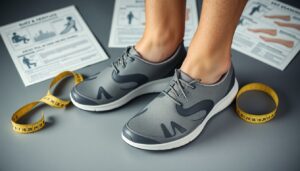
For neuropathy, the decision usually comes down to whether you want the most ground feel or a little more structure. The Prio is often the more straightforward minimalist pick because it keeps the shoe simple and flexible. Waterproof or more enclosed styles can make sense when weather protection matters, but that can also reduce the sensory feedback some users want.
The earlier comparison in this article reflects the same tradeoff: Prio For Feedback, Denver Wp For Protection From Wet Conditions. If you are trying to decide between a sensory-first and a weather-first shoe, that is the right lens to use.
Rule Of Thumb choose the least aggressive minimalist shoe that still feels comfortable and stable enough for your daily walking pattern.
If you need more detail on fit and sizing before you buy, the broader Xero Shoes benefits guide is a useful next stop, especially if you are comparing models across different use cases.
Bottom Line
Xero Shoes are not a universal neuropathy solution, but they can be a thoughtful choice for people who want more room, less interference, and better awareness of the ground. They make the most sense when neuropathy is mild or stable, when you can monitor your feet closely, and when you transition slowly.
If you have diabetes or a history of foot complications, keep safety first and use this page as a decision filter, not a green light. The safest path is often the one that combines the right shoe with the right medical advice.
Thinking About Trying Them?
Start with the diabetic safety guidance if that applies to you, then compare the transition plan and model differences before buying. That order keeps the decision grounded in risk, not marketing.
Frequently Asked Questions
Are Xero Shoes Good For Neuropathy?
They can be good for some people with mild or stable neuropathy who want a lightweight, flexible shoe with more ground feedback. They are not ideal for everyone, especially if you have severe sensory loss or high ulcer risk.
What Are The Best Shoes For Severe Neuropathy?
Severe neuropathy usually calls for the most protective option that still fits well, not the thinnest sole. In many cases, that means a more structured shoe or podiatrist-guided footwear rather than a barefoot-style model.
Do Barefoot Shoes Really Work For Neuropathy?
They can improve sensory awareness for some users, but they are not a treatment for neuropathy itself. Think of them as a footwear strategy that may help the right person, not a substitute for medical care.

Henry Harrington is a passionate author and content creator at My Shoes Finder, where he explores a wide range of topics related to footwear, lifestyle, and personal growth. With a keen eye for detail and a love for storytelling, Henry engages readers by sharing insights, tips, and personal anecdotes that resonate with his audience. His commitment to delivering high-quality content has established him as a trusted voice in the online community, inviting readers to step into new perspectives and discover their unique paths.
See also:
 Are Xero Shoes Safe For Diabetic Patients? Risks, Fit Checks, And Podiatrist Guidance
 Diabetic Neuropathy Shoes: Safe Features That Improve Comfort And Protection
 Xero Shoes + Naboso Insoles: Compatibility, Benefits, And Best Use Cases
 Xero Shoes For Children In 2025: Fit, Safety, And Best Models
 Xero Shoes For Bunions: What Helps, What Doesn’t, And Which Models Fit Best
 Xero Shoes For Nurses: Best Picks For 12-Hour Shifts
I found your insights on neuropathy and Xero Shoes incredibly thought-provoking. As someone who has witnessed a family member struggle with neuropathy, I can deeply appreciate the challenges it poses—not just in terms of mobility but also in the emotional landscape it creates. The sensation of numbness or tingling can feel isolating and frightening, and it often leads to a hesitance about physical activity that can have cascading effects on overall health and well-being.
It’s clear that you have a deep understanding of the complexity of neuropathy and the emotional challenges it brings. That feeling of isolation can be particularly tough. I’ve read about how the brain processes pain and discomfort, and it’s interesting how that can also influence our motivation to stay active. The hesitance you mentioned can create a cycle that’s hard to break, especially when physical activity is so crucial for both physical and mental health.
This is fascinating! It’s like giving your feet a mini spa day while taking on neuropathy—who knew grounding could be so chic? I halfway expect to see these shoes on the runway with models strutting their stuff while unknowingly supporting nerve health.
I love your take on the concept—it really does bring a fresh perspective to how we can blend fashion with wellness. Grounding is often overlooked, but it has such an intriguing way of connecting us to our environment and potentially improving our well-being. The idea of models walking the runway in stylish shoes that simultaneously support nerve health is quite inspiring.
It’s fascinating to see how innovative solutions like Xero Shoes are reshaping our understanding of managing neuropathy. The analogy of these shoes being akin to acupuncture for our soles really resonates; it’s a reminder of the intricate ways we can stimulate healing without invasive methods. I’ve witnessed firsthand how important it is for those with neuropathy to regain their confidence in movement—sometimes, the simple act of walking can feel daunting.
Your exploration of Xero Shoes and their potential for those managing neuropathy really resonates with the ongoing discussions around innovative approaches to health and well-being. The analogy of “acupuncture for your soles” captures the essence of how these minimalist shoes might not just provide comfort but actually enhance foot sensation, leading to improved quality of life for individuals facing such challenges.
Your exploration of neuropathy and the role of Xero Shoes is truly eye-opening. The idea of addressing neuropathy through minimalist footwear is particularly intriguing. Many people with diabetes or related conditions often feel that their footwear options are limited to supportive but bulky designs, which can sometimes exacerbate the very issues they’re trying to mitigate. The notion of enhancing proprioception and providing better ground feedback is not just about comfort; it seems like a crucial step toward restoring autonomy and confidence in mobility.
It’s interesting to think about how deeply our footwear choices can impact our overall health and sense of independence. You’re right that for many dealing with neuropathy, especially those with diabetes, the traditional options often feel limited to supportive but bulky designs, which can create a paradox where the very solution intended to help might actually hinder mobility and comfort.
You raise such a valid point about the paradox of supportive but bulky footwear. I’ve seen it firsthand with family members who struggle with neuropathy. They often feel frustrated by how difficult it can be to find shoes that balance both support and style. It’s like we’re navigating this narrow space where we want something that allows us to feel confident and independent, yet so many options force us into a mold that feels restrictive.
Your exploration of neuropathy and its challenges resonates deeply with many who navigate this journey. The way Xero Shoes address both comfort and neurological health is truly enlightening. Having struggled with similar issues myself, I appreciate the emphasis on enhanced proprioception and sensory recovery; it’s a reminder of how much our feet contribute to overall well-being.
It’s fascinating to see how products like Xero Shoes are bridging the gap between comfort and medical needs for those with neuropathy. The comparison to acupuncture is particularly apt—it’s amazing how something as simple as improved ground feedback can have such profound effects on our mobility and confidence.
It’s really great to dive into how products like Xero Shoes are making such a difference for people dealing with neuropathy. Your point about bridging comfort with medical needs really captures the essence of how innovative design can lead to better quality of life. There’s something to be said about how much we take feeling connected to the ground for granted until it becomes an issue.
You bring up some great points. It’s interesting how products like Xero Shoes really tap into the body’s natural support system. For people dealing with neuropathy, the sensation of the ground beneath their feet can change everything. It’s almost like tuning into a different frequency of awareness about what’s going on with their balance and movement.
I really appreciate how you framed neuropathy not just as nerve damage but as a sensory disruption that can truly alter daily life. It makes me think of how much our sensation and mobility are intertwined with our overall well-being. I’ve got a family member who has struggled with diabetes-related neuropathy for years, and they often feel lost when trying to find comfortable footwear that doesn’t exacerbate the issue.
You bring up a really important aspect of neuropathy that often goes overlooked. It’s true that our sensory experiences play a big role in how we navigate our day-to-day lives. When someone is dealing with neuropathy, especially from diabetes, the challenge isn’t just the pain or discomfort—it’s how it can change their entire relationship with movement and even their confidence in engaging with the world.
I really appreciate how you highlighted the connection between neuropathy and footwear. It’s fascinating how something as simple as shoe design can make such a big impact on sensory feedback and mobility. I’ve noticed that many people don’t realize how important it is to have good ground feedback, especially if they’re already dealing with issues like diabetes.
It’s fascinating to see how Xero Shoes are changing the landscape for those managing neuropathy. Having experienced the frustrating limitations of this condition myself, I can appreciate the importance of a product that not only prioritizes comfort but enhances sensory feedback.
It’s great to hear that you see the value in Xero Shoes, especially from your own experience with neuropathy. Living with this condition can be challenging, and finding the right footwear can make a real difference in daily comfort and mobility.
It’s great to hear your perspective on this. For many dealing with neuropathy, finding footwear that feels good can feel like a quest. Xero Shoes really do seem to hit the mark by creating something that doesn’t just support comfort but also brings back that connection to the ground.
It’s fascinating to see how innovative solutions like Xero Shoes are stepping in to address the challenges of neuropathy. The analogy of these shoes acting like “acupuncture for your soles” really resonates; it’s a beautiful way to convey how essential sensory feedback can be for those affected by conditions such as diabetes-related neuropathy.
I really appreciate your perspective on Xero Shoes and their approach to addressing neuropathy. It’s interesting to consider how footwear can be seen as a tool for enhancing sensory feedback, especially for those living with conditions like diabetes-related neuropathy. The analogy of them acting like “acupuncture for your soles” is quite poetic and highlights the often-overlooked connection between the ground we walk on and our overall wellbeing.
I completely resonate with your thoughts on Xero Shoes and the broader implications of how footwear affects our sensory experience. It’s fascinating to think about how something as simple as shoes can play a significant role in managing conditions like diabetes-related neuropathy. The idea of them acting like “acupuncture for your soles” really captures the essence of how connected we are to the ground.
It’s interesting to consider just how our shoes can impact our sensory experiences and overall health. When we look at footwear like Xero Shoes, it’s evident that the design not only prioritizes comfort but also supports our bodies in a way that aligns with our natural movement.
You’ve captured a really fascinating aspect of how footwear can influence our physical and mental health. The idea of shoes serving as a conduit for sensory feedback is often overlooked in traditional discussions about footwear. I find it particularly interesting when looking at how modern technology intersects with natural movement; companies like Xero Shoes challenge conventional designs and push us toward a more minimalist approach.
What a refreshing take on neuropathy management! It’s about time we had a shoe that feels like a mini spa day for our feet. I can just imagine stepping into a pair of Xero Shoes and experiencing that gentle stimulation as if my soles were getting a foot massage—all while I tackle the perils of daily life like dodging Lego bricks on the floor.
It’s great to hear your enthusiasm for the idea of a shoe that offers a mini spa day for our feet—that’s a fantastic way to think about it. The gentle stimulation you mentioned can really make a difference for those dealing with neuropathy, both physically and mentally. It’s like transforming our everyday routine into something a bit more enjoyable.
It’s interesting how something as simple as footwear can have such a profound impact on our well-being, especially when dealing with neuropathy. The idea of shoes feeling like a mini spa day for our feet really adds a new dimension to self-care, doesn’t it? I’ve often thought about how important foot health is yet it’s something that tends to get overlooked.