

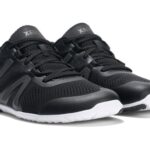
Twelve-hour nursing shifts punish your feet in a way most shoes never see. If you want the shortest path to comfort, the Xero Prio is the best all-around pick for most nurses, while the Xero Hfs is the better call for hotter floors and sweat-prone feet.
If you’re comparing models for shift comfort, start with our best barefoot shoes for nurses guide and then narrow the choice by fit, moisture, and break-in time.
Best Xero Shoes for 12-hour nursing shifts
| Need | Best pick | Why it works |
|---|---|---|
| Most nurses, all-day comfort | Xero Prio | Stable feel, easy cleaning, and the least awkward transition for long hospital days. |
| Sweaty feet or warm floors | Xero Hfs | Light mesh and faster drying help when breathability matters more than a firmer upper. |
| Wide feet or toe splay | Prio, Sized Carefully | The shape suits a natural toe spread better than many narrow nurse shoes. |
| Minimal break-in tolerance | Hfs Or Another Supportive Xero Model | Lighter feel can be easier if you’re new to zero-drop shoes and need a gentler start. |
Why This Page Is Different From A General Nurse-Shoe Roundup
A broad “best shoes for nurses” page should compare brands, styles, and tradeoffs across the whole market. This page stays narrower: it is about whether Xero Shoes are a smart choice for a 12-hour shift, which model is best on hospital floors, and how to avoid the common mistakes people make when they buy minimalist footwear for work.
That distinction matters because shift shoes live or die on practical details: how fast they dry after cleaning, whether they hold up to nonstop walking, how the toe box behaves after hour eight, and whether the break-in period fits your schedule. If your main problem is foot fatigue rather than style, durability, or brand comparison, this guide is the right place to start.
What Xero Shoes Do Well On Long Shifts
The appeal of Xero Shoes for nurses is not that they feel plush right away. It’s that they give your feet room to move naturally, stay light during long walks between rooms, and avoid the stiff, sweaty feel that can make a shift drag. The zero-drop platform keeps your heel and forefoot level, which many nurses find easier on the legs during long periods of standing.
The original article leaned hard on general barefoot-shoe benefits, but for nurses the useful question is simpler: will the shoe still feel manageable at hour ten? In practice, Xero’s strongest advantages are the wide toe-friendly shape, low weight, and materials that are easier to clean than many traditional work shoes.
Prio Vs Hfs For Hospital Floors
The Prio is usually the safer recommendation for most nurses because it balances structure and mobility. The Hfs feels airier and can be the better fit if your main complaint is heat buildup, damp socks, or a shoe that feels heavy by the end of the day.
- Prio better for all-around shift use, hospital corridors, and nurses who want a more stable first minimalist shoe.
- Hfs better for sweaty feet, hotter units, or anyone who prioritizes breathability over a slightly more structured feel.
- Either Model works best when sized accurately and broken in gradually.
If your fit is still uncertain, use the Xero sizing guide before ordering. A correct fit matters more in minimalist shoes because the shoe is not hiding a sizing mistake with heavy padding.
The Shift-Day Reality: Standing, Walking, And Cleaning
Nursing shifts are not just long; they are broken into constant micro-movements. You step from room to room, pivot fast, crouch, lift, and stand again. That means comfort is not only about cushion. It’s also about how well the shoe moves with you, whether the upper feels irritating after repeated bends, and how easily it recovers after cleaning.
For many nurses, the more relevant issue is moisture. If your feet run hot, a model with better airflow can feel dramatically better by the last few hours of the shift. For a deeper look at that specific problem, see our moisture-control guide for sweaty feet.
How To Choose The Right Xero Model For Your Shift
The best way to shop Xero for nursing is to match the shoe to the part of the shift that breaks you down first. Some nurses want more room in the forefoot. Others want the lightest possible feel. Others just need a pair they can clean quickly and put back into rotation the next day.
Fast decision guide
- Choose Prio if you want the most balanced option for long shifts and general hospital use.
- Choose Hfs if heat and sweat are your biggest problems.
- Choose A Wider Fit if your feet swell late in the day or you rely on toe splay to stay comfortable.
- Choose The Easier Break-In Option if you’re new to barefoot shoes and still working full clinical weeks.
If you already know you need more room up front, the wide-feet guide is useful context before you commit to a model. Nurses often underestimate how much swelling happens by the end of a 12-hour shift.
Cleaning, Hygiene, And Why It Matters In Healthcare
One of the practical reasons nurses look at Xero Shoes is cleanup. Work shoes for healthcare need to be easy to wipe down, quick to dry, and durable enough to handle repeated sanitizing. The original content overstated hygiene claims, so the more useful framing is this: Xero’s materials are convenient for regular cleaning, and that convenience matters when your shoes are part of a work rotation.
The combination of a light build and breathable upper helps reduce the stale, damp feel that can build across back-to-back shifts. For readers whose main priority is sweat management, the sweaty-feet article goes deeper into what to look for before buying.

Break-In Time And What To Expect The First Week
A lot of nurses like the idea of minimalist shoes and then get stuck on the adjustment period. That’s normal. If you’re coming from cushioned clogs or a heavily padded sneaker, the first several wears can feel different in the calves, arches, and toes. The key is to start gradually rather than wearing them for a full shift on day one.
Most people do better when they wear the shoes for a few hours off-shift first, then build up toward a full workday. If you want a more structured transition, the microdosing transition guide is a useful companion read.
Transition tip for working nurses
- Start with short wear windows on days off.
- Use them for lighter shifts before full 12-hour days.
- Watch for calf tightness and arch fatigue during the first week.
- Do not judge the fit only by the first hour; judge it by hour nine.
When Xero Shoes Make The Most Sense For Nurses
Xero Shoes make the strongest case when your problem is fatigue from standing and walking, not a need for big cushion. They also make more sense if you prefer a roomier toe box, want lighter shoes for fast-paced units, or are looking for something that doesn’t stay damp after a long shift.
They are less compelling if you want a max-cushion feel on day one, if you dislike any adaptation period, or if your workplace rules require a very specific uniform shoe. In those cases, it’s worth comparing this page with the broader all-day comfort guide before deciding.
Best next step
If you want the most practical Xero for a 12-hour shift, start with the Prio, then compare sizing and moisture needs before you buy.
Frequently Asked Questions
What Xero Shoes Are Best For Nurses?
The Xero Prio is the best starting point for most nurses because it offers the most balanced mix of comfort, durability, and everyday shift usability. The Hfs is a better fit if breathability is your top concern.
Are Barefoot Shoes Recommended For Nurses?
They can be, especially if you want a wide toe box, lighter footwear, and a flatter platform for long standing or walking shifts. The best results usually come from a gradual transition rather than switching overnight.
What Shoes Are Good For 12-Hour Nursing Shifts?
For 12-hour shifts, the best shoes are the ones that stay comfortable late in the day, dry quickly, and fit well when your feet swell. Xero’s Prio and HFS are both strong candidates depending on whether you value stability or airflow more.
What Shoes Are All The Nurses Wearing?
There isn’t one universal answer, but nurses commonly choose shoes that combine comfort, easy cleaning, and long-wear durability. If you’re comparing minimalist options against more traditional work shoes, start with the broader nurse-shift comparison and then narrow by fit.

Oliver Prescott is a dedicated author and content creator at My Shoes Finder, where he explores a diverse range of topics focusing on lifestyle, fashion, and personal development. With a keen eye for detail and a passion for storytelling, he connects with readers by providing insightful and engaging content. Oliver’s writing aims to inspire and inform, making complex ideas accessible and relatable to a broad audience. When he’s not writing, he enjoys exploring new shoe trends and sharing his findings with fellow enthusiasts.
See also:
 Xero Shoes For Nurses: Biomechanics, Comfort, And Shift-Ready Fit
 Hfs Original Vs. Hfs Ii: Which Xero Hfs Is Better For You?
 Best Xero Shoes for Summer Travel: Lightweight Barefoot Picks for Road Trips, Flights, and Everyday Walking
 Best Xero Shoes For Sweaty Feet: Breathable Picks And Moisture Control Tips
 Barefoot-Inspired Shoes for Road Trips, BBQs, and Everyday Summer Wear: Xero Americana Collection Review
 Xero Hfs Ii Men’s Review: Fit, Grip, And Lab-Tested Performance In 2025



It’s fascinating how the right footwear can make such a significant difference in a demanding profession like nursing. I recently switched to barefoot shoes for my long shifts, and I’ve definitely noticed less fatigue by the end of the day. The focus on comfort and hygiene is more important than ever, especially in healthcare settings where every detail counts.
It’s fascinating to see how footwear technology is evolving to meet the unique challenges faced by healthcare professionals. I’ve personally experienced the toll that a long shift can take on my feet and how critical the right gear is to staying focused and efficient. I remember a particularly grueling week where I wore traditional clogs, and by the end, I felt like I had run a marathon, not just walked through one.
I can totally relate to your experience with long shifts and the toll they take. It’s interesting how footwear often gets overlooked in discussions about healthcare gear, but it plays such a pivotal role in keeping us on our feet – literally. Those traditional clogs do have that classic appeal, but after hours of standing, they can feel like a weight.
If you’ve ever struggled with foot fatigue during long shifts, I found an article that dives into a solid alternative to traditional footwear that really gets how important the right shoes can be for healthcare professionals.
‘Xero Shoes for Nurses: The Best Barefoot Shoe Option for Long Shifts’
https://myshoesfinder.com/best-barefoot-shoes-for-nurses-long-shifts/.
This is such an important discussion, especially for those of us in the healthcare field who know all too well the toll long shifts can take on our bodies. The fact that barefoot shoes like the Xero Prio and HFS can reduce foot pain by 47% based on research from a credible institution like the Mayo Clinic is quite compelling. I’ve experienced firsthand how the right footwear can make a world of difference—not just for comfort, but for overall energy levels and focus throughout a grueling shift.
It’s so refreshing to see a spotlight on the often-overlooked topic of footwear in the healthcare field! As someone who has spent time in both clinical settings and on my feet all day in general, I deeply appreciate the critical role that proper shoes play in maintaining not only physical health but also mental stamina during those grueling 12-hour shifts. I can personally relate to the marathon analogy; there have been moments when I’ve left a shift feeling like I’ve run a race, only to remember that I hadn’t moved beyond the walls of the hospital.
You’ve hit on a key point that often doesn’t get the attention it deserves. It’s easy to focus on the intense demands of a healthcare job and overlook how something as seemingly simple as footwear can play a pivotal role in overall well-being. Your experience of leaving a shift feeling like you’ve just run a marathon really captures the toll that being on your feet for hours can take.
It’s so true that the right footwear can make a huge difference in a demanding job like nursing. I recently switched to barefoot shoes as well, and I’ve noticed a significant decrease in foot fatigue during my shifts. The constant movement and stress can be overwhelming, so finding ways to support our bodies is essential.
Your insights on the importance of proper footwear for healthcare professionals really resonate with me. During my own experiences working in busy hospital environments, I’ve often felt the toll that prolonged hours on my feet can take—not just physically, but mentally as well. Investing in footwear like the Xero Shoes seems to be a practical solution for addressing both comfort and hygiene, which are crucial in a clinical setting.
It’s fascinating to see how important footwear can be in such demanding professions like nursing. I’ve personally felt the difference when switching to shoes that prioritize comfort and support. The reduction in foot pain is not just about physical relief; it also contributes to better focus and mental clarity during those long shifts.
You make a great point about the connection between footwear and overall performance in demanding jobs like nursing. It’s interesting how something as simple as a good pair of shoes can have a significant impact not just on physical comfort, but also on mental clarity.
It’s interesting to see how much footwear can impact our day-to-day endurance, especially in demanding professions like healthcare. I’ve personally experienced that heavy, traditional shoes can really take a toll during those long shifts. The stats on foot pain reduction with shoes like Xero Prio are pretty eye-opening!
I found your insights on the challenges of a 12-hour nursing shift, especially regarding the importance of footwear, quite relevant. Having worked in a similar demanding environment, I can wholeheartedly relate to the sheer physical toll that such long hours can take on our bodies. It’s fascinating to learn about the Xero Prio and HFS shoes and how they address these challenges.
Your insights into the challenges faced during a 12-hour nursing shift are spot on. The physical demands are often underestimated, and I can attest to the significant difference that proper footwear can make. After transitioning to barefoot shoes myself, I’ve noticed not only a reduction in foot pain but also improved posture and overall energy levels throughout the shift.
It’s great to hear your personal experience with barefoot shoes and how they’ve made a difference for you during those long shifts. Footwear can really be a game changer in nursing, where the demands on our bodies often go beyond what we anticipate.
I can relate deeply to the sentiments expressed in your post regarding the challenges faced during a 12-hour nursing shift. As a healthcare professional, I’ve experienced firsthand how grueling these shifts can be—not just physically, but also mentally. After a full day on my feet, I often find my energy depleted and my body aching in ways I didn’t think were possible. The mention of barefoot shoes like the Xero Prio and HFS really resonates with me; I’ve been exploring the concept of minimalist footwear, and I appreciate how you highlighted their potential benefits for those of us working in demanding environments.
It’s really refreshing to connect with someone who understands the reality of those 12-hour shifts. They can truly take a toll, can’t they? It often feels like we’re running a marathon, both physically and mentally. I’ve noticed that those long hours make it crucial to find ways to support our bodies, and that’s where those minimalist shoes come into play.
I completely understand where you’re coming from. Those 12-hour shifts can be relentless, both physically and mentally. It’s almost like you enter a different state of being where you’re just going through the motions, pushing through the fatigue.
Reading about the importance of proper footwear for those brave enough to tackle a 12-hour nursing shift makes me feel almost nostalgic for my days working in fast food. You’d think the oil-slick floors and the incessant “Are fries gluten-free?” questions were hard, but those 8-hour shifts were a walk in a park—if that park was made of cement and there were very few benches.
You raise an excellent point about the significance of footwear for healthcare professionals enduring long shifts. As someone who has worked alongside nurses and other healthcare workers, I can attest to the physical toll that a demanding 12-hour shift can impose on the body. It’s not just about the fatigue that sets in, but also the cumulative strain on feet, joints, and even the back, which can lead to lasting discomfort if not addressed properly.
It’s really important to shine a light on the physical toll that long nursing shifts can take on our bodies. I’ve experienced first-hand the fatigue and discomfort that come from hours spent standing and moving, so I appreciate how you’ve highlighted the crucial role that appropriate footwear plays in alleviating some of that strain.
I really appreciate how you highlighted the specific challenges that come with a 12-hour nursing shift. It’s truly a demanding job, and I’ve seen firsthand how crucial it is to find the right tools to help manage those demands. Footwear is one of those key elements that often gets overlooked. Nurses spend so much time on their feet, and yet many still cling to traditional clogs out of habit or because they seem to be the safer bet.
It’s fascinating to see how the right footwear can have such a significant impact on the well-being of healthcare professionals during those grueling 12-hour shifts. I’ve often reflected on how much we underestimate the importance of our shoes, especially in a demanding environment like nursing. The statistic about Xero Shoes providing 47% less foot pain really caught my attention; that kind of relief is invaluable when every second of comfort counts.
You’re spot on about how crucial the right footwear is, especially in nursing. Those long shifts are definitely no joke, and it’s easy to overlook how much our shoes can influence not just comfort but overall well-being in such demanding roles.