
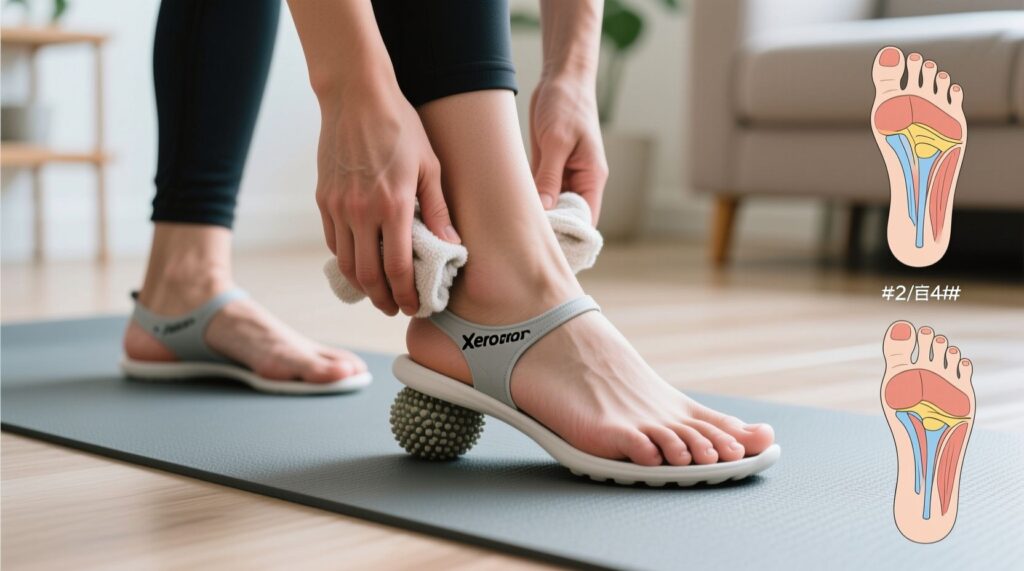
Xero Shoes can be a smart option for some people with plantar fasciitis, but the win usually comes down to fit, a careful break-in, and choosing the right model for your foot shape. If you want the broader evidence-based buying angle, start with our main Xero Shoes plantar fasciitis guide; this page focuses on the support-stage decisions that help you avoid costly mistakes.
What Matters Most Before You Buy
Plantar fasciitis relief is rarely about a single feature. The right pair usually depends on whether you need a roomy toe box, a predictable zero-drop feel, and enough time to adapt without flaring symptoms.
- Best For people who already tolerate minimal footwear or want a roomier, more natural-feeling shoe.
- Be Cautious If your feet are highly sensitive, you are coming straight from heavily cushioned shoes, or your heel pain is currently acute.
- Before Ordering check size, width, return policy, and how much ground feel the model delivers.
| Decision point | What to look for | Why it matters for plantar fasciitis |
|---|---|---|
| Fit | Enough length for toe wiggle, secure midfoot hold, and no pressure on the heel | Crowding or heel rub can make sore feet feel worse fast |
| Drop And Cushioning | Zero-drop geometry and a level platform | Can feel better for some, but may require an adjustment period |
| Toe Box | Wide enough for natural toe splay | Less compression can reduce pressure points and improve comfort |
| Return Policy | A return window that gives you time to test indoors | You need a realistic try-on period to judge comfort safely |
Plantar Fasciitis Basics, Kept To What Affects Shoe Choice
Plantar fasciitis causes heel pain when the plantar fascia, the thick band of tissue along the bottom of the foot, becomes irritated. The most useful clues for shoe shopping are the symptoms that show up with load: sharp morning heel pain, discomfort after rest, pain after exercise, and tenderness when standing or walking barefoot.
That is why this topic overlaps with a broader buyer guide, but the practical question is narrower: how do you choose Xero Shoes in a way that supports your feet instead of provoking them? The answer is less about hype and more about fit, transition speed, and whether the shoe suits your current pain level. If you are still deciding whether minimal footwear is right for you, these transition tips for barefoot shoes are a useful next read.
What The Zero-Drop Feel Changes
A zero-drop sole keeps the heel and forefoot level. For some people, that encourages a more natural stance and reduces the feeling of being pitched forward. For others, it can increase calf and arch demand at first, which is why a gentle transition matters.
How To Judge Comfort Without Guessing
Comfort should be evaluated in stages, not in one quick try-on. First, check standing comfort indoors. Then walk on a hard floor for several minutes. Only after that should you test a longer day, because plantar fasciitis often reacts to cumulative load rather than a single step.
If the shoes feel great for 10 minutes but create tightness, heel irritation, or arch fatigue later, that is important information. Treat that as a sizing or model mismatch, not a failure of the entire category. For many readers, the most practical next move is to compare the shoe against a size and fit resource such as the Xero Shoes size guide or a measuring guide for finding your size.
Comfort-Window Checklist
- Your toes can spread without rubbing the upper.
- Your heel does not lift excessively while walking.
- You can wear the shoes for short sessions without your pain escalating sharply.
- Any arch or calf discomfort fades after brief use rather than building through the day.
Sizing Mistakes That Make Plantar Fasciitis Harder To Manage
Most return-worthy problems are predictable. Ordering too small creates toe compression and pressure across the forefoot. Ordering too large can create heel movement and friction. Choosing a model just because it has a barefoot label, rather than confirming width and hold, is another common miss.
If your feet are especially wide, uneven, or sensitive in the heel area, pay extra attention to width charts and the fastening system. It can also help to read a dedicated policy page before you buy, especially when you are balancing comfort concerns with shipping time. The Xero Shoes exchange and returns guide is the right place to check what happens if your first choice is not the right fit.
Who Should Consider Xero Shoes, And Who Should Pause
A clearer decision frame keeps this page useful without competing with the broader guide.
- Consider Them Now if you want a roomier toe box, already tolerate low-drop footwear, or prefer a flexible shoe for everyday wear.
- Pause And Transition Slowly if your plantar fasciitis is flared up, your calves are tight, or you usually wear heavily cushioned shoes.
- Choose Another Route First if you need immediate maximum cushioning, or if you are still working out basic fit and size questions.
A Simple Way To Use The Shoes Safely
If you do buy Xero Shoes for plantar fasciitis, think in short adaptation blocks rather than all-day wear on day one. Start with short indoor sessions, then brief errands, then longer outings only if symptoms stay calm. That gradual approach gives your feet time to adjust while making it easier to notice whether the pair actually helps.
Pairing the shoes with basic foot-strength work and regular stretching can improve the odds of a smooth transition. The original article’s advice about maintenance still holds: clean the shoes, let them air out, rotate pairs if possible, and check the soles for wear. Those habits do not cure plantar fasciitis, but they help the shoes keep performing the way they should.
The same idea applies to customization. A snug-but-not-tight lacing pattern, a secure midfoot, and enough forefoot room can materially change how the shoe feels over a long day. If you are still unsure about the category itself, the broader Xero Shoes for plantar fasciitis guide gives the fuller buyer context and is the better page for comparing models and use cases.
Ready To Narrow Your Choice?
Use the fit and comfort checks above, then compare your shortlist against the main guide before you order. If you need to confirm size, the return-policy page is the safest next stop.
Common Questions
Are Xero Shoes Good For Plantar Fasciitis?
They can be, especially if you need a wide toe box and prefer a minimal, zero-drop feel. The key is whether your feet tolerate that setup and whether the model fits well enough to avoid pressure points.
Should You Wear Zero-Drop Shoes With Plantar Fasciitis?
Some people do well with zero-drop shoes, but others need a gradual transition. If you are new to the category, start slowly and watch for calf tightness or increased heel pain.
Will Barefoot Shoes Fix Plantar Fasciitis?
No shoe reliably fixes plantar fasciitis on its own. Barefoot shoes may help some people by improving toe room and encouraging natural movement, but symptoms still depend on fit, load management, and adaptation time.
What Do Podiatrists Say About Zero-Drop Shoes?
Opinions vary. Many emphasize that the right shoe depends on the person, the condition stage, and how the shoe is introduced. That is why a cautious fit-and-transition approach is usually safer than an all-at-once switch.

Ethan Marshall is a passionate writer and content creator at My Shoes Finder, where he explores a diverse range of topics, from lifestyle and fashion to innovative products and personal development. With a keen eye for detail and a commitment to delivering engaging and informative content, Ethan connects with readers by sharing insights that inspire and inform. He believes in the power of storytelling to influence positive change, and he continually seeks to provide valuable perspectives that resonate with his audience.
See also:
 Xero Shoes For Back Pain And Posture: What Helps, What Doesn’t, And How To Transition
 Who Founded Xero Shoes? The Origin Story Behind The Brand
 Xero Shoes For Children In 2025: Fit, Safety, And Best Models
 Xero Shoes For Walking: Comfort, Fit, And Who They Suit Best
 How To Measure Your Feet For Xero Shoes Size Fit
 Xero Shoes For Plantar Fasciitis In 2025: Evidence, Benefits, Risks, And Best Practices

I really appreciate how you’ve highlighted the benefits of barefoot shoes for managing plantar fasciitis. I’ve dealt with foot pain myself and found that transitioning to minimalist footwear made a huge difference. It took a bit of time to adjust, but allowing my foot to move more naturally felt freeing after years of being in restrictive shoes.
You’ve touched on an important aspect of foot health that often gets overlooked in mainstream discussions. The connection between footwear and conditions like plantar fasciitis is so crucial, yet many people still don’t realize how much their choice of shoes can impact their overall mobility and comfort.
You’re so right about the connection between footwear and conditions like plantar fasciitis. It’s fascinating how something as seemingly simple as choosing the right shoes can have such a significant impact on our overall mobility and comfort. I know from experience how easy it is to overlook this aspect of foot health until you’re dealing with the discomfort that can come along with it.
I completely resonate with your view on the importance of barefoot shoes for managing plantar fasciitis. After struggling with foot pain for years, I decided to give barefoot footwear a try, and the difference has been remarkable. It’s fascinating how reverting to a more natural foot movement can alleviate so much discomfort.
I really resonated with your insights on barefoot shoes for managing plantar fasciitis. It’s interesting to see how our understanding of foot health has evolved over time. When I first started experiencing discomfort, I had no idea how much the footwear we choose can either exacerbate or alleviate those issues. It wasn’t until I switched to more minimalist options that I truly began to understand the importance of letting my feet move naturally.
Your insights on the importance of barefoot shoes for managing plantar fasciitis resonate with my own experiences. I’ve struggled with foot pain for years, and transitioning to barefoot footwear truly changed the game for me. It was surprising to discover how much of an impact natural foot movement has on overall comfort.
You’ve raised some important points about barefoot shoes and their role in managing plantar fasciitis. I’ve personally found that transitioning to barefoot footwear has not only helped alleviate my foot pain but also improved my overall posture and balance. It’s fascinating how our natural foot movement can be so easily compromised by conventional shoes with rigid structures.
Your insights on the importance of barefoot shoes for managing plantar fasciitis resonate deeply with me. It’s fascinating how footwear can play a pivotal role in our overall foot health, particularly for those battling the daily discomfort associated with conditions like plantar fasciitis. The connection you’ve drawn between natural foot movement and pain relief is a crucial point that often gets overlooked in mainstream discussions about foot health.
Your insights on the importance of barefoot shoes for managing plantar fasciitis resonate deeply with me. Having struggled with foot pain in the past, I’ve found that transitioning to more natural footwear helped me not only alleviate discomfort but also regain confidence in my mobility. It’s fascinating how modern footwear design can often conflict with our body’s natural mechanics.
I appreciate your insights on the importance of barefoot shoes for managing plantar fasciitis. As someone who has struggled with similar foot issues, I’ve found that transitioning to more minimalist footwear has indeed encouraged a more natural gait and reduced discomfort over time.
I completely resonate with your perspective on barefoot shoes for managing plantar fasciitis. It’s fascinating how something so simple can have such a profound impact on foot health. I’ve been exploring barefoot footwear myself, and I’ve noticed that it really does change the way my feet engage with the ground.
Your discussion on the role of barefoot shoes in managing plantar fasciitis resonates with my experiences as well. I’ve found that the benefits of these shoes align not just with foot health but also with overall biomechanics. The freedom of movement that barefoot shoes provide seems to encourage a more natural gait, which has helped me alleviate some discomfort I’ve faced due to a sedentary lifestyle.
I can really relate to your experiences with barefoot shoes and how they have positively impacted not just foot health but overall biomechanics. It’s interesting how something as simple as footwear can influence our movement patterns so significantly.
I completely resonate with your perspective on barefoot shoes for managing plantar fasciitis! I’ve experienced my own struggles with foot pain, and transitioning to barefoot footwear has genuinely changed the game for me. The focus on natural movement really helps alleviate the pressure on the plantar fascia, allowing me to stay active without the discomfort I used to face.
It’s great to hear how transitioning to barefoot shoes has made such a positive impact on your foot health. It really illustrates how important it is to listen to our bodies and make changes that align with how we’re meant to move.
I’ve been on the barefoot shoe journey for a while now, especially since dealing with my own plantar fasciitis. It’s interesting how shifting from traditional footwear to minimalist options has really changed how I perceive pain and comfort. I appreciate how you emphasize natural foot movement. I’ve found that it’s not just about reducing strain but also about strengthening the little muscles in my feet that I didn’t even know existed!
You raise some important points about the nuances of selecting the right footwear for plantar fasciitis. The emphasis on fit, break-in periods, and individual foot shape is crucial—it’s easy to overlook these factors when bombarded with marketing claims about the “perfect” shoe.
Your insights on the fit and break-in process for Xero Shoes when dealing with plantar fasciitis really resonate with my own experience navigating the world of minimal footwear. Like many, I initially transitioned from traditional, heavily cushioned shoes, assuming that a gradual adjustment would ease the shift. However, a deeper understanding of how crucial the right fit is, especially concerning toe box space and ground feel, plays a pivotal role in mitigating discomfort.
I appreciate how you emphasize the importance of fit and a careful break-in when it comes to Xero Shoes for plantar fasciitis. It’s fascinating to see how individual preferences and foot shapes can significantly impact comfort and relief! I remember transitioning to minimal footwear myself and initially faced some discomfort, but it was all about finding the right model that matched my foot’s needs.