
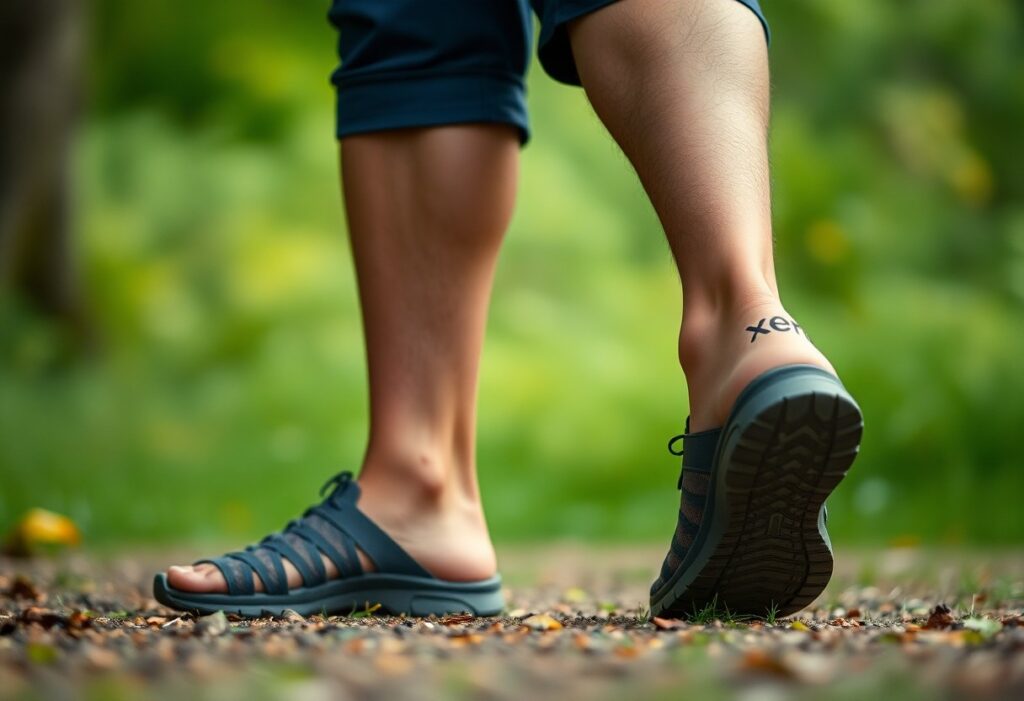
Arthritis can make even short walks feel like a negotiation. For some people, Xero Shoes may help by reducing toe crowding, improving ground feel, and encouraging a more natural stride—but they are not the right answer for every joint problem.
If you are comparing minimalist footwear for painful joints, start with the broader movement patterns first and then narrow into arthritis-specific needs. A useful place to begin is the knee pain guide, then come back here to judge whether your symptoms are better matched to arthritis-focused footwear choices.
What Matters Most If You Have Arthritis
The best shoe is the one that reduces aggravation without forcing your feet into a dramatic transition. For arthritis, that usually means checking pain response, swelling tolerance, stability, toe room, and whether you can handle a zero-drop feel.
Why Arthritis Is Different From Generic Foot Pain
Arthritis is not just “sore feet.” It often involves inflammation, stiffness, reduced range of motion, joint swelling, and changes in how you load the foot, ankle, knee, or hip. That is why a shoe can feel comfortable for one person with foot discomfort but be a poor choice for someone with an inflamed joint.
Xero Shoes may help when the problem is related to toe compression, rigid soles, or altered mechanics that make movement feel trapped. They are less useful when the main issue is active inflammation, severe instability, or a joint that needs more temporary protection than a minimalist shoe can provide.
Practical Takeaway If your arthritis symptoms settle with natural movement and roomy footwear, Xero Shoes may be worth testing gradually. If your pain spikes with every step, start with medical guidance and a more protective shoe setup first.
For readers whose discomfort is more about lower-limb mechanics than a confirmed arthritis pattern, the therapeutic benefits of Xero Shoes guide gives a wider view of how minimalist shoes are used for comfort and movement support.
The Features That Matter For Arthritic Feet
Wide Toe Box
Room for toe splay can reduce pressure on bunions, stiff forefeet, and joints that dislike compression.
Zero-Drop Feel
A level heel-to-toe position can feel more natural for some walkers, but it also demands an easier transition.
Flexible Sole
Flexibility can improve ground feedback and reduce the stiff, braced feeling that some arthritic feet resent.
Stable Base
A shoe can be minimalist and still feel steady; for arthritis, that sense of control matters more than marketing language.
If you are choosing between minimalist models, a fit-focused article like Xero Shoes plus custom orthotics can help when you need more room to experiment with inserts or swelling-related fit changes.
Which Xero Model Makes The Most Sense?
No single model is best for every arthritic joint. The better question is whether you need more flexibility, more security, or a little more underfoot comfort while still staying close to the ground.
The earlier article’s model comparisons leaned too hard on generic performance claims. For arthritis, the better filter is whether the shoe helps you move more easily without provoking the next-day stiffness that often tells the real story.
How To Transition Without Triggering A Flare-Up
The most common mistake is switching too fast. Arthritic joints usually respond better to slow testing than to a full wardrobe swap.
- Start with short wear sessions on flat, predictable ground.
- Check the next morning, not just the first ten minutes.
- Increase wear time only when stiffness and swelling stay steady.
- Keep one more supportive shoe in rotation during the transition.
- Stop if pain becomes sharper, more inflamed, or clearly worse with each outing.
This is where arthritis differs from a general comfort issue. For some people, a flexible shoe improves motion and reduces guarding. For others, especially during a flare or when stability is already poor, more structure is the safer short-term choice.
If your symptoms overlap with forefoot pain, a separate condition-specific read on plantar fasciitis relief with Xero Shoes may help you separate heel-driven discomfort from joint-driven stiffness.
When Xero Shoes Are Worth Trying
They make the most sense if your arthritis is relatively stable, your main complaint is stiffness or toe crowding, and you want a lighter, more natural-feeling shoe to test carefully.
If your pain is centered higher up the chain, especially around the knees, a more direct comparison belongs in the knee pain guide. If you need a broader look at the brand’s comfort profile, use the therapeutic benefits article after you’ve ruled out arthritis-specific fit concerns.
How To Decide Before You Buy
Use the checklist below to pressure-test the choice before you commit. It keeps the decision grounded in symptoms instead of brand hype.
- Can you tolerate less arch structure without feeling unstable?
- Do your toes need more room to reduce crowding and rubbing?
- Are your symptoms mild enough to allow a slow transition?
- Will the shoe still feel okay on the worst day, not just the best one?
- Does the current issue feel like arthritis inflammation rather than simple fatigue?
If you answer “no” to most of those questions, a minimalist shoe may not be the first move. That does not mean Xero Shoes are wrong forever; it just means the timing may be off.
What The Research And User Experience Suggest
The useful pattern in both research discussions and user reports is not “Xero Shoes cure arthritis.” It is more modest and more believable: some wearers experience less toe compression, better ground awareness, and a more comfortable walking rhythm when the transition is gradual and the fit is right.
People who do poorly with minimalist shoes usually share a few traits: they switch too fast, they have unstable joints, they expect the shoe to replace treatment, or they keep walking through swelling that should have slowed them down. That is why the safest results come from pairing footwear changes with symptom tracking and professional guidance when needed.
- Potential Benefit less compression and a more natural stride.
- Potential Drawback more demand on tissues that already struggle with load management.
- Best Mindset test, observe, and adapt rather than assuming immediate relief.
For readers who suspect nerve symptoms, numbness, or reduced sensation are part of the picture, the narrower Xero Shoes for neuropathy guide is the better next stop because the decision criteria are different.
A Few Related Questions Readers Usually Ask
If your priority is buying guidance rather than symptom theory, focus on fit, flare-up tolerance, and how your joints feel the next day. That is the clearest test of whether Xero Shoes belong in your rotation.

Henry Harrington is a passionate author and content creator at My Shoes Finder, where he explores a wide range of topics related to footwear, lifestyle, and personal growth. With a keen eye for detail and a love for storytelling, Henry engages readers by sharing insights, tips, and personal anecdotes that resonate with his audience. His commitment to delivering high-quality content has established him as a trusted voice in the online community, inviting readers to step into new perspectives and discover their unique paths.
See also:
 Xero Shoes For Bunions: What Helps, What Doesn’t, And Which Models Fit Best
 Barefoot Shoes And Knee Pain Prevention: What The Science Suggests In 2025
 Xero Shoes For Nurses: Best Picks For 12-Hour Shifts
 Xero Shoes For Achilles Tendonitis: 2025 Rehab Protocol And Loading Guide
 Therapeutic Benefits Of Xero Shoes: Who They May Help And When To Avoid Them
 How To Transition To Barefoot Shoes After 50: A Safe Step-By-Step Guide

This is a compelling exploration of how footwear can influence joint health, particularly for those living with arthritis. I resonate with the idea that shoes designed for natural movement can play a crucial role in alleviating discomfort. In my own experience, transitioning to minimalist shoes has led to noticeable improvements in my foot and joint health, helping me maintain mobility with greater ease.
It’s interesting to hear how minimalist shoes have positively impacted your foot and joint health. I’ve been reading about the evolution of footwear and how much it can influence our overall well-being. The focus on natural movement really resonates with me, as it seems like a fundamental aspect of maintaining mobility, especially for those managing chronic conditions like arthritis.
Your exploration of how barefoot shoes like Xero Shoes can assist individuals with arthritis is both insightful and timely. It really highlights the often-overlooked connection between footwear and joint health, which deserves more attention, particularly in our aging population.
Your insights on how barefoot shoes like Xero Shoes can benefit those with arthritis are quite enlightening. It’s fascinating how something as simple as footwear can influence our overall joint health and mobility. I’ve recently started exploring minimalist footwear myself and have noticed a significant difference in my foot comfort and alignment.
The insights shared about the potential benefits of barefoot shoes like Xero Shoes for those with arthritis resonate deeply with me. It’s fascinating to think about the delicate balance our bodies maintain, and how something as fundamental as footwear can influence not only our comfort but our overall mobility and well-being.
You’re totally onto something! It’s wild how we often overlook what’s under our feet when it comes to our health. Think about it—most of us wouldn’t dream of giving our car tires a second thought unless they’re completely flat. But our feet? Those tireless little superheroes get shoved into all sorts of questionable footwear without a second glance.
I completely agree with you about the profound influence that footwear can have on our overall health and mobility. It’s interesting to see how something as simple as the shoes we wear often goes overlooked in our daily lives, yet they play such a crucial role in our comfort and ease of movement, especially for those living with arthritis.
You’re spot on about how often footwear gets overlooked. It’s funny to think about—most people don’t wake up in the morning and consider how their shoe choice can affect their day, let alone their long-term health. But when you really dig into it, shoes are kind of like the unsung heroes (or villains) of our everyday lives.
You make a great point about how often footwear gets pushed to the background when we think about health and mobility. It’s such a straightforward aspect of daily life, but the impact is huge, especially for people managing arthritis.
Your perspective on the benefits of barefoot shoes for arthritis is quite enlightening. I’ve been exploring natural movement solutions myself after struggling with joint discomfort. The idea of footwear acting as a “daily joint oil change” really resonates—it’s a clever analogy!
It’s interesting to hear about the benefits of barefoot shoes like Xero Shoes for arthritis relief. I’ve been experimenting with minimalist footwear myself, and I really appreciate how much more connected I feel to the ground—almost like I’m tapping back into natural movement. I’ve noticed that on days I wear them, my knees feel a lot less stiff, which makes sense given what you mentioned about joint lubrication.
It’s fascinating to consider how our footwear influences joint health, especially in the context of arthritis. I’ve personally experienced the discomfort that comes from wearing traditional shoes with stiff soles, often leading to increased pain and limited mobility. Transitioning to minimalist footwear like Xero Shoes has made a noticeable difference for me. The flexibility and lightweight design encourage a more natural walking style, which helps relieve some of the pressure on my joints.
It’s interesting to hear how traditional shoes have impacted your experience with arthritis. Footwear often gets overlooked when discussing joint health, but it plays such a pivotal role in how we move and feel. The shift to minimalist shoes like Xero has clearly brought you some relief, which is encouraging to hear.
It’s interesting to hear how footwear has impacted your experience with arthritis. Your point about traditional shoes with stiff soles really highlights a common concern. Many of us don’t give much thought to how our shoes can affect our bodies—until we start feeling the consequences. Those rigid soles can restrict natural foot movement and contribute to discomfort, especially for people dealing with joint issues.
It’s interesting how something as simple as shoes can turn into these little torture devices, isn’t it? Stiff soles are like putting your feet in a tiny, inflexible prison. Glad to hear your transition to minimalist footwear like Xero Shoes has changed the game for you. It’s like giving your feet permission to breathe and stretch instead of being cramped up like a sardine.
I know what you mean about shoes feeling like little torture devices. It’s surprising how something that’s meant to protect us can end up causing pain. That rigid structure can really mess with how we walk and run, not to mention how it affects our posture over time.
Your insights on the benefits of barefoot shoes for arthritis sufferers are compelling. As someone who has experienced various joint issues, I’ve found that footwear plays a significant role in my overall comfort and mobility. It’s fascinating how something as simple as shoe design can influence the alignment of our bodies and potentially reduce the severity of symptoms.
I completely agree with you about the impact footwear can have on comfort and mobility, especially for those dealing with joint issues. It’s interesting how a simple change in shoe design can lead to significant changes in body alignment and overall well-being. I’ve read that barefoot shoes encourage a more natural foot position and engage muscles that are often neglected in traditional footwear.
This discussion on barefoot shoes, particularly Xero Shoes, truly resonates with me, especially as someone who has navigated the challenges of arthritis for several years. The analogy of a “daily joint oil change” is particularly striking; gentle movement is indeed crucial for maintaining both joint health and overall mobility.
I completely understand where you’re coming from with your experience of arthritis. It’s fascinating how our bodies can adapt and respond to various challenges, isn’t it? The idea of a “daily joint oil change” really encapsulates the importance of movement, especially when it comes to maintaining joint health. It’s amazing how something as simple as regular, gentle movements can have such a profound impact on our well-being.
You’re right, it’s quite interesting how our bodies find ways to adapt, even in the face of challenges like arthritis. I often reflect on that concept of a “daily joint oil change.” It’s such a vivid way to think about the role of movement in our lives. I’ve noticed that a consistent routine of gentle exercises not only helps with joint health but also has a surprising effect on my mood and energy levels.
I appreciate your perspective on how barefoot shoes can play a role in managing arthritis. Experiencing a condition like arthritis can certainly shape how we approach daily activities, and it’s interesting to see how footwear choices can impact joint health.
I really appreciate your insights on how barefoot shoes like Xero Shoes can play a role in managing arthritis. It’s interesting to think about how something as simple as footwear can impact our overall movement and comfort. I’ve personally found that switching to more minimalist shoes has changed my walking experience. It took a while to adjust, but I noticed a significant reduction in ankle pain, which I attributed to better alignment and increased flexibility.
It’s great to hear about your experience with minimalist shoes. It’s fascinating how something as basic as footwear can have such a profound impact on how we move and feel. That adjustment period can be challenging, but the pay-off in reduced pain and better alignment is impressive.
The insights shared in your post about the potential benefits of barefoot shoes like Xero Shoes for those dealing with arthritis resonate deeply with me. Having observed a family member navigate the complexities of arthritis, I’ve seen firsthand how essential it is to prioritize mobility and comfort while adapting to this challenging condition.
It’s interesting how the design of footwear can significantly impact mobility and overall joint health, particularly for those dealing with arthritis. I’ve personally found that my choice of shoes has made a world of difference in my daily comfort. Transitioning to minimalist shoes like Xero Shoes really helped me reconnect with a more natural gait, alleviating some discomfort I previously thought was just part of aging.
It’s great to hear how much your shoe choice has helped with your comfort. That transition to minimalist shoes can really change the game, can’t it? It’s interesting how getting back to that natural gait can remind us of how our bodies were originally designed to move.
It’s interesting how footwear can profoundly affect comfort and mobility, especially for those managing arthritis. I’ve personally found that making small changes to my shoe choices can lead to significant improvements in how my joints feel throughout the day. When I switched to more minimalist designs a few years ago, I noticed that not only was my pain reduced, but I also felt more stable and connected to the ground.
It’s great to hear how your shift to minimalist designs has made such a difference. Footwear really does play a key role in how we experience our daily lives, especially when it comes to joint comfort. For many dealing with arthritis, finding the right balance in shoe design can be a game changer.
I can relate to your experiences with footwear and its impact on comfort, especially when managing arthritis. It’s fascinating how much our shoes can influence our day-to-day experience. When I shifted to shoes that prioritize support and cushioning, I noticed similar improvements in my stability and overall joint comfort. It’s almost like finding the right pair can make you more aware of the ground beneath you, which in turn can affect your balance and confidence while moving around.
It’s fascinating how footwear can significantly impact daily life, especially for those managing arthritis. I’ve been exploring barefoot shoes myself, and what resonated with me is the way they promote not just physical well-being, but also a shift in mindset. Transitioning to shoes that encourage natural movement feels like taking an active role in my health journey—it’s empowering.
It’s really interesting how the right footwear can lead to such a profound shift in both physical comfort and mindset. I can relate to that feeling of empowerment when transitioning to barefoot shoes. It’s like you’re not only addressing the physical aspects of mobility but also taking charge of your overall well-being.
I found your discussion on the potential benefits of barefoot shoes like Xero Shoes for those with arthritis quite thought-provoking. As someone who has been navigating this condition for a few years, I can relate to the balance of wanting to maintain mobility while managing the discomfort that often accompanies it.
It’s really interesting to hear your perspective, especially since navigating arthritis can bring a lot of challenges. I think you’re spot on about the delicate balance between wanting to stay active and managing discomfort. It’s a common struggle for many.
I appreciate your insights on how barefoot shoes like Xero Shoes can support those managing arthritis. It’s interesting to think about how something as simple as footwear can influence joint health. I’ve found that in addition to choosing the right shoes, incorporating gentle stretching and low-impact exercises has made a noticeable difference in my daily comfort.
It’s great to hear that you’ve found relief through both the right footwear and gentle stretching. It’s fascinating how interconnected our choices can be—what we wear on our feet and how we move our bodies really play off each other. Barefoot shoes like Xero Shoes certainly encourage us to engage with the ground differently, promoting a more natural foot strike and alignment.
You’re absolutely right about the impact of footwear on joint health—it’s one of those factors that often gets overlooked. Barefoot shoes can create a more natural feel when walking, which can help reduce strain on joints and potentially improve comfort. It’s encouraging to hear that you’ve also included gentle stretching and low-impact exercises in your routine. It really highlights how a holistic approach can make a difference.
It’s interesting to see how shoes like Xero Shoes can make a difference for those dealing with arthritis. I’ve found that the way we connect with the ground through our footwear can significantly influence our overall body mechanics. I remember a friend who switched to minimalist shoes and praised how much they alleviated pressure on their joints. It’s not just about walking pain-free but also about embracing a more natural way of moving through life.
The insights shared about the potential benefits of barefoot shoes, particularly for individuals with arthritis, resonate on several levels with me. As someone who has navigated the challenges of joint pain, the idea of using footwear to support natural movement strikes a thoughtful chord. It’s not just about comfort; it’s about a holistic approach to well-being that prioritizes the body’s innate design.
It’s encouraging to hear that the discussion about barefoot shoes has struck a chord with you. The connection between footwear and a more natural movement can feel like a revelation, especially for those dealing with joint pain and conditions like arthritis.
I appreciate your insights on the connection between footwear and natural movement. It really does feel like a revelation for many of us who have struggled with joint pain or discomfort. I’ve been exploring barefoot shoes myself, and I’ve noticed a significant difference in how my feet feel after long days.
It’s interesting how footwear can play such a significant role in our overall well-being, isn’t it? The idea that barefoot shoes can support natural movement really aligns with the growing recognition of how our environment affects our health, especially for those dealing with joint pain.
It’s so true that footwear can have a profound impact on how we feel day to day. It’s one of those things that often flies under the radar until we really tune in to how our bodies respond to different types of shoes. Barefoot shoes, in particular, really push the idea of moving naturally—like our feet were designed to do. It’s refreshing to see more people catch on to that concept, especially in a world where we’re bombarded by all sorts of trends that often prioritize style over comfort.