
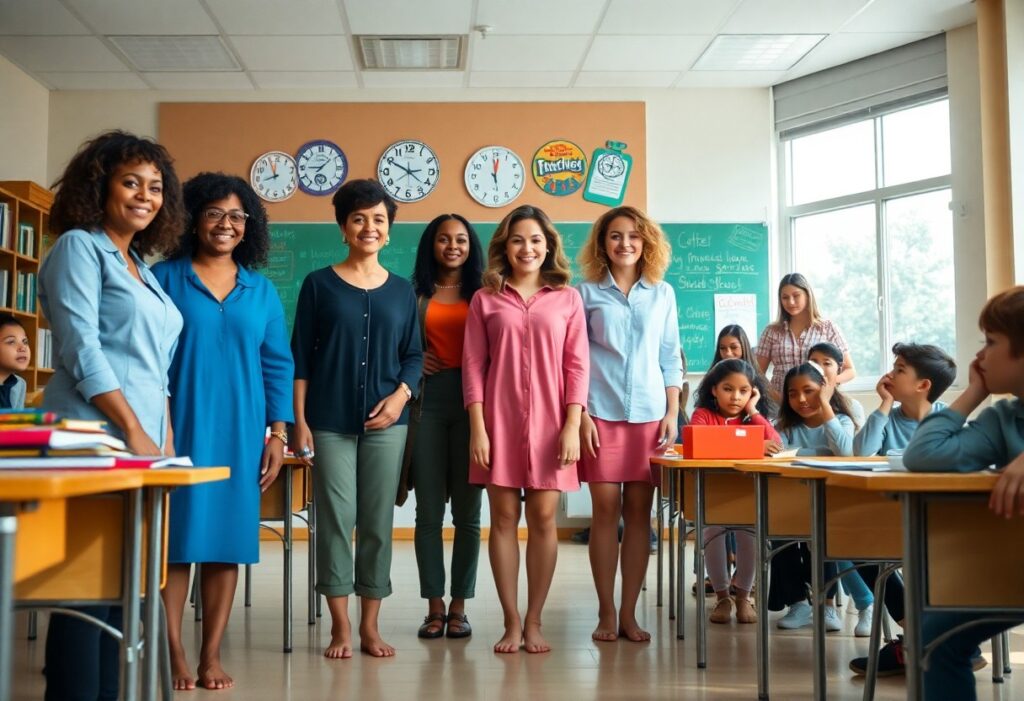
Teachers who spend long hours standing, walking halls, and moving between tasks often want one thing from their shoes: a pair that stays comfortable without getting in the way. Barefoot shoes can be a strong fit for some educators, but the right answer depends on your daily routine, your foot shape, and how quickly you can adapt.
Quick decision guide
Barefoot shoes are worth considering if you want a wider toe box, low heel drop, and a more natural feel for classroom movement. If you need immediate cushioning, have a painful foot condition, or stand on hard floors all day without a transition period, a more cushioned work shoe may be the safer first step.
If you already know you want to compare comfort-focused options for school days, start with the main guide on barefoot shoes for teachers who are on their feet all day.
The Short Answer: They Can Work Well, But Not For Every Teaching Day
For many teachers, barefoot shoes can be a smart choice because they make it easier to move naturally, pivot in a classroom, and avoid feeling boxed in by stiff uppers or narrow toe shapes. The benefit is not just comfort in the moment; over time, many people also like the way minimalist shoes encourage more foot engagement and a more grounded feel.
That said, barefoot shoes are best treated as a footwear strategy, not a magic fix. If your school day includes standing at the board, supervising recess, walking long hallways, and then grading at a desk, you need to think about support, fatigue, and adaptation together. For teachers, the best shoe is the one that matches the actual demands of the day.
What Teachers Should Look For Before Switching
The best barefoot shoe for teaching is not just “minimal.” It needs to fit the actual demands of the job. A good pair should let your feet spread naturally, stay secure while you move quickly, and still look polished enough for your school’s dress code. If your day includes a lot of walking between rooms, the guidance in our barefoot walking shoes guide is a useful companion piece.
Toe box
Look for enough room for your toes to spread, especially if your feet swell by afternoon.
Grip and stability
If your floors are slick or you move quickly between spaces, outsole traction matters as much as flexibility.
Transition tolerance
If you are new to minimal footwear, start with shorter wear times and work up gradually.
Dress-code fit
A clean leather finish or understated colorway can make minimalist shoes easier to wear in formal school settings.
Why Barefoot Shoes Appeal To Teachers Specifically
Teaching involves more movement than many people realize. You are not just standing in one place; you are shifting between a whiteboard, desks, hallway supervision, small-group work, and quick trips to the office or copy room. That mix is where barefoot shoes often shine. Their low-profile build can make movement feel easier, especially if you prefer a shoe that does not fight your stride.
Some teachers also like the sense of connection to the ground. A flatter platform can feel more stable for pacing, turning, and changing direction. For educators who already value natural movement and have used minimalist footwear before, the classroom is a practical place to wear it consistently. If you are still comparing minimalist footwear across different kinds of jobs, the article on barefoot shoes for retail workers offers a useful parallel because retail and teaching share the same mix of standing, pacing, and short bursts of movement.
The Transition Matters More Than The Hype
A common mistake is to switch from heavily cushioned shoes to barefoot shoes and expect the same day-one comfort. Minimalist shoes change how your feet and lower legs work, so the transition should be gradual. If you wear them for a full school day too soon, you may notice soreness in the calves, arches, or forefoot. That does not necessarily mean the shoes are wrong; it often means the transition was too fast.
Teachers with a history of foot pain, Achilles irritation, plantar fasciitis, or sensitivity to hard floors should be especially cautious. In those cases, starting with short wears, alternating with your current shoes, or choosing a more cushioned compromise may be the better plan. For a step-by-step approach, see the guide to transitioning into barefoot shoes.
When cushioned shoes may be the better first choice
Choose a cushioned shoe first if you need immediate underfoot softness, have to recover from a foot injury, cannot ease in gradually, or know your school day will be dominated by concrete, tile, or nonstop standing without breaks.
A Practical Classroom Recommendation
Barefoot shoes can be a very good choice for teachers who want more natural movement, a roomier toe box, and a lighter feel during the school day. They are especially appealing if you spend a lot of time walking the room, turning quickly, or balancing standing tasks with desk work.
They are less ideal if you want maximum cushioning right away or if your feet need a slower adaptation period. That is why the strongest decision is usually not “barefoot or nothing,” but choosing the shoe that best matches your current comfort level, your dress code, and your actual classroom routine.
Need a broader comfort comparison?
If your main goal is all-day teacher comfort rather than deciding whether to go minimal, the cluster guide on comfortable barefoot shoes for teachers is the best next page.
If you are already shopping for a school-friendly pair, choose one that balances fit, traction, and a dress-code-appropriate finish before you commit to a full-day switch.
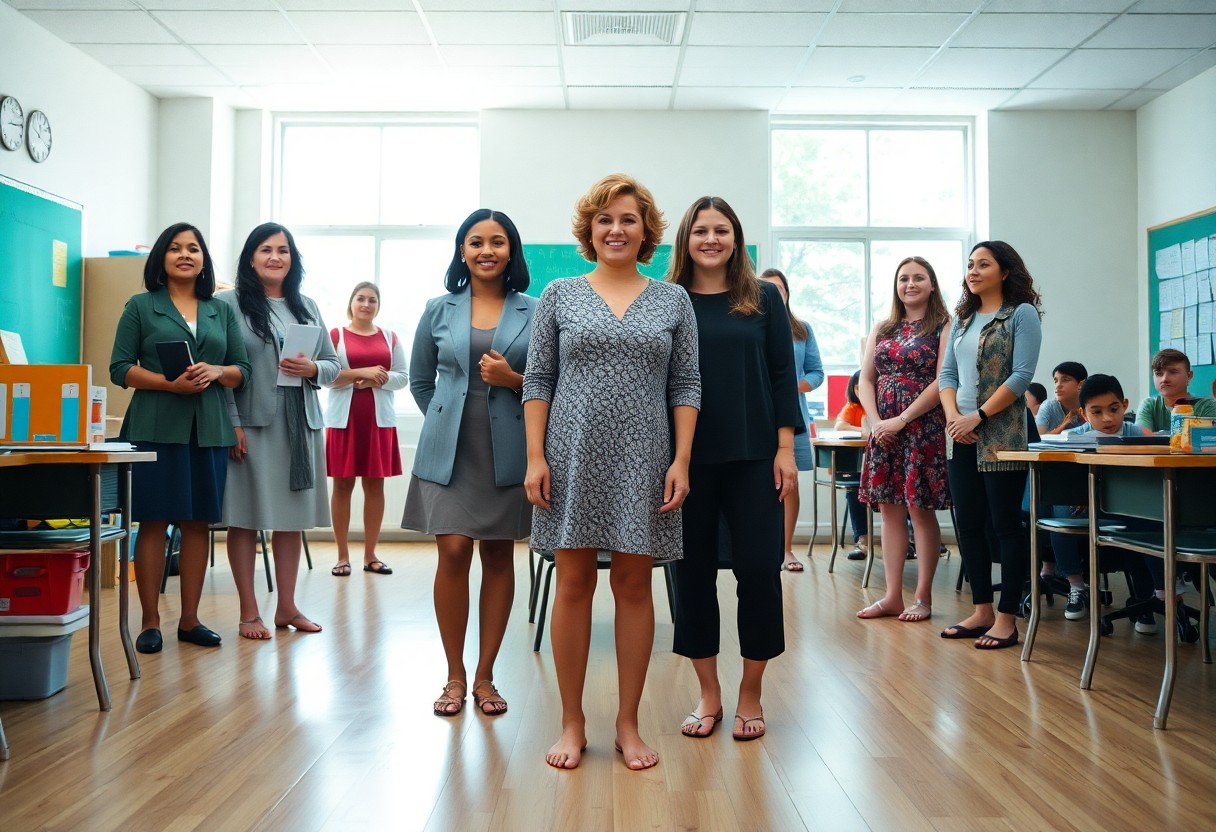
Common Questions Teachers Ask
Are Barefoot Shoes Good For Standing All Day At School?
They can be, especially if you value a wide toe box and a flexible feel. Teachers who are used to minimalist shoes often find them comfortable for standing, but first-time wearers should transition slowly.
Do Barefoot Shoes Help With Classroom Mobility?
Yes. Their light weight and flexible sole can make it easier to move, pivot, and change direction during a busy school day.
What Should Teachers Watch Out For Before Switching?
The biggest risk is moving too fast into full-day wear. If you have existing foot pain, a history of overuse injuries, or very hard floors at work, give yourself time to adapt or consider a cushioned option first.

Jessica Linford is an insightful author for My Shoes Finder, where she explores a wide array of general topics that resonate with everyday readers. With a passion for storytelling and a keen eye for detail, she brings a unique perspective to her writing, aiming to inform and inspire through her engaging content. Jessica’s diverse interests drive her curiosity, allowing her to connect with audiences on various subjects while sharing practical tips and relatable anecdotes.
See also:
 Best Barefoot Shoes For Teachers: All-Day Comfort In The Classroom
 Xero Shoes For Children In 2025: Fit, Safety, And Best Models
 Xero Shoes For Bunions: What Helps, What Doesn’t, And Which Models Fit Best
 Are Xero Shoes Good For Standing All Day? Best Uses, Limits, And Comfort Tips
 Barefoot Shoes For Climbing And Bouldering: When They Work, When They Don’t
 Widest Xero Shoes for Wide Feet: Models & Fit Guide
This post really resonates with my experience as a teacher. I’ve always prioritized comfort in my footwear, often opting for what I believed were supportive shoes. However, I’ve recently started exploring barefoot shoes, and the difference is remarkable. I can certainly relate to the impact of long hours on our feet, especially during busy days filled with walking between classrooms and managing activities.
It’s interesting to hear how barefoot shoes have made such a noticeable difference for you. The emphasis on comfort is crucial for teachers, given the reality of being on your feet for extended periods. It’s a balancing act to find footwear that supports us without compromising mobility or comfort, especially during those frenetic school days.
I can definitely relate to the challenges of teaching on your feet all day! I recently switched to barefoot shoes myself, and the difference has been remarkable. It feels like my foot strength has improved and I have much better balance during those long days of standing in front of the class.
It’s interesting to hear how switching to barefoot shoes has made such a positive difference for you. I’ve been curious about them too, especially since I spend a lot of time on my feet at work. The way our feet are designed to function naturally really fascinates me. It’s amazing how many people still don’t realize how conventional footwear can sometimes hinder our natural balance and movement.
You make a great point about how conventional footwear can disrupt our natural movement. Many people don’t realize that the shoes they choose can have a profound impact on their posture and overall body mechanics. I was surprised when I first started looking into the history of footwear; it really puts things into perspective.
As a fellow teacher who’s spent many a day wondering if my feet might actually be a form of torture device, I totally relate to this! I once upgraded to what I thought were “comfortable” shoes only to realize they were about as supportive as a soggy sponge.
I can definitely relate to that struggle. It’s almost a rite of passage for teachers, isn’t it? We spend so much time on our feet, and finding the right shoes can feel like seeking the Holy Grail. I had a similar experience a few years back when I splurged on what I thought were high-end “teacher shoes.” I couldn’t wait to ditch my old ones, thinking I was making the smart choice. But by lunchtime, I felt more like I was walking around in clown shoes.
Finding the right shoes really does feel like a full-scale endeavor for many of us, especially in a profession where we’re constantly on our feet. It’s surprising how much impact a good pair of shoes can have on our day-to-day comfort. Your experience with those high-end “teacher shoes” resonates with so many. It’s a common trap we fall into—thinking that a brand or higher price tag guarantees better comfort.
I really appreciate the focus on foot health in this post, as it’s a topic often overlooked in the conversation surrounding teaching. As someone who has spent many years in education, I can personally attest to the toll that standing and moving around for long hours can take. There were countless days I’d return home with my feet aching, and I often wondered if the shoes I was wearing were doing me any favors.
Your exploration of foot health as it pertains to the daily realities of teaching strikes a chord. The challenges educators face are often overlooked, and the impact of footwear on overall well-being is a topic that deserves more attention. It’s interesting to think about how our modern lifestyles, including the shoes we choose, have evolved but may not necessarily serve our needs well.
I completely agree with your perspective on how educators’ challenges, particularly around foot health, often fly under the radar. It’s fascinating to consider how our modern lifestyles have led us to prioritize style over comfort in footwear. As teachers spend so much of their day on their feet, the choices we make about shoes can really shape our physical well-being.
I completely resonate with the challenges you’ve outlined regarding foot health as a teacher. It’s so true that we often don’t consider the long-term implications of the shoes we wear daily. I used to think that buying the “cushiest” sneakers would do the trick, but I found out the hard way that they just weren’t the best choice for my foot type. After a long day of teaching, I would come home feeling like I’d run a marathon, with tired arches and sore heels.
It’s interesting how many teachers think a plush sneaker can solve all their foot problems. I’ve been there too—chasing after that feeling of ultimate comfort, only to end up with more discomfort. It’s often about finding the right balance between support and cushioning tailored to our unique foot shapes.
It’s a real kicker, isn’t it? You’d think all those layers of squishy foam and fancy cushioning would feel like you’re walking on clouds, but often it turns out to be more like reenacting a scene from “Survivor: Teacher Edition.”
You raise such an important point about foot health for teachers! I often find myself juggling between different types of footwear in an effort to mitigate fatigue throughout the day. It’s interesting how we tend to gravitate toward shoes that have more cushioning, thinking they’ll provide the comfort we need, yet they can sometimes do the opposite.
It’s interesting you mention the balance between different types of footwear. Many teachers find themselves in this conundrum. There’s a belief that more cushioning equals more comfort, yet as you’ve pointed out, it can sometimes do the opposite. Overly cushioned shoes can disrupt our natural gait, which does nothing to ease fatigue in the long run.
Your post really resonates with me and perfectly captures the daily realities many teachers face! As someone who has spent years in the classroom, I’ve often felt the toll that long hours on my feet can take. It’s almost ironic how we prioritize comfort in shoes, yet sometimes, those very choices can lead us to greater discomfort over time.
I can completely relate to what you’re saying. It’s fascinating how something as simple as footwear can become a significant factor in our daily comfort, especially for teachers who are constantly on the move. I’ve noticed that after long days on my feet, my body definitely feels it. I think a lot about how we often choose style over comfort, but I’ve come to appreciate brands that prioritize support and ergonomics.
It’s great to hear how you relate to the importance of footwear in our daily lives. Teachers really do have such a demanding role, and it’s interesting how the right shoes can make a world of difference. Have you found any specific brands that balance style and comfort well? It’s a tough juggle, but there are some options out there that look good enough for the classroom while still offering the support we need after a long day. I’m curious to know if you prioritize any features more than others—like arch support or cushioning? It’s amazing how much those details can change how we feel at the end of the day.
It’s interesting how we can overlook the impact of something as seemingly mundane as our shoes until we truly start to feel those long hours on our feet. It’s a bit of a balancing act, isn’t it? We want to look good and feel confident, but when you’re standing in front of a classroom or moving around all day, comfort becomes a top priority.