
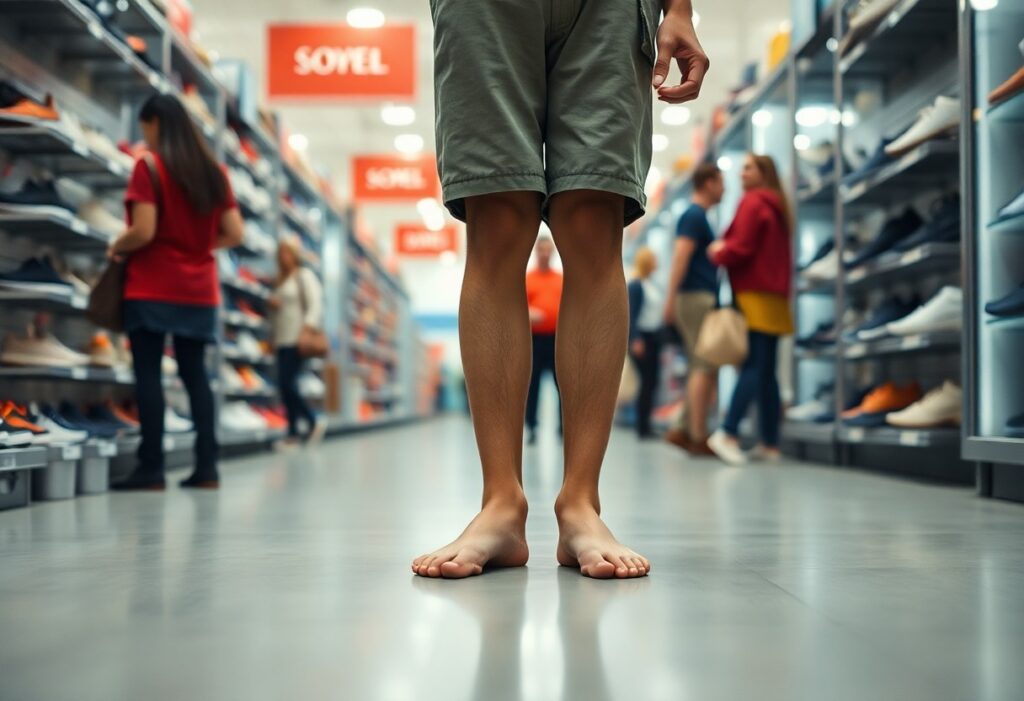
Retail shifts can be brutal on your feet, especially when you’re standing on hard floors for hours. Barefoot shoes can be a smart option for some retail workers, but they’re not the right fit for every shift, dress code, or foot type.
Quick Take barefoot shoes tend to work best for retail workers who want a wider toe box, lighter feel, and more natural movement. They make less sense if you need heavy cushioning, strict slip-resistance specs, or you’re sensitive to sudden changes in footwear.
If you want the broader buying framework first, start with the main retail-worker barefoot shoe guide, then use this page to judge whether the minimalist approach fits your day-to-day shift conditions.
Retail Fit Check
- Good Candidate you want more room in the toe box, walk a lot, and don’t need maximum cushioning to get through a shift.
- Mixed Fit your store has long standing periods, but you’re unsure about the transition or you’ve relied on cushioned shoes for years.
- Probably Not First Choice your role demands strict slip resistance, you have an active foot issue, or you need a very padded shoe for comfort.
Why Barefoot Shoes Can Help On Retail Shifts
The strongest case for barefoot shoes in retail is simple: many workers spend 8 to 10 hours on hard floors, moving between standing, walking, stocking, and customer service. In that setting, a shoe that lets your toes spread and your foot flex naturally may feel better than a stiff, narrow shoe with a raised heel.
That doesn’t mean barefoot shoes magically erase fatigue. What they can do is reduce the “boxed in” feeling common in conventional footwear, especially if your main complaint is cramped toes, a heavy shoe, or the feeling that your feet never fully relax during the day. For a deeper science-backed explanation of the mechanics, see the science of barefoot shoes and their benefits.
What Matters Most In Retail
Floor type
Concrete, tile, and polished stockroom floors are where you notice shoe design most. If your feet ache because the floor is unforgiving, cushion may matter more than minimalism.
Shift length
The longer the shift, the more important it is to choose a shoe you can actually tolerate for hours, not just one that sounds healthy in theory.
Dress code and safety rules
Retail uniforms vary widely. Some stores prioritize appearance, while others care more about slip resistance or closed-toe coverage.
Toe-box needs
If your toes feel compressed in standard shoes, a wide toe box can be the deciding factor. That is one of the clearest reasons retail workers try barefoot shoes.
How To Transition Without Wrecking Your Feet
The biggest mistake is wearing barefoot shoes for a full retail week on day one. Your feet, calves, and Achilles area may need time to adapt because minimalist footwear asks those structures to work differently.
A more realistic approach is to treat the first few weeks as an adjustment phase. Start with short wear windows, alternate with your usual shoes, and pay attention to soreness that lasts after the shift rather than the normal “new muscle” feeling during the first few days.
Most retail workers who succeed with the switch do two things well: they transition slowly, and they choose a model that fits the job rather than chasing the thinnest sole possible. If you want practical adaptation strategies, the barefoot transition guide covers the progression more directly.
When To Choose Something Else
Barefoot shoes are not automatically the best retail shoe. If your store requires a specific slip-resistant outsole, if you have a foot condition that gets worse with low cushioning, or if you know you struggle with rapid footwear changes, a more traditional work shoe may be the safer call.
Retail-Worker Tradeoffs In Plain Language
The value of barefoot shoes is not in hype about “natural movement” alone. It’s in whether the details line up with your shift: enough room for your toes, enough traction for the floor, enough patience for adaptation, and enough tolerance for a less cushioned feel.
For some retail workers, that tradeoff is worth it because their biggest issue is compression and stiffness. For others, the classic supportive shoe wins because comfort on hard floors matters more than foot freedom. That is why the broader retail-worker guide remains the main reference point, while this article helps you decide whether minimalist shoes belong in the mix at all.
A Practical Next Step
If you’re deciding between barefoot and traditional retail shoes, compare them against your actual work conditions rather than the marketing copy. Focus on toe room, floor feel, shift length, and whether your store’s rules leave room for a minimalist design.
If you’re ready to keep researching the right category, start with the main guide for retail workers and then compare that advice with the science and transition tips before buying.
Frequently Asked Questions

Oliver Prescott is a dedicated author and content creator at My Shoes Finder, where he explores a diverse range of topics focusing on lifestyle, fashion, and personal development. With a keen eye for detail and a passion for storytelling, he connects with readers by providing insightful and engaging content. Oliver’s writing aims to inspire and inform, making complex ideas accessible and relatable to a broad audience. When he’s not writing, he enjoys exploring new shoe trends and sharing his findings with fellow enthusiasts.
See also:
 Barefoot Shoes For Retail Workers: Comfort, Alignment, And Shift Endurance
 Xero Shoes For Office Workers: 2025 Style And Comfort Guide
 Best Shoes For Bartenders: Are Barefoot Shoes The Right Choice?
 Xero Shoes For Nurses: Best Picks For 12-Hour Shifts
 Are Barefoot Shoes Good For Yoga And Meditation? A Practical Guide
 Xero Shoes For Children In 2025: Fit, Safety, And Best Models
It’s fascinating to dive into the nuances of footwear, especially concerning those of us who navigate the bustling environment of retail. I’ve found that the significance of choosing the right shoes often goes overlooked by many—not just consumers, but employers too. Retail workers are the backbone of the service industry, yet they are frequently left to suffer in traditional shoes that might prioritize aesthetics over comfort.
You bring up a really important point about the often-overlooked impact of footwear in retail. It’s interesting how the day-to-day experiences of those on the front lines can be so different from the perspectives of management or design teams. I’ve noticed, just like you mentioned, that many employers might prioritize style in their uniforms, neglecting the essential aspect of comfort.
I really appreciate your deep dive into the importance of footwear for retail workers. As someone who has spent several years working in various retail environments, I can attest to the challenges that come with standing for long hours on hard surfaces. Choosing the right shoes was always a painful journey for me, both literally and figuratively.
It sounds like you’ve been through quite the journey with your footwear choices in retail. Standing for hours can really take a toll, can’t it? I can relate to that struggle. When I was researching this topic, I found that many workers often prioritize style over comfort, only to regret it later during those long shifts.
It really is a balancing act, isn’t it? I know I’ve often found myself caught between wanting to look good and needing to feel good when it comes to shoes for those long retail shifts. There’s something about the pressure to maintain a certain image that can overshadow our basic need for comfort. I remember a few years back, I invested in a pair of trendy shoes that looked great but ended up regretting it by the end of my shift. My feet were aching, and I couldn’t focus on the customers as well as I wanted to.
It’s great to connect with someone who truly understands the challenges of being on your feet all day in retail. I can relate to the painful journey of finding the right shoes. I remember trying on countless pairs, hoping to find something that would provide both support and comfort—it’s like a mini quest every time you need new ones.
It’s interesting to see such a focus on footwear in retail, as I’ve often felt the toll of long shifts on my feet. I tried barefoot shoes a couple of years ago, and I was surprised by how much more aligned my natural movement felt. It’s like my feet were finally able to breathe, and I noticed a real reduction in fatigue by the end of my shifts.
It’s great to hear you’ve experienced that kind of shift in how your feet feel during those long retail hours. The difference a good pair of shoes can make is often underestimated. Many people overlook how important proper footwear is, especially when standing or moving for extended periods.
Your insights into the challenges retail workers face with footwear are spot on. It’s surprising how often the importance of proper shoe selection is overlooked, especially given how much time we spend on our feet. I’ve worked retail for years, and I can personally attest to the toll that traditional shoes can take on your feet, back, and overall well-being.
You bring up a crucial point that doesn’t get enough airtime. When you work in retail, you’re not just on your feet a few hours a day—it’s a whole shift, often standing or walking for hours on end, sometimes on unforgiving floors. The impact of poorly chosen footwear can extend far beyond temporary discomfort; it can really alter your quality of life, affecting not just your feet, but your back, posture, and even your mood. It’s one of those things that can seem minor at first, but the cumulative effects are anything but small.
You’re so right—it’s easy to overlook the toll that retail work can take on our bodies until we’re deep into a shift and feeling every minute of it. I remember my own experience working in a store where the floors were hard as concrete. By the end of an eight-hour shift, my feet would feel like they’d taken a beating, and my back would be aching too. It’s really interesting how something like footwear can have such a ripple effect on our overall well-being.
You hit the nail on the head. There’s something poetic about the subtle torture of those brutal retail floors, isn’t there? I remember my own stint in retail; it was like joining a secret society where the initiation involved a serious case of foot fatigue and an unspoken agreement to perfect the art of grimacing while smiling at customers. Those hard, cold floors really do turn your feet into battlegrounds.
You hit the nail on the head about the physical toll of retail work. It’s surprising how something like standing on hard floors for hours can really wear us down. I also had a job where I was on my feet for the whole shift, and I can relate to that feeling of your body just aching by the end of the day. I found that investing in good footwear made a noticeable difference, but it’s a bit wild how many people overlook that aspect until they’re in the thick of it.
I really appreciate the insights you’ve shared about the importance of footwear in retail. As someone who has spent long hours on my feet in various service roles, I can definitely relate to the struggle of finding comfortable shoes. I’ve recently started wearing barefoot shoes myself, and it’s been a game changer. The way they allow for natural foot movement really does make a noticeable difference in comfort and energy levels by the end of the day.
I can totally relate to the struggle of finding the right shoes for long retail shifts. For years, I’ve tried everything from cushioned sneakers to those rigid work shoes that promise support but often end up doing my feet more harm than good. When I first heard about barefoot shoes, I was skeptical, but like you pointed out, they allow for a more natural foot movement, which really piqued my interest.
I can really understand where you’re coming from. Finding the right shoes for those long retail shifts can feel like a never-ending quest. I went through a similar journey with footwear. I’ve tried so many options that promised comfort but often left me wishing I’d just stayed barefoot.
I hear you on that; it really is a challenge to find shoes that can withstand those long hours on your feet. It’s almost like there’s a whole world of shoe marketing that promises comfort but doesn’t always deliver when you’re on the sales floor. I’ve gone through my fair share of brands and styles too, and sometimes I think what’s marketed as “comfort” might just not be designed for the specific demands of retail.
I can relate to that struggle as well. Finding shoes that offer both comfort and support during long shifts can feel like an endless search. I’ve tried numerous brands and styles, and it often seems that what works for one person doesn’t work for another.
You make a great point about the importance of shoe selection for retail workers! I’ve had my share of long shifts, and I can definitely relate to the struggle of finding comfortable footwear. I remember a time when I thought cushioned soles were the answer, but they just didn’t provide the support my feet needed for those 8+ hour days. I’ve recently started exploring barefoot shoes, and it’s been a game-changer.
I really resonate with this discussion about footwear for retail workers, as I’ve felt the struggle firsthand during my shifts. It’s surprising how much of a difference shoe choice can make in our overall comfort and wellbeing. I recently switched to barefoot shoes after experiencing chronic foot pain from wearing traditional work shoes, and I’ve noticed a significant shift in how my feet feel at the end of the day.