
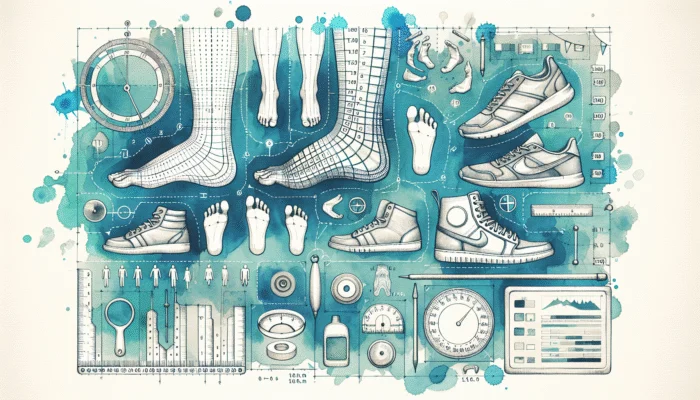
Getting the right Xero Shoes size starts with your foot measurements, then ends with a few practical fit checks. If you want the clearest path to the right pair, start with the main sizing guide for Xero Shoes and use this page to confirm the measurement details that matter most.
Quick Fit Take Xero Shoes should feel secure through the heel, roomy through the toes, and flexible enough that you can move naturally without pinching. If you are between sizes, foot width, sock thickness, and model shape matter just as much as foot length.
| What you notice | What it usually means | Best next move |
|---|---|---|
| Toes feel cramped | Length or width is too small | Try the next size up or a wider-feeling model |
| Heel slips while walking | Fit is too loose or lacing needs adjustment | Tighten the lacing, then reassess size |
| Pressure on the sides | Width mismatch | Compare your foot width with model notes before ordering |
| Feels fine standing, tight in motion | Too little toe room for activity | Size up if you’ll run, hike, or wear thicker socks |
What This Page Helps You Decide
- Whether your foot length points to your usual size or the next one up.
- How much toe room you actually need in minimalist shoes.
- When heel slip is a size problem versus a lacing problem.
- How socks, width, and activity type change the answer.
The Most Useful First Step
Measure both feet at the end of the day, then compare the longer foot to the model’s chart. If you are close to a boundary, use the shoe’s intended use to decide whether to prioritize performance fit or all-day comfort.
How To Measure For Xero Shoes
Xero sizing is easiest when you treat it like a measurement problem first and a comfort problem second. The goal is not just to match a number; it is to find enough room for natural toe splay while keeping the shoe stable enough for movement.
Measure Both Feet. One foot is often slightly larger, and that larger foot should drive your size choice. If you need a refresher on the broader fit logic, the Xero Shoes fit guide is a helpful companion piece.
1. Prepare The Setup
Use paper, a pen held upright, and a ruler or tape measure. Stand on a hard, flat floor, ideally in the socks you plan to wear most often.
2. Trace The Foot
Place your foot on the paper and trace around it while standing. Keep the pen vertical so the outline is not too narrow.
3. Measure Length And Width
Measure from heel to longest toe for length, then across the widest part of the forefoot for width. Compare both against the model chart.
4. Check The Fit In Motion
A shoe that feels acceptable standing still can still be too short when you walk or run. Test toe room, heel hold, and side pressure together.
When To Size Up, Stay True, Or Adjust For The Model
The right answer depends on whether you are chasing athletic security or relaxed everyday comfort. That is why two people with the same foot length can land on different sizes in the same brand.
For Running And Faster Movement
A secure fit matters because excess movement can lead to friction, heel lift, or toe impact on descents. If you are planning to run, the dedicated running-in-Xero-shoes guide is worth reading alongside your measurements.
For Walking And Everyday Wear
Daily wear gives you more room to prioritize comfort, especially if you stand for long periods or your feet swell. In that case, a modest amount of extra space often feels better than a locked-in fit.
Common Sizing Mistakes That Cause The Wrong Fit
Most bad fits happen for predictable reasons. The good news is that they are easy to avoid once you know what to look for.
- Measuring only one foot and assuming both feet are identical.
- Measuring in the morning, when feet are often slightly smaller.
- Ignoring width and focusing only on length.
- Choosing size based on a fashion shoe habit instead of barefoot-shoe fit.
- Buying for casual wear when you actually plan to run or hike in the shoes.
- Forgetting that sock thickness can change the feel of the same size.
How The Fit Should Feel In The Heel, Toe Box, And Arch
The best fit checks are simple. You do not need a complicated break-in story; you need a shoe that feels right the first time you wear it.
Toe Box
Your toes should spread naturally without brushing the front. A small amount of extra room is useful, especially for walking or downhill movement.
Heel
The heel should feel held in place without rubbing up and down. Some movement can usually be fixed with lacing; constant lift often means the size is off.
Arch And Midfoot
Xero Shoes should not trap the arch or feel like a structured orthopedic shoe. The midfoot should feel secure but not compressed.
If You Are Still Between Sizes
Use your real use case to break the tie. For movement-heavy use, a little extra room often protects your toes better. For a closer everyday fit, the smaller option can feel more controlled as long as your toes still have room to move.
If you want a broader buying path after you confirm measurements, the size guide tips page and the measuring guide for Xero Shoes can help you compare the final choice more confidently.
Choose The Dominant Sizing Guide When You Want The Full Model-By-Model Answer
This article is strongest as a measurement-first companion. If you are ready to compare models, fit notes, and the final size decision in one place, go to the primary Xero Shoes sizing guide.
If you are shopping because your feet are unusually wide, the supporting article on checking for wide feet may help you separate width issues from length issues before you place an order.
Frequently Asked Questions
Do Xero Shoes Run Big Or Small?
They are often best judged by foot length plus fit preference rather than by a generic “big” or “small” label. For many people, the right size feels roomy in the toe box and secure at the heel.
Should You Size Up Or Down In Barefoot Shoes?
If you are between sizes, many buyers size up for running, long walks, or thicker socks, then stay closer to measured length for a more secure everyday fit.
How Do You Fit Xero Shoes Correctly?
Start with accurate measurements, then confirm that your toes can move freely, your heel does not lift excessively, and the shoe feels stable during real movement.
Are All Xero Shoes Wide Toe Box?
They generally favor natural toe splay, but the amount of forefoot room can still vary by model. That is why it helps to compare the exact shoe, not just the brand.
What If My Shoes Feel Fine At First But Painful Later?
That often means the fit looked acceptable at rest but failed under motion, swelling, or repetitive friction. Recheck length, width, and heel hold before assuming you need a break-in period.

Oliver Prescott is a dedicated author and content creator at My Shoes Finder, where he explores a diverse range of topics focusing on lifestyle, fashion, and personal development. With a keen eye for detail and a passion for storytelling, he connects with readers by providing insightful and engaging content. Oliver’s writing aims to inspire and inform, making complex ideas accessible and relatable to a broad audience. When he’s not writing, he enjoys exploring new shoe trends and sharing his findings with fellow enthusiasts.
See also:
 Xero Shoes For Children In 2025: Fit, Safety, And Best Models
 Xero Shoes For Bunions: What Helps, What Doesn’t, And Which Models Fit Best
 Widest Xero Shoes for Wide Feet: Models & Fit Guide
 Xero Shoes For Summer Travel And Hot-Weather Adventures
 Are Xero Shoes Good For Cycling? 2025 Comfort And Efficiency Review
 Xero Shoes For Office Workers: 2025 Style And Comfort Guide
It’s intriguing to see how a simple shift in our footwear can have profound effects on our overall health and well-being. I’ve personally experienced the benefits of a wide toe box and zero-drop soles; transitioning to minimalist shoes like Xero has transformed my walking experience. I find it fascinating how embracing a more natural posture aligns not just our bodies but can also enhance how we interact with our environment.
I really appreciate how you’ve broken down the unique features of Xero Shoes in such a digestible way. I’ve been exploring the minimalist footwear scene for a while now, and I can definitely relate to what you mentioned about the zero-drop sole and the benefits of a flexible design. It’s remarkable how something as simple as the positioning of the heel and forefoot can influence our posture. I first dabbled in this style of footwear after reading about its potential to improve foot health—especially since I’ve had my struggles with traditional shoes constraining my movements and sometimes even causing discomfort.
I truly appreciate this deep dive into Xero Shoes and their unique attributes. The concept of minimalist footwear resonates with me on several levels, particularly the emphasis on natural foot movement. For quite some time, I’ve been on a personal journey to reconnect with how I engage with the ground beneath me, something that often gets lost in the hustle and bustle of daily life. Walking barefoot whenever I can—whether it’s in the grass at a park or sandy shores—has often reminded me of the sheer joy of feeling the earth below my feet. It’s liberating, yet I frequently find myself needing the protection that traditional shoes don’t always provide.
It’s interesting how reconnecting with the ground can shift our perspective on daily life. The process of feeling the earth underfoot can create a sense of mindfulness that’s often missing with conventional footwear. Traditional shoes can feel like barriers rather than supportive allies, and finding that balance between protection and natural movement is key.
Reconnecting with the ground beneath our feet is such a vital aspect of our physical and emotional well-being, and it sounds like you’ve found meaningful ways to explore that connection. Walking barefoot in natural settings can profoundly change your perspective; feeling the grass, sand, and earth can ground us in ways we often overlook. It’s interesting to consider how our modern lifestyles have shifted us away from this interaction with nature, usually favoring the convenience of traditional footwear designed for various purposes—like office attire or outdoor activities—while often neglecting the freedom of natural movement.
The exploration of minimalist footwear, particularly with Xero Shoes, taps into a fascinating conversation about how our footwear choices impact not just our comfort but our overall well-being and movement patterns. As someone who has increasingly embraced the benefits of barefoot-like shoes, I can personally attest to the difference a zero-drop sole can make in promoting better posture and reducing fatigue during long walks.
I appreciate your thorough exploration of Xero Shoes and their unique features—it’s refreshing to see minimalist footwear getting the attention it deserves. Having transitioned to minimalist shoes a couple of years ago, I can personally attest to the incredible feeling of freedom they offer. It’s fascinating how a simple change, like adopting a zero-drop sole, can influence not just how we walk but how we feel overall.
I’ve been really into minimalist footwear lately, and I genuinely appreciate how Xero Shoes spotlight awareness of natural foot movement. After making the switch to more flexible shoes a couple of years ago, I noticed a real improvement in my foot strength and posture. It’s incredible how something as seemingly simple as the zero-drop sole can make such a big difference.
The emphasis on natural foot movement with Xero Shoes resonates deeply with current trends in footwear prioritizing health and body mechanics. Personally, I’ve noticed a significant improvement in my stride and overall foot comfort since transitioning to minimalist shoes. The wide toe box is particularly beneficial, as it allows for a more natural splay, which is essential for balance—something often overlooked in conventional footwear designs.
I appreciate this detailed overview of Xero Shoes! I’ve been exploring minimalist footwear as a way to improve my posture and overall foot health, and your explanation really highlights what makes these shoes stand out. The zero-drop sole has been a game-changer for me, as I’ve noticed a significant decrease in discomfort during longer walks.
I’ve always been interested in footwear that promotes natural movement, so it’s exciting to see a detailed exploration of Xero Shoes! The zero-drop sole and wide toe box really resonate with me, especially since I’ve personally experienced the discomfort that can come from traditional shoes that squish the toes together. It’s fascinating how something that seems so simple—like allowing your toes to spread—can have such a big impact on comfort and balance.
While the minimalist design of Xero Shoes seems appealing, I’m curious about the long-term implications of adopting this kind of footwear. Transitioning to a zero-drop sole can take time as our feet aren’t accustomed to this level of freedom, and I wonder if it risks exacerbating existing foot issues for some individuals. Have there been comprehensive studies on how these shoes impact various foot types and conditions?
Your exploration of Xero Shoes really resonates with me, particularly the emphasis on natural foot movement and the benefits of a zero-drop sole. I’ve been transitioning to minimalist footwear myself, and I can personally attest to the positive changes in my posture and balance.
This guide to Xero Shoes provides a comprehensive overview of what makes them an intriguing option for those seeking a minimalist footwear experience. The emphasis on a zero-drop sole and flexible design resonates with the increasing interest in natural movement and holistic health practices.
It’s great to hear that you appreciate the guide on Xero Shoes! Their approach to minimalist footwear definitely speaks to a lot of us who want to get back to our roots in how we move. You mentioned the zero-drop sole and flexible design, and I think that’s key. It’s amazing how something as simple as a shoe can affect our posture and overall body mechanics.
I really appreciate this detailed overview of Xero Shoes! The focus on natural foot movement resonates with my own journey towards a more minimalist lifestyle, particularly in footwear. I made the switch to minimalist shoes a couple of years ago, and it has not only transformed my walking experience but also contributed to better posture and overall foot health.
It’s great to hear that you’ve had such a positive experience with minimalist footwear! The shift towards natural foot movement really seems to resonate with so many people these days, especially as we start to recognize just how much traditional shoes can impact our bodies.
Your breakdown of Xero Shoes really highlights why they’re becoming a go-to choice for so many people, especially those interested in minimalist footwear. I’ve been a fan of minimalist shoes for a while now, and I’ve noticed a significant improvement in my foot strength and overall balance since I made the switch. The zero-drop sole is especially beneficial for anyone transitioning from traditional footwear, as it encourages a more natural gait.
While the features of Xero Shoes outlined in your post certainly highlight their appeal, I wonder whether the minimalist design might not be for everyone, particularly when considering individual foot health needs. For example, I have friends who enjoy hiking but found that the lack of cushioning in minimalist shoes led to discomfort over longer distances.
You bring up a really important point about the minimalist design of Xero Shoes and how it might not suit everyone’s foot health needs. While their lack of cushioning can be a draw for some, others may not find that same appeal, especially during activities like hiking where the terrain can be unpredictable and taxing on the feet.
I’ve always been intrigued by the idea of minimalist footwear, and I appreciate how you’ve laid out the key features of Xero Shoes. The zero-drop sole really resonates with me, especially since I’ve spent a lot of time reading about how it can impact posture and gait. I recently transitioned to a more minimalist style after years of using heavily cushioned running shoes, and I’ve noticed a significant difference in how my feet feel, not to mention my overall alignment.
It’s fascinating to hear about your journey into minimalist footwear. The transition from heavily cushioned shoes to something more grounded can be quite a shift, but it sounds like you’re already reaping the benefits. I’ve also experimented with different types of footwear over the years, and I found that moving to styles that promote a more natural foot movement not only changed how my feet felt but also altered my entire approach to physical activities.
The emphasis on a zero-drop sole and wide toe box in Xero Shoes resonates with growing awareness around natural foot health. As someone who transitioned to minimalist footwear a few years ago, I can attest to the significant differences in posture and comfort experienced daily. The unrestricted toe movement has not only enhanced my balance but also alleviated some chronic foot discomfort I previously accepted as a norm.
Your exploration of Xero Shoes highlights some compelling aspects of minimalist footwear and its benefits for natural foot movement. I’ve personally experienced the advantages of minimalist shoes over the past couple of years, and I can attest to how the zero-drop sole significantly improved my posture and reduced discomfort during long walks.
I really appreciate how you highlighted the features of Xero Shoes, especially the zero-drop sole and wide toe box. I’ve been on a journey to improve my foot health and have transitioned to minimalist footwear over the past year. It’s fascinating how such a simple design can encourage better posture and alignment.
This guide on Xero Shoes has really prompted me to reflect on how footwear can actively influence our posture and overall foot health. I’ve recently transitioned to more minimalist styles, and I must say, the freedom and comfort have been transformative. I particularly appreciate the concept of the zero-drop sole; it’s fascinating how something so simple can align the body in a way that feels so natural.
It’s great to hear about your experience with minimalist footwear. The shift to zero-drop soles can really change how we connect with the ground, and it’s interesting to see how our bodies respond to that more natural alignment. It’s like rediscovering what it means to move comfortably.
I appreciate how you highlighted the unique features of Xero Shoes, especially the zero-drop sole and wide toe box. Since transitioning to minimalist footwear myself, I’ve noticed a significant difference in how my feet feel after long days. It’s fascinating how something as simple as allowing the toes to splay can improve balance and comfort. It really emphasizes the importance of foot health in our overall well-being.
It’s fascinating to see how minimalist footwear like Xero Shoes is shifting the conversation around foot health and natural movement! I’ve been trying out minimalist shoes myself, and I’ve noticed a significant improvement in my balance and comfort during long walks. The zero-drop sole really encourages a healthier posture, something that many conventional shoes overlook.
It’s great to hear about your experience with minimalist footwear. Balancing the body naturally can really change how we feel during daily activities. The zero-drop sole does help many people re-align their posture, which often gets overlooked in mainstream shoe designs.
It’s interesting to see the rising popularity of minimalist footwear like Xero Shoes, particularly as awareness around foot health and natural movement grows. While their design aims to mimic the barefoot experience, it raises important questions about how much we should really strive to return to “natural” forms when it comes to our footwear.
It’s great to see you engaged in this conversation about minimalist footwear and its connection to foot health. You raise an excellent point about the balance between embracing our natural movement and the need for supportive design.
I’ve been curious about trying Xero Shoes ever since I switched to a more minimalist style to help with my running. The zero-drop sole and wide toe box sound appealing because I’ve noticed a huge difference in how my feet feel after long walks or runs.
It’s great to hear that you’re exploring a more minimalist approach to your running. The switch to a zero-drop sole can really change your experience, especially if you’re feeling the benefits already. I’ve also noticed that a wider toe box lets my toes spread out naturally, which seems to help with stability and comfort over longer distances.
If you’re exploring Xero Shoes for that minimal feel, I found this helpful sizing guide that could clear up any fitting questions you might have.
‘Xero Shoes Sizing Guide for the Perfect Fit’
https://myshoesfinder.com/xero-shoes-sizing-guide-for-the-perfect-fit/.
It’s fascinating to see the discussion around Xero Shoes and their emphasis on natural foot movement. I’ve personally transitioned to minimalistic footwear in recent years, finding it dramatically altered my walking experience and overall comfort. The concept of a zero-drop sole truly resonates with me; it has helped me realign my posture and even alleviated some chronic back pain I struggled with for years.
Ah, Xero Shoes—where the only thing more minimalist than the footwear is the chance of stubbing your toes on furniture! I tried a pair on my last hiking adventure, and it felt like my feet finally got the memo to stop acting like they’re trapped in a six-figure job. The wide toe box had my piggies throw a party; turns out they prefer a spacious dance floor over constant squishing.
This is a very insightful overview of Xero Shoes and the principles behind minimalist footwear. I’ve been intrigued by the zero-drop concept for a while now, especially considering how much time we spend in traditional shoes that often promote an unnatural foot position. Just last year, I switched to minimalist footwear for my daily walks, and I noticed a significant improvement in my foot strength and stability. The transition wasn’t without its challenges, though; it took some time for my feet to adjust to the increased flexibility and reduced cushioning.
I’m glad you found the overview helpful. The whole journey into minimalist footwear can be pretty eye-opening, can’t it? The zero-drop concept really shifts how we view shoe design and how our feet are meant to work. It’s interesting you brought up the adjustment period; I think that’s really important to highlight. Our feet definitely can be quite stubborn when we switch things up.
I appreciate the detailed breakdown of Xero Shoes and their unique features aimed at fostering a more natural walking experience. As someone who transitioned to minimalist footwear a little over a year ago, I can certainly relate to the design philosophy you’ve highlighted. The emphasis on a zero-drop sole is something I’ve found transformative—shifting from traditional footwear to shoes that allow for a more natural foot position has positively impacted my posture and overall comfort.
It’s great to hear about your journey with minimalist footwear. Transitioning to shoes designed to promote a more natural walking experience can certainly lead to noticeable changes in how we feel day-to-day. The zero-drop sole is a key aspect that really allows the foot to function in a way that’s more aligned with its natural mechanics. Many people don’t realize how much traditional footwear can alter our gait and posture over time until they experience the shift firsthand.
It’s fascinating to read about the essential features of Xero Shoes, particularly the emphasis on a zero-drop sole and a wide toe box. These aspects resonate with me, especially as I’ve recently begun exploring minimalist footwear for my long-distance running.
Your comprehensive breakdown of Xero Shoes certainly sheds light on a footwear trend that many may overlook. While the features you highlighted, such as the zero-drop sole and wide toe box, resonate with the growing interest in natural movement and foot health, I can’t help but wonder about how these benefits translate for different user demographics.
I’ve always been fascinated by the balance between footwear design and foot health, and Xero Shoes seem to hit the nail on the head with their minimalist approach. The zero-drop sole is particularly intriguing; I’ve found that it helps me maintain better posture and reduces strain on my back during long walks.