
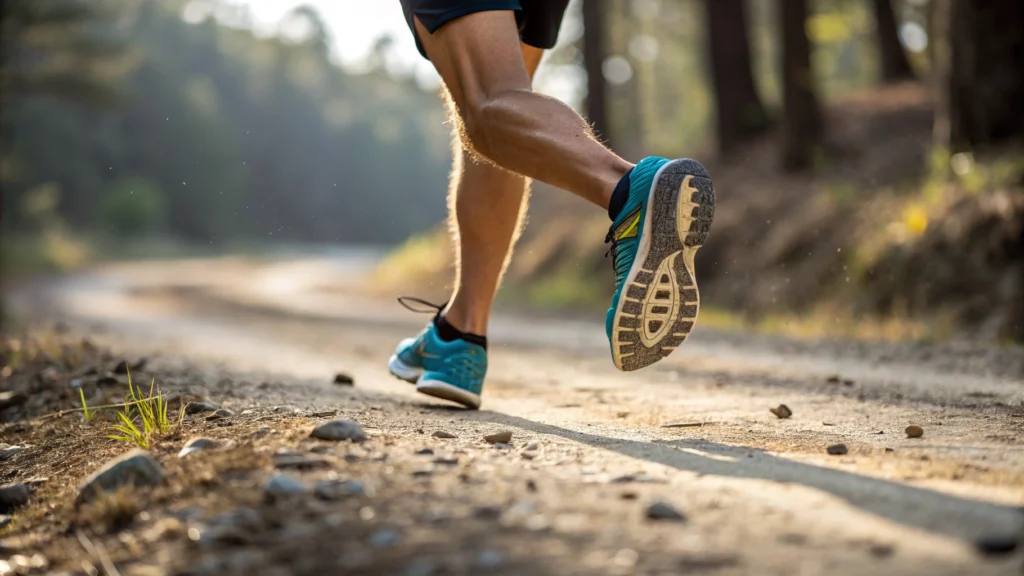
Running in Xero Shoes can feel liberating, but they are not a universal upgrade. The best results usually come from runners who want a more natural feel, a wider toe box, and a gradual path into minimalist footwear.
Quick take
Xero Shoes are best for runners who value ground feel, foot freedom, and a minimalist transition. They are less forgiving for people who need extra cushioning, are recovering from a lower-leg injury, or want a shoe that can be used hard and fast right away.
Best fit for
- Short to moderate runs
- Form-focused training
- Treadmill and road use
- Runners easing into minimal shoes
If you want the broader brand overview first, start with the main Xero Shoes benefits guide; this article stays focused on running use, fit, and transition advice.
Where Xero Shoes make sense for runners
The appeal of Xero Shoes is simple: they remove a lot of the interference between your foot and the ground. That can be useful if you want to improve awareness, build foot strength over time, or shift toward a more natural stride. It is not a shortcut, though. Minimalist footwear asks your feet, calves, and tendons to do more of the work.
That is why the shoes tend to work best for runners who can adapt gradually and who understand that the transition matters as much as the shoe itself. For a more detailed beginner path, this transition guide is a useful companion.
| Running use case | How Xero Shoes perform | Who should consider them |
|---|---|---|
| Road running | Good for runners who want lightness, flexibility, and more ground feedback. | Runners doing easy miles, technique work, or short road sessions. |
| Treadmill | Often a strong match because the surface is predictable and impact changes are easier to monitor. | Indoor runners, form-focused athletes, and anyone testing minimalist shoes safely. |
| Short runs | Usually the safest starting point, especially if you are adapting from cushioned shoes. | Beginners to minimalist footwear and runners rebuilding tolerance. |
| Long runs | Possible for experienced minimalist runners, but the margin for error is smaller. | Runners with strong calves, adapted feet, and a proven progression. |
The benefits that matter most on the run
Roomier toe box
A wider forefoot can reduce toe crowding and support natural toe splay during foot strike and toe-off.
Low-profile running feel
If you prefer less shoe between you and the road or trail, Xero Shoes give a stripped-back feel that many runners find more connected and responsive.
Form awareness
Minimalist shoes can make overstriding, heavy heel striking, and sloppy cadence more obvious, which is helpful if you are actively working on form.
When Xero Shoes are not the best choice
A minimalist shoe is not automatically a better shoe.
- You need more cushioning for comfort, recovery, or high-mileage protection.
- You are returning from Achilles, calf, plantar fascia, or metatarsal issues and have not rebuilt tolerance yet.
- You want to race hard immediately without a transition period.
- You prefer a softer ride on rough pavement, long downhill stretches, or very repetitive training blocks.
If your main goal is to compare models and decide which one fits your running style, the best Xero Shoes buying guide is the better next stop.
How to transition without overdoing it
The safest transition strategy is boring, patient, and effective. Most problems happen when runners treat minimalist shoes like a quick swap instead of a load-management change.
- Start with walking or everyday wear before adding runs.
- Use short runs first, then add time only if your calves and feet stay calm the next day.
- Keep the pace easy while your tissues adapt.
- Pay attention to calf tightness, arch fatigue, and soreness along the outside of the foot.
- Take rest days seriously; adaptation happens between sessions.
- For extra context on form and progression, read how Xero Shoes work for treadmill and indoor running.
A practical timing guide for the first 6 weeks
| Time window | What to do | What to watch |
|---|---|---|
| Week 1 | Wear them casually and walk in them for short periods. | Foot fatigue, calf tension, hot spots. |
| Weeks 2-3 | Add one or two short easy runs. | How you feel the day after each run. |
| Weeks 4-6 | Increase distance slowly if recovery stays smooth. | Any lingering soreness in calves, arches, or Achilles. |
That progression also answers the common question of whether you can run in barefoot shoes at all: yes, but the real issue is whether your tissues are ready for that change.
Want the broader Xero Shoes overview?
If you are still comparing the brand’s wider range of features, materials, and general benefits, the dominant overview page is the right place to start.
A few useful fit and terrain notes
Xero Shoes are not one single running experience. Model shape, outsole pattern, and upper materials change how they feel on road, treadmill, gravel, and trail. If you are still deciding on sizing and width, the fit and sizing guide can help you avoid the most common mistakes.
For treadmill running, the stable, predictable surface makes minimalist shoes easier to control. For road running, the main question is whether your form stays relaxed as the miles build. For trail use, traction and underfoot protection matter more, so model choice becomes more important than the brand name alone.
If your running routine also includes indoor sessions, this related piece on Xero Shoes for treadmill running and indoor workouts gives a more specific surface-by-surface view.
Frequently asked questions
Are barefoot shoes good for running?
They can be good for running if you want a minimalist feel and you transition gradually. They are usually not ideal if you need a lot of cushioning or stability right away.
Can I run in Xero Shoes every day?
Some experienced runners do, but daily use only makes sense if your calves, feet, and Achilles can recover well between sessions. Most people should build up slowly first.
How should I run safely in barefoot shoes?
Start with short easy runs, keep your pace conservative, avoid sudden mileage jumps, and watch for soreness that lingers into the next day. Safe adaptation is more important than stride style alone.
Can I run a marathon in barefoot shoes?
It is possible for experienced minimalist runners, but it is not a beginner goal. Build mileage gradually over months, not weeks, before attempting a long race in minimalist footwear.
Why do some podiatrists warn against barefoot shoes?
The concern is usually about load management. Minimalist shoes can increase stress on the calves, Achilles, and foot muscles if the transition is too aggressive or if the runner already has a vulnerability there.

Jessica Linford is an insightful author for My Shoes Finder, where she explores a wide array of general topics that resonate with everyday readers. With a passion for storytelling and a keen eye for detail, she brings a unique perspective to her writing, aiming to inform and inspire through her engaging content. Jessica’s diverse interests drive her curiosity, allowing her to connect with audiences on various subjects while sharing practical tips and relatable anecdotes.
See also:
 Xero Shoes For Treadmill Running: Best Picks For Indoor Workouts
 Are Xero Shoes Good For Cycling? 2025 Comfort And Efficiency Review
 Xero Shoes For Children In 2025: Fit, Safety, And Best Models
 Xero Shoes For Bunions: What Helps, What Doesn’t, And Which Models Fit Best
 Xero Shoes For Summer Travel And Hot-Weather Adventures
 Xero Shoes Sale Guide: Where To Find The Best Discounts
It’s fascinating how the design of minimalist footwear, like Xero Shoes, really brings our focus back to the way our feet were naturally intended to function. I remember the first time I tried minimalist shoes; the sensation of feeling the ground beneath my feet was surprisingly liberating. It made me more aware of my running form and the way my body moved overall.
It’s interesting how the experience of wearing minimalist footwear can really shift our perspective on running and movement. When you talked about feeling the ground beneath your feet, it’s a reminder of how disconnected we can become from that connection with the earth over time, especially when cushioned shoes take center stage.
The exploration of Xero Shoes as a representation of minimalist footwear raises compelling questions about the broader implications of our choices in running gear and their impact on health and performance. While the article effectively highlights the unique features of Xero Shoes—like the thin, flexible sole that promotes natural biomechanics—it’s worth delving deeper into how such options might align (or clash) with current trends in sports science and even cultural shifts around physical activity.
It’s intriguing to see the spotlight on Xero Shoes and their minimalist approach to footwear. As an avid runner who has transitioned to minimalist shoes over the past few years, I can personally attest to the benefits that come with allowing the foot to move more naturally. The thin, flexible soles do indeed encourage a more grounded running experience, which aids in improving one’s form and can enhance overall comfort during longer runs.
The exploration of Xero Shoes and their minimalist design truly resonates with the growing trend towards natural running and foot health. I find this shift particularly interesting, especially as more athletes and casual runners alike embrace the idea of stripping away excess material to allow for a more authentic connection with the ground.
You’ve pointed out something really significant about the shift towards natural running and foot health. It does seem like more people are realizing the benefits of connecting with the ground, and Xero Shoes fits right into that. When you take a closer look at the minimalist design, it’s all about understanding how our feet really work and letting them do their job.
It’s interesting to see the positive take on Xero Shoes and minimalist footwear! I’ve experimented with barefoot running for a while now, and I can definitely relate to the benefits you mentioned about promoting natural biomechanics. Initially, I was a bit skeptical about shifting from traditional running shoes, but the freedom of movement I’ve experienced in minimalist shoes has drastically changed my running style for the better.
I’ve been really intrigued by the concept of minimalist footwear since I started running more seriously a couple of years ago. I used to think that more cushioning equated to better support, but after trying a pair of Xero Shoes, I can see the appeal of that barefoot experience you’re describing. I appreciate how the thin and flexible sole really allows my feet to feel the ground, which I think has improved my overall running form.
It’s fascinating to see a detailed exploration of Xero Shoes and minimalist footwear in general! I’ve been leaning more towards natural running styles recently, and I can definitely appreciate the benefits you highlighted regarding the flexible sole and the emphasis on allowing the foot to move as it was intended.
I find the exploration of Xero Shoes and their impact on natural running incredibly insightful. Having transitioned to minimalist footwear myself about a year ago, I’ve experienced first-hand the benefits of allowing my feet to move more freely. The feeling of less bulk underfoot has not only enhanced my running experience but has also allowed me to reconnect with the very essence of how we were designed to move—something often overlooked in today’s shoe culture dominated by maximalist designs.
Ah, Xero Shoes—the footwear that makes your feet feel like they’ve just joined a yoga retreat! I remember my first run in a pair; it felt like my toes were finally getting the freedom they always yearned for, as if they were waving goodbye to the suffocating confines of traditional sneakers. I actually had to remind them they weren’t auditioning for a Broadway show—such dramatic flair!
It’s fascinating how a simple change in footwear can create such a liberation for our feet, isn’t it? Your description of feeling like your toes were finally getting the freedom they always yearned for paints such a vivid picture. It’s like they had been holding their breath for too long, and finally they can stretch and dance a little. There’s something deeply satisfying about shedding those overly cushioned, constricting sneakers in favor of something that truly lets your feet connect with the ground beneath you.
I’ve been diving into the world of minimalist footwear for a while now, and Xero Shoes really stand out for me. What I love about them is how they encourage a more natural running form. When I first transitioned, it took a bit of getting used to, but after a few weeks, I felt so much more in tune with my body. I noticed less strain on my knees, and my overall foot strength improved significantly.
It’s great to hear about your journey with minimalist footwear and specifically Xero Shoes. Your experience of feeling more in tune with your body really resonates with me. I think that transition can be one of the most enlightening parts of exploring a more natural running form.
If you’re exploring minimalist footwear like Xero Shoes, I found a handy guide that breaks down the best models based on fit and comfort, which might help as you refine your running form even further.
‘Best Xero Shoes: Top Models By Use Case, Fit, And Comfort’
https://myshoesfinder.com/best-xero-shoes-your-ultimate-buying-guide/.
It’s fascinating to see how minimalist footwear like Xero Shoes is gaining traction among runners who are seeking a more natural running experience. I’ve personally transitioned to minimalist shoes after years of traditional running shoes, and I’ve noticed a significant improvement in my foot strength and overall running style. It’s like rediscovering how to run — my feet feel more connected to the ground.
It’s really interesting to hear about your journey into minimalist footwear and how it has changed your running experience. There’s something special about that newfound connection to the ground beneath your feet. It can feel like a kind of awakening, doesn’t it? When you’ve spent so much time in traditional shoes, it’s easy to forget just how natural running can feel.
I’ve been curious about minimalist footwear like Xero Shoes for a while now, and your insights have solidified my interest. I love the idea of mirroring the barefoot running experience, especially since I’ve dealt with some discomfort in traditional running shoes. It seems like the flexible soles really do promote a more natural gait, which could be beneficial for my running mechanics.
I appreciate the insights you’ve shared about Xero Shoes, particularly their focus on natural biomechanics. However, I’ve found the transition to minimalist footwear can be quite challenging. While the promise of a more authentic running experience is enticing, not everyone adjusts to the shift in foot support and cushioning equally.
I really appreciate how you highlighted the benefits of Xero Shoes in your post. I switched to minimalist footwear about a year ago, and it’s been a game changer for my running routine. At first, I was skeptical about how much difference a shoe could make, but after giving Xero Shoes a try, I found that I could feel the ground more beneath my feet, which drastically improved my form.
It’s really interesting to hear how much of a difference Xero Shoes made for your running routine. I had a similar experience when I transitioned to minimalist footwear a while back. At first, I was cautious about how my body would adapt, but being able to connect more with the ground felt refreshing. It’s amazing how much our feet can tell us about our running form and overall body mechanics.
It’s great to hear that you’ve found a positive shift in your running routine with minimalist footwear. Transitioning to a shoe that allows for a more natural foot movement can really make a difference. It’s fascinating how something as simple as a different style of shoe can alter the way we connect with the ground. Many people don’t realize how much their footwear can affect their form and overall enjoyment of running.
I’ve been really curious about minimalist footwear, especially with the way it encourages a more natural running style. I tried out some Xero Shoes and found that they made me more aware of my form compared to traditional running shoes. It really makes you think about how modern footwear can alter our natural biomechanics.
I’ve been curious about minimalist footwear for quite some time, and your insights on Xero Shoes really resonate with what I’ve experienced as a runner. I transitioned to a barefoot-style shoe a few years ago and noticed a significant change in my running form—my feet felt stronger and more connected to the ground. The importance of allowing our feet to move naturally can’t be overstated; it’s fascinating how much our footwear choices can impact overall biomechanics.
I can really relate to your experience with barefoot-style shoes. Transitioning to more minimalist footwear definitely changes how you engage with the ground, both physically and mentally. When I switched to a similar style, I was surprised by how much more aware I became of my foot placement and the subtle cues from my body. It’s like rediscovering a natural instinct we often overlook with more traditional running shoes.
It’s great to hear you’ve experienced those benefits; I recently came across a guide on sizing Xero Shoes that dives deep into finding the perfect fit for that natural feel you mentioned.
‘Sizing Xero Shoes: The Ultimate Universal Guide’
https://myshoesfinder.com/sizing-xero-shoes-the-ultimate-universal-guide/.
It’s interesting you mention the heightened awareness of foot placement. Once you ditch the cushioning of traditional shoes, you start tuning into your body in ways you didn’t expect. You really begin to understand how each step connects you to the ground.
I appreciate you sharing your experience with foot placement and the shift away from cushioning. It’s really fascinating how removing that extra layer can heighten not just awareness of our feet, but also an overall connection to the ground. For many, especially those used to the plush comfort of traditional shoes, this journey can feel like discovering a new dimension of movement.
This is fascinating! I’ve always been a bit skeptical of the whole “barefoot running” movement—somewhere in my mind, I picture ancient humans sprinting from saber-toothed tigers while I trip over my own shoes in a grocery store. But hearing about the benefits of Xero Shoes, I might just be convinced to give them a try!
The exploration of Xero Shoes really highlights an intriguing shift in how we view running and footwear. As someone who has transitioned from traditional running shoes to minimalist options, I can attest to the benefits of allowing the foot to move more naturally. At first, it felt a bit odd, but over time, I noticed improvements in my form and a reduction in minor injuries.
I appreciate your exploration into Xero Shoes and the benefits of minimalist footwear—it’s a topic that resonates with many runners who wish to reconnect with their natural running form. The idea of allowing our feet to move as nature intended is compelling, and it raises an interesting dialogue about the implications of footwear on not just our running technique, but on our overall health and well-being.
I completely agree with you about the allure of reconnecting with our natural running form. It’s fascinating how minimalist footwear, like Xero Shoes, encourages us to rethink our relationship with the ground beneath us. I’ve noticed that when I wear lighter shoes, my running feels more fluid, almost like I’m dancing along the pavement rather than pounding it.
I recently came across an insightful piece on Xero Shoes that dives into their unique benefits and features, which I think you’ll find enhances our understanding of how minimalist footwear can truly support our natural running form.
‘Xero Shoes: Explore Unique Benefits and Features’
https://myshoesfinder.com/xero-shoes-explore-unique-benefits-and-features/.
Your exploration of Xero Shoes highlights a fascinating aspect of modern running—returning to our natural roots. I’ve personally found that adopting a minimalist approach has not only improved my running form but also increased my overall awareness of my body’s mechanics. The way these shoes encourage a more natural gait resonates with the growing trend toward sustainable and health-focused practices in sports.
I appreciate how you’ve highlighted the unique features of Xero Shoes and their emphasis on natural biomechanics. As someone who has transitioned to minimalist footwear in the past year, I can attest to the transformative experience it offers. Initially, I was skeptical about the lack of cushioning and support compared to traditional running shoes, but the freedom and connection to the ground have been truly liberating.
I really appreciate how you’ve highlighted the unique features of Xero Shoes and their minimalist design! It’s interesting how their approach aligns with the growing movement towards natural running and the idea that many of us have spent too long confined to cushioned shoes that alter our natural biomechanics. I took the plunge and switched to minimalist footwear about a year ago, and it genuinely transformed my running experience. I felt more in tune with the ground, which helped me develop a more efficient stride.
I appreciate your exploration of Xero Shoes and minimalist footwear more broadly. There’s something intriguing about the movement towards shoes that promote a more natural running experience. I’ve been gradually transitioning to minimalist shoes myself, and I’ve noticed not only an improvement in my foot strength but also a deeper connection to the running experience. It’s fascinating how the design of these shoes encourages proper biomechanics, which often gets overlooked in traditional running footwear focused primarily on cushioning and support.