
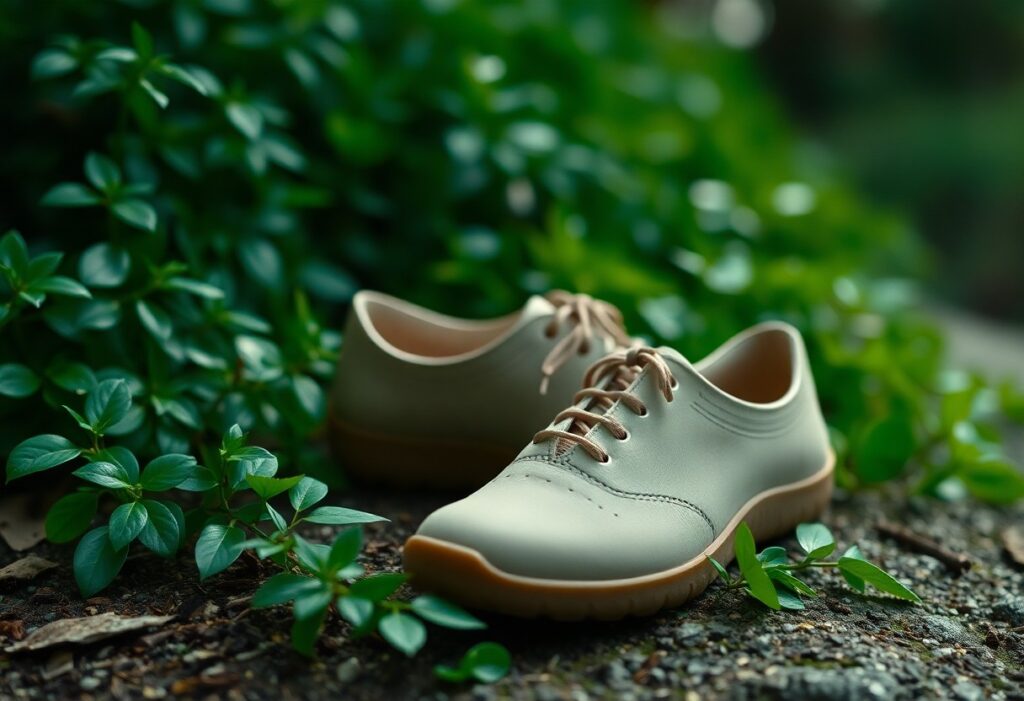
Xero Shoes are a relatively strong sustainability pick in the barefoot category, but they are not a perfect one. Their best points are recycled inputs, vegan-friendly construction across much of the line, carbon-neutral shipping, and durable designs that can reduce replacement cycles.
If you want the deeper brand breakdown behind that verdict, the most specific follow-up is the Xero sustainability report, which is the stronger evidence-led page for readers who want proof rather than a broad overview.
| Strong points | Recycled PET laces, hemp in selected models, vegan options, lightweight builds, and a durability story that can support longer use. |
| Weak points | Some synthetic components remain, end-of-life recycling is still limited, and not every model uses the same material mix or impact profile. |
| Bottom line | Sustainable enough to stand out among minimalist shoes, but best for buyers who accept trade-offs and choose specific models carefully. |
- Material choices: recycled inputs, hemp, plant-based or vegan components where used.
- Manufacturing signals: packaging, sourcing transparency, and shipping policies.
- Durability: how long the shoes last before you need a replacement.
- Trade-offs: synthetic parts, limited circularity, and model-by-model variation.
Why Xero Shoes Score Well On Sustainability
The main sustainability argument for Xero Shoes is not that they are made entirely from natural materials. It is that they try to reduce impact in several practical ways at once: less material overall, recycled components in key places, a largely vegan-friendly product philosophy, and a design that encourages longer use. That combination matters, because footwear sustainability is rarely about one magic material. It is usually about how much is used, how long it lasts, and how much waste the product creates over time.
A good early comparison point is Xero’s broader minimalist approach. If you want context on why the brand’s design philosophy matters for impact as well as foot function, their role in the barefoot category is explained more fully in this minimalist-footwear guide. In sustainability terms, less structure often means fewer materials, lower weight, and fewer resource-intensive layers.
The catch is that minimalist design alone does not make a shoe eco-friendly. If the materials are still synthetic and the shoe is replaced often, the gains shrink. Xero’s case is stronger because the brand also leans on recycled PET laces, uses hemp in some uppers, and promotes durable construction rather than a disposable model.
Materials: The Strongest Part Of The Sustainability Case
When people ask whether Xero Shoes are sustainable, the real answer usually starts with materials. The brand does not rely on pure natural-fiber construction across the board, but it does use a mix that is more thoughtful than many mainstream athletic shoes. Two of the clearest examples are recycled PET laces and hemp uppers in selected models. Those details matter because they shift some of the material burden away from virgin plastic and toward lower-impact inputs.
Recycled Pet Laces
Xero uses laces made from 100% recycled PET in some models. That is a small part of the shoe, but it is still meaningful because it gives post-consumer plastic a second life instead of demanding brand-new petrochemical material. Small components can add up when a product line sells at scale, and laces are exactly the type of detail that often gets overlooked in sustainability claims.
Hemp Uppers
Hemp is one of the clearest sustainability wins in the Xero lineup. It is generally associated with lower water use than conventional cotton, no heavy reliance on pesticides, and strong natural breathability. Hemp also tends to wear well in minimalist footwear because it can provide structure without a large material footprint. For buyers trying to choose between a synthetic trainer and a more natural-feeling upper, this is one of the easiest reasons to lean toward Xero.
Synthetic Components Still Remain
The honest limitation is that some Xero models still contain synthetic parts, which are harder to recycle and can carry the same fossil-fuel issues that affect much of the footwear industry. That does not erase the sustainability progress, but it does keep the brand from being a fully circular solution. If you care about the lowest-impact choice possible, model selection matters a lot here.
That model-by-model variation is exactly why a separate sustainability-specific page is more useful than a generic brand overview. Readers looking for ethics and materials details usually want to know which lines are better aligned with low-impact values and which are simply minimalist rather than genuinely greener. The dedicated vegan-line sustainability report is the right place to drill down further once you have decided the brand is worth considering.
Shipping, Packaging, And Manufacturing Signals
Product sustainability is not only about the shoe itself. Shipping, packaging, and supply-chain transparency can either reinforce the environmental story or undermine it. Xero has a better-than-average reputation here because it promotes carbon-neutral shipping and keeps its presentation relatively lean compared with brands that ship shoes in excessive packaging layers.
Carbon-neutral shipping does not mean the product arrived with zero emissions. It means the brand is accounting for transport impact and offsetting it. That is still worth acknowledging, because the footwear industry often ignores logistics in favor of material claims. For a buyer, this is a positive signal, even if it should not be treated as a silver bullet.
Transparency is another reason Xero compares favorably with many bigger brands. It is easier to evaluate a company when it discusses materials, construction choices, and product philosophy more openly. That said, sustainability transparency is not the same as third-party certification of every component, and it is worth keeping that distinction in mind. Buyers who want a brand-level ethics overview should treat this page as the practical starting point and the dedicated sustainability report as the deeper proof layer.
Durability Is Part Of Sustainability, Not Separate From It
A shoe that lasts longer usually has a lower environmental cost per wear. That is one of the strongest arguments in Xero’s favor. The brand leans hard on durability as part of its appeal, and that claim matters in a sustainability context because the cleanest shoe is often the one you do not have to replace quickly. If you are comparing brands based on eco-friendliness, longevity should sit beside materials, not below them.
Xero’s 5,000-mile sole warranty is a particularly useful signal, because it reflects confidence in outsole longevity. Warranty language does not guarantee every pair will go the distance, but it does suggest a product strategy built around repeat use rather than rapid turnover. That can reduce landfill waste and lower the footprint of each purchase over time.
If durability is your main deciding factor alongside sustainability, it is worth pairing this article with a more specific wear-focused review such as the Xero durability review. That page is the better next step once your question shifts from “Is this brand sustainable?” to “Will this pair actually last long enough to justify the buy?”
How To Judge Durability As A Sustainability Buyer
- Look for outsoles and uppers that resist early breakdown.
- Check whether the shoe’s design encourages repair or reuse.
- Prioritize shoes you will actually wear often enough to offset the footprint of production.
- Be cautious with very thin builds if your use case demands heavy abrasion resistance.
Ethics, Vegan Claims, And What They Do And Do Not Prove
Xero’s vegan positioning is one of the reasons sustainability-minded buyers pay attention to the brand. Vegan footwear avoids animal-derived materials, which is a real ethical advantage for many shoppers and can also reduce some of the environmental burdens associated with leather production. But vegan alone does not equal sustainable. A shoe can be vegan and still rely heavily on fossil-fuel-based synthetics.
That is why the most useful sustainability question is not “Is it vegan?” but “What is the material mix, how long will it last, and how much waste does it create?” Xero does better than many brands because it combines vegan options with lighter construction and some recycled or plant-based inputs. Still, if your personal rule is to avoid synthetics entirely, the brand will not fully satisfy you.
The ethical picture also depends on labor and sourcing. Xero has made efforts to present itself as transparent, and it benefits from third-party-facing claims such as PETA-Approved Vegan in some contexts. That helps reduce the risk of empty green marketing. Even so, shoppers who want the most rigorous proof should look for product-by-product information instead of assuming every model carries the same ethics profile.
For readers who care about the vegan angle specifically, the strongest support page is still the vegan line sustainability report. It fits the decision flow better than repeating those details here.
Where Xero Shoes Fall Short
No fair sustainability assessment should stop at the positives. Xero Shoes still face a few common footwear-industry problems that prevent them from being an ideal answer. The first is material complexity. Even when a shoe uses recycled or plant-based elements, it can still contain adhesives, synthetic reinforcements, or blended materials that make recycling difficult at end of life.
The second is circularity. Sustainability is strongest when a product is designed not just to reduce harm during use, but also to re-enter the material cycle afterward. Xero does not appear to offer a fully robust take-back or recycling system that solves the disposal problem at scale. That means old pairs may still end up in the usual waste stream once they are worn out.
The third issue is unevenness across the line. Some Xero models make a better sustainability case than others. A hemp-based upper or a more durable outdoor style is easier to defend than a model with more conventional synthetic construction. In other words, the brand is better evaluated by lineup and use case than by a blanket label.
That is also why the travel-focused and durability-focused pages can be helpful after this one. If you want lightweight packing efficiency, the travel guide shows how the same minimalist build affects real-world use. If you care more about how long the shoes hold up, the durability review is the better companion piece.
Who Xero Shoes Make The Most Sense For
Xero Shoes make the most sense if you are trying to buy a lighter-impact barefoot shoe without moving into premium pricing territory. They are a good fit for buyers who value minimalist design, want vegan-friendly options, and prefer brands that can point to recycled or lower-impact inputs instead of relying purely on marketing language.
They are also appealing if you see longevity as a sustainability metric. A durable, low-material shoe that you wear often is usually a better environmental purchase than a more elaborate model that sits in your closet. In that sense, Xero’s practical identity matters just as much as its ethical positioning.
If you are new to barefoot shoes, it is also worth considering whether the brand’s low-profile construction matches your feet and habits. Sustainability only helps if the shoe is actually wearable for you. For readers exploring that transition side of the decision, this transition guide is a useful next stop, especially if you are moving from cushioned footwear and want to avoid a rushed change.
Start with the model that matches your use case, then compare the materials and durability details rather than assuming every Xero shoe has the same footprint. If your priority is evidence, the brand’s sustainability-focused report is the most relevant companion page.
A Practical Buying Takeaway
If your question is “Are Xero Shoes sustainable enough to count as an eco-conscious buy?”, the answer is yes, with conditions. They are meaningfully better than many conventional shoes because they reduce material bulk, use recycled and plant-based inputs in parts of the line, and lean into durability. They are not the absolute greenest shoes you can buy, because they still rely on synthetics and do not solve the end-of-life problem completely.
That balance is why Xero sits in a useful middle ground. It is not a perfect sustainability brand, and it should not be marketed as one. But it is a credible option for shoppers who want barefoot footwear with a lighter environmental story than the average athletic shoe. If you are comparing eco-friendly barefoot brands, that puts Xero in the “worth serious consideration” category rather than the “greenwashing” category.
The key is to choose the right model, use it hard, and expect trade-offs. That is the most honest way to shop sustainably, and it is the fairest way to judge Xero Shoes.
Common Questions About Xero Shoes And Sustainability

Jessica Linford is an insightful author for My Shoes Finder, where she explores a wide array of general topics that resonate with everyday readers. With a passion for storytelling and a keen eye for detail, she brings a unique perspective to her writing, aiming to inform and inspire through her engaging content. Jessica’s diverse interests drive her curiosity, allowing her to connect with audiences on various subjects while sharing practical tips and relatable anecdotes.
See also:
 Are Xero Shoes Vegan In 2025? Materials, Ethics, And What To Check Before Buying
 Cassie – Hemp (Clearance)
 Xero Shoes For Children In 2025: Fit, Safety, And Best Models
 Xero Shoes For Bunions: What Helps, What Doesn’t, And Which Models Fit Best
 Xero Shoes For Hot Weather: Breathable Picks For Cool, Dry Feet
 Xero Shoes For Office Workers: 2025 Style And Comfort Guide
It’s inspiring to see the conversation around sustainable footwear gaining traction! I’ve been on a quest to find shoes that align with my values, and the principles behind Xero Shoes resonate deeply with me. The balance between functionality and environmental responsibility can be tricky to navigate, but it’s encouraging to see companies prioritizing eco-friendly practices, especially in an industry that has historically been less than sustainable.
It’s great to hear that you’ve been on this quest—it sounds like you’re on a sustainable shoe safari! I totally get the struggle; hunting for footwear that doesn’t have you feeling like you’re wearing a weighty carbon footprint is no small feat.
It’s great to hear about your journey towards finding sustainable footwear. It really does feel like a pivotal moment when more brands like Xero Shoes are stepping up to integrate eco-friendly practices into their designs. The balance between functionality and environmental responsibility is indeed challenging, especially when consumers are looking for performance without compromising their values.
Finding that balance between functionality and sustainability can be tricky, but it’s essential for both brands and consumers. With companies like Xero Shoes leading the way, it’s fascinating to see how they’re tackling material sourcing, production methods, and even packaging to lessen their environmental impact.
It’s interesting that you mention the balance between functionality and environmental responsibility. I’ve found that many brands are starting to reconsider traditional practices in footwear to make more sustainable choices, but it’s still a learning curve. You’d think with all the technology available these days, companies would rapidly evolve, but sometimes it feels like change comes too slowly.
I totally relate to your journey; I recently came across a brand that prioritizes comfort and sustainability, and it really struck a chord with me as well.
‘Groundies Shoes: Step into Comfort with Groundies Shoes!’
https://myshoesfinder.com/barefoot-shoes/groundies-shoes/.
It’s great to hear you’re on that quest for sustainable footwear. The conversation around eco-friendly practices is definitely evolving, and more people are starting to recognize the impact of their choices. Xero Shoes does a solid job of aligning its products with those values, especially by focusing on minimalism and functionality, which can often get lost in the style-over-substance shuffle that defines much of the fashion industry.
You hit the nail on the head about the minimalism and functionality vibe. It’s almost like Xero Shoes figured out that walking barefoot works pretty well—just with a bit of extra cushion to keep your soles intact.
It’s great to hear that you’re on a journey to find footwear that mirrors your values. Balancing functionality and environmental responsibility can feel daunting, especially in a landscape where many brands are still playing catch-up. But stories like yours reflect a growing movement that demands more from companies, and that’s heartening.
It’s refreshing to hear about your quest for sustainable footwear; it’s definitely a journey that resonates with many of us. The principles behind Xero Shoes indeed strike a chord, especially in a world where mindful consumption is becoming more important.
It’s refreshing to see brands like Xero Shoes embracing eco-conscious practices while catering to the minimalist movement. My journey towards sustainable living aligns closely with this shift in footwear choices. I recently switched to a pair of shoes made from recycled materials, and it made me realize how much our choices impact the environment.
It’s great to hear your thoughts on this! The shift towards sustainable choices in footwear is more than just a trend—it’s a response to the need for more eco-friendly options in our daily lives. Your experience with shoes made from recycled materials highlights how small changes can lead to bigger impacts. It’s interesting to consider how our footwear can tell a story about our values and priorities.
It’s really interesting to see how the conversation around sustainable footwear is evolving, especially in light of increasing consumer awareness about the environmental impact of our purchases. I’ve been on a bit of a journey myself, trying to shift my choices towards products that reflect my values, particularly when it comes to eco-friendliness.
It’s great to hear about your journey towards more eco-friendly choices. The evolving conversation around sustainable footwear feels like a reflection of a larger cultural shift towards more conscious consumerism, doesn’t it? I think it’s fascinating how brands are starting to respond to this demand by innovating not just in materials but also in their entire supply chains.
You’re spot on—it’s like we’re all collectively waking up to the fact that our choices, even the ones on our feet, can make a difference. The shift towards more conscious consumerism feels like a slow cooker that’s finally reaching a boil. A few years ago, talking about eco-friendly footwear was like discussing your favorite obscure band—hardly anyone knew they existed. Now, it feels like everyone’s turning down the volume on fast fashion and shouting about sustainability from the rooftops.
I love the idea of footwear that aligns with values, especially when it comes to sustainability! Xero Shoes seem like a fantastic option for those of us who are mindful of our environmental footprint. I’ve personally been exploring more eco-friendly choices in my wardrobe, and I appreciate how minimalist designs not only have a smaller ecological impact but often promote a healthier lifestyle too.
I really appreciate how you’ve highlighted the balance between sustainability and functionality in footwear. It’s so refreshing to see brands like Xero Shoes taking steps (pun intended) to integrate eco-friendly practices into their designs. I’ve been diving into minimalist footwear lately, and I love the idea of barefoot flexibility. It’s almost like reconnecting with nature, and I’ve noticed my foot strength improving as a result!
It’s great to hear how much you’re enjoying your journey into minimalist footwear. The connection to nature that you’re experiencing is one of the fascinating aspects of transitioning to this kind of footwear. It really does change your relationship with how you walk and move through the world. I’ve spoken to a lot of people who have made the switch, and many share similar stories of feeling more grounded and aware of their surroundings.
It’s fascinating how the world of footwear has become a microcosm of our broader environmental challenges—kind of like that friend who’s always pushing kale smoothies at brunch but is secretly binge-watching reality TV! Xero Shoes do seem to be making strides, quite literally, toward a more sustainable future. But let’s be real, I sometimes feel like the more eco-friendly our shoes are, the more they resemble what I wore in elementary school when my mom would let me have a hand-me-down pair of “almost the same color” sneakers!
You’ve hit on something interesting there—the balancing act of style and sustainability in footwear. It’s true that the eco-friendly movement often feels like a throwback to simpler designs, which can sometimes feel less exciting than what we’re used to. Companies like Xero Shoes are challenging the notion that sustainable materials need to look like they came from an elementary school thrift shop.
This post raises some vital points about the intersection of sustainability and footwear design, particularly in the context of rising consumer demands for products that not only serve functional purposes but also align with personal values. The mention of Xero Shoes is particularly interesting, as their commitment to sustainability reflects a growing trend in the industry. However, it’s essential that we scrutinize the components that make up these eco-friendly initiatives, as you noted regarding synthetic materials.
I really appreciate your exploration of the growing demand for eco-friendly footwear. It’s so refreshing to see brands like Xero Shoes making strides in this direction, especially when so many traditional shoes lean heavily on synthetic materials. I’ve dabbled in barefoot running, and I’ve always loved the freedom and connection to the ground that it provides. But, I have to admit, finding shoes that are both functional and environmentally friendly has been a bit of a challenge.
This discussion on eco-friendly footwear resonates deeply with me, as it exemplifies a broader shift in consumer consciousness that prioritizes sustainability. While I’ve only recently started to explore brands like Xero Shoes, their approach to merging barefoot flexibility with environmentally responsible practices is commendable. However, the question of how truly sustainable a product is extends beyond its materials.
Your exploration of eco-friendly footwear highlights an important shift in consumer values and the ongoing quest for sustainability in fashion. The balance Xero Shoes attempts to strike between barefoot flexibility and sustainable materials is commendable, yet it does raise questions about the long-term impact of synthetic components.
I really resonate with your insights on the evolving landscape of footwear, especially regarding how our choices can reflect our values. It’s fascinating to see how much attention eco-conscious designs are gaining, particularly among those of us who are looking to lessen our impact on the environment. I’ve been exploring this area, trying to find that perfect balance between functionality and sustainability, so your mention of Xero Shoes caught my eye.
It’s great to hear that the evolving landscape of footwear resonates with you. The shift towards eco-conscious designs is certainly a noteworthy development. It reflects not just a trend but a deeper awareness of how our consumer choices intersect with environmental impact.
I appreciate how you’ve highlighted the balance between sustainability and functionality in footwear. Xero Shoes really do seem to embody this ethos by using innovative materials like recycled soles and plant-based dyes. I’ve been on a journey to find shoes that not only feel good on my feet but also align with my values. It’s empowering to see brands moving towards carbon-neutral shipping—this kind of commitment really encourages the industry to think more sustainably.
Your discussion on Xero Shoes and the burgeoning demand for eco-friendly footwear raises some compelling points. It’s fascinating to witness how consumer consciousness has evolved; we’re no longer just looking for functionality and style but are also increasingly seeking products that resonate with our values. The idea of walking with a lighter footprint is quite profound, in both the physical and environmental sense.
You raise some compelling points about the balance between eco-conscious initiatives and the challenges inherent in using synthetic materials. It’s encouraging to see brands like Xero Shoes leading the charge toward sustainability, particularly with their focus on recycled and plant-based components. However, it’s essential for consumers to be aware of the trade-offs involved, especially when it comes to the durability and environmental impact of synthetics.
You’ve hit on a crucial aspect of the sustainability conversation. Balancing eco-conscious initiatives with the practicalities of synthetic materials is definitely a complex issue. I’ve been looking into how different brands approach this, and it’s interesting to see how the landscape is evolving. With companies like Xero Shoes embracing recycled and plant-based components, they’re not just responding to consumer demand for more sustainable options; they’re also setting a precedent in the industry.