
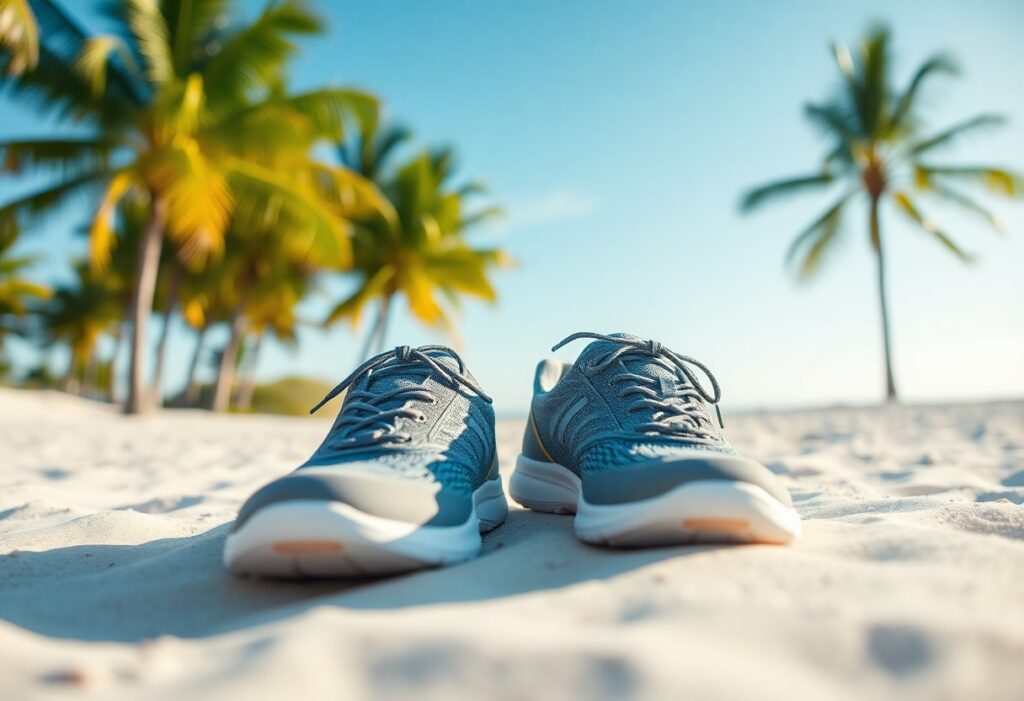
Tropical weather changes the rules fast: heat rises, humidity lingers, and rain can arrive without warning. The best barefoot shoes for this climate are the ones that stay breathable, dry quickly, and keep footing secure on wet ground.
If you’re choosing between beach, rainforest, and city wear, start with the broader cool barefoot shoes guide for the general warm-weather picture, then use this page to narrow the decision to tropical heat, humidity, drainage, and traction.
Best choice in one sentence
For tropical weather, look for barefoot shoes with airy uppers, quick drainage, sticky outsoles, and enough structure to handle wet pavement, sand, and slick trails without trapping heat.
What Makes Barefoot Shoes Work In Tropical Weather
Tropical climates are a mix of heat, humidity, sudden showers, and often rough transitions between surfaces. You may walk from a humid street to a sandy beach, then onto a wet boardwalk or a muddy trail in the same afternoon. That is exactly where barefoot shoes can shine, but only if you choose the right construction.
The barefoot approach helps because it removes unnecessary bulk. Less padding and less insulation usually means less trapped heat, less moisture buildup, and less friction. The result is a shoe that can feel almost invisible in hot weather while still protecting the bottom of your foot from shell fragments, gravel, and rough concrete.
That said, not every minimalist shoe is automatically a tropical shoe. Some are designed for dry road running, some for urban walking, and some for light trails. Tropical use requires a stricter lens: the shoe needs to breathe, shed water, and stay stable when your foot is damp. That is why this page focuses on beach days, rainforest travel, humid city breaks, and monsoon-style conditions rather than warm weather in general.
| Feature | Why it matters in the tropics | Best choice |
|---|---|---|
| Upper material | Controls breathability and drying time after sweat or rain. | Mesh or open-knit for max airflow; thin synthetics or light textiles for faster drying. |
| Water handling | Rain, river crossings, and splash zones are common. | Drainage-friendly construction and materials that do not stay soggy for hours. |
| Outsole grip | Wet pavement, algae, tiled lobbies, and muddy paths can be slippery. | Lugged or textured rubber with reliable wet-surface traction. |
| Drying speed | A shoe that stays wet turns into a blister and odor problem. | Fast drying beats plushness for tropical travel. |
| Fit and volume | Feet swell in heat, so a tight shoe can become miserable by midday. | A secure heel and roomy toe box with enough space for heat-related swelling. |
The Best Materials For Heat, Humidity, And Rain
Material choice is the single biggest factor in tropical comfort. In hot, wet conditions, a shoe can either release heat and moisture or trap them against your foot. That difference is often more important than how the shoe looks or how much cushioning it has.
Mesh And Open-Knit Uppers
Mesh is usually the safest starting point for tropical weather because it allows air exchange and dries quickly after rain or sweat. Open-knit uppers can also work well if the weave is not too dense and the shoe has enough structure to avoid collapsing around the foot. For travelers who spend long hours walking in humid cities or tropical resorts, this is often the most forgiving option.
Mesh also tends to reduce the “sweaty glove” feeling that can happen with heavier shoes. When your feet are already warm from the environment, the shoe should not add another layer of insulation. A breathable upper gives your feet a chance to cool during short stops and keeps the inside from turning damp too quickly.
Lightweight Synthetic Fabrics
Thin synthetic fabrics can be a smart compromise if you want more durability than mesh alone. They usually do not breathe quite as freely as open-knit uppers, but they can shed water faster and hold up better to repeated wet-dry cycles. That matters in places where you may be stepping through rain puddles, crossing ferry docks, or hiking on damp coastal paths.
The key is to avoid a thick, padded synthetic build. Thin is better than plush in the tropics. If the upper feels dense in your hand, it will usually feel even hotter on your foot after an hour outside.
Leather And Leather-Like Materials
Leather can work in tropical conditions only when it is thin, minimally lined, and used in a design that still allows airflow. It is not the first choice for maximum breathability, but some travelers like the way lighter leather feels more structured on urban walks. The tradeoff is that leather generally takes longer to dry and can be less forgiving after repeated exposure to humidity and rain.
If your trip includes a lot of beach time, rain, or muddy paths, leather should be treated as a style-first option rather than a performance-first option. For many travelers, the better choice is a mesh-based model and, if needed, a second pair reserved for evenings or drier settings.
Drainage, Traction, And Fit Matter More Than People Expect
A tropical shoe is not just about breathability. It also has to handle water, slippery terrain, and swelling feet. That is why drainage, traction, and fit deserve as much attention as the upper material.
Drainage Keeps The Shoe Usable After Rain
In the tropics, even a perfectly dry morning can turn into a soaked afternoon. Shoes with drainage ports, open construction, or quick-shedding materials recover faster after a sudden downpour or a water crossing. That is especially useful for island travel, beach days, kayaking, and rainforest hikes where water is part of the route rather than an exception.
If the shoe has no drainage and the upper absorbs water, the inside can stay damp long after the storm passes. That raises blister risk and can make the rest of the day feel sticky and heavy. A tropical shoe should feel livable after rain, not just before it.
Traction Should Be Tested On Wet Surfaces
Wet tile, algae-coated stone, and slick boardwalks are common in tropical destinations. A barefoot shoe still needs enough outsole grip to keep you steady when the ground changes underfoot. Thin soles can still be secure if the rubber compound is grippy and the tread pattern is designed for wet traction.
This is one area where sandals, minimalist shoes, and water-friendly models differ. Open designs are great around sand and water, but they need secure straps and dependable outsole texture so the foot does not slide around when the surface gets wet. For urban travel, a shoe with a slightly more enclosed fit may be more useful than an extremely open sandal if you expect frequent rain.
Fit Should Allow Heat Swelling
Feet often swell in the heat, especially after long walks, salty air, or repeated changes from air-conditioned interiors to humid streets. A tropical barefoot shoe should leave enough room for that natural change without feeling sloppy. The toe box should remain generous, but the heel should still lock in cleanly so your foot does not slide forward on descents or when the shoe is wet.
If you wear your shoes in the morning and they feel perfect, give them a few hours in the heat before deciding. Tropical conditions can change fit more than cooler climates do, and a shoe that is slightly roomy at first may be the most comfortable by midday.
If you are choosing by foot shape as well as climate, the broader barefoot shoes hub can help you compare styles before you narrow down to tropical use. For readers shopping by gender-specific fit, the women’s barefoot shoes and men’s barefoot shoes pages are useful starting points for size and shape differences.
What To Wear For Beach Days, Rainforest Walks, And Humid Cities
The right tropical shoe depends on where you will actually use it. A beach shoe does not need the same structure as a rainforest shoe, and a city shoe needs different tradeoffs again. Thinking in use cases makes the choice much easier.
Beach Walks And Shoreline Travel
For beach use, quick drying and sand resistance matter most. Sand gets into everything, so the shoe should be easy to rinse and should not hold onto grit around seams and linings. Open sandals and breathable minimalist shoes often work better here than fully enclosed options because they are easier to clean after a day on the shore.
Beach shoes also need enough outsole protection for shells, coral fragments, and hidden debris. A thin sole is part of the barefoot experience, but it still has to protect the foot from sharp surprises. That balance is where the best tropical barefoot shoes differentiate themselves from generic sandals.
Rainforest Walks And Muddy Trails
Rainforest terrain usually means roots, mud, wet leaves, and unstable ground. Here, traction and fit take priority over style. A shoe that drains quickly and grips confidently will feel safer than one that is slightly softer or more fashionable. The thin sole should still give enough ground feel to help you read the surface, but it must not become slippery on wet roots or moss.
This is also where the barefoot design can be especially helpful. Greater ground feel can improve your awareness of uneven terrain, and a wide toe box can give your toes room to stabilize when the path shifts. If you expect a lot of wet trail work, choose a model that prioritizes grip and drying over dressiness.
Humid Cities And Travel Days
City travel in the tropics adds another layer of difficulty because you may move between hot sidewalks, transit, indoor air conditioning, and evening rain in one day. For this setting, a more versatile barefoot shoe often works better than a pure water shoe. Look for lightweight coverage, breathable materials, and a style that does not look out of place in restaurants or transportation hubs.
If your itinerary includes mixed settings, versatility may matter more than maximum drainage. That is why some travelers keep one open pair for beach and wet outdoor use, then a second breathable closed pair for walking-heavy city days.
Timing guidance for tropical trips
There is no single best season for tropical footwear, but timing changes what matters most. In wetter months, drainage and wet traction become the priority; in hotter, drier months, maximum breathability and lighter materials usually win.
| Trip condition | What to prioritize | Why |
|---|---|---|
| Rainy season | Drainage, fast drying, wet grip | You are more likely to get soaked repeatedly and need a shoe that recovers quickly. |
| Dry, very hot season | Airflow, low bulk, light materials | Heat management becomes the main concern, especially on long walks. |
| Mixed city-and-beach travel | Versatility, secure fit, easy cleaning | You need one shoe that can move between sand, pavement, and indoor spaces. |
Tropical Barefoot Shoe Features Worth Paying For
If you are comparing models, these are the details that usually make the biggest difference in real tropical use. They are more useful than buzzwords and more predictive than marketing language.
- A breathable upper that does not feel plasticky or overly lined.
- A sole with reliable wet traction rather than only dry-surface comfort.
- A wide toe box that still keeps the midfoot and heel secure.
- A construction that dries quickly after sweat, rain, or a rinse.
- Materials that handle salt, sand, and repeated washing without breaking down too quickly.
- Enough flexibility for barefoot movement, but not so much looseness that the shoe slides when damp.
For readers who want a more general model comparison after narrowing the climate requirement, the broader cool barefoot shoes overview is the best place to compare mainstream warm-weather options. If you are specifically buying for movement-heavy use, the site’s comfort-on-the-go guide is also useful for narrowing down travel-friendly pairs.
How To Care For Barefoot Shoes In Humidity
Care matters more in the tropics because moisture is persistent. Even the best shoe can become uncomfortable if it is left damp, packed without airflow, or not cleaned after exposure to sand and salt. Good maintenance is not just about longevity; it also protects comfort and odor control.
After a wet day, rinse off salt, mud, or sand as soon as possible. Salt crystals and grit can work their way into seams and make the shoe abrasive over time. Then dry the shoe in a shaded, ventilated spot. Direct heat can warp some materials, while sealed storage can encourage odor and mildew. In the tropics, shade and airflow are usually better than speed alone.
If you are traveling for several days, rotate pairs whenever possible so each has time to dry fully. That simple habit reduces odor and gives the shoe a longer useful life. For travelers who will be on foot for extended periods, a second pair can be the difference between an acceptable trip and one where your shoes never quite recover from the previous day’s humidity.
It also helps to understand that moisture control starts with the shoe and the sock, not just one or the other. If you prefer socks, choose a thin pair that dries fast and does not add unnecessary bulk. If you wear the shoe barefoot, wash and dry more often so sweat does not linger inside the lining. Either approach can work if the shoe itself is built for airflow.
Who Should Choose A Tropical Barefoot Shoe, And Who Should Look Elsewhere?
Tropical barefoot shoes are a strong fit for people who walk a lot in hot, humid places and want a lighter, cooler feel without giving up ground feedback. They are especially appealing for beach travelers, backpackers, resort guests, and anyone who moves between wet and dry surfaces during the day.
They are less ideal if you need maximum cushioning, heavy arch support, or a shoe that stays polished through formal settings and intense rain without maintenance. Some people simply prefer a more structured walking shoe when they expect long urban days or if they are transitioning slowly into minimalist footwear. If that is you, it may still be worth starting with a general barefoot style and then moving to a tropical-specific pair once you know what fit and level of flexibility you prefer.
For buyers who want to compare a wider range of minimalist options before committing, the site’s main barefoot shoes collection is a better comparison point than a standard warm-weather article. That keeps the tropical angle focused instead of drifting into a broad shoe roundup.
Choose the tropical pair before the trip, not after the first rainstorm
If your itinerary includes beaches, rainforests, wet streets, or long humid walks, buy for drainage and grip first, then comfort and style. That ordering is what keeps tropical footwear useful after the weather changes.
For shoppers ready to narrow the field, the cool barefoot shoes page is the best next step for broader warm-weather comparisons, while this guide stays focused on tropical rain, humidity, and surface changes.
Frequently Asked Questions
Are Barefoot Shoes Good For The Beach?
Yes, as long as they dry quickly and do not trap sand in thick linings or dense seams. Beach-friendly barefoot shoes should rinse easily, handle saltwater reasonably well, and give enough protection against shells or sharp debris without feeling heavy.
What Shoes Should You Wear In Hot, Humid Weather?
Choose shoes with breathable uppers, low insulation, and enough airflow to prevent sweat from building up. In very humid weather, quick-drying construction and a secure fit matter as much as ventilation because wet feet can slip inside the shoe and blister more easily.
What Shoes Should You Wear In A Rainforest?
Look for a shoe with good wet traction, fast drainage, and enough foot stability for roots, mud, and uneven ground. A barefoot shoe can be a smart option in a rainforest if it is built for slippery surfaces and dries well after repeated exposure to moisture.
Who Should Not Wear Barefoot Shoes?
People who need strong support, significant cushioning, or a very protective shoe for long, rugged use may prefer a different style. Barefoot shoes also require a transition period for some wearers, so anyone with foot sensitivity, recent injury, or uncertainty about minimalist footwear should ease in gradually and choose carefully.
For a deeper look at how minimal shoes affect movement and comfort, you can also read the science of barefoot shoes and their benefits. If you are still deciding whether a minimalist option is right for you at all, that article is a useful companion to this tropical-specific guide.

Oliver Prescott is a dedicated author and content creator at My Shoes Finder, where he explores a diverse range of topics focusing on lifestyle, fashion, and personal development. With a keen eye for detail and a passion for storytelling, he connects with readers by providing insightful and engaging content. Oliver’s writing aims to inspire and inform, making complex ideas accessible and relatable to a broad audience. When he’s not writing, he enjoys exploring new shoe trends and sharing his findings with fellow enthusiasts.
See also:
 Barefoot Beach Shoes: How To Choose The Right Pair For Sand, Surf, And Heat
 Are Barefoot Shoes Good For Wet Hiking? What Works, What Fails, And When To Avoid Them
 Xero Shoes For Travel: The Best Lightweight, Packable Options For 2025
 Xero Shoes For Children In 2025: Fit, Safety, And Best Models
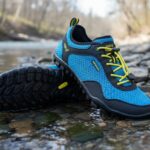 Xero Shoes Aqua X Sport Review: Barefoot Water Shoes for Trails, Travel, and Wet Adventures
 Xero Shoes For Hot Weather: Breathable Picks For Cool, Dry Feet

I really appreciate your insights on barefoot shoes for tropical climates. Living in a humid region myself, I’ve found that traditional footwear can quickly lead to discomfort, especially when exploring the great outdoors. I recently switched to barefoot shoes during my hiking trips, and the difference has been remarkable. Not only do they provide better breathability, but they also allow for a more natural gait, which I think is crucial when navigating uneven terrain, like the rainforest trails you mentioned.
Sounds like you’ve had a real footwear epiphany! Switching to barefoot shoes feels like shedding the shackles of traditional footwear, doesn’t it? Those humid hikes can turn even the most casual stroll into a sweaty slip-and-slide challenge.
Your analysis of barefoot shoes in the context of tropical adventures really resonates with me, particularly in regard to the challenges posed by high humidity and heat. I’ve had my share of trekking through tropical environments, and the right footwear can truly make or break the experience. The points you raised about traditional shoes trapping heat and moisture illuminate a crucial aspect of selecting footwear for such climates.
I couldn’t agree more with your take on barefoot shoes—the freedom they offer is like letting your feet go on a mini-vacation while you tackle those tropical escapes! I remember the time I decided to wear regular sneakers on a beach outing. Let’s just say my shoes turned into little saunas and my feet were not on board with the idea of a heated paradise. Barefoot shoes are a game changer when it comes to both comfort and avoiding that dreaded “swamp foot” feeling!
I can totally relate to that experience with regular sneakers at the beach—it’s like signing up for a sauna session when all you want is to enjoy the sun and surf. I’ve definitely had my fair share of “swamp foot” days too; there’s something about summer that just hits differently when your feet are confined in heavy shoes.
I appreciate the insights you’ve shared about barefoot shoes in tropical climates. Having spent quite a bit of time trekking through humid rainforests and walking along sun-soaked beaches, I’ve come to realize the importance of choosing the right footwear. I once made the mistake of wearing traditional hiking boots, which quickly led to sweaty, blistered feet and a miserable experience.
Your insights on barefoot shoes and their suitability for tropical adventures resonate deeply with my own experiences. Living in a region where humidity and heat govern much of our daily lives, I’ve often struggled to find footwear that strikes the right balance between comfort, breathability, and protection. The concept of barefoot shoes as a solution is particularly intriguing, especially given the emphasis on mimicking natural movement. It mimics the sense of being close to nature, which is essential when exploring such vibrant ecosystems.
I couldn’t agree more about the importance of choosing the right footwear for tropical adventures! Recently, I spent a week exploring the lush landscapes of Costa Rica, and my trusty barefoot shoes truly did make all the difference. The lightweight feel and breathability allowed me to hike through the vibrant rainforests without worrying about blisters or sweaty feet.
Choosing the right footwear really can make or break an adventure, can’t it? I completely relate to your experience in Costa Rica. I remember my own trip there, where I underestimated the terrain. I opted for some pretty standard hiking boots, and by the end of the first day, I was definitely regretting that choice.
I couldn’t agree more with your insights on the importance of choosing the right footwear for tropical adventures! Living in a humid climate, I’ve often found that my choice of shoes can make or break my experience while exploring the outdoors. I’ve recently switched to barefoot shoes, and it’s been a game changer. The superior breathability really does feel like a breath of fresh air for my feet, especially during long hikes in the sun.
I totally relate to what you’re saying about footwear in a humid climate. It’s surprising how much of a difference the right shoes can make. I’ve been experimenting with different styles as well, and I’ve noticed that flexibility and breathability become even more essential when the weather heats up.