
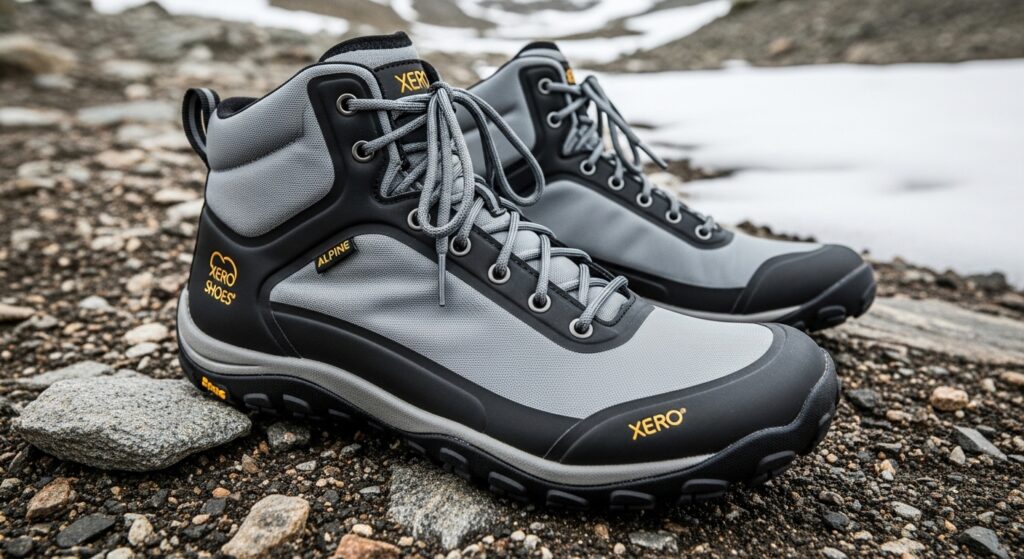
What Are Barefoot Shoes and Why Are They Important?
I believe Barefoot shoes are a revolutionary category of footwear because they promote natural foot movement and overall health. These shoes mimic the feeling of walking barefoot, allowing your feet to function as they were intended. This design encourages proper biomechanics, reducing the risk of foot-related issues.
At MyShoesFinder, we specialize in barefoot shoes, helping outdoor enthusiasts and casual walkers achieve comfort and agility in their daily activities. Our platform connects users with the best options in the market, ensuring they find the perfect fit for their lifestyle.
We monetize our services through affiliate partnerships with leading brands, providing users with curated recommendations while earning commissions on sales. This model allows us to offer valuable insights and reviews without compromising user experience.
This guide covers essential attributes of barefoot shoes, including:
- Key features and benefits
- Manufacturing processes and sustainability
- Comparative analysis with traditional footwear
- Expert insights on performance
- Care and maintenance tips
What Are the Key Features of Barefoot Shoes?
barefoot shoes are designed with several unique features that set them apart from traditional footwear. Their lightweight construction promotes agility and comfort, making them ideal for various activities. The minimalist design allows for natural foot movement, which is essential for maintaining a healthy gait.
Additionally, these shoes are made from breathable materials that keep your feet cool and dry, whether you’re hiking in the mountains or walking in the city. Their rugged outsoles provide excellent traction, ensuring stability on different terrains.
Versatility is another hallmark of barefoot shoes. They cater to various foot types and preferences, ensuring a comfortable fit for everyone. Whether you’re tackling challenging trails or enjoying a casual day out, barefoot shoes rise to the occasion.
How Are Barefoot Shoes Made?
The manufacturing process of barefoot shoes prioritizes sustainability and ethical practices. Eco-friendly materials are used, significantly reducing environmental impact without compromising quality. From recycled components to responsibly sourced fabrics, each pair reflects a commitment to preserving our planet.
Moreover, ethical production methods ensure fair labor practices, providing workers with safe and respectful working conditions. By choosing barefoot shoes, consumers invest in their health while supporting a brand that values social responsibility.
Are Barefoot Shoes Suitable for Everyone?
Barefoot shoes cater to a wide range of activities, making them suitable for various foot types and lifestyles. Whether you are a seasoned athlete or someone who enjoys casual walks, these shoes offer adaptability that is hard to match. Their design promotes natural foot movement, allowing users to engage in diverse activities without the constraints of traditional footwear.
From avid hikers tackling demanding trails to city dwellers navigating busy streets, the versatility of barefoot shoes is evident. They accommodate different foot shapes and sizes, ensuring comfort during extended wear.
What Do Experts Say About Barefoot Shoes?
What Are Real-World Examples of Use?
The versatility of barefoot shoes has captured the attention of outdoor enthusiasts and casual wearers alike. Users report wearing them on various terrains, from the rugged trails of Patagonia to serene beach walks in Thailand. Hikers appreciate the traction and stability provided by the outsole, making steep ascents and rocky descents less daunting.
City dwellers have embraced them as their go-to footwear for daily errands, enjoying both comfort and a stylish minimalist aesthetic. Many users share their experiences in hiking communities, highlighting the shoes’ performance in diverse weather conditions.
What Are the Performance Insights from Experts?
Experts note several key advantages of barefoot shoes. Their lightweight construction allows for increased agility, making them suitable for dynamic activities like trail running or fast-paced hiking. The flexibility of the design supports natural foot movement, enhancing overall efficiency during physical activities.
Additionally, the innovative outsole provides superior traction, essential for navigating slippery or uneven surfaces. This combination reduces fatigue, enabling users to engage in lengthy outdoor excursions with confidence.
What Are the Best Practices for Achieving the Right Fit?
To enjoy the full benefits of barefoot shoes, achieving the right fit is crucial. Begin by measuring your foot, considering both length and width, to determine your size. When trying on the shoes, ensure there is enough room for your toes to wiggle comfortably.
Pay attention to the arch and heel fit. For individuals with unique foot shapes, trying different models may be beneficial. Lastly, wear your shoes in short intervals at first, gradually increasing wear time to allow your feet to acclimate to the minimalist design.
What Are the Benefits of Barefoot Shoes?
How Do They Compare to Traditional Footwear?
Barefoot shoes offer numerous advantages over traditional footwear. One significant benefit is the improvement in foot health that comes from their minimalist design. This design promotes a more natural foot position, enabling the muscles and tendons to engage as intended, leading to fewer issues with foot pain.
Another notable advantage is the enhanced sensory feedback provided by these shoes. Unlike conventional footwear that insulates the foot from the ground, barefoot shoes allow for better ground feel, improving balance and stability during activities.
How Do They Promote Natural Movement?
The design of barefoot shoes encourages natural movement, allowing the foot to function as intended. This promotes proper gait and biomechanics, leading to better posture and alignment while walking or running. The flexibility of the shoe allows for a full range of motion, supporting the natural mechanics necessary for activities like hiking and walking.
Over time, users may develop stronger foot and lower leg musculature due to increased engagement of these muscle groups, leading to improved overall physical performance.
What Are the Key Benefits?
- Comfort
- Flexibility
- Durability
- Lightweight
- Breathability
The key benefits of barefoot shoes make them an attractive option for anyone looking to enhance their footwear experience. Comfort is paramount, as these shoes adapt to the natural shape of your foot. Flexibility allows for unrestricted movement, while durability ensures they can withstand outdoor adventures. The lightweight nature minimizes fatigue, and breathability keeps your feet fresh and dry.
How Do They Contribute to Environmental Sustainability?
In today’s environmentally conscious market, barefoot shoes stand out due to their commitment to sustainability. Crafted from eco-friendly materials and produced using sustainable practices, these shoes significantly reduce your carbon footprint. By opting for barefoot shoes, consumers support a brand that prioritizes environmental wellness while enjoying outdoor activities.
The materials used are sourced responsibly, ensuring that the production process does not harm the environment. This commitment resonates particularly with eco-conscious consumers seeking sustainable choices.
What Are the Best Practices for Care and Maintenance?
How to Maintain Your Barefoot Shoes?
To ensure that barefoot shoes remain functional and visually appealing, proper care is essential. Regularly clean the shoes using a soft brush to remove dirt and debris. A damp cloth can help wipe down areas prone to scuffs or stains.
After cleaning, allow the shoes to air dry naturally away from direct sunlight or heat sources. Additionally, check the laces and eyelets periodically for signs of wear, replacing them as necessary to ensure optimal performance.
How to Choose the Right Pair for Your Activities?
Selecting the appropriate style of barefoot shoes hinges on your intended use. Consider the activities you plan to engage in—whether hiking, casual wear, or light sports. For hiking, look for models with enhanced traction and ankle support.
Evaluate the terrain; certain features like thicker soles or reinforced toe caps may be beneficial for rough trails, while a sleeker design may suit urban environments better. Aligning your needs with the strengths of different models ensures you choose the right pair.
How Do Barefoot Shoes Compare to Other Brands?
What Features Are Unique to Barefoot Shoes?
Barefoot shoes distinguish themselves through their lightweight design and emphasis on foot health. Unlike traditional footwear that prioritizes cushioning, these shoes focus on creating a natural environment for the foot. This unique approach promotes biomechanics that align with the body’s natural movement patterns.
Additionally, barefoot shoes often utilize innovative materials that enhance flexibility and breathability, making them ideal for both active pursuits and casual wear. Their minimalist aesthetic appeals to those who appreciate a sleek look without sacrificing functionality.
What Contributes to Their Popularity?
The popularity of barefoot shoes can largely be attributed to their reputation for quality and comfort. Users consistently report positive experiences, citing the perfect balance between protection and a natural feel. This strong community of advocates enhances the brand’s credibility, leading to new customers discovering the benefits.
Furthermore, the commitment to sustainability resonates with consumers who value environmentally responsible purchasing decisions, making these shoes an attractive choice in today’s market.
Are There Notable Alternatives to Barefoot Shoes?
While various brands offer footwear similar to barefoot shoes, few match the unique combination of benefits they provide. Competitors may present similar designs, yet they often fall short in materials, comfort, and overall performance. Brands focusing solely on traditional hiking or athletic footwear may not prioritize the same natural foot function.
However, some alternatives exist for consumers seeking similar features. Brands emphasizing minimalist principles and promoting foot health may offer worthy contenders. Yet, the specific attention barefoot shoes pay to performance, comfort, and sustainability remains difficult for others to replicate.
What Does Research Say About Barefoot Shoes?
What Are the Research-Backed Benefits?
Extensive research supports the benefits of wearing barefoot shoes, particularly regarding foot strength and overall health. Studies show that minimalist footwear encourages the development and strengthening of foot muscles, significantly improving function. This is especially relevant for those who have experienced issues with traditional footwear that restricts natural movement.
Moreover, research suggests that using minimalist shoes can lead to improved balance and stability, as users adapt to a more natural gait. This shift in gait can be advantageous for athletes and outdoor enthusiasts engaging in activities requiring agility on varied terrain.
How Do They Affect Performance During Activities?
Barefoot shoes have a demonstrable impact on performance across various activities. Athletes, particularly those involved in trail running and hiking, experience enhanced agility and speed due to the shoes’ lightweight construction. The minimalist approach allows for greater control over movement, enabling users to navigate challenging terrains confidently.
Performance analysis indicates that participants wearing barefoot shoes can often respond more rapidly to environmental changes, crucial for activities like mountain climbing or trail running. Their ability to facilitate natural foot mechanics enhances performance and contributes to a reduced risk of injury.
What Do Users Say About Their Experience?
User testimonials frequently praise barefoot shoes for their comfort and functionality. Many customers highlight the shoes’ ability to accommodate various foot shapes, noting they feel like an extension of their feet. This feedback underscores the importance of a proper fit and the inherent flexibility of the shoes.
Users commend the shoes for their performance on diverse terrains, expressing satisfaction with the grip and stability they provide. Many testimonials reflect a newfound appreciation for the connection to the ground, enhancing the overall outdoor experience.
What Activities Are Suitable for Barefoot Shoes?
What Are the Versatile Uses for Different Environments?
Barefoot shoes excel in multiple settings, making them highly versatile footwear. From mountain trails to urban parks, these shoes adapt seamlessly to various environments. Hikers appreciate the traction and support they provide on rugged terrains, while travelers enjoy their lightweight design for easy packing and all-day comfort.
Moreover, these shoes are suitable for casual outings, such as running errands or spending time with friends in the city. Their stylish minimalist design ensures wearers can transition effortlessly from the trail to social gatherings without sacrificing comfort.
How to Transition to Using Barefoot Shoes?
Transitioning to barefoot shoes requires a gradual adaptation process to ensure comfort. Start by wearing the shoes for short periods, allowing your feet to acclimate to the minimalist design. This approach is crucial for individuals accustomed to traditional footwear that offers more support.
As you grow more comfortable, gradually increase the duration of wear, incorporating them into your daily routine. Pay attention to any sensations in your feet, as they may signal the need for further adjustment. This measured approach enhances comfort while reaping the benefits of adopting a more natural footwear style.

Ethan Marshall is a passionate writer and content creator at My Shoes Finder, where he explores a diverse range of topics, from lifestyle and fashion to innovative products and personal development. With a keen eye for detail and a commitment to delivering engaging and informative content, Ethan connects with readers by sharing insights that inspire and inform. He believes in the power of storytelling to influence positive change, and he continually seeks to provide valuable perspectives that resonate with his audience.
See also:
 Xero Shoes for Children: 2025 Developmental Podiatry Guide
 Xero Shoes for Back Pain Relief and Improved Posture
 Xero Shoes: Discovering the Brand’s Origins and Makers
 Unleash Your Natural Movement with Barefoot Shoes for Men
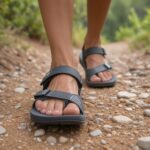 Xero Shoes Sandals: Experience the Joy of Barefoot Walking
 Barefoot Shoes for Teachers: Standing Comfort All Day Long


I appreciate your insights into barefoot shoes and their benefits for natural foot movement. I’ve been exploring similar concepts lately, especially the connection between our footwear and overall health. It’s fascinating to see how the shift towards minimalist designs can lead to improved biomechanics and reduce common foot issues.
It’s great to hear you’re diving into this topic! The relationship between footwear and our overall well-being really is eye-opening. The way minimalist designs promote natural foot movement can make a noticeable difference in how we feel day-to-day.
I find the discussion about barefoot shoes incredibly intriguing, especially since there’s been a noticeable shift in public awareness regarding natural movement and foot health over the past few years. The concept of mimicking the barefoot experience isn’t just about comfort—it’s also about aligning with our body’s natural mechanics. I remember when I first ventured into minimalist footwear; I was surprised at how different it felt to walk, especially after years of being accustomed to heavily cushioned soles.
I really appreciate the insights you’ve shared about barefoot shoes! It’s interesting how they not only promote natural foot movement but also align with a growing trend towards minimalism in various aspects of life, including health and fitness. I started incorporating barefoot shoes into my routine a few months ago and noticed a significant difference in my posture and overall comfort while walking.
This exploration of barefoot shoes truly resonates with my own journey into minimalist footwear. Just a couple of years ago, I transitioned from traditional athletic shoes to barefoot shoes, and it has been nothing short of transformative for my mobility and comfort. I used to suffer from persistent foot aches and even some knee pain, which I attributed to my regular, heavily cushioned footwear. However, after switching to barefoot shoes, I noticed an immediate improvement in my foot strength and overall biomechanics.
It’s really interesting to hear about your experience with barefoot shoes. Your journey mirrors so many others who find themselves on a similar path. Those persistent foot and knee pains can be frustrating, and it often takes stepping away from traditional cushioning to truly understand what our bodies need.
Your post raises some intriguing points about the benefits of barefoot shoes, particularly in terms of their impact on biomechanics and foot health. I’ve personally noticed a significant difference since I switched to barefoot shoes for my daily activities. The freedom of movement they offer really allows my feet to engage more naturally with the ground—something I hadn’t experienced with traditional footwear.
Your exploration of barefoot shoes really resonates with me, especially given the increasing awareness around foot health and its connection to overall well-being. I’ve personally transitioned to barefoot-style footwear over the past year and have experienced notable changes in my posture and comfort during long walks and hikes. It’s fascinating how a design that closely mimics our natural motion can encourage better biomechanics—something many of us overlook in traditional footwear.
Ah, barefoot shoes—a topic near and dear to my heart (and soles). It’s fascinating to think that the very footwear meant to protect our feet can sometimes hinder their natural abilities. I mean, have you ever tried running in thick-soled sneakers and felt like you’re wearing lead weights? I did once… and let’s just say my feet were not the only ones crying out for mercy.
I truly appreciate your insightful article on barefoot shoes and their importance. As someone who has experienced foot discomfort for years, I can relate to the struggle of finding footwear that allows for natural movement. The concept of barefoot shoes resonated with me not only because of their design but also due to the wider implications for overall health and well-being.
I really appreciate this exploration into barefoot shoes! It’s become quite a journey for me personally, transitioning from traditional footwear to barefoot options. I used to think that more cushioning was better for my feet, but once I started to learn about the mechanics of our feet and how they essentially evolved for natural movement, it really changed my perspective.
It’s great to hear about your journey with barefoot shoes. The shift from traditional footwear can really change how we think about foot health and mobility. Many people hold on to the idea that more cushioning equals more comfort, but once you start exploring how our bodies naturally move, it makes sense that less can actually be more.
The transition to barefoot shoes really does open up a new understanding of foot health and mobility. When I first made the switch, it was eye-opening to realize how much my traditional footwear was influencing not just how I walked, but how I felt overall. That common belief linking comfort with extra cushioning starts to unravel when you consider the natural mechanics of the body.
I appreciate your insights on barefoot shoes and their importance for promoting natural foot movement. It’s fascinating how something as fundamental as our footwear can significantly impact our overall health and well-being. Having made the switch to barefoot shoes about two years ago, I can personally vouch for the benefits you outlined. Initially, I was skeptical, as I had always worn traditional shoes that provided more cushion and arch support. However, once I transitioned to barefoot footwear, I noticed a remarkable improvement in my foot strength and balance.
Your exploration of barefoot shoes and their potential to enhance our natural foot movement resonates deeply with a growing body of evidence supporting minimalist footwear. The concept of allowing our feet to function as they were intended truly strikes a chord, especially in a world filled with highly structured shoes that may inadvertently lead to a host of foot-related issues.