Barefoot Children's Shoes: Find Barefoot Shoes for Children
As experts in kids’ footwear, we’ve seen how crucial it is to nurture natural foot development in children. Those early years are pivotal for strong and healthy feet, but traditional shoes can hinder this vital process. That’s where barefoot shoes come in: they’re the game-changers that empower little ones to thrive.
Traditional shoes limit a child’s movement, leading to weak muscles and poor balance. They can even cause deformities over time. But with barefoot shoes, it’s like walking without anything on your feet while still being protected from sharp objects and rough surfaces. These shoes promote healthy foot growth by letting kids develop strong arches and flexible toes through natural movement. And they’re so comfortable – the wide-toe boxes let little toes spread out easily. Plus, the zero-drop design encourages good posture without any height difference between heel and toe areas. Give your child the freedom of barefoot shoes – unlock their potential for stronger feet, better balance, and improved overall health!
Equip your child with barefoot footwear for a lifetime of healthy feet. These minimalist shoes provide unparalleled flexibility, freedom, durability, and style.
Key Features to Look for in Barefoot Shoes for Kids
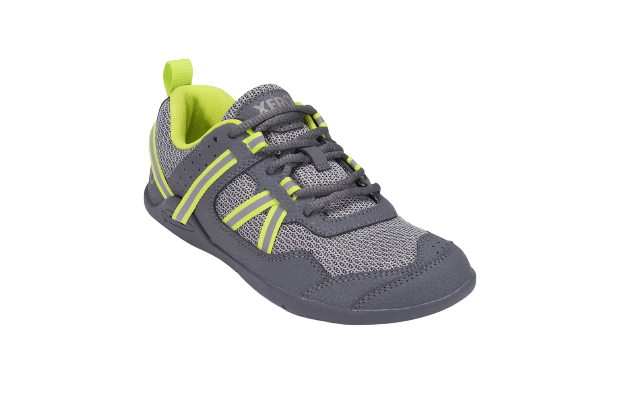
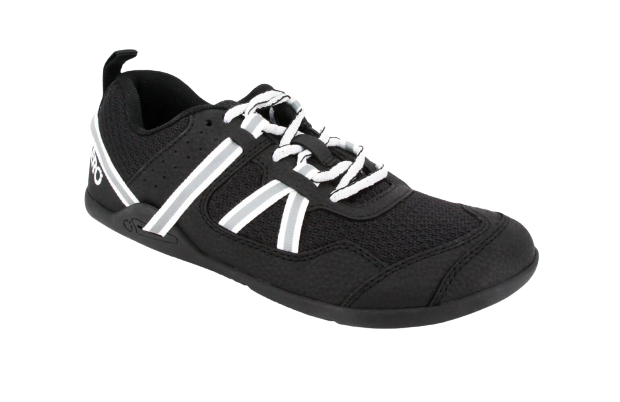
- Flexibility: It’s crucial to choose barefoot shoes that allow natural foot movement. Traditional shoes can restrict this movement, but your child’s feet can move freely and develop properly with flexible barefoot shoes.
- Wide Toe Box: Look for a wide toe box in barefoot shoes to promote healthy foot growth and prevent issues like bunions or hammertoes. This feature allows your child’s toes to spread naturally while walking or running.
- Zero Drop Design: A zero drop design encourages proper posture and alignment by eliminating the height difference between the heel and toe of the shoe. This reduces strain on joints and muscles during activities.
- Durable Materials: Active kids need durable footwear that can withstand their adventures without wearing out quickly. Choose barefoot shoes made from tough materials that can handle whatever your child throws at them.
- Breathability: Kids’ feet sweat more than adults, so it’s important to select breathable materials like mesh or leather for their footwear. This will keep their feet comfortable and prevent any discomfort caused by sweaty feet.
How to Choose the Right Size and Fit
Choosing the perfect size and fit for your child’s barefoot shoes is crucial. It directly impacts their comfort and overall foot health. To ensure you make the absolute best decision, here are some invaluable expert tips:
- Accurate measurement: Start by measuring both of your child’s feet using a ruler or tape measure while they stand with their weight evenly distributed. Measure from the heel to the longest toe, typically the big toe.
- Allow room for growth: Children’s feet grow quickly, so it’s crucial to leave some space for growth when choosing shoe sizes. Aim for about half an inch of space between your child’s longest toe and the front of the shoe.
- Consider width: Look for shoes with a wide toe box that allows natural splaying of toes, promoting proper foot development and preventing discomfort or deformities.
- Flexibility matters: Barefoot shoes should be flexible enough to allow natural movement while still protecting sharp objects or rough surfaces.
- Zero drop design: Choose shoes with zero drop, which means there is no height difference between the heel and forefoot. This promotes a natural walking style and eases pressure on your joints.
- Material selection: Opt for durable and breathable barefoot shoes crafted from high-quality leather or mesh fabric. These materials promote air circulation, keeping your feet fresh and odor-free. Say goodbye to excessive sweating with our top-notch footwear.
- Watch out for poor fit signs: After putting on your child’s barefoot shoes, check if there are any red marks or indentations indicating pressure points or tightness in certain areas.
Transitioning to Barefoot Shoes for Kids: Tips and Tricks
When making the switch from traditional footwear to barefoot shoes for your little ones, it’s crucial to understand that there may be an adjustment period. Here are some expert tips and tricks to help make the transition smoother and more comfortable:
- Start Slowly: Begin by having your child wear their barefoot shoes for short periods, gradually increasing the duration as they become accustomed to the new sensation. This will allow their feet and muscles to adapt gradually.
- Allow for Flexibility: Encourage your child to move freely in their barefoot shoes, allowing their toes to splay naturally and promoting proper foot development. Avoid restricting movements or activities that require flexibility.
- Emphasize Proper Posture: Barefoot shoes promote good posture by encouraging a natural gait pattern. Remind your child to stand tall with their shoulders back and head held high while wearing their barefoot shoes.
- Monitor Comfort Levels: Pay attention to any discomfort or pain your child may experience during the transition period. It’s normal for them to feel some muscle soreness as they adjust, but if there is persistent pain or irritation, consider consulting a healthcare professional.
- Gradually Increase Activities: Watch your child’s confidence soar as they discover the freedom of barefoot shoes. Encourage them to explore new horizons by walking on different surfaces like soft grass or inviting sand. Let them feel the exhilaration of running, jumping, and even climbing trees. With each step, their feet grow stronger and their balance improves. Embrace a world of endless possibilities for your child’s development with barefoot shoes.
- Be Patient: Transitioning from traditional footwear takes time and patience for both children and parents alike. Remember that every kid is unique so it’s important not to rush this process.
- Educate Others: Spread the word about the amazing advantages of children’s barefoot shoes to teachers, caregivers, friends’ parents, and anyone who regularly interacts with your child. Empower them to embrace this incredible lifestyle choice whenever it’s fitting.
Caring for Your Child's Barefoot Shoes
Proper maintenance is crucial when it comes to caring for your child’s barefoot shoes. Here are some essential tips on how to keep these unique footwear options clean and well-maintained:
- Regular Cleaning: It’s important to regularly clean your child’s barefoot shoes to remove dirt, debris, and odors. Most barefoot shoes can be easily cleaned by hand using mild soap and water. Gently scrub the surface of the shoe with a soft brush or cloth, paying extra attention to any stained areas.
- Drying: After cleaning, allow the shoes to air dry naturally in a well-ventilated area away from direct heat sources such as radiators or sunlight. Avoid using a dryer or heater as excessive heat can damage the materials.
- Inspection for Wear and Tear: Regularly inspect your child’s barefoot shoes for signs of wear and tear. Check the soles for any signs of thinning or separation from the upper part of the shoe. Look out for loose threads, frayed edges, or damaged closures like Velcro straps or shoelaces.
- Replacement: As children grow rapidly, it is crucial to monitor their foot size regularly and replace their barefoot shoes when they no longer fit properly.
- Signs of Significant Wear: If you notice significant signs of wear such as holes in the sole or upper part of the shoe that cannot be easily repaired, it may be time to consider purchasing a new pair.
- Frequently Asked Questions
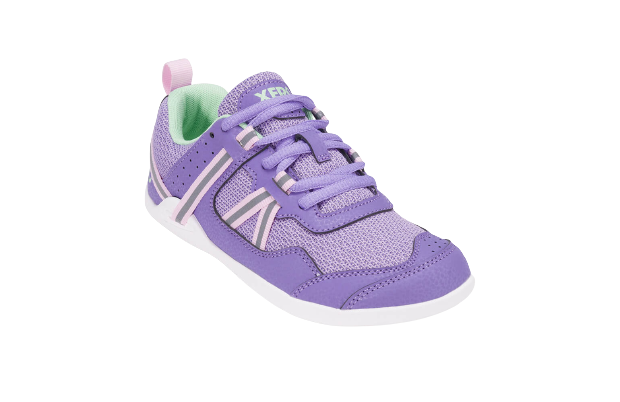
Barefoot shoes for kids are designed to mimic the natural shape and flexibility of a childs foot, providing minimal cushioning and support to encourage stronger foot development and proprioception while still offering protection from the environment.
Parents may choose barefoot shoes to promote natural foot movement, improve balance and agility, enhance sensory feedback from the ground, reduce the risk of posture issues later in life, and foster a more natural walking and running gait.
Yes. Features such as thin and flexible soles for ground feel, wide toe boxes for toe splay, zero-drop design for natural alignment, breathable materials for comfort, and adjustable fastenings for fit make these brands suitable for children.
To ensure a proper fit, measure your child’s feet accurately; look for size guides provided by the brand; consider adjustable designs; leave space for growth without compromising on snugness around the heel or mid-foot; allow adequate room at the toes without excess material that can cause tripping.
Consider materials that are durable yet flexible; check customer reviews about longevity; look at the quality of construction (stitching, sole attachment); evaluate ease of cleaningmaintenance (machine washable options); factor in whether they’re suited to your child’s activities (water-resistant if necessary).
Barefoot shoes for kids are designed to mimic the natural feel of walking without shoes. Unlike typical sneakers, which often have thicker soles and structured designs, barefoot shoes offer minimal cushioning and maximum flexibility. This design allows for a more natural foot movement, which is essential for the developing feet of children.
=Selecting the correct shoe size for your child is crucial for comfort and foot health. Measure your child's feet in inches or centimeters and refer to our size guide. Remember, barefoot shoes should allow some wiggle room for toes, unlike traditional tight-fitting shoes.
Yes, barefoot shoes are an excellent alternative to flip-flops for beach wear. They provide better protection and support for your child's feet while still offering the breathability and comfort that flip-flops are known for.
Definitely! Our range includes barefoot boots designed for colder climates. These boots maintain the minimalist design of barefoot shoes while providing extra warmth and protection against the elements, making them perfect for winter wear.
It's optional. Some parents prefer their kids to wear socks with barefoot shoes for hygiene or warmth reasons, while others opt for the true barefoot experience. If you choose socks, consider thin, breathable ones to maintain the barefoot shoe benefits.
Barefoot shoes are versatile and suitable for a wide range of activities. They're great for everyday play, light sports, and even formal occasions when paired with the right clothing. Their flexibility and comfort make them a go-to choice for active kids.
Minimalist shoes for children offer numerous benefits. They promote natural foot development, improve balance and posture, and encourage a more natural gait. By allowing the feet to move freely, they can contribute to overall foot strength and health.
Why Choose Us
Unmatched Quality and Variety
Discover the joy of stepping into the world of My Shoes Finder, where we proudly showcase an exclusive collection of Xero Shoes' barefoot designs. Renowned for their exceptional quality, our range includes a variety of styles suited for jogging, trailblazing, leisurely strolls, or everyday fashion. With My Shoes Finder, finding your ideal match for any activity or style preference becomes an effortless journey.
Comfort and Functionality
At the heart of our barefoot shoes collection lies a dedication to comfort and practicality. Our commitment is reflected in the meticulous attention to quality in each pair, ensuring they deliver the comfort and natural movement they promise. Rely on our handpicked range to boost your performance and support your natural stride.
Secure and Convenient Shopping
Experience the ease and assurance of shopping with My Shoes Finder. Our intuitively designed online store makes your purchasing journey smooth and straightforward. Coupled with our prompt delivery service, your favorite barefoot shoes will be at your doorstep in no time. We place utmost importance on the safety and fulfillment of our customers throughout their shopping experience.
Trusted Source for Quality Barefoot Footwear
Opting for My Shoes Finder means you're choosing a reliable destination for premium barefoot footwear. Our passion for superior quality is evident in every product we offer, guaranteeing shoes that blend comfort, durability, and fashion. With us, you're not just buying shoes; you're investing in a promise of excellence.
My Shoes Finder
Begin and conclude your quest for the finest barefoot shoes and sandals at My Shoes Finder. We pledge to provide you with premium products, skilled advice, and a superior customer journey. Whether you are well-versed in barefoot shoes or just embarking on this path, we stand ready to assist you at each juncture.
Reach out to us today to peruse our diverse range of barefoot footwear and uncover the sense of liberty, comfort, and fashion it brings. Contact us via our phone line or explore our website. We eagerly anticipate becoming your reliable provider for all your barefoot footwear necessities. Step into the next chapter of cozy, natural footwear with My Shoes Finder.