
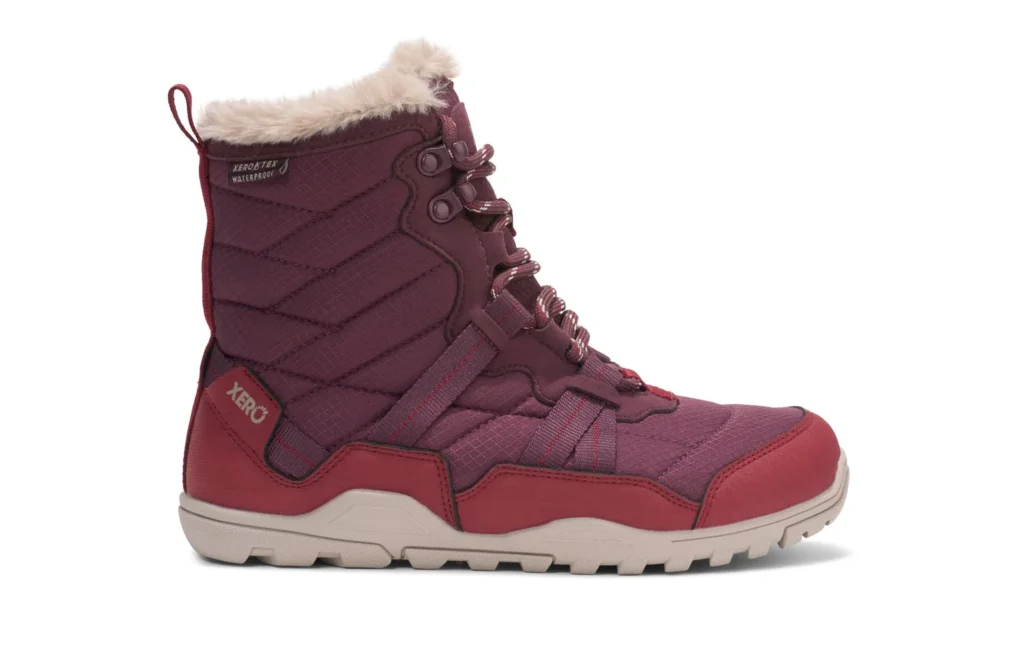
If you’re choosing between the Xero Denver and Alpine, the fastest way to decide is simple: Denver leans toward steadier, colder, wetter use, while Alpine is the lighter, quicker option for mobility-first winter wear.
For broader context on the brand’s minimalist approach, start with the complete Xero guide and then use this comparison to narrow the choice.
Choose Denver if your priority is warmer, more secure winter wear for icy sidewalks, colder commutes, or slower-paced outdoor time. Choose Alpine if you want a lighter-feeling boot with more agility for moving quickly and covering ground.
Denver Vs Alpine At A Glance
| Feature | Denver | Alpine |
|---|---|---|
| Fit feel | More planted and cushioned for longer wear. | Sleeker and more agile for quick movement. |
| Insulation focus | Better aligned with colder, more static winter use. | More balanced for movement and moderate winter exposure. |
| Grip and stability | Stronger choice for slippery, uneven, or city-ice conditions. | Still capable, but tuned more toward nimble footing. |
| Water resistance | Better fit for wet snow and slush. | Fine for lighter moisture, less ideal in prolonged wet conditions. |
| Weight | Heavier-feeling but more stable. | Lighter and easier to move in. |
| Best use case | Daily winter commuting, slower hikes, and colder urban use. | Travel, faster walking, and users who want the least bulky option. |
Which Boot Suits Which Winter Day?
The real difference is not just “warm” versus “less warm.” It is how each boot feels once you start moving. Denver makes more sense when your day involves standing, slower walking, wet streets, or a need for confidence on slick surfaces. Alpine makes more sense when the boot has to keep up with a more active stride.
If your winter routine is centered on city sidewalks, packed snow, and frequent exposure to slush, Denver is the safer all-around pick. If you want a more streamlined boot for moving between errands, short hikes, or travel, Alpine keeps the footprint lighter.
For readers comparing the broader winter lineup, Xero winter boots for every season offers the wider context, while the Alpine page is the better next stop if you already know you want the lighter model.
Best-Fit Checklist
- Choose Denver if you want more stability on slippery pavement.
- Choose Denver if you expect more wet snow, slush, or colder sitting/standing time.
- Choose Alpine if you prefer a less bulky boot for quick movement.
- Choose Alpine if packability and lighter feel matter most.
- If fit is your biggest concern, use sizing guidance before you buy: find your ideal comfort level.
Performance Details That Actually Matter
Traction And Grip
Traction is the feature that changes the experience most on winter streets. Denver is the stronger choice when your main concern is steady footing on icy sidewalks and uneven, compressed snow. Alpine still offers useful grip, but it is the better fit when you are moving with more purpose and do not want the boot to feel as grounded.
Warmth And Weather Resistance
Denver is the more practical option for wet cold and longer time outdoors. Alpine can work in winter, but it is easier to picture as the model for lighter snow exposure and more active use. If your climate is the kind that mixes cold air, slush, and short bursts of icy rain, Denver is the cleaner fit.
Comfort And Daily Wear
The Denver’s comfort advantage comes from its more supportive feel over longer periods. Alpine wins when movement efficiency matters more than a plush step-in feel. That is why Alpine often suits buyers who already know they dislike heavy winter footwear, while Denver fits buyers who want winter protection without constantly thinking about balance and traction.
When To Choose Denver
- You walk on icy sidewalks more than groomed trails.
- You want more confidence in wet snow and slush.
- You value a steadier feel over a fast, sporty feel.
- You plan to wear the boots for longer stretches at a time.
When To Choose Alpine
- You want the lighter option for easier movement.
- You use winter boots for travel or quick outings.
- You care more about agility than maximum coverage.
- You already know you prefer a sleeker profile.
Where To Go Next
If you want the broad winter-footwear context first, keep reading the main Xero guide. If you already know Alpine is the likely winner, go straight to the model page and compare fit details before checkout.
Frequently Asked Questions

Jessica Linford is an insightful author for My Shoes Finder, where she explores a wide array of general topics that resonate with everyday readers. With a passion for storytelling and a keen eye for detail, she brings a unique perspective to her writing, aiming to inform and inspire through her engaging content. Jessica’s diverse interests drive her curiosity, allowing her to connect with audiences on various subjects while sharing practical tips and relatable anecdotes.
See also:
 Xero Shoes For Cold Weather Trekking: What Works, What Doesn’t, And When To Upgrade
 Xero Shoes Winter Boots Review: Best Picks For Warmth, Waterproofing, And Traction
 Alpine – Women’s Snow Boot
 Xero Shoes In Denver: Where To Buy, Fit, And Best Models
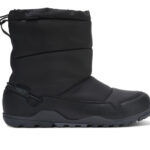 Alpine Pull On – Men
 Xero Shoes 2025 Sizing Chart: Model-By-Model Fit Notes


This is such an insightful comparison of the Xero winter boots! I’ve been exploring minimalist footwear for a while now, and it’s fascinating to see how companies like Xero are shaping our understanding of comfort and functionality in different environments, especially in colder climates.
Ah, Xero winter boots! It’s like a love story waiting to unfold between our feet and the frosty wilderness. It’s comforting to know that minimalism isn’t just reserved for fancy apartments with existential art pieces that only lean on one side of the meaning spectrum! In this case, it’s all about giving our toes the freedom to wiggle while navigating through conditions that can make even snowmen reconsider their life choices.
You captured the spirit of Xero winter boots perfectly! It’s like they’re a secret weapon against the chill, all while embracing a minimalist approach that speaks to those of us who value comfort without the clutter. The freedom to wiggle our toes is more than just a luxury; it’s about staying grounded in nature, even when the ice is tempting us to retreat. And the beauty of minimalism in this context is that it strips away the distractions, letting us focus on the experience of the outdoors—the crunch of snow beneath our feet, the crisp air on our faces. It’s a reminder that sometimes, less really does mean more, especially when it comes to navigating the wilds in style. What’s been your most memorable adventure while wearing them?
Ah, the timeless debate between style and function! I’ve often found myself standing in front of a closet full of boots, contemplating if I’d ever need to scale Everest or simply trudge through a slushy parking lot. Your discussion about Xero winter boots really gets to the heart of it.
I appreciate your thorough comparison of the Denver and Alpine models! It’s interesting how minimalism in design can significantly impact our movement, especially when battling tough winter conditions. I’ve been experimenting with barefoot footwear for a while now and have noticed a huge difference in my overall comfort and foot health during outdoor activities.
It’s fascinating to see the emphasis on minimalist design in Xero winter boots, as I’ve often found that the way footwear interacts with our body can significantly impact our overall comfort and performance during outdoor activities. The consideration for natural movement that you highlight resonates with my own experiences in choosing footwear for winter adventures.
I really enjoyed reading your comparison of the Xero winter boots. It’s fascinating how the minimalist design philosophy is becoming more prominent in footwear, especially for those of us who spend a lot of time outdoors during the winter months. The prioritization of natural movement seems especially important when we’re navigating unpredictable terrains like snowy trails and icy paths.
I’ve got to admit, the minimalist vibes of Xero winter boots are calling to my inner adventurer. I mean, who wouldn’t want to feel like a snow fox gliding through winter wonderlands rather than clomping around like a heavily-laden lumberjack? I appreciate how these boots promote natural movement; it’s like giving your feet a little vacation while they’re out there navigating icy trails!
Your analysis of the Xero winter boots provides a solid foundation for anyone considering this minimalist approach to footwear. However, I can’t help but reflect on how the minimalist design, although appealing for its promotion of natural movement, may not suit everyone’s needs, especially in winter conditions.
I love the idea of minimalist boots that let your toes wiggle while tackling icy paths. It’s like giving your feet a winter vacation while battling the elements! 🥶 One time, I donned a pair of clunky boots that felt more like lead weights than footwear—talk about a workout!
It’s like a twist on ‘let it go’—your toes getting a chance to stretch out while you’re dodging ice like an Olympic figure skater. Those clunky boots can really weigh you down, huh? I’ve had my fair share of lumbering around in what felt like medieval torture devices. Every step felt like I was wearing lead boots in a swimming pool. Who needs a gym membership when you can just slip on a pair of those and waddle around?
I love how you’ve broken down the Denver and Alpine into such bite-sized decisions! It almost feels like picking a winter buddy—will it be the dependable Denver, perfect for those icy sidewalk adventures (might need to keep snack supplies on hand for those extended winter strolls)? Or the nimble Alpine, ready to dash out for a quick coffee run while dodging snowdrifts like an Olympic sport?
I appreciate the clear breakdown of the Denver and Alpine options! It’s interesting how different environments dictate our needs for gear. Personally, I’ve found that when the winter months roll in, I definitely lean towards sturdier options like the Denver for those icy walks to work—it provides that peace of mind. However, I can see the appeal of the Alpine for weekend adventures in the snow, where being able to move quickly and with agility makes all the difference.
It’s interesting to see how the choice between Denver and Alpine really reflects our individual winter activity styles. Personally, I find myself leaning towards the Denver for those long, chilly walks through the city, especially when the sidewalks get icy. There’s something reassuring about that planted feel, which I think also plays a role in boosting confidence when navigating slippery spots.
Your analysis of the Xero Denver and Alpine boots succinctly captures the core differences and intended uses of each model, which is essential for consumers faced with the decision of selecting appropriate winter footwear. I appreciate how you delineate the characteristics of both boots based on their fit, insulation, and practical applications, as it highlights the broader conversation around how we adapt our gear to meet specific environmental challenges.
I’m glad the analysis resonated with you. It’s fascinating how specific gear like the Xero Denver and Alpine boots can really define our experiences in winter environments.
You hit the nail on the head with that observation about gear shaping our experiences. It’s interesting to think about how much a good pair of boots can change your whole outing. Take the Xero Denver and Alpine, for example. They’re not just shoes to wear; they really become part of your winter adventure.
This comparison between the Xero Denver and Alpine articulates the balance between stability and agility in winter footwear quite well. Personally, I often find myself drawn to more versatile options given the unpredictable winter weather in my area, which makes the Denver’s solid, cushioned feel appealing for those cold, icy mornings. However, the Alpine also calls to me for everyday errands when mobility and lightness matter most.
I appreciate your breakdown of the Denver and Alpine options; it really highlights the essential differences that can make or break a winter experience. Personally, I lean towards Denver for its sturdier build, especially living in an area with unpredictable icy conditions. There’s something reassuring about having that extra grip and warmth on colder morning commutes.
Your analysis of the Denver and Alpine boots provides a compelling framework for making an informed decision based on individual needs and winter activities. The distinction you’ve drawn between the two—with Denver catering to those who prioritize warmth and a secure feel during colder, potentially treacherous conditions, while Alpine is geared towards those who value agility and a lighter pack for quicker movement—resonates with my own experiences in selecting winter footwear.
It’s interesting to see the clear distinctions you’ve drawn between the Xero Denver and Alpine. The emphasis on practical use scenarios is particularly helpful. I find that the choice between a more planted feel versus agility often mirrors our lifestyles and daily activities. For instance, those who frequent urban areas with unpredictable winter conditions may indeed benefit from the Denver’s more substantial support, while those who traverse less predictable terrain, like trails or icy parks, might prioritize the speed and lightweight nature of the Alpine.
Your breakdown of the Denver and Alpine options really resonates with me. I’ve always found that the right winter boots can make or break the season, especially when dealing with unpredictable weather. Last winter, I opted for a more robust boot, similar to the Denver, and I appreciated the security it provided while navigating icy sidewalks. However, I often missed the agility of a lighter boot on days when mobility was key.
It’s fascinating how the distinction between the Denver and Alpine really encapsulates the subtleties of winter footwear needs. Your comparison highlights not just the physical characteristics of each boot, but it also resonates on a broader level about our individual experiences and needs in the winter season.
I find the comparison between the Xero Denver and Alpine particularly relevant considering how the choice of winter footwear can really shape our outdoor experiences. I appreciate how the blog succinctly outlines the strengths of each model based on usage scenario. For someone who enjoys extended outdoor activities, I can see how the Denver’s more planted feel and insulation focus could provide a layer of comfort and security, especially on those frigid, icy mornings where warmth and stability are paramount.
This comparison between the Xero Denver and Alpine really gets me thinking about how footwear choices can totally transform our winter experiences. I remember last year trying to navigate icy sidewalks in boots that claimed to be supportive but ended up leaving me sliding all over the place. It was such a hassle!
I really appreciate this clear distinction between the Denver and Alpine options from Xero! It’s fascinating how specific footwear can really impact our winter experiences. I find myself often torn between utility and mobility when it comes to cold-weather gear, which makes this comparison so valuable.