
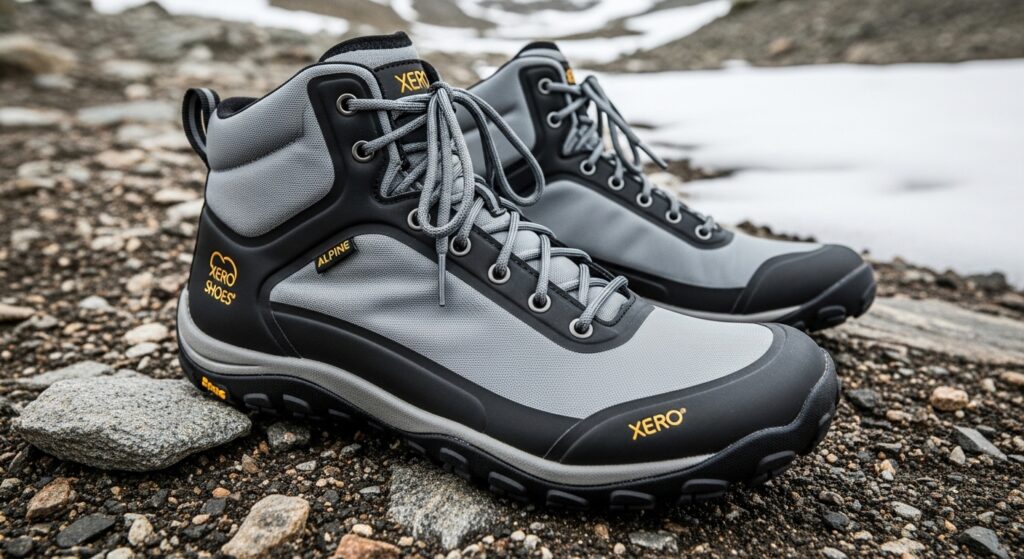
Xero Shoes Alpine is built for cold-weather wear first, with a lightweight barefoot feel that still leaves room for socks and daily movement. If you are deciding whether it fits your winter routine, the fastest next step is to compare it with the rest of the lineup in the Xero Shoes Z-Trek guide and then narrow sizing with a dedicated fit check.
Quick take
Best For cold-weather walkers and barefoot-shoe fans who want a winter boot that is easier to wear day to day than a bulky insulated boot.
Less Ideal For deep snow, long stationary exposure, or anyone who needs heavy insulation instead of a more natural-feeling winter shoe.
How Alpine Fits Into The Xero Shoes Lineup
The original draft read like a general barefoot-shoes explainer, but Alpine works better as a focused winter product page. Its real value is not broad foot-health advice; it is whether a barefoot-minded boot makes sense when the temperature drops, sidewalks get slick, and you still want a shoe that does not feel overbuilt.
If you are comparing winter-friendly options across the brand, a sizing and width check helps more than a generic comfort promise. Start with Xero shoes fit guidance, then use this page to decide whether Alpine is the right cold-weather pick or whether another model suits your day-to-day use better.
| Model | Best use | Warmth & weather | Fit feel | Why choose it |
|---|---|---|---|---|
| Alpine | Winter errands, cold commutes, light snow | Best when you want winter traction without a bulky boot | Roomy enough for socks; check toe space carefully | You want the simplest cold-weather Xero option |
| Z-Trek | Warm-weather walking and travel | Not the winter-first choice | Open, sandal-like feel | You need maximum airflow and packability |
| Prio | Training, gym, everyday wear | Better for indoors or mild weather | Stable, low-profile, versatile | You want an all-rounder, not a boot |
| Dillon | Easy everyday slip-on wear | More casual than winter-specific | Convenient on/off, softer casual profile | You want quick wear with a cleaner street look |
What Alpine Is Good At
Alpine makes sense for buyers who want a cold-weather shoe that still keeps the barefoot philosophy intact. That usually means a lower-profile winter option, a more flexible ride than standard snow boots, and enough room to layer with socks when the weather turns.
Winter traction
Useful for frozen pavement, slushy parking lots, and light snow where grip matters more than deep-boot insulation.
Sock compatibility
A winter boot only works if you can wear the socks you need. Alpine is more convincing when you plan around that extra layer.
Easy on/off
If a winter boot is annoying to put on, it stops being practical fast. Alpine’s appeal is partly in everyday convenience.
When To Buy Alpine, And When To Keep Looking
Timing matters more for winter footwear than for casual sneakers. If you need Alpine for commuting or travel, buy early enough to test fit at home, try it with your thickest socks, and make an exchange before the weather becomes urgent.
| Buying window | Why it helps | Best action |
|---|---|---|
| Early fall | Enough time to test fit before temperatures drop | Order, wear indoors, and check sock room |
| First cold snap | Demand spikes and stock can narrow in common sizes | Move quickly if your size is available |
| Mid-winter replacement | You already know whether you need a boot or a lighter alternative | Compare Alpine against other models before buying out of urgency |
For sizing, the most useful companion read is how to measure for Xero shoes. Winter use is less forgiving than summer wear, so the margin for error matters more than usual.
Fit, Comfort, And Winter-Use Details That Matter
The comfort story with Alpine is different from the generic barefoot-shoe talking points in the original draft. Instead of focusing on abstract foot movement, the buying question is whether the boot gives you enough room, enough winter-ready confidence, and enough comfort to wear for real errands without feeling clunky.
That means checking toe room, sock pairing, and whether you prefer a snugger fit for control or a little more volume for cold days. If your feet are wider than average, a broader model may be a better starting point, which is why the wide-fit Xero roundup is worth a look before you decide Alpine is the default answer.
In practical terms, Alpine is strongest for short outdoor sessions, mixed indoor-outdoor days, and users who want less bulk than a traditional winter boot. It is weaker when you need heavy insulation, prolonged exposure to slush, or a rugged snow-day boot built more for weather defense than ground feel.
How It Compares With Other Nearby Xero Models
A good repositioned Alpine page should help readers choose, not just praise the model. If your goal is lightweight everyday wear rather than winter protection, the Dillon review and Prio overview show how those shoes handle comfort and performance in warmer or more versatile settings.
For readers choosing a winter-specific boot versus a lighter, more seasonal shoe, Alpine is the more relevant pick. For readers who want one pair to do more in gyms, travel, and daily wear, a different Xero model may be the smarter buy.
Choose Alpine if you want winter-ready barefoot comfort without switching to a bulky boot.
If you are still comparing styles, use the fit guides first, then buy the pair that matches your socks, climate, and daily walking pattern.
Common Questions About Xero Shoes Alpine
Is Alpine Meant For Deep Winter Or Just Cool Weather?
It is better understood as a cold-weather everyday boot than an extreme snow boot. If you need heavy insulation or long exposure in harsh conditions, compare it with more weather-protective options.
Does Alpine Work Well With Thicker Socks?
That is one of the first things to test. Winter shoes only work in practice if the toe box and instep still feel comfortable once socks are added.
How Does Alpine Differ From Lighter Xero Models?
It is more climate-specific. Lighter models such as Z-Trek, Dillon, or Prio are better fits when weather protection is not the main job.
What Should I Check Before Buying?
Measure your feet, think about sock thickness, and decide how often you will actually wear the boot in cold conditions. Those three checks do more for satisfaction than chasing generic comfort claims.

Ethan Marshall is a passionate writer and content creator at My Shoes Finder, where he explores a diverse range of topics, from lifestyle and fashion to innovative products and personal development. With a keen eye for detail and a commitment to delivering engaging and informative content, Ethan connects with readers by sharing insights that inspire and inform. He believes in the power of storytelling to influence positive change, and he continually seeks to provide valuable perspectives that resonate with his audience.
See also:
 Xero Shoes For Cold Weather Trekking: What Works, What Doesn’t, And When To Upgrade
 Xero Winter Boot Comparison: Denver Vs Alpine — Which Fits Your Conditions?
 Xero Shoes Winter Boots Review: Best Picks For Warmth, Waterproofing, And Traction
 Xero Shoes In Extreme Cold: What -40°F Testing Actually Showed
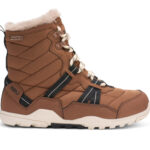 Alpine – Women’s Snow Boot
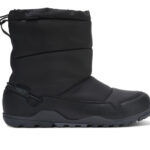 Alpine Pull On – Men
I appreciate your insights into barefoot shoes and their benefits for natural foot movement. I’ve been exploring similar concepts lately, especially the connection between our footwear and overall health. It’s fascinating to see how the shift towards minimalist designs can lead to improved biomechanics and reduce common foot issues.
It’s great to hear you’re diving into this topic! The relationship between footwear and our overall well-being really is eye-opening. The way minimalist designs promote natural foot movement can make a noticeable difference in how we feel day-to-day.
I find the discussion about barefoot shoes incredibly intriguing, especially since there’s been a noticeable shift in public awareness regarding natural movement and foot health over the past few years. The concept of mimicking the barefoot experience isn’t just about comfort—it’s also about aligning with our body’s natural mechanics. I remember when I first ventured into minimalist footwear; I was surprised at how different it felt to walk, especially after years of being accustomed to heavily cushioned soles.
I really appreciate the insights you’ve shared about barefoot shoes! It’s interesting how they not only promote natural foot movement but also align with a growing trend towards minimalism in various aspects of life, including health and fitness. I started incorporating barefoot shoes into my routine a few months ago and noticed a significant difference in my posture and overall comfort while walking.
This exploration of barefoot shoes truly resonates with my own journey into minimalist footwear. Just a couple of years ago, I transitioned from traditional athletic shoes to barefoot shoes, and it has been nothing short of transformative for my mobility and comfort. I used to suffer from persistent foot aches and even some knee pain, which I attributed to my regular, heavily cushioned footwear. However, after switching to barefoot shoes, I noticed an immediate improvement in my foot strength and overall biomechanics.
It’s really interesting to hear about your experience with barefoot shoes. Your journey mirrors so many others who find themselves on a similar path. Those persistent foot and knee pains can be frustrating, and it often takes stepping away from traditional cushioning to truly understand what our bodies need.
Your post raises some intriguing points about the benefits of barefoot shoes, particularly in terms of their impact on biomechanics and foot health. I’ve personally noticed a significant difference since I switched to barefoot shoes for my daily activities. The freedom of movement they offer really allows my feet to engage more naturally with the ground—something I hadn’t experienced with traditional footwear.
It’s great to hear that you’ve had such a positive experience with barefoot shoes. Your point about the freedom of movement really hits home. It’s interesting how much we tend to disconnect from what our feet actually do when we’re in traditional footwear. Many of us forget that our feet are designed to adapt and respond to the surfaces we walk on.
Your exploration of barefoot shoes really resonates with me, especially given the increasing awareness around foot health and its connection to overall well-being. I’ve personally transitioned to barefoot-style footwear over the past year and have experienced notable changes in my posture and comfort during long walks and hikes. It’s fascinating how a design that closely mimics our natural motion can encourage better biomechanics—something many of us overlook in traditional footwear.
Ah, barefoot shoes—a topic near and dear to my heart (and soles). It’s fascinating to think that the very footwear meant to protect our feet can sometimes hinder their natural abilities. I mean, have you ever tried running in thick-soled sneakers and felt like you’re wearing lead weights? I did once… and let’s just say my feet were not the only ones crying out for mercy.
You really captured that feeling of being weighed down by those thick-soled sneakers. It’s almost like they redefine our relationship with the ground beneath us. I remember when I first switched to barefoot shoes, it felt like I was rediscovering how to run again. It may take some time to adapt, but those initial sensations of freedom were eye-opening.
You’ve nailed that feeling with the thick-soled sneakers. It’s wild how they can change our interaction with the ground, isn’t it? The heaviness can sometimes feel like it’s not just in the shoes but also in our movements. Switching to barefoot shoes must’ve been quite a revelation. That rediscovery of running sounds liberating—almost like peeling back layers to get to something pure and unfiltered.
I truly appreciate your insightful article on barefoot shoes and their importance. As someone who has experienced foot discomfort for years, I can relate to the struggle of finding footwear that allows for natural movement. The concept of barefoot shoes resonated with me not only because of their design but also due to the wider implications for overall health and well-being.
I really appreciate this exploration into barefoot shoes! It’s become quite a journey for me personally, transitioning from traditional footwear to barefoot options. I used to think that more cushioning was better for my feet, but once I started to learn about the mechanics of our feet and how they essentially evolved for natural movement, it really changed my perspective.
It’s great to hear about your journey with barefoot shoes. The shift from traditional footwear can really change how we think about foot health and mobility. Many people hold on to the idea that more cushioning equals more comfort, but once you start exploring how our bodies naturally move, it makes sense that less can actually be more.
The transition to barefoot shoes really does open up a new understanding of foot health and mobility. When I first made the switch, it was eye-opening to realize how much my traditional footwear was influencing not just how I walked, but how I felt overall. That common belief linking comfort with extra cushioning starts to unravel when you consider the natural mechanics of the body.
I appreciate your insights on barefoot shoes and their importance for promoting natural foot movement. It’s fascinating how something as fundamental as our footwear can significantly impact our overall health and well-being. Having made the switch to barefoot shoes about two years ago, I can personally vouch for the benefits you outlined. Initially, I was skeptical, as I had always worn traditional shoes that provided more cushion and arch support. However, once I transitioned to barefoot footwear, I noticed a remarkable improvement in my foot strength and balance.
It’s pretty wild how our shoes can totally flip the script on our whole vibe, right? I mean, who knew footwear could be the secret weapon in our wellness arsenal? You starting to feel like a ninja with better balance and foot strength sounds like a solid perk from tossing those cushy shoes aside.
Your exploration of barefoot shoes and their potential to enhance our natural foot movement resonates deeply with a growing body of evidence supporting minimalist footwear. The concept of allowing our feet to function as they were intended truly strikes a chord, especially in a world filled with highly structured shoes that may inadvertently lead to a host of foot-related issues.
I’ve been diving into barefoot shoes lately, and I totally resonate with your take on them. It’s amazing how something so simple can really change the way we move. I’ve found that wearing them for hikes not only makes my feet feel more connected to the ground but also helps with my balance. It’s like rediscovering that natural feeling of walking on grass or dirt.
I’ve been really intrigued by the concept of barefoot shoes since I first heard about them a couple of years ago. It’s fascinating how a type of footwear can have such a profound impact on our overall health and the way we move. I used to rely on cushioned running shoes, thinking they were the best choice for comfort and support, but once I made the switch to barefoot shoes, the difference was eye-opening. It’s like my feet finally had a chance to breathe and move as they were designed to!
Ah, barefoot shoes—the holy grail of foot freedom! I’ve recently dipped my toes (pun fully intended) into the world of barefoot footwear, and let me tell you, it’s like rediscovering the joy of walking! Who knew that letting your toes spread out like they were auditioning for a part in a dance troupe could feel so liberating?
It sounds like you’re really embracing the switch to barefoot shoes! I totally get that sense of rediscovering how natural it feels to walk when you allow your toes to splay out. There’s something refreshing about connecting with the ground beneath you, isn’t there?
Barefoot shoes truly represent a fascinating intersection between function and health. I’ve personally experienced a transformation in my foot strength and overall posture since I made the switch to barefoot footwear. It’s intriguing to consider how much our modern footwear has influenced the natural biomechanics of our bodies.
It’s fascinating to see the growing interest in barefoot shoes, especially as more people become aware of their potential benefits for natural foot movement and overall health. Having recently transitioned to barefoot footwear myself, I can personally attest to how liberating it feels compared to traditional shoes. The difference in comfort and alignment is notable, especially during long walks or hikes.
It’s great to hear that you’ve taken the plunge into the world of barefoot shoes! It’s almost like discovering a secret level in a video game that you didn’t know existed. I mean, who would have thought your feet could feel so… well, *free*? It’s like they’ve been on a prolonged vacation, and you just unshackled them from the heavy, rigid chains of traditional footwear.
Ah, the illustrious world of barefoot shoes! Where the only thing separating your foot from the ground is a thin layer of fabric and a sprinkle of optimism. I have to confess, every time I see a pair of these beauties, I can’t help but picture the wild and free lifestyle they promise—like a centaur but just a bit more human and far less mythical.
It’s refreshing to see a shoe designed with the balance of warmth and natural movement in mind. The Xero Shoes Alpine seems like a perfect fit for those of us who still want to stay grounded, literally, even in colder months. I’ve often found that many winter boots sacrifice comfort and foot health for extra insulation, but it sounds like the Alpine offers a compelling alternative.
I appreciate the insights you’ve shared about the Xero Shoes Alpine; it’s refreshing to see a design that prioritizes a lightweight feel while acknowledging the practical needs of cold-weather wear. As someone who has often struggled with the heaviness and bulk of traditional winter boots, the idea of a more minimalist approach resonates with me.
I appreciate the focus on winter wear with the Xero Shoes Alpine. It’s refreshing to see a brand that prioritizes that barefoot feel while still being practical for colder conditions. I’ve been on the hunt for a boot that allows for movement and doesn’t feel overly bulky, especially since I’m often navigating city streets that get slick in winter.