
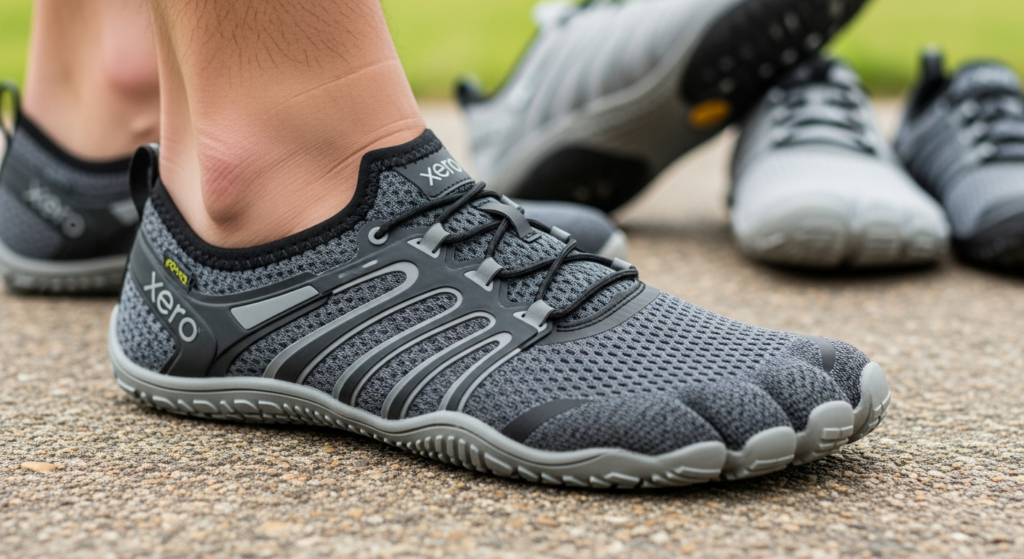
Why Are Barefoot Shoes Essential for Foot Health?
I believe barefoot shoes are a vital category of footwear because they promote natural foot mechanics and enhance overall foot health. The unique design of barefoot shoes supports the foot’s natural shape, allowing for optimal flexibility and movement. This is especially important for individuals who engage in regular physical activities, as it helps prevent common foot ailments.
At MyShoesFinder, we specialize in barefoot shoes, helping fitness enthusiasts and casual wearers achieve improved comfort and foot health. Our mission is to provide a comprehensive selection of high-quality barefoot shoes that cater to diverse needs. We monetize through affiliate partnerships and product recommendations, ensuring our users find the best footwear for their lifestyles.
This guide covers key attributes of barefoot shoes, including their design features, materials used, health benefits, suitability for various activities, and environmental impact. By understanding these elements, you can make informed decisions about your footwear choices.
What Unique Design Features Do Barefoot Shoes Offer?
Barefoot shoes stand out in the footwear market due to their innovative minimalist design. These shoes are crafted to provide a lightweight experience, ensuring they do not hinder the natural biomechanics of the foot. The design philosophy emphasizes a low-profile silhouette that mirrors the natural shape of the foot, allowing for optimal flexibility and movement.
Another noteworthy aspect is the zero-drop platform, which means there is no height difference between the heel and toe. This design promotes a more natural gait, encouraging users to engage their foot muscles effectively. Barefoot shoes are engineered to enhance the user’s experience by combining function with aesthetics, making them suitable for a variety of settings, from rugged trails to urban environments.
- Lightweight construction: Ensures comfort during extended wear.
- Wide toe box: Accommodates natural toe splay for balance.
- Zero-drop design: Promotes natural foot mechanics.
What Materials Are Used in Barefoot Shoes?
The materials used in barefoot shoes are carefully selected to enhance comfort and performance. Many models incorporate breathable mesh that allows for airflow, keeping feet cool during prolonged wear. Additionally, a durable rubber outsole is often used to provide traction and longevity, essential for outdoor activities.
Moreover, barefoot shoe brands increasingly utilize eco-friendly materials, aligning with the growing demand for sustainable products in the footwear industry. By focusing on responsible sourcing and production processes, barefoot shoes appeal to consumers who prioritize environmental responsibility without sacrificing performance.
- Breathable materials: Enhance airflow and comfort.
- Durable outsoles: Provide traction and longevity.
- Sustainable sourcing: Aligns with eco-conscious consumer values.
Are Barefoot Shoes Suitable for Everyone?
While barefoot shoes have garnered acclaim for their design and benefits, they may not be universally suitable for everyone. Many users find that transitioning to minimalist footwear can enhance comfort and foot health, especially those who engage in regular physical activities. The shoes promote natural movement, which can lead to improved strength and flexibility in the feet.
However, individuals with specific foot conditions, such as severe flat feet or rigid high arches, may find that barefoot shoes do not provide the necessary support. It’s crucial for individuals to consider their unique foot structure and any underlying health conditions before making a switch. Consulting with a healthcare professional or foot specialist can provide valuable insights into whether barefoot shoes are the right choice for your feet.
- Consult a specialist: Get personalized advice on footwear.
- Consider foot structure: Assess your unique needs.
- Transition gradually: Allow time for adaptation.
What Are the Health Benefits of Wearing Barefoot Shoes?
Wearing barefoot shoes offers multiple health benefits, particularly in enhancing foot strength and overall posture. Research indicates that minimalist footwear can act as a catalyst for developing intrinsic foot muscles, which are crucial for maintaining balance and stability. The design of barefoot shoes encourages a more natural gait, leading to better alignment and less stress on the joints.
Moreover, transitioning to minimalist shoes has been associated with a decreased risk of common foot ailments such as plantar fasciitis and shin splints. Users often report improved comfort during various activities, owing to the shoes’ design which allows the foot to move in its natural rhythm. This can lead to a more engaging experience during physical activities, whether it’s a hike in the mountains or a casual stroll through the park.
- Improved balance and stability: Engages stabilizing muscles.
- Enhanced foot flexibility: Maintains joint mobility.
- Reduced risk of injury: Promotes a natural gait.
- Better posture: Assists in proper alignment.
- Increased foot strength: Strengthens intrinsic foot muscles.
How Do Barefoot Shoes Promote Natural Movement?
Barefoot shoes are explicitly designed to promote natural foot mechanics by allowing the foot to function as it was intended. The minimalist structure encourages a more efficient use of foot muscles, which is vital for activities such as running and hiking. These shoes facilitate a natural foot strike, allowing users to land on the midfoot or forefoot rather than the heel, which can reduce impact and promote better energy transfer.
This enhanced foot mechanics can lead to improved performance in physical activities. For instance, runners may experience increased speed and agility, while hikers can navigate uneven terrains with greater ease. The natural movement fostered by barefoot shoes serves not only to improve athletic ability but also to promote overall foot health.
- Encourages midfoot striking: Reduces impact on joints.
- Improves agility: Enhances performance in sports.
- Promotes foot health: Supports natural biomechanics.
Can Barefoot Shoes Help with Foot Pain?
Many users have reported a significant reduction in foot pain after transitioning to barefoot shoes. This is largely attributed to the shoes’ design, which encourages proper foot alignment and biomechanics. For individuals who have experienced pain due to improper footwear, making the switch to a minimalist shoe can lead to remarkable improvements in comfort and mobility.
Studies suggest that as users adapt to the shoes, their foot posture improves, which can alleviate pressure on sensitive areas. This is particularly beneficial for those suffering from conditions like plantar fasciitis or Achilles tendonitis. As users adapt to barefoot shoes, they often find that their overall foot health improves, making it easier to engage in activities they enjoy.
- Improves foot alignment: Reduces pressure on sensitive areas.
- Alleviates pain: Supports recovery from injuries.
- Enhances mobility: Encourages active lifestyles.
What Activities Are Barefoot Shoes Best For?
Barefoot shoes are versatile and designed for a myriad of activities, making them a popular choice among fitness enthusiasts. They are excellent for running, as the minimalist design enhances the natural running stride. Many runners appreciate the feedback they get from the ground, enabling them to adjust their form for better efficiency and performance.
In addition to running, these shoes are also ideal for hiking, providing adequate traction and stability on various terrains. Users can traverse rocky paths, muddy trails, or sandy beaches while enjoying the flexibility that barefoot shoes offer. Moreover, casual walking and everyday use are perfectly suited for these shoes, as they blend comfort and style seamlessly.
- Ideal for running: Enhances natural stride.
- Perfect for hiking: Provides traction and stability.
- Great for casual wear: Combines comfort and style.
How Do Barefoot Shoes Compare to Other Brands?
When comparing barefoot shoes to conventional footwear brands, it’s evident that barefoot shoes rank higher in terms of sustainability metrics. Traditional brands often focus on mass production and synthetic materials, which can have a significant environmental impact. In contrast, barefoot shoes emphasize both performance and eco-friendliness, appealing to consumers looking for a sustainable alternative.
Moreover, the minimalist design of barefoot shoes promotes natural foot movement, which is often lacking in conventional footwear. As awareness grows regarding the benefits of minimalist footwear, more consumers are likely to gravitate towards brands that combine performance with ecological responsibility.
| Feature | Barefoot Shoes | Conventional Shoes |
|---|---|---|
| Sustainability | High (eco-friendly materials) | Low (synthetic materials) |
| Foot Movement | Natural | Restricted |
| Weight | Lightweight | Heavier |
What Do Users Say About Their Experience with Barefoot Shoes?
Many users have taken to various platforms to share their experiences with barefoot shoes, highlighting the comfort and support they experience after making the switch. Testimonials often praise the shoes for their lightweight feel and how they enhance natural movement. Customers frequently mention that the transition to barefoot shoes has improved their walking and running experiences, making them feel more connected to the ground.
Real-life anecdotes reveal that users appreciate the versatility of the shoes, as they can be comfortably worn in various settings. From casual outings to rigorous workouts, customers appreciate the performance and style that barefoot shoes provide. Overall, the feedback from users paints a positive picture of the brand’s impact on foot health and overall comfort.
- Positive testimonials: Highlight comfort and support.
- Versatility: Suitable for various activities.
- Improved experiences: Enhanced connection to the ground.
What Common Concerns Do Users Have?
Despite the generally positive reception of barefoot shoes, some users express concerns during the transition period. A common worry is the adjustment to minimalist footwear, as some individuals may experience discomfort initially. This discomfort often stems from the sudden shift in foot mechanics, which can take time for the body to adapt.
Additionally, some users have raised issues regarding fit, particularly for those with wider feet or those accustomed to heavily cushioned shoes. These concerns are essential to consider, as proper fit is critical to ensuring comfort and performance. Engaging with user reviews and seeking guidance on sizing can address these concerns effectively.
- Adjustment period: Expect initial discomfort.
- Fit issues: Consider foot shape and width.
- Seek guidance: Consult user reviews for sizing advice.
How Can You Maximize the Benefits of Barefoot Shoes?
To maximize the benefits of barefoot shoes, users should consider their specific activities and environments when choosing to wear them. For example, barefoot shoes are particularly effective for walking on paved surfaces, where their lightweight design and natural foot mechanics can shine. Users engaging in running or jogging on tracks or trails can also leverage the shoes’ performance for improved speed and efficiency.
Additionally, incorporating barefoot shoes into casual outings or everyday use can enhance comfort. The versatile design allows wearers to transition seamlessly from outdoor activities to social events without compromising style or performance. By strategically choosing when and where to wear barefoot shoes, individuals can fully appreciate their benefits.
- Choose appropriate surfaces: Ideal for paved areas.
- Incorporate into daily life: Versatile for various settings.
- Monitor comfort: Adjust usage based on foot health.
What Should You Avoid When Wearing Barefoot Shoes?
While barefoot shoes offer numerous benefits, users should avoid using them on overly rugged terrain without proper assessment. Engaging in activities that require excessive ankle support or stability, such as steep climbs or rough, uneven ground, can lead to discomfort and potential injury. It is essential to evaluate the terrain and conditions before deciding to wear barefoot shoes.
Additionally, it’s advisable to refrain from transitioning too quickly from traditional footwear to minimalist styles. Easing into the change allows your body to adapt properly, reducing the likelihood of issues such as sore feet or muscle fatigue. A careful, considered approach will ensure a more positive experience with barefoot shoes.
- Avoid rugged terrain: Assess suitability before use.
- Transition gradually: Allow time for adaptation.
- Listen to your body: Adjust usage based on comfort levels.
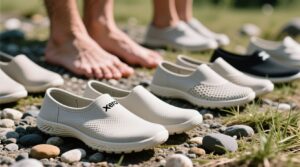
Are Barefoot Shoes Environmentally Friendly?
Barefoot shoes have made significant strides in incorporating sustainable materials into their production process. The use of eco-friendly materials not only aligns with consumer demand for responsible products but also reflects a commitment to reducing environmental impact. Many barefoot shoe models feature recycled and organic materials, which help minimize waste.
This focus on sustainable materials contributes to a lower carbon footprint, making barefoot shoes a responsible choice for environmentally conscious consumers. By choosing barefoot shoes, users can feel good about their footwear choice while enjoying the benefits of high-quality performance and comfort.
- Eco-friendly materials: Minimize environmental impact.
- Lower carbon footprint: Aligns with sustainable practices.
- Responsible sourcing: Appeals to eco-conscious consumers.
What Is the Manufacturing Process for Barefoot Shoes?
The manufacturing process for barefoot shoes emphasizes sustainability and efficiency. The company prioritizes creating products that minimize waste and energy consumption. From sourcing materials to production, each step is designed with ecological concerns in mind, ensuring that the shoes are produced with minimal environmental impact.
This sustainable approach not only benefits the environment but also reassures consumers about the integrity of their products. As more people seek footwear that aligns with their values, barefoot shoes stand out for their commitment to eco-conscious practices throughout their manufacturing processes.
- Minimizes waste: Focuses on efficient production.
- Energy-efficient practices: Reduces environmental impact.
- Consumer trust: Builds confidence in product integrity.
What Recommendations Do Experts Have for Using Barefoot Shoes?
Experts recommend users gradually adapt to using barefoot shoes to ensure comfort and reduce the risk of injury. Starting with short periods of wear and slowly increasing duration is vital. Incorporating foot exercises that strengthen the intrinsic muscles is also beneficial. This structured approach facilitates a smoother transition and enhances overall foot health.
Additionally, utilizing barefoot shoes in environments that complement their design, such as urban parks or flat trails, can optimize their performance. Experts also suggest staying attentive to how your body responds to the shoes, adjusting usage based on comfort and performance. Monitoring any changes in foot health will provide insights into how well the shoes are working for you.
- Adapt gradually: Start with short wear times.
- Incorporate foot exercises: Strengthen intrinsic muscles.
- Monitor comfort: Adjust usage based on body response.
What Should You Look For When Buying Barefoot Shoes?
When selecting barefoot shoes, there are several factors to consider for ensuring the best fit and performance. Focus on fit; the shoes should feel snug but not overly tight, allowing for natural toe splay. Comfort is paramount, so pay attention to cushioning and support, especially if you plan to wear them for extended periods.
Consider the intended use of the shoes; different activities may require specific designs or features. For instance, if you plan to use the shoes primarily for running, look for models that offer enhanced traction and breathability. Always refer to user reviews and expert recommendations to determine which barefoot shoes align best with your activities and foot type.
- Prioritize fit: Ensure snug but comfortable wear.
- Assess intended use: Choose appropriate designs.
- Consult reviews: Gather insights on performance.

Jessica Linford is an insightful author for My Shoes Finder, where she explores a wide array of general topics that resonate with everyday readers. With a passion for storytelling and a keen eye for detail, she brings a unique perspective to her writing, aiming to inform and inspire through her engaging content. Jessica’s diverse interests drive her curiosity, allowing her to connect with audiences on various subjects while sharing practical tips and relatable anecdotes.
See also:
 Xero Shoes for Back Pain Relief and Improved Posture
 Xero Shoes for Children: 2025 Developmental Podiatry Guide
 Xero Shoes: Discovering the Brand’s Origins and Makers
 Chelsea Boots Guide: Discover Xero Shoes Styles and Benefits
 Xero Shoes for Wide Feet: 2025 Fitting Guide and Model Recommendations
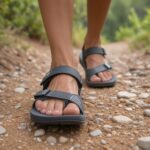 Xero Shoes Sandals: Experience the Joy of Barefoot Walking

I completely resonate with your perspective on barefoot shoes and their impact on foot health. Since I switched to barefoot footwear, I’ve noticed not only improved comfort during my workouts, but also a significant reduction in foot and ankle issues that plagued me for years. The freedom of movement they provide really allows the body to function as it’s meant to.
I resonate deeply with your insights on the importance of barefoot shoes for foot health. The concept of allowing our feet to function as they are naturally designed is something that often gets overlooked in a world where conventional footwear tends to prioritize aesthetic over function. It brings to mind the evolution of our footwear choices and how society’s shift in priorities could drastically alter our foot health and overall wellness.
You’ve touched on a really significant point about footwear design and its impact on our health. It’s fascinating to think about how our shoes have evolved over time. In many ways, they’ve transformed from being simple protective gear into complex fashion statements that don’t always serve our feet well. This shift has led us to prioritize style over the basic function of allowing our feet to move naturally.
I really appreciate your take on barefoot shoes and their impact on foot health. I’ve been trying to transition to more minimalist footwear myself, and I’ve noticed a significant difference in my comfort levels during runs. It’s fascinating how something as simple as shoe design can really influence our body’s mechanics. I often find that focusing on natural movement helps not just my feet but also my overall posture.
I completely resonate with your insights on the importance of barefoot shoes for foot health. Transitioning to a more natural footwear option has made a notable difference for me—especially in terms of comfort during my daily runs. I used to experience persistent soreness in my arches, but since I started wearing barefoot shoes, that discomfort has significantly diminished.
Your exploration of barefoot shoes and their impact on foot health resonates deeply with me, especially as someone who has transitioned to minimal footwear over the past year. The commitment to promoting natural foot mechanics is not just about comfort; it’s also about redefining how we perceive our interactions with the ground beneath us.
Your insights on barefoot shoes are refreshing and resonate with my own experiences. I’ve noticed significant improvements in my foot health since switching to a more minimalist style. It’s fascinating how something as simple as footwear can influence not just comfort, but also how we move and the strain on our bodies.
I completely agree with your take on barefoot shoes! Since switching to them a couple of years ago, I’ve noticed a significant drop in foot pain, especially after long runs. It’s fascinating how much a shoe can impact how we move and feel. I love the way barefoot shoes encourage a more natural stride; it feels liberating compared to the heavy cushioning of traditional trainers.
It’s fascinating to see the increasing recognition of barefoot footwear and its role in promoting foot health. I’ve personally switched to barefoot shoes over the past year, and I can definitely attest to the difference they make in overall comfort and foot strength. Initially, I was a bit skeptical about giving up the cushioned soles of traditional shoes, but once I adapted, I noticed a remarkable improvement in my posture and balance, especially during my runs.
It’s refreshing to see a focus on the benefits of barefoot footwear and its positive impact on foot health! I completely agree that the design of barefoot shoes encourages a more natural gait, which can ultimately prevent injuries. As someone who transitioned to barefoot shoes a couple of years ago, I’ve noticed a significant improvement in my comfort levels during both workouts and everyday activities.