
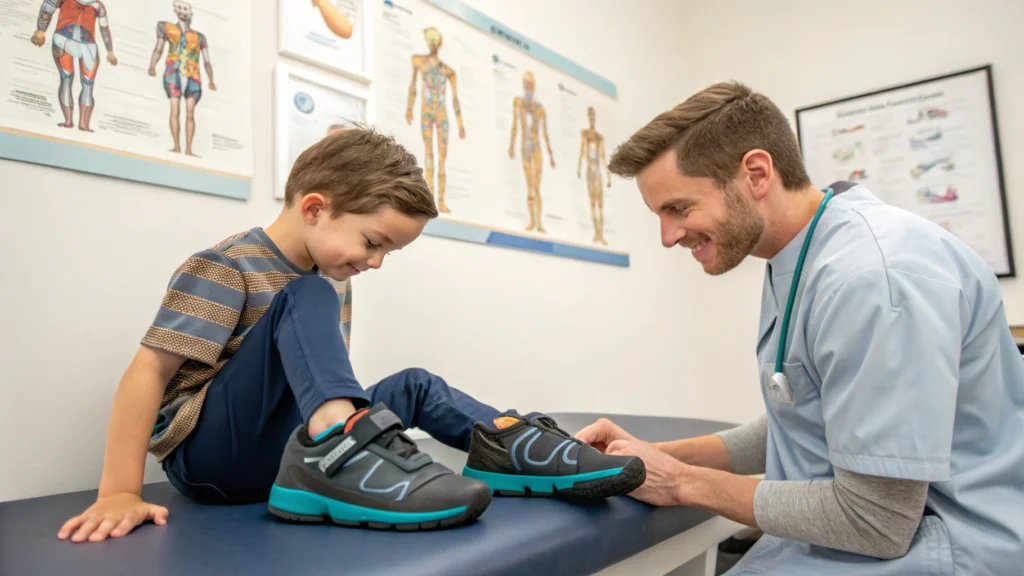
Barefoot shoes can be a smart option for some kids, but they are not the right choice for every child or every activity. The best results usually come from matching the shoe to your child’s foot shape, activity level, and transition pace.
If you want the practical buying angle first, start with the broader barefoot shoes guide, then use this page to decide whether a kids pair makes sense and what to check before you buy.
Quick decision guide
- Choose barefoot shoes for kids who need a wide toe box, flexible sole, and room for natural movement.
- Be cautious if your child has pain, frequent tripping, marked flatfoot concerns, or an orthotic recommendation.
- Transition slowly. Short wear sessions beat an all-day switch.
- When in doubt, compare your options with the more detailed kids podiatry guide.
Are Barefoot Shoes Good For Kids?
For many healthy children, barefoot-style shoes can support natural foot movement, toe splay, and balance. They may also help kids feel the ground better, which can improve proprioception and foot awareness during play.
That said, “good” depends on the child. A barefoot shoe that works well for an active preschooler may be a poor fit for a child who needs more protection, more cushioning, or specific medical support. The goal is not to force every child into minimalist footwear, but to choose the least restrictive shoe that still suits the situation.
| What it can help with | Possible downside | Best use case |
|---|---|---|
| Toe splay, flexibility, ground feel, and natural foot use | Less cushioning and protection if the child is not used to it | Everyday wear, school transitions, and low-risk play when fit is right |
| Balance and proprioception | Transition soreness or fatigue if introduced too fast | Gradual introduction for kids who already tolerate flexible footwear |
| Natural forefoot shape and movement | May not suit orthotic needs or high-impact settings | Families comparing minimal shoes with more structured options |
What The Pediatric Foot Development Evidence Suggests
The orthopedic case for barefoot footwear is fairly simple: children’s feet are still developing, and shoes that allow the toes to spread and the foot to move freely may support that process. Studies commonly discussed in this space point to stronger foot muscles, improved flexibility, and greater toe splay in minimalist shoes than in conventional pairs.
That does not mean barefoot footwear “builds perfect arches” or prevents every problem. It means the shoe should be evaluated as part of a broader picture that includes activity, growth stage, gait, and any signs of discomfort. For a broader evidence overview of the movement, see the science behind barefoot shoes.
Why Toe Box Shape Matters
A wide, foot-shaped toe box gives the toes room to spread under load. In practical terms, that may support stability during running, climbing, and quick stops. Narrow shoes can compress the forefoot and make it harder for a child to find a natural stance.
Why Sole Flexibility Matters
A flexible sole helps the foot bend where it naturally wants to bend. For some children, that can make movement feel easier and more controlled. For others, especially brand-new wearers, too little structure can feel unstable at first.
What Parents Should Check Before Buying
- Fit There should be room at the toes without the heel slipping.
- Toe Box Look for a shape that follows the foot, not a tapered front.
- Flexibility The shoe should bend easily with the foot, not fight it.
- Sole Thickness Thin is the point, but it still needs enough protection for the setting.
- Transition Pace Start with short periods and build slowly.
- Comfort Signals Stop if you see pain, limping, persistent redness, or a child refusing to wear them.
If you need help narrowing down the basics, the barefoot shoes FAQ covers common concerns such as arch support, adaptation, and everyday use.
When Barefoot Shoes Make Sense, And When They Do Not
Barefoot shoes often make the most sense for healthy children who are active, stable on their feet, and able to transition gradually. They are especially appealing when a parent wants a roomy toe box, lighter construction, and a more natural feel.
They may be less suitable when a child has recurring foot pain, needs a prescription orthotic, is recovering from injury, or needs extra protection for rugged environments. In those cases, a more structured shoe may be the better starting point, even if it is less minimalist.
Good next step
If you are shopping specifically for a child, compare this advice with the dedicated kids podiatry guide before you decide on a pair.
How To Transition Safely
A gradual transition matters more than brand names. Start with short wear windows at home or on easy outings, then increase use only if the child stays comfortable and stable.
A simple approach is to alternate barefoot shoes with the child’s usual shoes for a week or two, then extend wear time if there are no warning signs. If your child already has a footwear habit they love, keep barefoot shoes as part of a rotation instead of a sudden full-time change.
For children who are new to minimal footwear, the transition guidance in this transition guide can also help parents pace the change more comfortably.
Bottom line
Barefoot shoes can be a good choice for kids when the fit is right, the transition is slow, and the shoe matches the child’s needs rather than forcing a one-size-fits-all answer.
Frequently Asked Questions
Are Barefoot Shoes Actually Good For Kids?
They can be, especially for children who benefit from a wide toe box, flexible sole, and more natural movement. The best choice depends on comfort, activity, and whether the child tolerates minimalist footwear well.
Do Podiatrists Recommend Barefoot Shoes For Kids?
Some podiatrists support them for certain children, while others prefer more structure depending on foot shape, symptoms, and activity level. A professional opinion matters most if your child has pain or a known foot issue.
What Are The Negatives Of Barefoot Shoes?
The main negatives are reduced cushioning, less protection, and the possibility of soreness or instability during a fast transition. They are not ideal for every child, especially if the child needs extra support.
What Is The 3-3-3 Rule For Toddlers?
The “3-3-3” idea is often used informally as a reminder to introduce changes gradually and observe the child over time, but it is not a universal medical rule. If you are applying it to shoes, use it as a pacing cue rather than a strict prescription.

Jessica Linford is an insightful author for My Shoes Finder, where she explores a wide array of general topics that resonate with everyday readers. With a passion for storytelling and a keen eye for detail, she brings a unique perspective to her writing, aiming to inform and inspire through her engaging content. Jessica’s diverse interests drive her curiosity, allowing her to connect with audiences on various subjects while sharing practical tips and relatable anecdotes.
See also:
 KIDS
KIDS
 Xero Shoes For Children In 2025: Fit, Safety, And Best Models
 Xero Shoes For Kids: Are They Safe, And When Do They Make Sense?
 Child Foot Development: Barefoot Vs Shod Effects On Arches And Gait
 Xero Shoes For Toddlers: Fit, Safety, And First-Walker Guidance (2025)
Unleash Your Natural Movement with Barefoot Shoes for Men
Xero Shoes For Toddlers: Fit, Safety, And First-Walker Guidance (2025)
Unleash Your Natural Movement with Barefoot Shoes for Men
Your insights on the orthopedic implications of barefoot footwear for children are astute and timely. It’s encouraging to see a growing awareness of how our choices in footwear can profoundly impact a child’s physical development. I’ve personally observed differences in my children’s mobility and confidence when they transitioned to minimalist shoes. They appear to navigate uneven surfaces with greater ease, showcasing the enhanced proprioception you mentioned.
You’ve highlighted an essential aspect of pediatric foot development that is often overlooked: the balance between the benefits and potential drawbacks of barefoot footwear. As a parent myself, I often find myself navigating the overwhelming variety of options available for my children’s shoes. It’s evident that minimalist footwear can support natural foot mechanics and enhance strength and balance, but I can’t help but wonder about the long-term implications of making such choices at a young age.
I really appreciate how you highlighted the balance between the benefits and risks of minimalist footwear for kids. It’s definitely a tricky space for parents. I remember when my child first transitioned to barefoot shoes; there was a steep learning curve in terms of adjusting to different surfaces. It really opened my eyes to how much support we often take for granted in conventional shoes.
It’s so interesting to hear about your experience with your child’s transition to barefoot shoes. That steep learning curve you mentioned is something a lot of parents face. I think it really shows how our feet, much like the rest of our bodies, can adapt over time. It’s fascinating to think about how conventional shoes provide this layer of comfort and support that we often overlook, but switching to minimalist options can offer so many benefits in terms of foot strength and proprioception.
It’s so interesting how the transition to barefoot shoes can prompt a whole new awareness of what our feet are doing, isn’t it? I remember when I first tried minimalist footwear; it felt like rediscovering a sense of connection to the ground. That learning curve can be pretty steep, especially for kids who are adjusting to various surfaces – your comment really captures that.
I totally relate to your experience; I found this article on barefoot shoes for kids really useful in navigating the challenges and benefits of that transition.
‘KIDS’
https://myshoesfinder.com/barefoot-shoes-kids/.
I appreciate the insightful way you’ve brought attention to the implications of barefoot and minimalist footwear for our children’s foot development. This topic resonates deeply with me, as I’ve been on a journey exploring the balance between natural foot development and the protective benefits of traditional footwear for both my children and myself.
This discussion about barefoot footwear and its implications for children’s foot development resonates deeply with me, especially as a parent navigating the many choices surrounding children’s health and well-being. Like many families, we often find ourselves drawn to the latest options in footwear, and the idea of minimalist shoes is intriguing yet daunting—primarily because of the concerns around injury and support.
I can relate to your feelings about navigating the footwear choices for kids. It’s such a minefield, isn’t it? On one hand, you want to provide them with the best support for their developing feet, and on the other, there’s that intriguing pull towards minimalist options. I’ve spent quite a bit of time reading about the benefits of barefoot footwear and how it can promote natural foot development.
I recently came across an article that dives into the safety and benefits of minimalist shoes for kids, which really helped clarify some of my own concerns about balancing support and foot development for my little ones.
‘Xero Shoes For Kids: Are They Safe, And When Do They Make Sense?’
https://myshoesfinder.com/xero-shoes-for-kids-safety-benefits-and-risks-explained/.
Your exploration of the benefits and risks associated with barefoot footwear for children really resonates with my own experiences as a parent. I recall when we first transitioned my child to minimalist shoes; the initial adjustment period was challenging. While I appreciated the emphasis on natural foot development and enhanced proprioception, I was also acutely aware of the potential for injury, particularly as we explored different terrains.
You raise a critical point about the balance between the benefits of minimalist footwear for children and the potential risks involved. As someone who has been exploring the impact of footwear on foot health, I appreciate how you highlight both sides of the discussion—it’s essential for parents to be fully informed.
You’ve touched on something that often gets overlooked—how nuanced this topic really is. When it comes to kids’ footwear, there’s no one-size-fits-all answer. Minimalist shoes promote a natural foot structure and movement, which can be pretty beneficial as kids grow. At the same time, it’s crucial to keep an eye on how their little feet respond, especially as they’re constantly running around and exploring new terrains.
I really appreciate the insight you provided into the orthopedic implications of barefoot footwear for kids. It strikes a chord with me, especially as a parent trying to navigate the endless choices available for children’s shoes. Just the other day, I was contemplating shoe options for my son, who loves to run and explore but also tends to be a bit of a daredevil when it comes to new terrains.
I’m glad to hear that the insights struck a chord with you. Choosing the right footwear for little ones, especially energetic explorers like your son, can definitely feel overwhelming. There’s so much out there, and it’s hard not to get lost in the options when each shoe seems to promote some kind of unique feature.
Your insights into the benefits and potential risks of minimalist footwear for children resonate deeply with me. As a parent, the journey of ensuring our children’s health, especially regarding something as fundamental as their feet, often feels daunting. Personally, I’ve noticed how much time my own kids spend in shoes that barely provide any support. At first, I was hesitant to let them go barefoot or wear minimalist shoes, fearing they would hurt themselves or lack stability. However, after researching and observing their play patterns, I began to understand the importance of letting them develop their natural foot strength.
You raise a really important point about the balance between protecting our kids and allowing them the freedom to explore. It’s interesting how many parents share that initial worry about minimal support in footwear. I get it; it feels like a leap of faith to let them go barefoot or try minimalist shoes.
You bring up a compelling point about that balance between protecting our kids and giving them the freedom to explore. I think a lot of it comes down to our own experiences and comfort levels with risk. I remember when I first let my child go barefoot at the park; it felt counterintuitive at first, especially with all the concerns about safety and injury.
I came across some insights that delve into how going barefoot or wearing minimal shoes can shape our kids’ foot development and movement patterns, which might help ease some of those worries about letting them explore freely.
‘Pediatric Foot Development in Barefoot and Shod Conditions: Longitudinal Impacts on Arch Morphology and Gait Patterns’
https://myshoesfinder.com/pediatric-foot-development-barefoot-vs-shod-impact/.
I appreciate how you’ve highlighted the nuances of barefoot footwear in relation to our children’s foot development. It’s such a critical aspect of their growth, often overlooked in the conversations about shoe choices. As a parent, I’ve experienced firsthand the joy of seeing my children navigate various terrains with newfound confidence, especially when transitioning them from traditional shoes to more minimalist options.
I’m glad you connected with the piece. It’s amazing how something as simple as footwear can have such an impact on children’s confidence and exploration. Watching them adapt to different surfaces while feeling the ground beneath their feet seems to foster a unique connection to their environment.
This is such an important topic! As a parent, I’ve been on the fence about minimalist footwear for my kids. I’ve noticed how much they love running around barefoot, and it really made me think about how important natural foot movement is for their development. The flexibility and strength benefits you mentioned are really compelling, especially since I’ve seen how my children have improved their balance when they play outdoors.
It’s great to hear your thoughts on this! Watching kids run around barefoot really paints a vivid picture of how instinctively in tune they are with their bodies and the ground beneath them. There’s something magical about that freedom and playfulness.
You’ve brought up such an important topic, and it really resonates with my experiences as a parent. When my kids were toddlers, I was super excited to get them into more natural footwear, thinking it would be beneficial for their development. I remember feeling a bit overwhelmed with all the information available about shoes for young children. On one hand, I saw the arguments for barefoot shoes being more in tune with nature and supporting proper foot development. On the other hand, I worried about foot injuries, especially after seeing how clumsy they were sometimes!
It’s fascinating how much our understanding of children’s foot health has evolved! I’ve recently been exploring the balance between traditional shoes and minimalist footwear for my own kids, and I agree that it’s crucial to consider both the benefits and risks.
It’s fascinating to see the conversation around barefoot footwear gaining attention, especially concerning children’s developing feet. As a parent, I’ve noticed how my kids’ confidence and comfort level increase when they’re allowed to wiggle their toes and feel the ground beneath them. We often go to parks with varied surfaces—from grass to gravel—and I’ve seen how they adapt and build their balance naturally when running around barefoot or in minimalist shoes.