
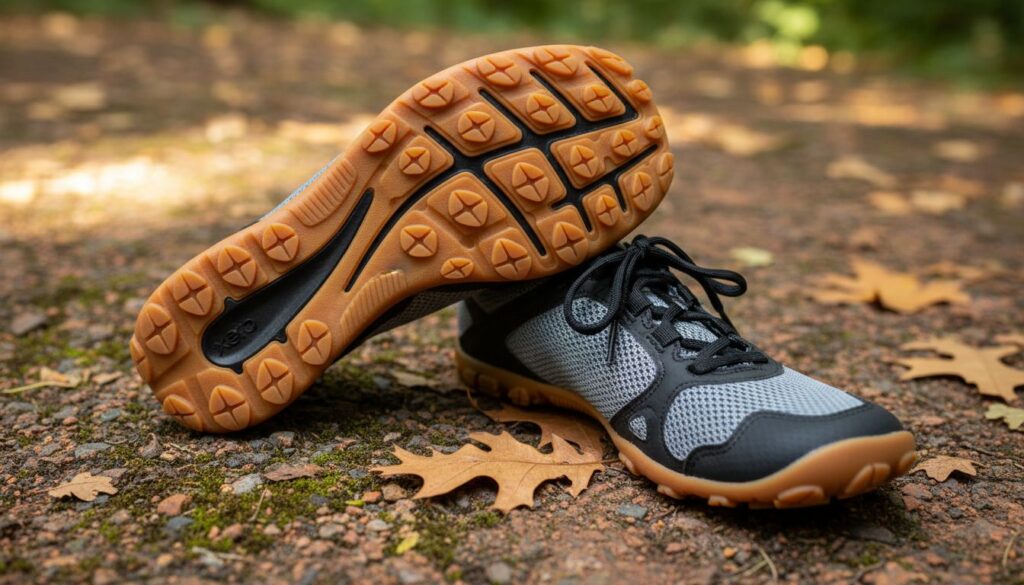
Xero Shoes and Vivobarefoot are both strong barefoot options, but they tend to suit different feet and priorities. Xero usually appeals to buyers who want a roomier, more straightforward minimalist feel, while Vivobarefoot often attracts people who want a more anatomical shape and a refined, everyday-wear finish.
Fast choice
- Choose Xero if you want a wider-feeling fit, easier toe splay, and a simple entry point into barefoot shoes.
- Choose Vivobarefoot if you prefer a more shaped, premium-looking shoe with a close-to-foot feel and strong sensory feedback.
- Still Unsure? Start with fit and sizing. Our Xero size guide and wide toe box breakdown are the best next reads before you commit.
The Core Differences At A Glance
The biggest gap between these brands is not whether they are minimalist; it is how they feel on foot. Xero tends to be the easier pick for buyers who want a more forgiving fit and simple, athletic styling. Vivobarefoot usually feels more premium and foot-shaped, with a design language that works especially well if you want barefoot footwear that still looks polished enough for daily wear.
| Category | Xero Shoes | Vivobarefoot |
|---|---|---|
| Fit | Often feels more forgiving and easier for wider or high-volume feet. | Usually feels more anatomical and snug, especially through the midfoot. |
| Toe Box | Roomy and toe-friendly, with a clear emphasis on natural splay. | Foot-shaped, but often a little more sculpted than Xero. |
| Ground Feel | Strong ground connection, especially in lighter trainers and sandals. | Also very low-profile, with a slightly more refined underfoot feel. |
| Stack Height | Typically low and minimalist, with a straightforward platform. | Also low, but often paired with a more premium, tailored upper. |
| Durability | Good for general use and often practical value-driven wear. | Often positioned as a premium build with strong materials and finish. |
| Best For | Training, casual wear, travel, hiking, and buyers focused on easier fit. | Lifestyle wear, walking, mixed daily use, and people who want a sleek barefoot look. |
| Sizing Behavior | Can feel more accommodating, but model-by-model fit still matters a lot. | Can feel more exacting; careful sizing is especially important. |
What Matters Most When Choosing
The right answer depends less on brand loyalty and more on what your foot actually needs. Fit, toe box shape, and return confidence matter more here than broad claims about “natural movement.” That is why readers who are unsure should pair this comparison with Xero’s return policy guide and the sizing guide before ordering.
Choose Xero If…
- You want more toe room and a less restrictive feel.
- You are comparing barefoot shoes for running, hiking, or active use.
- You prefer a straightforward, value-oriented minimalist shoe.
- You expect to move among several models and want help narrowing the field.
Choose Vivobarefoot If…
- You want a more anatomical silhouette and a refined everyday look.
- You care about a premium feel as much as barefoot mechanics.
- You like a close-to-foot fit that feels precise rather than relaxed.
- You are buying for daily wear and style versatility as much as for performance.
Fit, Sizing, And Return Risk
This is where many buyers get stuck. A comparison page can only go so far if you are unsure whether your foot is wide, average, or high-volume. Xero often gives you more breathing room, which can reduce friction for first-time barefoot buyers. Vivobarefoot can be an excellent fit too, but its more sculpted shape makes careful sizing more important.
If you are between sizes, prefer a roomier toe box, or plan to wear thicker socks sometimes, Xero usually offers the easier starting point. If you already know you like a more exact fit and want a more polished shoe profile, Vivobarefoot is worth a look. For a deeper fit strategy, see the wide toe box article and then check return policy details before purchasing.
A Practical Buying Path
If you want the safest route, start with fit, then choose the model family that matches your use case.
- Confirm whether you need a wider toe box or a more shaped forefoot.
- Decide whether you are buying for training, walking, hiking, or casual wear.
- Use the size guide before buying, not after the first try-on.
- If you want the broader Xero purchase path, browse the best Xero shoes buying guide for model-by-model direction.
What The Original Article Got Right — And What Needed Tightening
The original draft correctly focused on minimalist footwear features such as low weight, flexibility, breathability, and durability. Those factors still matter, but they only help if they are tied directly to the purchase decision between these two brands. For this query, the most useful comparison is not “what is minimalist footwear,” but “which brand fits your foot and use case better.”
That is also why broad claims about health benefits were trimmed back here. They are real supporting considerations, but they do not do enough work in a brand-vs-brand article unless they are tied to fit, transition comfort, and your experience of the shoe itself.
Where To Go Next
If you already know you want the Xero side of the comparison, the next best step is to narrow down model fit and return confidence before buying.
Frequently Asked Questions
Are Vivobarefoot Shoes Good?
Yes. Vivobarefoot is a strong choice if you want a barefoot shoe with a more anatomical shape, premium materials, and a refined look for daily wear.
Which Brand Is Better For Wide Feet?
Xero usually has the edge for buyers who want more room in the forefoot, though exact fit still depends on the model.
Do I Need To Size Differently Between The Two?
Often, yes. Xero can feel more forgiving, while Vivobarefoot may require more precise sizing, especially if you are sensitive to midfoot volume or forefoot shape.
What Do Podiatrists Think About Zero-Drop Shoes?
Opinions vary, but the usual advice is to transition gradually, pay attention to comfort, and avoid assuming that minimalist shoes are the right answer for every foot type.
Who Should Avoid Zero-Drop Shoes?
People with certain foot, calf, or injury histories may need a slower transition or a different shoe altogether, especially if they are not used to minimalist footwear.

Henry Harrington is a passionate author and content creator at My Shoes Finder, where he explores a wide range of topics related to footwear, lifestyle, and personal growth. With a keen eye for detail and a love for storytelling, Henry engages readers by sharing insights, tips, and personal anecdotes that resonate with his audience. His commitment to delivering high-quality content has established him as a trusted voice in the online community, inviting readers to step into new perspectives and discover their unique paths.
See also:
 Vivobarefoots – Enhance Your Natural Foot Function
 Who Founded Xero Shoes? The Origin Story Behind The Brand
 Xero Shoes For Back Pain And Posture: What Helps, What Doesn’t, And How To Transition
 Xero Shoes For Children In 2025: Fit, Safety, And Best Models
 Xero Shoes For Bunions: What Helps, What Doesn’t, And Which Models Fit Best
 Running In Xero Shoes: Who They Suit And How To Transition Safely
I find the distinctions between Xero Shoes and Vivobarefoot quite fascinating, as they reflect our diverse preferences when it comes to footwear and comfort. Personally, I’ve been leaning towards the idea of a wider fit that Xero offers. For those of us who have spent years in traditional shoes, a more spacious toe box feels liberating and lets my feet regain their natural shape.
I appreciate the insights shared about Xero Shoes and Vivobarefoot! Choosing the right barefoot footwear can really transform the way we experience movement. Having tried both brands, I can relate to the distinctions you’ve outlined. I initially gravitated towards Xero for their wider fit and flexibility, which made transitioning to minimalist shoes so much easier. The freedom for my toes to spread was a game-changer for me, especially after years of more constrictive footwear.
It’s really fascinating to see such a thoughtful comparison between Xero Shoes and Vivobarefoot. I know firsthand how choosing the right barefoot shoe can significantly impact one’s experience during activities like running, hiking, or just everyday walking.
Your analysis of Xero Shoes and Vivobarefoot presents a compelling framework for consumers navigating the often confusing world of minimalist footwear. It’s refreshing to see a detailed breakdown of these brands, as the decision-making process often can feel overwhelming amidst the plethora of options available.
It’s interesting to see the distinctions between Xero Shoes and Vivobarefoot highlighted so clearly. I’ve tried both brands myself, and I found that the preference really does depend on your foot shape and what you prioritize in a shoe.
It’s fascinating to consider how our choices in footwear not only impact our comfort but also reflect our personal values and lifestyles. I’ve found that making the switch to barefoot shoes has profoundly changed my connection to the ground beneath me. The emphasis on a more natural foot movement resonates deeply with those of us who spend hours sitting in front of screens, craving that sensory feedback and freedom of toe splay that you mentioned regarding Xero and Vivobarefoot.
I appreciate the breakdown between Xero Shoes and Vivobarefoot; it really does help clarify the options for those of us exploring barefoot footwear. I’ve been curious about transitioning to minimalist shoes, and your insights on fit and design are super helpful.
I really appreciate this breakdown between Xero Shoes and Vivobarefoot! It’s fascinating how the subtle differences in design can cater to such distinct preferences among barefoot shoe enthusiasts. Personally, I gravitated toward Xero Shoes because I love the freedom of a wider fit and the straightforward design. It feels liberating to have my toes splay naturally—such a contrast to the cramped conventional footwear I used to wear.
Reading your insights on Xero Shoes and Vivobarefoot truly resonates with my experience in exploring minimalist footwear. I remember when I first transitioned to barefoot shoes; the freedom of a wider toe box really transformed how I felt on my runs and daily walks. I gravitated towards Xero at first because of that spacious feel you mentioned. It felt liberating to finally let my toes splay naturally rather than cramming them into traditional shoes!
It’s interesting to see the distinctions you’ve drawn between Xero Shoes and Vivobarefoot. Your breakdown feels particularly helpful for anyone new to the barefoot shoe movement. Personally, I’ve found that the choice between these two brands often reflects a deeper connection to one’s personal priorities—be it comfort, aesthetics, or the overall barefoot experience.
I appreciate how you’ve broken down the key differences between Xero Shoes and Vivobarefoot. I’ve personally tried both brands, and it’s interesting how they cater to different preferences. I found that Xero gave me a nice, roomy fit that made my transition to barefoot shoes feel seamless, especially since I was new to the minimalist vibe. The wide toe box really allowed my toes to spread out, which felt more natural.
This comparison between Xero Shoes and Vivobarefoot really highlights the nuances of barefoot footwear, but I wonder if the preference for a wider toe box versus a more anatomical shape could also be influenced by specific foot types or common foot issues. For instance, people with wider feet or bunions might gravitate towards Xero for comfort, while those with high arches may find that Vivobarefoot’s design better accommodates their foot structure.
It’s interesting to see how both Xero Shoes and Vivobarefoot cater to different preferences in the minimalist footwear world. For someone like me with wider feet, the roomier fit of Xero has been a game-changer. I appreciate the simplicity they offer; it feels liberating to have shoes that allow my toes to spread naturally.
I really appreciate the breakdown between Xero Shoes and Vivobarefoot! It’s interesting how personal preference plays such a crucial role in choosing barefoot footwear. I’ve had my fair share of experiences with both brands.
It’s fascinating how such seemingly small differences in design can cater to different needs and lifestyles! I found that my journey into barefoot footwear began with Xero Shoes because I loved the roomy fit and the ease with which I could transition into a minimalist style. The wide toe box made a notable difference for my foot comfort, especially during those long walks on weekends.
It’s interesting to see the comparisons drawn between Xero Shoes and Vivobarefoot, as both brands represent a significant shift in how we think about footwear and its impact on our overall health and well-being. I find the emphasis on individual fit and comfort particularly crucial, as the transition to barefoot shoes can be a game-changer for many people.
It’s fascinating to see how each brand caters to different preferences in the barefoot community! Personally, I appreciate the emphasis on sensory feedback that Vivobarefoot offers—it really enhances that connection to the ground, which feels essential for mindful movement. However, I can understand why Xero’s roomier fit might appeal to beginners who are transitioning to minimalist footwear.
Your breakdown of Xero Shoes and Vivobarefoot captures the essence of what makes minimalist footwear so appealing and relevant today. It’s a fascinating topic, especially as more of us become increasingly aware of how our choices in footwear can impact not just our comfort, but our overall foot health and movement patterns.
It’s interesting to see the distinctions between Xero Shoes and Vivobarefoot laid out so clearly. I’ve personally tried both brands, and it really resonated with how you described their target audiences. With Xero, I appreciated the wider fit and how natural it felt to transition into barefoot running. The roominess definitely made it easier for my toes to splay comfortably during long walks.