
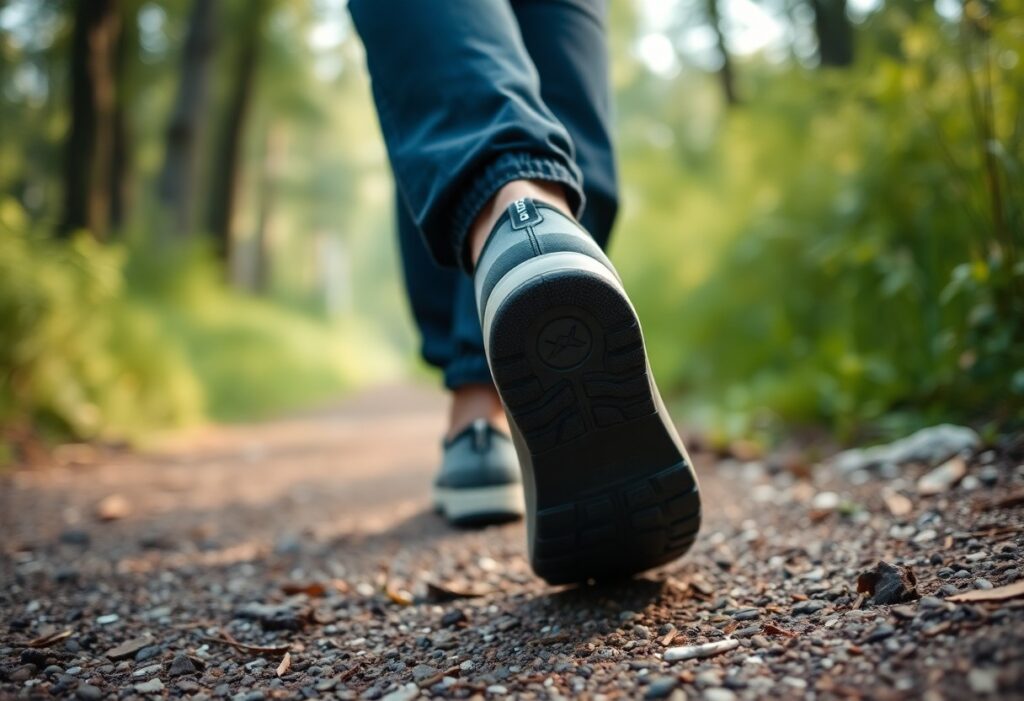
Xero Shoes can be useful in therapy-focused footwear plans when the goal is to improve foot awareness, rebuild strength, or support a gradual transition away from heavily cushioned shoes. They are not a universal fix, and the best results usually come from the right patient, the right condition, and the right pace.
Best fit, caution, and a practical starting point
| May Help Most | People working on gait retraining, proprioception, foot strength, or a cautious return to more natural movement. |
| Use Extra Caution | Anyone with diabetes, neuropathy, reduced sensation, active ulcer risk, severe instability, or recent lower-limb surgery. |
| Best First Move | Start with short, low-impact wear periods and monitor symptoms closely; for nerve-related concerns, see the neurological benefits guide first. |
If you are trying to decide whether barefoot-style shoes belong in a rehab plan, the useful question is not whether they are “good” in general. It is whether they match the therapeutic goal, the current tissue tolerance, and the level of supervision available.
For people comparing condition-specific options, this article sits closest to guided movement retraining. If plantar heel pain is the main issue, the plantar fasciitis guide is the better next stop; if nerve sensitivity or numbness is the concern, the neuropathy guide is more relevant.
Where Xero Shoes Fit In A Therapeutic Plan
The main therapeutic value of Xero Shoes is not support in the traditional cushioned-shoe sense. Their value comes from a minimalist structure that can encourage more active foot use, stronger sensory input, and a more deliberate transition toward natural mechanics. That makes them useful in some rehab settings and a poor match in others.
Therapeutic Use Cases At A Glance
| Use case | What Xero Shoes may do | Caution level |
|---|---|---|
| Gait Retraining | Promote a lighter step, more foot awareness, and less reliance on rigid structure. | Moderate |
| Foot Strength Rebuilding | Encourage intrinsic muscle activity and gradual loading of the foot. | Moderate |
| Proprioceptive Training | Increase ground feel and sensory feedback during walking or light activity. | Moderate |
| High-Risk Feet Or Numbness | May expose the foot to more stress or unnoticed irritation if sensation is reduced. | High |
Why Therapists Consider Minimalist Footwear At All
Therapy conversations around minimalist footwear usually start with three ideas: reduce interference, improve feedback, and rebuild tolerance. A shoe with a lower stack height and less cushioning can make the foot work harder and feel more of the ground, which may help with coordination and movement retraining when introduced carefully.
That does not mean “less shoe” is automatically better. Some feet need protection, not more demand. The clinical value depends on whether the patient needs stimulation, control, or unloading. The same pair of shoes that helps one person relearn mechanics may aggravate another person’s symptoms.
Practical Rule if the therapy goal is better sensory input and a gradual change in movement pattern, Xero Shoes can be part of the plan. If the goal is immediate shock reduction, maximal arch support, or protection from an insensate foot, another shoe strategy is usually safer.
For readers focused on structure, mechanics, and everyday use rather than a single condition, the science of barefoot shoes provides a broader background, while this article stays centered on therapeutic decision-making.
Who May Benefit Most, And Who Should Hold Back
May Be A Reasonable Trial For
- People rehabbing from general deconditioning who need more foot engagement.
- Walkers or runners who want to improve foot awareness and gait control.
- Patients in a supervised transition away from rigid or highly cushioned footwear.
- Individuals working with a clinician on proprioceptive or movement retraining goals.
Use Caution Or Avoid Without Professional Guidance If You Have
- Diabetes with reduced sensation or a history of foot ulcers.
- Neuropathy, balance loss, or repeated trips, stumbles, or falls.
- Recent surgery, acute tendon pain, or an active flare that worsens with load.
- Severe bunions, deformity, or structural issues that make low-protection shoes uncomfortable.
If diabetes is part of the picture, do not treat minimalist footwear as a casual wellness swap. The diabetic safety guide is the better starting point, because protection and skin monitoring matter more than style or minimalism.
How To Transition Without Overdoing It
The biggest mistake with therapeutic minimalist footwear is moving too fast. Feet, calves, and tendons often need time to adjust to the new loading pattern, especially if someone has spent years in stiff, elevated, or heavily cushioned shoes.
A Safer Ramp-Up Pattern
- Start with short indoor wear periods or easy walking.
- Watch for calf tightness, arch soreness, Achilles irritation, and skin hot spots.
- Increase time only when symptoms settle quickly and walking form stays controlled.
- Add more dynamic activity later, not first.
- If symptoms intensify or linger, step back and reassess the fit and the plan.
That gradual approach is especially important if the goal is pain management rather than performance. For readers dealing with heel pain, the more specific plantar fasciitis resource explains the condition-specific loading logic in more detail.
Where The Clinical Trade-Off Usually Shows Up
The main trade-off is simple: more feedback often means less protection. For some patients, that is the whole point. For others, especially those with fragile tissues or impaired sensation, the extra demand can become the problem.
| Potential benefit | Why it matters therapeutically | Watch for |
|---|---|---|
| Better Proprioception | Can help people notice foot placement and control movement more consciously. | More sensitivity can also feel fatiguing at first. |
| Intrinsic Muscle Activity | May support strength rebuilding in underused foot muscles. | Too much too soon can flare the arch or calf. |
| Movement Retraining | Can reduce reliance on passive shoe structure and improve gait awareness. | Not ideal when tissue protection should come first. |
That is why one model is rarely the answer for every therapeutic situation. For a broader joint-focused comparison, the arthritis and joint strategies guide is a better fit when joint sensitivity and load tolerance are the main decision factors.
Thinking about a therapeutic transition?
If the goal is to test whether minimalist footwear can support movement retraining, start with a narrow use case and track response carefully. If the goal is nerve-related sensory work, the neurological guide should come first; if the issue is a specific pain condition, go to the condition-specific page before making a purchase decision.
Read next: Xero Shoes and Naboso insoles for neurological benefits.
What The Research And Expert Opinion Usually Support
The evidence around minimalist footwear is strongest when it is framed around mechanics rather than promises. Studies and expert reviews often point to changes in gait, balance, muscle activation, and sensory feedback, but they do not support a one-size-fits-all claim that barefoot-style shoes are therapeutic for everyone.
That distinction matters. A clinician might use Xero Shoes to help a patient rebuild tolerance and foot control, while recommending something more protective for another patient with pain, instability, or reduced sensation. The shoes are a tool, not the treatment plan itself.
Common Questions
What Are The Benefits Of Xero Shoes?
The most defensible benefits are better ground feel, more active foot engagement, and a footwear setup that can support gait retraining or gradual strengthening.
Do Barefoot Shoes Have Health Benefits?
They can, but mainly when the goal is movement feedback, foot strengthening, or a careful transition away from restrictive footwear.
Why Do Podiatrists Not Like Barefoot Shoes?
Because they can increase load on the foot and calf, and that extra demand is risky for people with pain, instability, or reduced protective sensation.
What Are The Disadvantages Of Zero-Drop Shoes?
The main disadvantages are reduced cushioning, a steeper adaptation curve, and a higher chance of calf or arch irritation if you transition too quickly.
If you want the broader consumer perspective after the therapeutic angle, the general benefits overview can help, but it should sit after the condition-specific decision has been made.

Henry Harrington is a passionate author and content creator at My Shoes Finder, where he explores a wide range of topics related to footwear, lifestyle, and personal growth. With a keen eye for detail and a love for storytelling, Henry engages readers by sharing insights, tips, and personal anecdotes that resonate with his audience. His commitment to delivering high-quality content has established him as a trusted voice in the online community, inviting readers to step into new perspectives and discover their unique paths.
See also:
 Xero Shoes For Achilles Tendonitis: 2025 Rehab Protocol And Loading Guide
 Do Barefoot Shoes Help Active Recovery? Benefits, Limits, And Best Use Cases
 Are Xero Shoes Safe For Diabetic Patients? Risks, Fit Checks, And Podiatrist Guidance
 Xero Shoes + Naboso Insoles: Compatibility, Benefits, And Best Use Cases
 Xero Shoes For Neuropathy: Are They Safe And Worth It In 2025?
 Xero Shoes For Arthritis: A Practical 2025 Footwear Guide

It’s intriguing to see how Xero Shoes align with a growing awareness around the importance of natural foot mechanics in overall health. As someone who has struggled with plantar fasciitis, I can personally attest to the relief that comes from adopting minimalist footwear. It not only alleviated pain but also enhanced my foot strength and balance over time.
It’s interesting to see the rise of minimalist footwear like Xero Shoes, especially given the increasing awareness around foot health and the impact of footwear on our overall well-being. The transition from traditional supportive shoes to a more natural design really reflects a shift in our understanding of biomechanics and how our bodies function.
This exploration of Xero Shoes as a bridge between podiatric research and innovative design raises intriguing points about the evolution of footwear in relation to health and mobility. As someone who has experienced chronic joint stress, I find the emphasis on minimalist footwear’s ability to enhance proprioception particularly compelling.
It’s great to hear from someone who has firsthand experience with chronic joint stress. Your personal journey adds depth to the conversation about footwear and health. The way minimalist shoes like Xero Shoes aim to enhance proprioception is quite a fascinating aspect of modern design. It’s all about reconnecting with how our bodies naturally move.
It is interesting how our experiences shape our views on topics like footwear and movement. My journey with chronic joint stress has really opened my eyes to the significant impact that the right shoes can have on overall health and mobility. I remember transitioning to minimalist shoes and how different it felt initially; the increased ground contact and flexibility were genuinely eye-opening.
I recently came across some insights on minimalist footwear that really resonated with my experiences, especially regarding how they can improve sensation and safety for those of us dealing with neuropathy.
‘Xero Shoes for Neuropathy: 2025 Guide to Enhanced Sensation & Safety’
https://myshoesfinder.com/xero-shoes-for-neuropathy-2025-guide/.
It’s fascinating how our journeys can change our perspectives on something as seemingly simple as footwear. Chronic joint stress can really shift your view on what’s comfortable and what’s healthy. I completely relate to that initial transition period with minimalist shoes; it’s almost like discovering a new way of moving. The connection to the ground is striking, isn’t it?
It’s interesting how footwear can spark such a deep conversation about movement and our bodies. That transition to minimalist shoes really is like revealing a different language for walking. Suddenly, you’re not just putting one foot in front of the other; you’re tuning into how your body interacts with each step, each surface beneath your feet.
Your experience with chronic joint stress resonates with a lot of folks navigating similar challenges. The link between minimalist footwear and enhanced proprioception is definitely a topic worth unpacking further. It’s fascinating how, as we’ve evolved in our approach to footwear, many of us have drifted further away from what our bodies naturally need.
You bring up an important point about the connection between our footwear choices and how we feel overall. It’s true that many of us have moved away from the natural shapes and support our feet actually need. I often wonder how much of that shift has also influenced our overall health and well-being.
It’s interesting to hear about your experience with chronic joint stress. Minimalist footwear can really change the game in how we relate to movement. When we connect more with the ground, our body tends to recalibrate in so many ways. This enhances proprioception, allowing us to be more aware of our foot placement and balance.
I resonate with your thoughts on minimalist footwear and its impact on movement. I’ve noticed that when I switched to a more minimalist shoe, my awareness of how I navigate my environment really changed. It felt like my feet were awakening to the ground beneath them, which translated into improved balance and even a certain lightness in my overall movement.
I completely resonate with your thoughts on minimalist footwear; I recently came across some insights on how wide toe boxes can significantly benefit those with bunions and improve overall foot health, which might be worth checking out.
‘Xero Shoes For Bunions: When Wide Toe Boxes Actually Help’
https://myshoesfinder.com/xero-shoes-benefits-for-bunions-and-wide-toes/.
Your exploration of Xero Shoes and their therapeutic potential is quite intriguing, especially within the larger context of how we approach foot health and mobility in today’s increasingly technology-driven society. The growing recognition of minimalist footwear as a means to address various foot and joint issues aligns well with a broader cultural shift towards prioritizing natural movement and body awareness.
I completely resonate with your thoughts on Xero Shoes and the shift towards minimalist footwear. It’s fascinating how our understanding of foot health is evolving in response to both a growing awareness of traditional practices and the demands of our modern lifestyle.
I’ve been really intrigued by the concept of minimalist footwear ever since I started exploring ways to improve my overall foot health. I used to struggle with some chronic aches, especially after long walks, and it seemed like most conventional shoes only compounded the problem. When I first tried Xero Shoes, it was like rediscovering the natural form of my feet!
It’s great to hear how minimalist footwear has made such a positive impact for you. I think a lot of people can relate to that feeling of being trapped in shoes that don’t let our feet do their thing. Xero Shoes really emphasize that connection to the ground, which seems to resonate with so many folks.
I get what you’re saying about minimalist footwear. The relief you felt with Xero Shoes speaks to a growing awareness about foot health and how traditional shoes often mess with our body’s natural mechanics. It’s fascinating how many of us have adapted to uncomfortable shoes for so long that we forgot what it’s like to let our feet function as they were meant to.
This discussion on Xero Shoes really resonated with me, particularly the emphasis on the connection between footwear and holistic musculoskeletal health. Having struggled with plantar fasciitis for years, I found that transitioning to minimalist footwear made a significant difference in my daily comfort and activity levels. It’s fascinating how these shoes tap into the body’s natural biomechanics, encouraging not just relief but also stronger foot muscles and better alignment.
It’s really intriguing to hear about your experience with plantar fasciitis and how shifting to minimalist footwear has made such a positive impact. Many of us don’t realize just how much our shoes influence our overall well-being until we dive deeper into our own comfort journeys.
I really appreciate how you’ve highlighted the therapeutic potential of Xero Shoes in promoting foot health. It makes me reflect on how much we often overlook the impact our footwear has on our overall well-being. I remember when I first switched to minimalist shoes after dealing with persistent knee pain. At first, it felt strange—my feet weren’t used to such a natural position—but within a few weeks, I noticed a significant improvement in my mobility and comfort levels.
Your exploration of the therapeutic potential of Xero Shoes raises compelling points about the relationship between footwear design and foot health. The concept of minimalist footwear is indeed intriguing, particularly as it relates to modern understandings of biomechanics and the human body’s natural movement patterns.
It’s fascinating to see how the conversation around minimalist footwear is gaining traction, especially with products like Xero Shoes at the forefront. I’ve personally transitioned to more minimalist options over the past year, largely driven by a desire to reconnect with natural movement patterns and relieve some chronic foot discomfort.
Your exploration of Xero Shoes brings to light an incredibly vital conversation about footwear and its impact on our overall health, particularly our feet. The acknowledgement of minimalist design principles is particularly relevant in today’s society, where many of us spend an overwhelming amount of time in traditional footwear that often prioritizes style over function.