
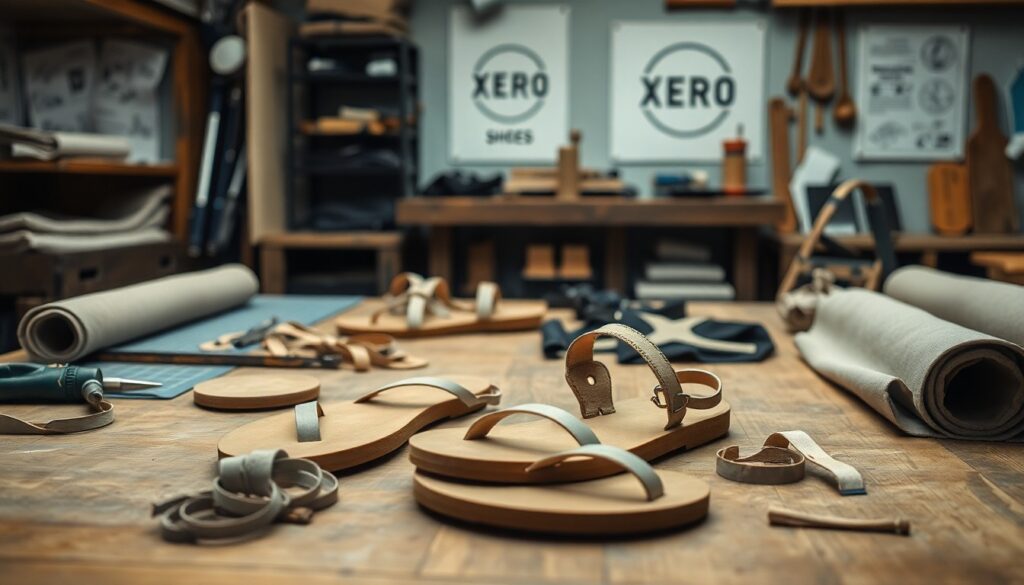
Xero Shoes began with a simple but disruptive idea: footwear should let feet move more naturally. The brand’s origin story starts with Steven Sashen and Lena Phoenix, whose barefoot-first vision shaped everything that followed.
If you want the short version, Xero Shoes was founded by Steven Sashen and Lena Phoenix around a zero-drop, natural-movement philosophy. The brand grew from early experiments into a wider barefoot footwear company.
| Founders | Steven Sashen, Lena Phoenix |
|---|---|
| Origin focus | Barefoot-style movement |
| Core idea | Natural foot motion |
| Best companion read | Where Xero Shoes are made |
For readers who want the broader brand-background picture, the most useful companion page is the manufacturing and craftsmanship guide. That page covers where the shoes are produced, while this article keeps the spotlight on the founders, the early vision, and how the company took shape.
The founding idea: why Xero Shoes started
Xero Shoes was created around the belief that traditional footwear often gets in the way of natural movement. Instead of stacking on cushioning and structure, the brand’s early direction centered on lightness, flexibility, and a barefoot-like feel that allowed the foot to do more of the work on its own.
That idea mattered because it positioned Xero Shoes as more than just another minimalist label. It became a response to a common frustration many people had with everyday shoes: they looked good or felt padded, but they often felt restrictive once worn for long periods, runs, hikes, or daily standing.
The founders’ mission was not simply to strip away material. It was to rethink what footwear should do in the first place. That distinction helped Xero Shoes earn attention from barefoot enthusiasts, runners, walkers, and anyone seeking a more natural-feeling alternative.
The brand’s identity rests on letting the foot move more naturally instead of forcing it into a heavily structured shape.
Steven Sashen and Lena Phoenix gave the company a clear point of view from the start, which helped it stand apart early on.
The early product concept favored flexibility, low stack height, and a more grounded feel underfoot.
How the early development process shaped the brand
The initial development work was a process of testing, refining, and learning from real-world use. Early prototypes had to satisfy a difficult balance: they needed to feel radically different from conventional shoes while still protecting the foot enough for everyday wear.
That balancing act influenced Xero Shoes in a lasting way. Rather than chasing one trend or overbuilding the product, the founders kept returning to the same practical question: does this help the wearer move more naturally?
Feedback from early testers played a major role here. It helped the team identify where the shoes felt too stiff, where the fit needed work, and how closely the product experience matched the brand promise. That iterative approach gave Xero Shoes a stronger foundation than a purely marketing-led launch would have done.
Why this matters: the origin story is not just about who founded the company. It also explains why Xero Shoes speaks so consistently about natural movement, flexibility, and a less restrictive feel.
The first products and the market response
When the first Xero Shoes products reached the market, they represented the end of a long experimental phase and the beginning of a broader audience discovering barefoot footwear. The launch translated the founders’ ideas into something customers could try for themselves.
Early response was especially important because the brand entered a market that was still dominated by padded, structured footwear. For many customers, Xero Shoes felt novel, even counterintuitive at first. But once people experienced the lightweight build and flexibility, the appeal became easier to understand.
That response helped define the company’s next phase. Instead of treating launch day as the finish line, Xero Shoes treated customer feedback as a development tool. The brand’s evolution was shaped by what users liked, what they struggled with, and how they talked about the shoes in real life.
What Xero Shoes makes different from traditional footwear
The most recognizable part of the Xero Shoes identity is its minimalist design philosophy. That means less emphasis on cushioning and a stronger emphasis on letting the foot function more naturally.
Several design ideas show up again and again in the brand’s story: lightweight construction, flexible materials, a wide toe box, and the zero-drop concept that keeps heel and forefoot at the same level. Together, those details define the brand’s practical difference from conventional shoes.
The company also built its reputation by talking about materials and durability in a way that matched the needs of minimal footwear users. The shoes had to do more than look stripped-back. They had to hold up to daily wear, active movement, and the expectations of people who would notice even small design changes.
Lightweight feel
A lighter shoe supports the brand’s goal of reducing interference between the foot and the ground.
Wide toe box
Roomier forefoot space supports toe splay and a more natural stance.
Zero-drop platform
A level heel-to-toe setup reflects the brand’s interest in more natural mechanics.
If you are comparing Xero’s origin story with the wider product lineup, the next useful step is a buying-oriented overview like the best Xero Shoes guide. It helps translate the brand’s philosophy into specific models and use cases.
The team, quality standards, and sustainability mindset
As the brand grew, its story expanded beyond the founders. Designers, product developers, marketers, and operations teams all became part of the company’s identity, but the founding philosophy stayed visible in the way the brand talked about quality and product development.
Quality control became especially important because minimalist shoes can feel more sensitive to fit and construction than bulkier styles. Small issues are easier to notice when a shoe is designed to be lightweight and flexible, so the brand’s testing process mattered just as much as the initial concept.
Sustainability also remained part of the message. Even when the article is focused on origins, that theme belongs here because it helps explain how the company wanted to be perceived: thoughtful about materials, interested in long-term wear, and conscious of the environmental side of production.
Why the origin story still matters now
Xero Shoes is easier to understand when you start with the founders and the original mission. The product range may have grown, but the brand still leans on the same core promise: lighter, more natural-feeling footwear built around movement rather than restraint.
Where this page fits in the Xero Shoes cluster
This article is best used as the founder-and-origin companion to the more manufacturing-focused page. If you want the production side of the story, go to Xero Shoes made: origins and craftsmanship. If you want to compare models after you understand the brand’s philosophy, the next stop should be a model or fit guide rather than another brand-history page.
For readers who are still deciding whether minimalist footwear is right for them, a transition-focused article like transitioning to Xero Shoes is usually the most useful follow-up. It turns the brand story into practical next steps.
Start with the founders and then move to the manufacturing story if you want the full Xero Shoes picture. That sequence keeps the brand’s origin story clear before you compare build details or individual models.
Frequently asked questions

Ethan Marshall is a passionate writer and content creator at My Shoes Finder, where he explores a diverse range of topics, from lifestyle and fashion to innovative products and personal development. With a keen eye for detail and a commitment to delivering engaging and informative content, Ethan connects with readers by sharing insights that inspire and inform. He believes in the power of storytelling to influence positive change, and he continually seeks to provide valuable perspectives that resonate with his audience.
See also:
 Where Are Xero Shoes Made? Manufacturing, Supply Chain and Sustainability
 Xero Shoes Corporate Office: Contact, Headquarters, And What To Do Next
 What Are Xero Shoes? A Clear Brand Overview, Benefits, And Fit Guide
 Xero Shoes Summer Blues Collection Review: Fresh Blue Barefoot Sneakers for Summer Movement
 Xero Shoes Animal Print Collection Review: Leopard Barefoot Shoes That Still Feel Comfortable
 Xero Shoes For Toddlers: Fit, Safety, And First-Walker Guidance (2025)

It’s fascinating to dive into the origins of a brand like Xero Shoes. The commitment of Steven Sashen and Lena Phoenix to recreate that barefoot experience speaks volumes about their understanding of natural movement and foot health. I remember my own journey of switching to more minimalist footwear. At first, I was skeptical—could shoes really make that much of a difference? But once I started wearing shoes that allowed my feet to function more naturally, I noticed a significant reduction in discomfort during long runs and even during those marathon workdays where I’m on my feet a lot.
It’s great to hear about your own journey into minimalist footwear. The transformation from skepticism to experiencing real benefits is such a relatable path. Many people initially question whether the shoes we wear can genuinely impact our comfort and performance. It’s fascinating how our feet, which are often somewhat neglected in traditional shoe designs, thrive when given the freedom to move more naturally.
I found your exploration of Xero Shoes really insightful! It’s fascinating to see how their mission aligns with the growing trend towards minimalism in footwear. I remember when I first made the switch to barefoot-style shoes; it felt a bit odd at first, but I quickly noticed how much more connected I felt to the ground. There’s something liberating about allowing your feet to move as they naturally would, rather than being restricted by bulky soles.
It’s fascinating to see how Xero Shoes has emerged with such a distinct focus on the anatomy of movement and the natural experience of being barefoot. I’ve been following their journey for a while, and what strikes me most is this growing trend of re-evaluating our relationship with footwear and how it impacts our health and well-being. It’s almost revolutionary in a sense, similar to the shift we’ve seen in the world of nutrition, where there’s a push toward whole, unprocessed foods that nurture our bodies in their natural state.
Ah, the age-old battle between comfort and style in the world of footwear—a debate as timeless as the question of whether pineapple belongs on pizza (spoiler: it does). Reading about Xero Shoes and their quest for a barefoot experience got me reminiscing about my own footwear journey. You see, I used to be a proud member of the “more is more” school of thought. The bulkier the shoe, the better! I mean, who wouldn’t want a plush fortress for their feet, complete with all the bells and whistles (current models might as well come with Wi-Fi at this rate)?
It’s fascinating to see how Xero Shoes is reshaping our understanding of footwear with this barefoot approach! The idea that our shoes can both protect our feet while encouraging natural movement is something I’ve come to appreciate more personally. Since switching to minimalist footwear myself, I’ve noticed a significant change in my comfort levels during long walks and runs. I love how Xero Shoes supports this philosophy, pushing against the conventional norms that all too often prioritize cushioning over function.
The insights into Xero Shoes’ origins provide a fascinating perspective on a movement towards natural foot health and wellness. It’s refreshing to see founders like Steven Sashen and Lena Phoenix prioritizing footwear that mimics the barefoot experience. This approach resonates with those of us who value both comfort and the biomechanics of our feet.
You’ve hit the nail right on the head when it comes to Xero Shoes and their take on natural foot health. It really is a fun journey exploring how Steven Sashen and Lena Phoenix turned their passion into a line of footwear that almost feels like walking around in your own skin—if your skin were made of high-quality rubber and straps, of course.
I really love how you’ve dug into the roots of Xero Shoes and highlighted what the founders aim for—returning to that natural foot movement. It’s fascinating to see how much our understanding of footwear has evolved, especially in recent years. I remember when I first tried minimalist shoes, and it felt like rediscovering how to walk!
The exploration of Xero Shoes’ origins and their groundbreaking vision is truly fascinating. I find it incredibly refreshing to see a brand that prioritizes the natural movement of our feet and challenges the conventional notions of comfort in footwear. The emphasis on replicating the barefoot experience speaks to a larger cultural shift towards more natural lifestyles, which resonates with many people today.
It’s fascinating to see how Xero Shoes is challenging conventional footwear norms with their emphasis on a barefoot experience. However, I wonder how much of this “natural” movement philosophy can be realistically adopted by a broader audience, especially those with specific foot conditions or biomechanical issues. While the freedom of movement sounds appealing, can we fully dismiss the support that some people genuinely need?
The origins of Xero Shoes are truly fascinating, highlighting a real shift in how we think about footwear and our connection to the ground beneath us. I admire how Steven Sashen and Lena Phoenix have tapped into a more primal understanding of movement—one that resonates with our bodies’ natural design. It’s intriguing to consider how much we’ve strayed from this instinctive connection in a world dominated by heavily cushioned shoes.
I completely agree with your perspective on Xero Shoes and the shift they’re championing. It’s fascinating how our footwear choices have evolved so dramatically over the years, often prioritizing fashion and cushioning over functionality and the natural biomechanics of movement.
You make a great point about the shift in how we perceive footwear and movement. It’s fascinating to think about how our relationship with the ground has evolved, especially with the rise of modern cushioning technologies. There’s something appealing about the idea of returning to a more primal understanding of movement, like you mentioned.
It’s fascinating to dive into the origins of Xero Shoes, especially considering how much our footwear choices can affect our overall health and well-being. I’ve recently been exploring the barefoot movement as I’ve noticed a significant difference in how my feet feel after switching from traditional running shoes to more minimalist options. The way you described their mission resonates deeply with my own experiences—there’s something liberating about allowing the foot to move more naturally.
The exploration of Xero Shoes’ origins fascinates me, particularly the commitment that founders Steven Sashen and Lena Phoenix have to creating a barefoot experience. Their vision resonates with a growing movement towards natural movement principles in not only footwear but across various aspects of health and wellness. The notion that traditional footwear can restrict natural foot biomechanics is an important conversation to have, especially as more people become aware of how their choices in footwear might affect their overall well-being.
I really appreciate this exploration of Xero Shoes and the intent behind their design philosophy. It’s fascinating how they focus on replicating the natural sensation of being barefoot, as it really aligns with the broader trend of minimalism we see in various aspects of our lives.
It’s great to hear you resonate with the vibe of Xero Shoes! The whole movement towards a more minimalist approach definitely taps into something fundamental about how we interact with our environment. I think there’s something liberating about the idea of going back to basics, whether it’s in the way we walk or how we choose to live.
The journey of Xero Shoes and its mission to embrace the barefoot experience is truly compelling. It’s fascinating to see how Steven Sashen and Lena Phoenix have carved out a niche that both respects our evolutionary heritage and encourages a more natural way of moving. I often think about the significant shift in our lifestyles over the past century—how technology and modern conveniences have influenced not just what we wear but how we walk, run, and even engage with the world around us.
In exploring the origins of Xero Shoes and the vision of its founders, Steven Sashen and Lena Phoenix, I find it fascinating how their mission aligns with a growing movement towards minimalism in various areas of our lives—including fashion and health. The focus on creating footwear that allows for natural movement resonates deeply with contemporary discussions surrounding the importance of body mechanics and holistic health.
I really enjoyed diving into the origins of Xero Shoes as you laid it out in your post. It’s fascinating to see how the founders, Steven Sashen and Lena Phoenix, have tapped into such a primal need for natural movement with their footwear. I think many of us have grown so accustomed to the over-cushioned shoes that promise support, but it’s eye-opening to realize how they might actually restrict our foot’s natural mechanics.
I really enjoyed reading about the origins of Xero Shoes and the vision behind their creation. It’s fascinating how the founders have tapped into something so fundamental—our instinct to feel connected to the earth beneath our feet. I’ve been trying to embrace a more minimalist approach to footwear, and the idea of replicating that barefoot feel resonates with me deeply.
It’s fascinating to see how Xero Shoes is challenging the conventional footwear landscape with its focus on barefoot-like experiences. As someone who has transitioned to minimalist footwear over the past year, I can personally attest to the benefits of allowing the feet to move more naturally. The shift not only improved my comfort during long walks but also made me more aware of my posture and how I engage different muscle groups while moving.
The philosophy behind Xero Shoes really resonates with me, especially the emphasis on allowing our feet to move naturally. In a world where we often prioritize style over comfort, it’s refreshing to see a brand like Xero Shoes prioritize the biomechanics of the foot. I’ve been intrigued by the idea of barefoot running and minimal footwear, as it encourages a more instinctual connection to the ground.
I completely get where you’re coming from about Xero Shoes and the focus on natural foot movement. It’s interesting how in our modern lives, we often overlook the importance of biomechanics in favor of style. I’ve found that prioritizing comfort has changed my perspective on footwear entirely. There’s something grounding about feeling the terrain beneath your feet, which really enhances that instinctual connection you mentioned.
You’ve hit the nail on the head about how our modern lives often push style over comfort, and it’s great to hear you’ve made the shift to prioritize what’s truly beneficial for your feet. There’s something really profound about reconnecting with the ground beneath us. It can change not just how we walk but how we experience our surroundings.
The journey of Xero Shoes is truly fascinating, especially as you delve into its origins and the vision that Steven Sashen and Lena Phoenix brought to life. The idea of replicating the natural sensation of being barefoot speaks volumes about our modern relationship with footwear and how it has evolved (or in some cases, devolved) over the years. Growing up, I often felt confined by the traditional shoes that seemed to prioritize style over function. I remember transitioning to more minimalistic footwear some years ago, and the difference was striking. Suddenly, I could feel the ground beneath me, which improved my balance and stability while walking and running.
The journey of Xero Shoes is indeed fascinating, especially considering how it challenges traditional notions about footwear. The focus on replicating the sensation of being barefoot really resonates with the growing movement towards naturalism in various aspects of life, including exercise and lifestyle choices. I appreciate how Steven Sashen and Lena Phoenix not only tapped into the demand for comfort but also prioritized the biomechanics of foot movement.
It’s fascinating to see how Xero Shoes is reshaping our understanding of footwear. I’ve found that as more people explore minimalist shoes, there’s a growing awareness of how traditional designs can limit our natural movement. Personally, switching to barefoot-inspired footwear has changed my running experience; I feel a greater connection to the ground and more freedom in my stride.
It’s great to hear how your experience with barefoot-inspired footwear has transformed your running. Many people are beginning to recognize that traditional shoes often come with a lot of restrictions that don’t align with our natural movement patterns. Xero Shoes and similar brands are really leading this conversation.
It’s really fascinating to dive deep into the origins of Xero Shoes and understand the motivations behind their creation. The commitment to replicating the feeling of being barefoot resonates with many of us, especially those who are becoming more conscious about our connection to the earth and how our footwear choices impact our overall health and wellbeing.
I love how Xero Shoes takes us back to our roots—literally! It’s about time someone challenged the overly cushioned footwear craze that seems to wrap our feet in cotton wool like they’re fragile little eggs. I mean, walking around like we’re tiptoeing on clouds might sound nice, but what’s the point if our feet can’t flex and wiggle like they were meant to?
Your exploration of Xero Shoes and their commitment to creating footwear that mimics the natural feel of barefoot movement raises some intriguing points about how our choices in footwear can significantly influence our overall health and mobility. I’ve personally experienced the discomfort that comes with traditional shoes, which often feel restrictive compared to barefoot alternatives.
It’s great to hear about your experiences with traditional shoes and how they contrast with barefoot alternatives. Many people share a similar journey and it really underscores the conversation around footwear and its impact on mobility and health. Footwear, after all, plays a foundational role in how we move and feel day-to-day.
It’s fascinating to read about the origins of Xero Shoes and the vision that Steven Sashen and Lena Phoenix had for creating footwear that embraces natural movement. I can completely relate to the struggle of finding shoes that offer both protection and comfort while allowing our feet to function as they were meant to.
It’s fascinating to delve into the origins of Xero Shoes and the vision that founders Steven Sashen and Lena Phoenix brought to life. Their commitment to mimicking the sensation of being barefoot really resonates with current trends that prioritize natural movement and well-being in footwear. In an age where so much emphasis is placed on comfort and technology in shoe design, it’s refreshing to see a brand advocating for a more primitive approach—one that allows our feet to function as they were intended.
You’ve captured the essence of Xero Shoes really well. The focus on mimicking that barefoot sensation reflects a growing awareness about how important natural movement is for our overall well-being. It reminds me of a broader shift we’re seeing in various wellness communities, where people are increasingly seeking more holistic approaches rather than just relying on the latest high-tech solutions.
I really enjoyed diving into the origins of Xero Shoes through your post! It’s fascinating to see how Steven Sashen and Lena Phoenix embarked on this journey to redefine not just footwear, but the way we think about our own movement. I think it’s so cool that they’ve taken a stand against the conventional wisdom around cushioning and support in shoes. Personally, I’ve always found that the most comfortable shoes for me are those that imitate a barefoot experience, and it’s interesting to see a brand that actively promotes that philosophy.
The exploration of Xero Shoes’ origins truly sheds light on a pivotal shift in how we view footwear and its relationship with natural movement. It’s intriguing to consider how the philosophy behind Xero Shoes resonates with broader trends in health and wellness. The emphasis on mimicking a barefoot experience aligns well with the increasing awareness around functional fitness and holistic health approaches, encouraging people to listen to their bodies more closely.
You raise some really interesting points about Xero Shoes and their connection to the evolving conversation around footwear and natural movement. It’s fascinating to see how their philosophy ties into the broader trends in health and wellness. The emphasis on mimicking a barefoot experience highlights a growing awareness of our body’s natural mechanics and encourages us to reconsider how we approach physical activity.
If you’re curious about how Xero Shoes embodies a shift towards natural movement and holistic health, this overview dives into their philosophy, benefits, and fitting tips that might resonate with your wellness journey.
‘What Are Xero Shoes? A Clear Brand Overview, Benefits, And Fit Guide’
https://myshoesfinder.com/xero-shoes-an-in-depth-exploration-guide/.
It’s interesting to consider how Xero Shoes challenges the conventional views of footwear. The idea of replicating a barefoot experience certainly resonates with the growing trend towards minimalism in various aspects of life. However, I wonder about the balance between protection and natural movement. In my experience with minimalist shoes, I’ve found that they can sometimes lead to discomfort during longer runs or walks, especially if one’s feet aren’t conditioned for it.
The origins of Xero Shoes and the founders’ vision for natural movement resonate with a growing movement towards minimalist footwear that prioritizes foot health. Having transitioned to barefoot shoes myself a few years ago, I found a significant difference in my comfort and stability, particularly during longer walks and runs. The design philosophy of allowing the foot to function as it was naturally intended is not just innovative; it feels like a necessary evolution in footwear.
It’s fascinating to delve into the origins of Xero Shoes and understand the vision behind their creation. The approach of mimicking the natural barefoot experience resonates with many, especially those of us who have experienced discomfort in conventional footwear. I appreciate that the founders, Steven Sashen and Lena Phoenix, recognized the limitations of traditional shoes and sought to address them. Their philosophy aligns with a growing movement towards embracing minimalism in not just our wardrobes, but in other aspects of life — a movement that encourages us to strip away excess and reconnect with our natural state.
I’ve always been fascinated by how footwear can influence our physical experience. The concept behind Xero Shoes resonates with me—there’s something liberating about shoes that allow for natural movement. I’ve tried barefoot-style shoes myself, and I’ve noticed how they encourage me to be more mindful of my posture and foot placement.
It’s intriguing to see how Xero Shoes is challenging conventional footwear norms. The emphasis on promoting natural movement resonates with ongoing discussions in health and wellness, particularly regarding the benefits of minimalist shoes. I’ve personally found that wearing lighter, more flexible footwear assists in reducing foot and joint pain, especially during long walks or runs.
It’s fascinating to see how Xero Shoes is reshaping our understanding of footwear and its impact on our movement. The founders’ commitment to replicating the barefoot experience resonates with many who have experienced discomfort from traditional shoes. This idea of footwear prioritizing natural movement, rather than constraining it, taps into the growing trend of minimalist and barefoot running, which has gained a lot of traction in recent years.
You’ve really hit the nail on the head here. It’s interesting how our understanding of footwear has evolved, especially with brands like Xero Shoes leading the charge. The more I explore this topic, the more I see how our connection to the ground shapes not just our physical movement, but also our overall well-being.
You’re so right about how Xero Shoes is shifting our perspective on footwear. The idea of replicating the barefoot experience really resonates with a lot of people who have grown weary of the discomfort that traditional shoes can cause. Personally, I’ve noticed that since I switched to more minimalist footwear, my foot strength has improved and I feel a greater connection to the ground when I run.
Ah, the quest for the perfect shoe! It’s like trying to find a unicorn in a field of horses, isn’t it? I appreciate how this post dives into the fascinating world of Xero Shoes and their mission to bring us that barefoot experience. I mean, we’ve all had that moment where we think, “If only I could convince my feet to break free from the tyranny of traditional footwear.” It’s as if shoes have been holding our toes hostage in a plush, padded prison.