
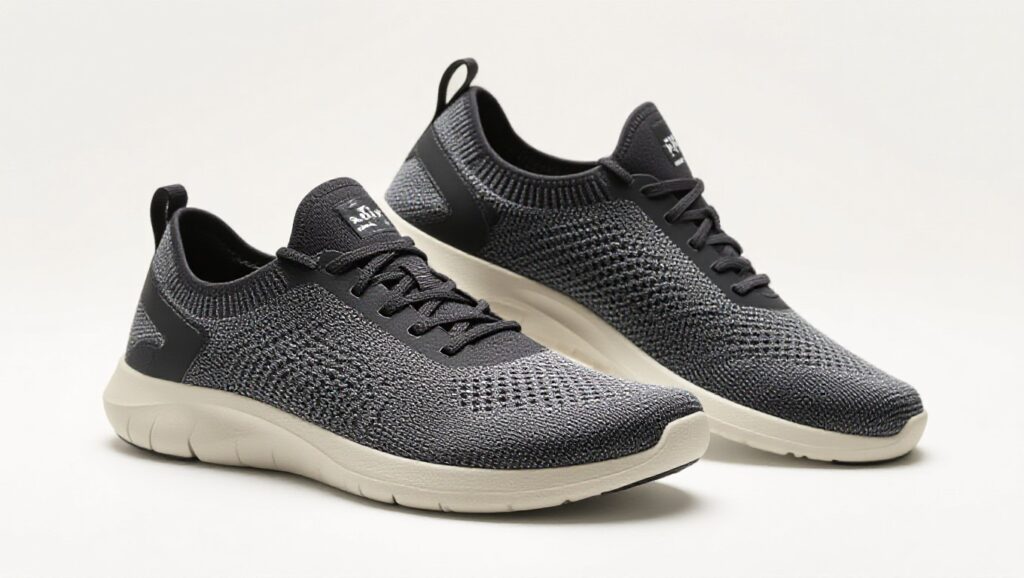
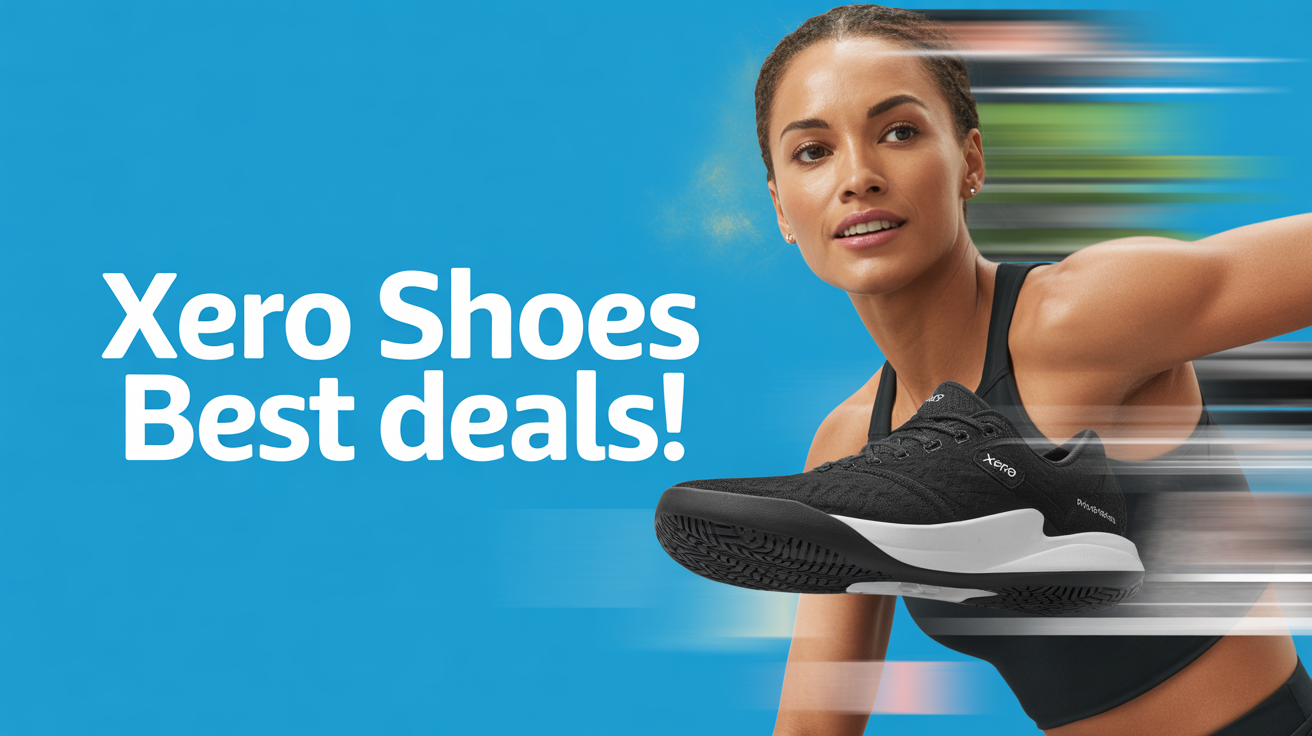
Xero Shoes make the most sense when you want a minimalist feel, a roomier toe box, and a shoe that lets your foot move more naturally. For many buyers, the real question is not whether they are “barefoot,” but whether that design fits daily wear, walking, or training.
The biggest Xero Shoes advantages are natural foot movement, flexible construction, low weight, and a wide toe box. They are strongest for people who want ground feel and a less restrictive fit, and less ideal for anyone expecting plush cushioning or immediate all-day comfort without an adjustment period.
If you are comparing product-specific options, the women’s Prio guide is the best next stop for a tighter buying decision, while this page focuses on the brand-level benefits that explain why Xero Shoes stand out.
What Xero Shoes Do Well At A Glance
Xero Shoes are not trying to behave like traditional cushioned sneakers. Their value comes from a simpler platform that supports toe splay, better ground feedback, and easy movement across everyday settings.
| Feature | What it means in practice | Best for |
|---|---|---|
| Wide toe box | Gives toes more room to spread naturally and helps avoid a cramped front fit. | Wide feet, toe comfort, balance-focused wear |
| Minimal cushioning | Keeps the shoe lighter and closer to the ground for more foot feedback. | Walking, training, transition-to-minimalist users |
| Flexible sole | Lets the foot bend more naturally instead of forcing a stiff ride. | Natural movement, mobility, active use |
| Lightweight build | Reduces bulk and makes the shoes easier to wear for longer periods. | Travel, casual wear, all-day movement |
Why The Design Feels Different
The core appeal of Xero Shoes is that they reduce the barriers between your foot and the ground. That starts with the shape: a wider front section gives your toes room to spread, which many wearers find more stable and less restrictive than standard shoes.
The second difference is the underfoot feel. Instead of heavy cushioning, Xero Shoes lean into a lighter, more flexible platform. That can be useful if you want to stay aware of foot placement while walking, lifting, or moving over uneven surfaces. For readers comparing minimalist options more broadly, the barefoot walking guide is a helpful companion page because it shows where this style works best in everyday use.
Good Fit If You Want
- more toe room
- less bulk underfoot
- a flexible, low-profile shoe
- a more natural walking or training feel
Less Ideal If You Expect
- soft, thick cushioning
- an instant no-break-in experience
- a shoe that hides every surface change
- traditional arch-supported structure
Materials, Durability, And Everyday Comfort
Material choices matter because they affect breathability, weight, and traction. In the original post, the strongest details are still the most relevant ones: breathable mesh or synthetic uppers, a rubber outsole for grip, and a construction style designed to stay practical rather than overbuilt.
Fit And Sizing Matter More Than Most Buyers Expect
A lot of disappointment with minimalist footwear comes from the wrong size, not the concept itself. Xero Shoes tend to reward careful measuring because a roomy shape can still feel wrong if the length is off or the midfoot tension is not right for your foot.
If you are still deciding between styles or you want to reduce return risk, start with the fit guide and then check the sizing guide before you buy. For shoppers who already know they want a women’s model, that makes the dominant product page the cleanest next step.
Best next move
If your main goal is a specific model recommendation, go to the Xero Shoes Prio women’s page. If you are still comparing barefoot styles, keep reading the use-case pages first so the fit and feel match your routine.
When Xero Shoes Are A Strong Choice
The strongest case for Xero Shoes is everyday movement where you want freedom more than cushioning. That includes walking, travel, light training, casual use, and some running or indoor workouts if you already know you handle minimalist footwear well.
They are also appealing if you care about a lighter shoe that feels less bulky in the bag, less restrictive on the foot, and easier to wear across different settings. For movement-focused readers, running in Xero Shoes adds more context on where this design can help performance and where adaptation matters.
What To Watch Before You Commit
- Expect a transition period if you are used to thick cushioning.
- Do not assume the widest-feeling model will fit every foot the same way.
- Choose the shoe for the activity first, then the color or style.
- If you have existing foot concerns, move gradually and be realistic about adaptation.
That last point matters. The original copy touched on discomfort and adjustment, and that is one of the most useful things to keep: minimalist shoes can be a better long-term fit for some people, but the first few wears should not be treated like a normal sneaker break-in. The benefit comes from the design, but the comfort window depends on whether your feet are ready for it.
Ready To Choose A Model?
If the main value you want is better natural movement and a cleaner fit profile, the women’s Prio page is the most relevant place to compare features and decide whether the shoe matches your needs.
Frequently Asked Questions
What Are The Benefits Of Wearing Xero Shoes?
The biggest benefits are natural toe splay, lighter construction, better ground feel, and a more flexible ride that can suit walking, travel, and some training uses.
Are There Actual Benefits To Barefoot Shoes?
Yes, but they are not universal. Barefoot shoes can help people who want more foot freedom and less restriction, yet they usually work best when the wearer adapts gradually.
Why Do Podiatrists Not Recommend Barefoot Shoes?
Some podiatrists caution against them because the transition can be demanding and not every foot tolerates low cushioning or reduced support right away.
What Do Podiatrists Think Of Zero Drop Shoes?
Views vary. Zero drop can support a more natural stance for some users, but it is usually best introduced gradually and matched to the person’s foot history and activity level.

Oliver Prescott is a dedicated author and content creator at My Shoes Finder, where he explores a diverse range of topics focusing on lifestyle, fashion, and personal development. With a keen eye for detail and a passion for storytelling, he connects with readers by providing insightful and engaging content. Oliver’s writing aims to inspire and inform, making complex ideas accessible and relatable to a broad audience. When he’s not writing, he enjoys exploring new shoe trends and sharing his findings with fellow enthusiasts.
See also:
 Xero Shoes For Back Pain And Posture: What Helps, What Doesn’t, And How To Transition
 Who Founded Xero Shoes? The Origin Story Behind The Brand
 Xero Shoes For Children In 2025: Fit, Safety, And Best Models
 Xero Shoes For Walking: Comfort, Fit, And Who They Suit Best
 Xero Ridgeway Chelsea Boots: Fit, Features, And Who They’re Best For
 Running In Xero Shoes: Who They Suit And How To Transition Safely
It’s fascinating to delve into the world of barefoot footwear, especially when exploring how brands like Xero Shoes champion the notion of natural foot movement. As someone who has transitioned to minimalist shoes over the past few years, I can wholeheartedly relate to the profound impact that the right footwear can have on one’s overall wellbeing and connection to the ground beneath us.
It’s really interesting to hear about your experience with minimalist shoes. Transitioning to barefoot footwear feels like peeling back the layers of conventional shoe design, doesn’t it? Feeling more connected to the ground can genuinely change your awareness of movement and posture.
Your insights into Xero Shoes as a leader in the barefoot footwear space certainly resonate with my own experience. I’ve dabbled in various minimalist shoe brands, and I find that the fit and comfort truly are paramount. What’s particularly interesting about Xero Shoes is their focus on allowing natural foot movement, which seems to align with the growing awareness of foot health in the wellness community.
Your exploration of Xero Shoes as a leader in the barefoot footwear category resonates with many of the principles I’ve come to appreciate about minimalist footwear. As someone who has integrated barefoot-style shoes into my daily routine, I’ve personally experienced the shift towards more natural foot movement and the accompanying benefits for my overall foot health.
It’s great to hear about your positive experience with barefoot-style shoes and how they’ve become a part of your daily routine. The transition to more natural foot movement can really be eye-opening. Many people don’t realize just how much our conventional footwear can hinder our foot health.
I found your insights on Xero Shoes to be quite compelling, especially regarding their dedication to enhancing natural foot movement. The design philosophy behind barefoot footwear plays a significant role in improving not just comfort but also overall foot health, which is something many people overlook.
I appreciate your insights into Xero Shoes and the emphasis on natural foot movement. It’s fascinating to see how barefoot footwear has gained traction as more people become aware of the benefits of a minimalist approach to shoes. As someone who has made the transition to barefoot-style shoes over the past few years, I can attest to the positive impact it has had on my overall foot health and posture.
Your exploration of Xero Shoes and their commitment to natural foot movement is truly compelling. The notion of embracing minimalist and barefoot footwear resonates with many who are seeking a more authentic connection to the ground beneath their feet. Personally, I’ve had a transformative experience since switching to barefoot shoes in my daily walks and hikes. I’ve noticed improvements in my foot strength and overall posture, which aligns with your points about enhanced comfort and foot health.
It’s interesting to see how Xero Shoes prioritizes natural foot movement, as I’ve recently started exploring barefoot footwear myself. I’ve noticed a significant change in my comfort levels during long walks after switching to a more minimalist shoe. The advice on fit and sizing really resonates with me, especially since I learned the hard way that the right size can make all the difference in terms of comfort and foot health.
I’m thrilled to see a post dedicated to Xero Shoes and barefoot footwear in general! The move towards a more natural foot movement resonates with me on so many levels, particularly as someone who has experienced both the struggle and joy of transitioning from conventional shoes to minimalist options.
It’s great to hear you resonate with the shift towards more natural foot movement. The journey from conventional shoes to minimalist options can feel like a real eye-opener, can’t it? There’s something really liberating about feeling the ground beneath your feet—like it reconnects you with the way we’re meant to move.
I find it fascinating how the conversation around barefoot footwear has evolved, particularly with brands like Xero Shoes leading the charge. Your insights into their commitment to natural foot movement really resonate with my own experiences. When I first switched to barefoot shoes, I was surprised by how much more aware I became of my foot placement and posture. It felt like my feet were given a new lease on life!
I really appreciate the insights you’ve shared about Xero Shoes! The focus on natural foot movement is something I resonate with deeply. After switching to minimalist footwear last year, I’ve noticed a big difference in my running and overall foot health. It’s like my feet are finally free to move as they were meant to!
Your exploration of Xero Shoes and their approach to barefoot footwear truly highlights an essential aspect of contemporary foot health and mobility. As someone who has recently transitioned to minimalist footwear, I can personally attest to the advantages these shoes offer in promoting natural foot movement. The shift away from traditional supportive shoes has not only improved my comfort but has also revitalized my awareness of how crucial foot biomechanics are for our overall well-being.
I really appreciated your insights into Xero Shoes and their role in promoting natural foot movement. I started wearing minimalist footwear about a year ago, and I can definitely vouch for the difference it made in how I feel on my long hikes. The way these shoes encourage a more natural gait has not just helped with comfort but has also made me more aware of my foot alignment and posture.
I appreciate how you’ve highlighted the unique benefits of Xero Shoes in your post. The emphasis on natural foot movement really resonates with me. Since transitioning to minimalist footwear a few years ago, I’ve noticed a significant improvement in my foot strength and overall comfort during my workouts. I used to be a loyal fan of more cushioned shoes, but I found that they often masked my foot’s natural biomechanics, leading to discomfort over time.
I appreciate your insights on Xero Shoes and the minimalist approach they embody. It’s really interesting to see how our footwear choices can significantly impact not just comfort, but our overall movement and connection to the ground beneath us. Having transitioned to a more minimalist style myself, I’ve found that giving my toes room to spread and allowing my feet to move more naturally has transformed my daily walks and workouts. It’s almost like rediscovering the joy of being barefoot!
It’s fascinating to see how footwear design has evolved to embrace a more natural approach, like that of Xero Shoes. The emphasis on a minimalist feel and a roomier toe box resonates with a growing desire for movement that mimics walking barefoot. Personally, I’ve found that transitioning to minimalist shoes actually enhanced my awareness of how I walk and engage with my surroundings, bringing a newfound appreciation for every step I take.
I’ve been on a bit of a minimalist shoe journey myself, and I’ve got to say, the switch to something like Xero Shoes has been eye-opening. I remember when I first tried them on—it was like my feet were finally allowed to breathe and move the way they were meant to. That spacious toe box really does change the game. It’s almost like giving each toe its own little room to wiggle around, which for someone who’s been used to more traditional footwear, feels surprisingly liberating.
Your insights into Xero Shoes prompt an intriguing discussion about the evolving landscape of footwear and the broader implications for our health and lifestyle choices. The emphasis on minimalist design resonates with me deeply, particularly as society increasingly moves toward prioritizing natural movement and overall wellness.
I really appreciate your insights on Xero Shoes and their emphasis on natural foot movement. As someone who has spent a considerable amount of time experimenting with minimalist footwear, I can definitely relate to the feeling of liberation that a wider toe box and flexible construction can bring. It’s fascinating how these shoes seem to encourage a more intuitive way of walking, which often feels more connected to the ground beneath us.
I’ve been curious about minimalist footwear for a while, and your take on Xero Shoes really strikes a chord with me. The emphasis on a roomier toe box and natural movement is something I’ve been looking for, especially since my feet have felt cramped in traditional shoes. It’s interesting how many people still equate comfort with cushioning rather than fit. I remember when I tried a popular cushioned running shoe, but ended up with blisters and a funny gait.