
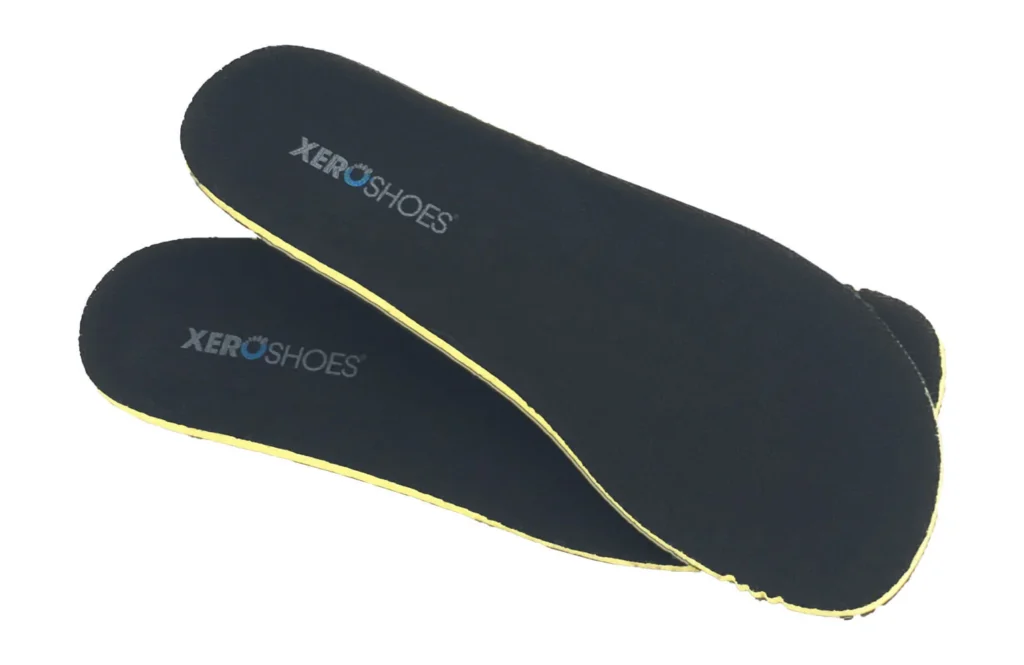
Xero Shoes can work with the right insoles, but the best choice depends on how much thickness, arch support, and grip you can add without changing the shoe’s feel. If you want a quick starting point, compare fit guidance in this Xero fit guide before you buy anything thicker.
Quick answer
Yes, you can put insoles in many Xero Shoes, but the best results usually come from thin, low-profile inserts that preserve the barefoot fit. The safest picks are removable, flexible, and slightly textured so they do not slide around inside the shoe.
What Makes An Insole Work In Xero Shoes?
The main challenge is not whether an insole fits in the shoe at all; it is whether the added layer changes the toe room, flexibility, and ground connection that make barefoot shoes appealing. That is why the best accessories for Xero models are usually thin, flexible, and easy to remove.
If you are choosing between models, it helps to understand how the shoe itself fits before adding anything inside it. Pages like the size guide and the Dillon comfort review are useful when you want a shoe that already has enough room for a liner, sock, or insert.
In practice, an insole should improve your experience without forcing the shoe into a more traditional, cramped fit. If the insert makes your toes touch the upper sooner, lifts your heel too much, or causes rubbing at the collar, it is probably too thick for that pair.
How To Choose The Right Insoles For Xero Shoes
1. Arch Support
Xero Shoes often appeal to people who want a natural underfoot feel, so aggressive arch support can be a poor match. Choose only as much structure as you actually need. A subtle contour may help if you stand all day, but a high arch can feel out of place in a minimalist shoe.
2. Thickness And Volume
This is the most important compatibility check. Xero shoes are built with a low-profile feel, so thick memory foam or plush gel can make the fit feel tight fast. Thin cork, EVA, or supportive minimalist insoles are more likely to preserve the original shape.
3. Slip Resistance
Users often worry about the insole sliding around more than the support level itself. A grippy underside matters a lot, especially in slip-on styles or when you wear the shoes sockless. If the insert moves, it will feel worse on long walks than a simpler insole with better traction.
4. Toe Box Compatibility
The wide toe box is one of the biggest reasons people buy Xero Shoes in the first place. Any insert that pushes the foot upward or inward can reduce that advantage. Before you commit, test the shoe while standing and walking, not just sitting down.
Best Insole Styles By Use Case
Different wearers need different tradeoffs. A runner, a teacher on concrete floors, and someone managing foot fatigue are usually looking for three different things, even if they all buy the same shoe brand. For broader foot-comfort context, the article on Xero Shoes for plantar fasciitis is a helpful companion read.
When To Skip An Insole
If your Xero Shoes already fit snugly, if you depend on maximum toe room, or if the shoe has very little internal height, a replacement insert may do more harm than good. In those cases, comfort is often better improved with sizing, lacing, or a different model rather than a thicker add-on.
When An Insole Helps Most
A thin insert makes the most sense when you like the brand’s shape but want less underfoot pressure, a little more friction control, or a bit of fatigue relief for standing and walking. It is a small adjustment, not a full redesign of the shoe.
What To Know Before You Buy
Because insole fit depends so much on shoe volume, timing matters. If you are already close to your ideal Xero size, order the shoe first, walk in it, and then decide whether you still need an insert. That approach is more reliable than stacking upgrades before you know how the base fit feels.
If you are between sizes or planning to wear thicker socks, make that decision before adding an insole. The wrong sequence can leave you with a pair that feels good in the store but becomes cramped after a few hours of use. For a deeper look at fit-first decisions, the sizing guide and the measuring guide are worth checking first.
Best time to decide on insoles
Choose your insole after you know the shoe size, the sock setup, and the main activity you expect to use it for. That usually means testing the shoe for a few wears first, then adding support only if the fit still feels too flat, too loose, or too harsh underfoot.
Care, Durability, And Replacement Timing
A good insole should last long enough to justify buying it, but the lifespan varies with sweat, daily miles, and how often you swap shoes. Wipe it down regularly, let it dry fully, and check the backing for wear. If the surface starts flattening out or the grip weakens, the insert will move more and feel less supportive.
The original article’s cleaning advice still holds up: a damp cloth and mild soap are usually enough for maintenance. The bigger durability issue is not deep cleaning but preserving shape. Heat, moisture, and repeated compression shorten life faster than most people expect.
If you want to compare the shoe itself against another model before spending on accessories, it is also smart to review the broader Xero lineup. Pages such as the Prio model review can tell you whether a different base shoe would solve the comfort issue without needing an extra insole at all.
If you want to shop with less guesswork
Start with the shoe that fits best, then add only a slim insert if you need a little more comfort or support. That keeps the barefoot profile intact and avoids turning a lightweight shoe into something bulky.
Common Questions About Xero Shoes Insoles
Can You Put Insoles In Xero Shoes?
Yes. Most Xero Shoes can take an insole, but thinner options usually work better because they preserve fit, flexibility, and toe room.
Do Xero Shoes Have Any Padding?
They are generally built to feel minimal rather than plush, which is why many wearers add a slim insert only if they want extra comfort or pressure relief.
What Inserts Are Best For Barefoot Shoes?
The best inserts for barefoot shoes are thin, flexible, breathable, and stable underfoot. If they are too soft or too thick, they usually fight the shoe’s design.
Do Xero Shoes Have Any Arch Support?
Most Xero models do not emphasize traditional arch support. If you need more structure, choose a slim supportive insole rather than a heavily cushioned one.
What Makes Xero Gravity Insoles Unique?
The appeal of a minimalist-style insole is usually its low profile and natural feel, not oversized cushioning. That makes it more compatible with barefoot shoes than many standard inserts.

Jessica Linford is an insightful author for My Shoes Finder, where she explores a wide array of general topics that resonate with everyday readers. With a passion for storytelling and a keen eye for detail, she brings a unique perspective to her writing, aiming to inform and inspire through her engaging content. Jessica’s diverse interests drive her curiosity, allowing her to connect with audiences on various subjects while sharing practical tips and relatable anecdotes.
See also:
 How To Measure Xero Shoes For The Right Fit
 Xero Shoes For Children In 2025: Fit, Safety, And Best Models
 Xero Shoes With Custom Orthotics: 2025 Compatibility Guide
 How To Measure Your Feet For Xero Shoes Size Fit
 Best Xero Shoes For Pickleball: Which Models Work Best On Court?
 Xero Shoes Sale Guide: Where To Find The Best Discounts
It’s fascinating to see the growing interest in footwear that prioritizes natural movement, and Xero Shoes Insoles appear to be a noteworthy addition to this trend. As someone who has often struggled with traditional insoles that can feel overly rigid, I can appreciate the emphasis on comfort and performance that you highlighted.
It’s really interesting to hear your thoughts on footwear that emphasizes natural movement. I find that as more people become aware of the impact that footwear can have on overall health, there’s a shift toward prioritizing comfort and functionality over just aesthetics. Many of us have experienced the discomfort that can come with traditional insoles; it’s like they forget the unique shape of our feet.
The insights you’ve shared about Xero Shoes Insoles emphasize the importance of natural foot movement and comfort, which is vital for anyone engaged in active lifestyles. I recently transitioned to barefoot footwear myself, and I’ve noticed a significant improvement in my foot health and overall posture.
It’s fascinating to see a growing interest in barefoot footwear and insoles like Xero Shoes that prioritize natural foot movement. I’ve been on a similar journey myself, transitioning from traditional shoes to more minimalist options. Initially, it felt odd, but over time, I discovered the profound impact it has on comfort and foot health.
Your insights into Xero Shoes Insoles really highlight the importance of thoughtful footwear choices, especially for those of us who prioritize foot health. I’ve found that investing in quality insoles can make a significant difference not just in comfort, but also in overall performance during activities. For instance, I started using minimalist footwear a couple of years ago, and the shift was transformative. It encouraged me to engage more with natural movement patterns, which I’m sure many can relate to.
It’s interesting to see a focus on the benefit of natural foot movement with products like Xero Shoes Insoles. I’ve been really looking into the barefoot footwear trend recently, trying to shift away from traditional supportive shoes that sometimes make my feet feel cramped. The emphasis on comfort and performance is super appealing, especially since I’ve been experiencing some discomfort during my long runs.
It’s interesting to see how the conversation around barefoot footwear and insoles is gaining traction, especially with the increasing awareness of foot health’s impact on overall well-being. I appreciate your insights into Xero Shoes Insoles and their potential benefits.
Your insights on Xero Shoes Insoles resonate with the growing emphasis on foot health and the benefits of natural movement. As someone who has recently transitioned to minimalist footwear, I’ve found that the right insoles can make a remarkable difference in both comfort and performance. It’s interesting to see how the design of these insoles aligns with the principles of barefoot running, which emphasize the importance of allowing the foot to function as it was intended.
Ah, the noble quest for the perfect insole—it’s like searching for the Holy Grail of footwear, isn’t it? I mean, who knew that something as simple as an insole could be the key to unlocking foot nirvana? I’ve experimented with a variety of insoles myself, and it’s fascinating how a well-fitted insole can transform an old pair of shoes from “meh” to “take me on a hike this weekend, will you?”
You’ve hit the nail on the head with that comparison to the Holy Grail—there’s definitely an adventure involved in finding the right insole. It’s almost surprising how something that lives out of sight can have such a profound impact on our comfort and overall experience with footwear. I’ve found that the subtleties of a good insole can lead to surprising psychological benefits as well; when our feet feel supported, it feels like our whole day gets a little bit brighter.
I appreciate your insights on Xero Shoes Insoles! It’s fascinating how a small shift towards barefoot footwear can have such a significant impact on our overall foot health and comfort. Personally, I’ve been exploring the concept of natural foot movement for some time now, and I’ve gradually made the transition to barefoot-style shoes. I didn’t realize how restrictive traditional shoes could be until I started wearing more minimalist options.
I really appreciate this breakdown of how insoles can enhance the Xero experience. I’ve been a huge fan of minimalist shoes and the whole barefoot movement for a while now, but there’s always that balancing act between comfort and maintaining that connection to the ground.
It’s really interesting to hear your perspective on the balance between comfort and that essential ground connection. I’ve had my own journey with minimalist shoes, and I find that it can be a bit of a balancing act too. There’s something incredibly freeing about feeling the ground beneath your feet, but there have been times when I’ve needed a bit of extra support, especially on longer walks.
Your insights into the suitability of insoles for Xero Shoes are particularly striking, especially the emphasis on maintaining the shoe’s inherently barefoot feel. As someone who has experimented with various footwear options, I can’t stress enough how important it is to strike that balance between comfort and ground connection. I’ve found that using low-profile insoles has not only improved my comfort during long walks but also maintained the lightweight feel that Xero Shoes are known for.
The balance between comfort and maintaining the barefoot feel in Xero Shoes is so crucial. I’ve experimented with various insoles, and I agree that keeping them thin and low-profile is key. One brand I found effective is the Superfeet Carbon insole; it adds just the right amount of support without compromising the shoe’s natural fit. Have you or anyone else here tried specific insoles that enhance the experience without detracting from that beloved ground sense? Also, it’s interesting to think about how our preferences in footwear reflect broader lifestyle choices—embracing minimalist shoes often aligns with a desire for a more natural approach to movement and wellness. I’m curious how others feel about the connection between footwear choices and their overall lifestyle!
You’ve touched on an important aspect of footwear that often gets overlooked: the interplay between insoles and the natural feel that Xero Shoes are designed to provide. As someone who has dabbled with various minimalist shoe options, I’ve found the discussion around insoles particularly fascinating and often contentious.
You’ve raised a great point about the insoles and how they can really change the experience we have with minimalist footwear like Xero Shoes. I’ve also delved into various minimalist options, and it’s intriguing how the discussion around insoles can get pretty heated. On one hand, some people swear by going completely insole-free to maximize that ground connection; on the other, there are those who feel they need a bit more cushioning or support, even in minimalist shoes.
I appreciate the nuance you brought to the discussion on insoles for Xero Shoes. Finding the right balance between comfort and maintaining that barefoot feel is crucial, especially when transitioning to minimalist footwear. Personally, I’ve found that opting for low-profile insoles with good arch support has made a significant difference in my experience. It helps to prevent fatigue during longer walks, while still allowing me to feel connected to the ground.
I really appreciate the detail you’ve provided about choosing insoles for Xero Shoes. It’s a great reminder that while these shoes are designed to offer that barefoot experience, there’s often a delicate balance when it comes to adding extra comfort or support. Personally, I’ve found that even a slight change in insole thickness can impact the overall feel of the shoe, so your advice about keeping it low-profile really resonates with me.
You raise some important points regarding the balance between maintaining the barefoot experience that Xero Shoes are known for and enhancing comfort through insoles. As someone who has transitioned to barefoot or minimalist footwear, I can attest to the challenges of finding the right supportive accessories that don’t compromise the shoe’s intended feel.