
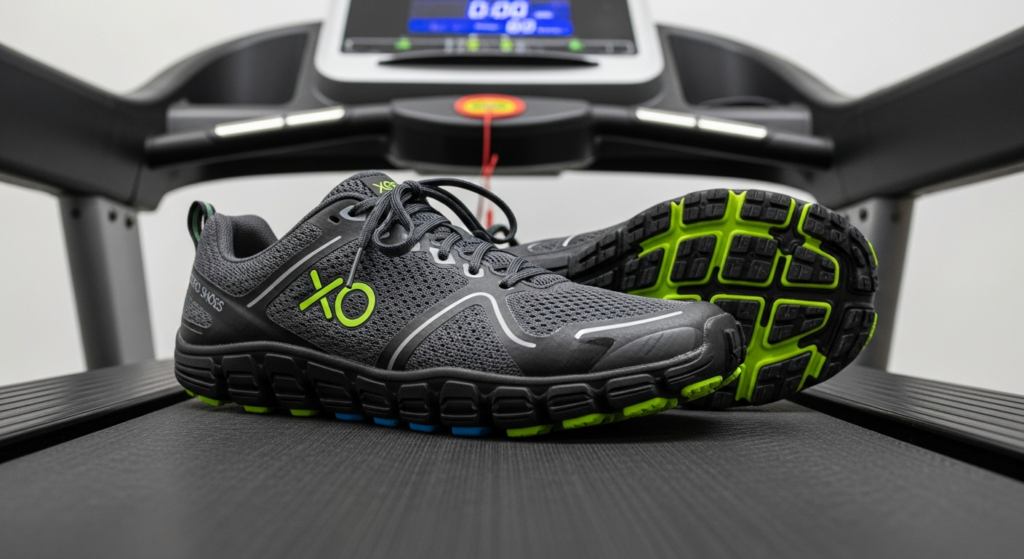
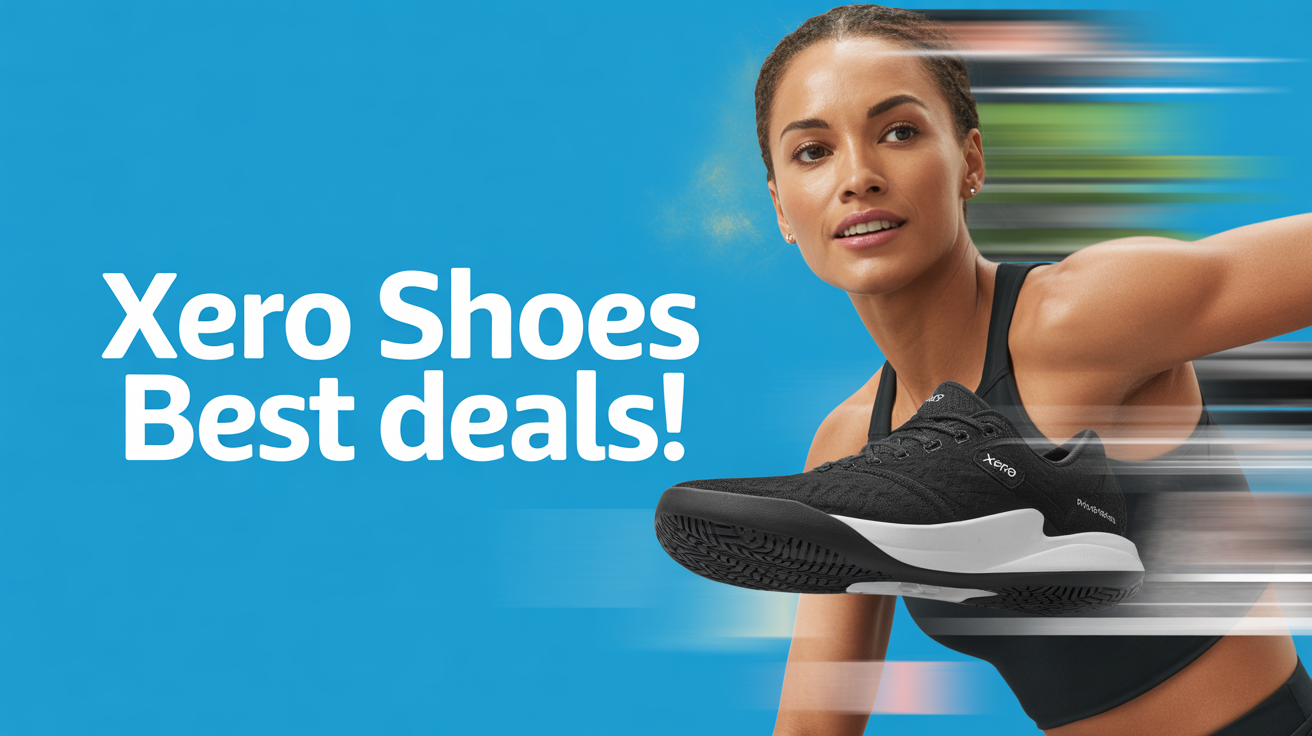
Xero Shoes can work well for treadmill running if you want a light, flexible feel and enough room for natural toe splay. They are less ideal if you rely on plush cushioning or want a shoe that softens every stride.
Quick decision box
If your goal is efficient treadmill training, Xero’s minimalist setup can be a strong fit. If you want maximum shock absorption or you’re new to barefoot-style shoes, start more cautiously and consider a more cushioned option first. For broader form guidance, see running in Xero shoes.
| Use case | How Xero Shoes fit | Best for |
|---|---|---|
| Treadmill running | Strong match when you want flexibility, ground feel, and a wide toe box | Short runs, steady runs, form-focused training |
| Indoor cardio | Very good for gym sessions that mix walking, jogging, and low-impact work | Classes, cross-training, treadmill intervals |
| Treadmill walking | Usually comfortable and stable if the fit is right | Daily walking, warm-ups, easy recovery sessions |
| High-cushion preference | Not the best match | Runners who want soft landings and more stack height |
The main question is not whether Xero Shoes are “good” in the abstract, but whether they fit your treadmill habits. For indoor use, the best pairs are usually the ones that keep your feet secure, let your toes spread naturally, and avoid unnecessary bulk that can feel clumsy on a moving belt.
What Matters Most In A Treadmill Shoe
Treadmills are smoother than roads, but they still reward the same fundamentals: a stable platform, a secure fit, and a shoe that does not fight your stride. Xero’s minimalist models stand out because they focus on a few practical traits instead of piling on cushioning that you may not need indoors.
Flexible Sole
A flexible sole helps the shoe move with you instead of against you during cadence work and easy treadmill jogging.
Wide Toe Box
Room through the forefoot helps your toes spread and can reduce the cramped feeling common in narrow trainers.
Secure Hold
For indoor cardio, the heel and midfoot should feel locked in without squeezing the toes or creating hot spots.
Low-To-No Drop
A flatter platform encourages a more natural foot position, but it also means your calves and feet may need time to adapt.
If you are still comparing minimalist brands, the broader differences between Xero and other barefoot labels are worth a look in Xero Shoes vs Vivobarefoot. That guide is helpful when you are deciding whether Xero’s more straightforward, lightweight feel is what you actually want for indoor training.
Best Xero Models And Use Cases For Indoor Workouts
The original article leaned too heavily on brand-level benefits, so the better question is which Xero shoe type suits the way you train. Indoor runners usually do best with a model that feels simple, light, and steady underfoot rather than a shoe built for technical terrain or heavy protection.
| Workout need | What to look for in Xero Shoes | Why it helps indoors |
|---|---|---|
| Treadmill runs | Light weight, stable base, secure lacing | Keeps transitions smooth and avoids extra bulk |
| HIIT or circuit work | Flexibility and lateral stability | Helps with quick changes in direction and mixed drills |
| Walking and warm-ups | Comfortable forefoot room and easy step-in feel | Useful for long treadmill walks and recovery days |
| New to minimalist shoes | Gentle transition and short initial sessions | Reduces the chance of calf or foot overload |
If you want a broader product shortlist, the most useful next step is the best Xero shoes buying guide. That page is the right place to compare model families before narrowing down to treadmill use.
For readers with sizing concerns, this article should not replace fit guidance. A shoe that feels fine while standing can still cause issues on a treadmill if the toe box is too short, the heel slips, or the upper stretches too much during longer sessions. If that is your main concern, pair this page with the Xero Shoes size guide before you buy.
When Xero Shoes Shine, And When They Do Not
The strongest case for Xero Shoes is simple: you want a natural-feeling trainer for controlled indoor movement. They make the most sense for runners who already enjoy minimalist footwear, people who prefer a low-profile shoe on the treadmill, and gym users who split their time between walking, jogging, and bodyweight work.
- Good for treadmill runs when you value flexibility and a close-to-ground feel.
- Good for indoor cardio when you want one shoe for walking, intervals, and light cross-training.
- Good for walking when you want forefoot room and a stable platform.
- Less suitable if you want a soft, highly cushioned ride or need aggressive impact reduction.
- Less suitable if you are jumping straight from padded trainers and expect an immediate all-day transition.
Transition tip
Start with short treadmill sessions and increase time gradually. That approach matters more with minimalist shoes than with traditional running shoes because your calves, arches, and feet may need time to adapt to the lower drop and lighter structure.
If you plan to use the same pair outside the gym, the broader advice in running in Xero shoes is the better place to understand outdoor pacing, terrain changes, and how minimal cushioning affects road running. That keeps this page focused on the indoor decision where the intent is strongest.
Fit, Maintenance, And Long-Term Wear
Once you choose the right model, the two most important things are fit and upkeep. Indoor shoes accumulate sweat, belt dust, and repeated bending, so even a well-made pair will feel better and last longer if you maintain it properly.
Fit Checks
Make sure the toes can spread, the heel stays seated, and the midfoot does not slide during faster treadmill efforts.
Cleaning
Wipe the uppers after sweaty sessions and let the shoes dry naturally so the materials keep their shape.
Replacement Signs
Watch for flattened tread, upper breakdown, or a fit that feels looser than it used to during runs.
If your main concern is longevity rather than treadmill performance alone, the related durability and lifespan guide gives a better frame for how long Xero footwear tends to hold up under regular use.
Where to go next
If you already know you want a minimalist shoe for the treadmill, compare the broader lineup first and then narrow by fit. That is usually the fastest way to avoid buying a pair that feels too roomy, too flat, or too firm for your training style.
Start with the best Xero shoes buying guide, then use the fit guide to confirm your size before ordering.
Frequently Asked Questions
Which Shoe Is Best For Treadmill Running?
The best treadmill shoe is usually lightweight, stable, and secure through the heel and midfoot, with enough toe room to avoid pressure during longer sessions.
Are Barefoot Shoes Good For Treadmill Running?
Yes, barefoot shoes can work well on treadmills if you like a natural feel and you transition gradually, but they are not the best choice for runners who need heavy cushioning.
What Is The Best Walking Shoe For A Treadmill?
A good treadmill walking shoe has a secure fit, enough width in the forefoot, and a platform that feels stable without making each step feel stiff.
Can You Run In Xero Shoes?
Yes, many people run in Xero Shoes, especially if they prefer minimalist footwear, but the best results usually come from easing in gradually and choosing the right model for your foot shape and training volume.

Natalie Harper is a versatile author and content creator at My Shoes Finder, where she explores a wide range of general topics that resonate with diverse audiences. With a passion for storytelling and a keen eye for detail, Natalie crafts engaging articles that provide valuable insights and inspire readers. Her commitment to quality and relatability makes her work a trusted resource for those seeking both information and inspiration in their daily lives.
See also:
 Running In Xero Shoes: Who They Suit And How To Transition Safely
 Xero Hfs Ii Men’s Review: Fit, Grip, And Lab-Tested Performance In 2025
 Xero 360 Rally Review: The Best Barefoot Court Shoe For Pickleball And Tennis?
 Indoor Barefoot Training: Textured Mats, Uneven Surfaces, And Safer Foot Adaptation
 Barefoot Xero Shoes: Key Advantages, Fit Tips, And Who They Suit Best
 Xero Shoes Forza Trainer Review: Fit, Performance, And Best Uses
I find the minimalist approach of Xero Shoes intriguing, especially for treadmill running. There’s something liberating about the light and flexible feel that really gets me in tune with my stride. I’ve noticed that when I wear my Xero Shoes, it encourages me to focus more on my form rather than just logging miles.
I completely relate to that feeling of being more in tune with your stride when using minimalist shoes like Xero. There’s definitely something special about that light and flexible feel, especially during treadmill runs where you can focus on your form without all the excess cushioning. I’ve found that it really encourages a more natural running style and helps to strengthen those little muscles that often get neglected with more structured shoes.
I’ve been really intrigued by the minimalist shoe movement, especially with brands like Xero that focus on natural running mechanics. There’s definitely something liberating about ditching the heavy cushioning and getting back to basics, don’t you think? A couple of months back, I made the switch to a minimalist shoe for my treadmill sessions, and it was like rediscovering running all over again.
Your insights into Xero Shoes for treadmill running really highlight the balance between flexibility and cushioning that many runners grapple with. I’ve personally dabbled in minimalist footwear over the past few years, and my experience reflects much of what you’ve outlined. The lightness and ground feel are indeed enticing—especially during those indoor runs where the repetitive nature of a treadmill can sometimes become dull. Feeling the surface beneath my feet brings a welcomed connection, reminding me of running outdoors, which is often a refreshing mental shift.
It’s interesting to see how the conversation around minimalist footwear, like Xero Shoes, continues to evolve, especially in the context of treadmill running. I personally transitioned to minimalist shoes a while back and found that the connection to the ground significantly changed my running form for the better. The flexible nature and room for toe splay really allowed me to adopt a more natural gait.
It’s great to hear about your experience with minimalist shoes. That shift toward feeling the ground can really transform how we interact with our running surface. When you mention the natural gait, it’s curious how many runners overlook the importance of biomechanics and how our shoes can influence that.
Interesting read! I’ve dabbled in the world of minimalist shoes, and I’ll admit, transitioning to something as “barefoot” as Xero Shoes was like trying to convince my feet to audition for a ballet performance. They got a bit more “Dancing with the Stars” than I’d bargained for—lots of wiggles and flops!
It’s interesting to see the emphasis on the minimalist design of Xero Shoes for treadmill running. Personally, I’ve experienced both ends of the spectrum when it comes to footwear for running. Transitioning from heavily cushioned shoes to minimalist options was quite an adjustment for me. I found that the flexibility and natural toe splay of Xero Shoes did enhance my overall running form, aligning with the idea that a stronger ground feel can improve efficiency.
I found your insights on Xero Shoes and their suitability for treadmill running quite compelling. As someone who enjoys a minimalist approach to footwear, I’ve had my own experiences with different types of running shoes, and it’s enlightening to see such a detailed breakdown of when Xero Shoes shine and when they might fall short.
Your analysis of Xero Shoes for treadmill running really highlights the ongoing debate between minimalism and cushioning in running footwear. Personally, I’ve dabbled in both ends of the spectrum and found that while the minimalist approach can bring a greater sense of connection to the ground, it often requires an adjustment period that many first-time users may not anticipate.
I really appreciate your insights on Xero Shoes and their fit for treadmill running—it’s something I’ve been pondering a lot lately. As someone who has dabbled in both traditional running shoes and minimalist options, I get the trade-off between the plush cushioning and the natural feel. There’s definitely something liberating about the lightweight design of the Xero Shoes that just makes your feet feel free, yet I can totally understand the hesitation if you’re used to that soft landing that comes with well-cushioned shoes.
I completely get where you’re coming from with the balance between cushioning and that natural feel. It’s interesting how our footwear choices can influence not just our running experience, but also how we connect with the ground beneath us. I remember transitioning to more minimalist options and dealing with that initial adjustment period; it felt like rediscovering how to run all over again.
I appreciate your insights on Xero Shoes for treadmill running. It’s interesting how the minimalist design can enhance that natural running form, which many runners strive for. I’ve been experimenting with different footwear myself, and I noticed that when I transitioned to a more minimalist shoe, it took some time to adjust my stride and technique.
Your insights on Xero Shoes and their suitability for treadmill running resonate with me, and they’ve prompted a reflection on the evolving nature of how we approach footwear and physical activity. The shift towards minimalist shoes, particularly in settings like treadmill running, strikes me as a fascinating testament to how consumer preferences in health and wellness continue to evolve.
Your insights on Xero Shoes and their suitability for treadmill running resonate with me. I’ve experimented with minimalist footwear in the past, and I appreciate the concept of allowing for natural toe splay and promoting a more efficient running style. However, your point on the less-than-ideal experience for those accustomed to plush cushioning has me reflecting on a broader trend in the running community: the delicate balance between minimalism and comfort.
I appreciate the nuanced take on Xero Shoes and their suitability for treadmill running. As someone who has experimented with various types of footwear in my pursuit of efficient running, I find it intriguing how minimalist shoes have gained traction among runners who prefer a closer-to-ground experience.
I appreciate your insights on Xero Shoes and their minimalist approach, especially for treadmill running. However, I can’t help but wonder about the long-term impact on joint health for those who transition from well-cushioned shoes to a totally minimalist option, particularly if they aren’t used to it. I’ve seen mixed reactions from friends who’ve made a switch; some love the added ground feel and flexibility but have reported discomfort during longer runs.
The discussion around footwear for treadmill running, particularly regarding minimalist options like Xero Shoes, is indeed fascinating and increasingly relevant in today’s health and fitness landscape. I appreciate how you highlight the importance of natural toe splay and ground feel that Xero Shoes offer, which aligns well with the growing interest in natural running techniques and minimalist training.
I appreciate the insights on Xero Shoes and their suitability for treadmill running! I’ve been exploring minimalist shoes lately, and I’m intrigued by how much ground feel can actually enhance the running experience. It’s interesting to hear how they support natural toe splay; I’ve noticed that makes a difference in my overall comfort during my runs.
I appreciate the insights you shared about Xero Shoes and their fit for treadmill running! I’ve been exploring minimalist footwear lately, and I’ve found that the natural toe splay aspect really enhances my comfort, especially during longer sessions. It’s fascinating how different shoe designs can impact our running form and overall efficiency.
I appreciate the insight into how Xero Shoes can impact treadmill running. As someone who transitioned to minimalist footwear last year, I’ve found the journey to be quite transformative. The flexibility and natural toe splay you mentioned really do enhance the running experience, particularly on a treadmill where the mechanics can feel a bit stifled.
It’s fascinating to see how much our running preferences can shape the shoes we choose. I’ve been experimenting with minimalist footwear lately, and I’ve found that the connection to the ground is genuinely liberating. It changes not just how I run but also how I perceive each stride. The freedom of a wider toe box feels natural, especially when transitioning from thicker, more cushioned shoes. I remember my first few runs in minimalist shoes; it was all about adjusting my form and being more mindful of each movement.
You’ve raised some compelling points about the suitability of Xero Shoes for treadmill running. It’s interesting to see how minimalist footwear can encourage a more natural running form. I remember when I first transitioned to less cushioned shoes; it took some time to adapt, but it felt liberating to connect more with the ground beneath my feet. The flexibility and room for toe splay you mentioned truly support that more natural gait, which is something I believe many runners overlook.
I’ve found Xero Shoes to be a game-changer for my treadmill sessions, particularly during those steady, longer runs. The flexibility really does promote a more natural stride, which has led me to better focus on my form. However, I do appreciate the caution regarding their suitability for newcomers; switching to minimalist footwear can be quite the adjustment.
Your insights on Xero Shoes for treadmill running resonate with my experience as someone who transitioned to minimalist footwear over the past year. The emphasis on natural toe splay and flexibility is certainly appealing, especially for those of us looking to improve our running form and efficiency. I’ve found that the minimal cushioning encourages a more mindful approach to my treadmill workouts, allowing me to focus on technique rather than relying on the shoe for shock absorption.
I appreciate your insights on Xero Shoes, particularly their application in treadmill running. I’ve had my own journey with minimalist footwear over the years, and I find that your analysis captures the essence of the trade-offs involved quite well.
I really appreciate how you laid out the benefits and limitations of Xero Shoes for treadmill running! It’s interesting to think about how our running styles and personal preferences can completely change our experience with different types of footwear. Personally, I’ve dabbled in minimalist shoes in the past, and I’ve found that the whole concept of “natural toe splay” really resonates with me. It feels much more aligned with how our feet are designed to work, compared to all those bulky, heavily cushioned shoes that seem to dominate the market nowadays.