
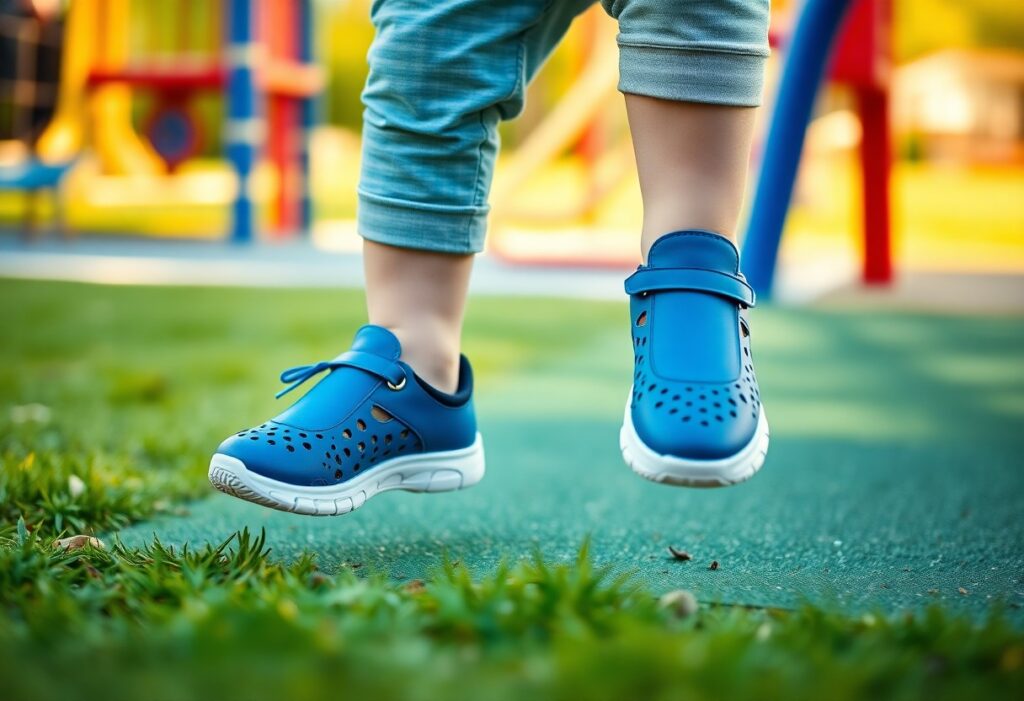
Choosing shoes for a toddler is less about trend and more about timing, fit, and foot shape. Xero-style minimalist shoes can be a good option for some first walkers, but not every child needs them right away.
Quick decision guide
- Choose minimalist toddler shoes when your child is walking steadily and needs light protection outdoors.
- Skip them for long periods of wear if your toddler still trips often, walks inconsistently, or dislikes flexible shoes.
- Check room in the toe box, a low heel-to-toe drop, and enough bend in the sole before you buy.
If you are comparing fit details across the brand, start with the sizing guide and then use the measuring guide to confirm length and width.
When Xero Shoes Make Sense For Toddlers
The best use case is a toddler who is already walking and needs a light, flexible shoe for short outings, daycare drop-offs, or playground surfaces. That is different from dressing a brand-new walker in shoes all day. In the earliest stage, many parents still do well with bare feet indoors and soft, protective footwear only when the environment calls for it.
That distinction matters because the main question is not whether minimalist shoes are “good” in theory, but whether they fit your child’s walking stage, foot shape, and daily routine. If you want a broader background on the barefoot-shoe approach, the overview at The Science of Barefoot Shoes and Their Benefits gives useful context without turning toddler shoe choice into a medical claim.
Lena Vs Zayn: Which Toddler Model Fits The Job?
| Model | Best for | Sole thickness | Indoor / outdoor use | Cautions |
|---|---|---|---|---|
| Lena | Younger toddlers or children who mainly need a soft, light shoe for shorter wear times | About 2mm | Best for indoor use and very light outdoor wear | Less protective on rough pavement or busy playgrounds |
| Zayn | Toddlers who spend more time outside and need a touch more underfoot protection | About 4mm | Better for outdoor play and short walks | Still flexible, but not the same as a heavily cushioned everyday shoe |
If you are choosing between them, the decision is usually practical: Lena is the softer indoor-leaning option, while Zayn gives a bit more protection for outside. If you are unsure about the right transition step, this beginner transition guide helps frame the change without overdoing it.
What to check before buying
- Your toddler is walking confidently most days, not just taking a few steps.
- The shoe bends easily at the forefoot and does not squeeze the toes.
- There is enough length for toe wiggle, but not so much that the foot slides.
- The shoe matches the setting: mostly indoor, mostly outdoor, or a mix of both.
- You have checked whether socks, foot width, or high insteps may change the fit.
About Development Claims: What Matters And What To Watch
Parents often look for proof that minimalist shoes will improve balance, toe spread, or long-term foot health. Those topics are worth paying attention to, but they are not a reason to treat every toddler the same. A flexible shoe may support natural movement when the fit is right, yet the bigger win is usually simply avoiding a shoe that is stiff, narrow, or hard to walk in.
That is why the practical questions matter more than any slogan: does the child walk confidently, can the toes move freely, and is the shoe appropriate for the environment? If you want to compare how other shoe features affect foot health more broadly, this foot-health explainer is a good companion read.
The original draft’s strongest idea was that minimalist shoes can be part of healthy early movement. The rewrite keeps that idea, but places it after fit and safety instead of leading with medical-style certainty.
When To Pause And Ask A Pediatric Podiatrist
Get professional input if your toddler:
- Trips constantly or seems less stable in flexible shoes.
- Has pain, obvious asymmetry, or a gait change that concerns you.
- Has a foot shape that makes fit difficult, including a very high instep or very broad forefoot.
- Needs footwear for a specific medical reason or orthotic compatibility.
If your search is really part of a broader kids-footwear decision, the more detailed Xero Shoes for Kids podiatry guide is the better match for older children and wider family-fit questions.
A Simple Buying Path For Parents
Start with stage, not style. If your child is still finding balance, use minimal shoes sparingly and keep the fit forgiving. If they are already a steady walker and need protection outdoors, a model like Lena or Zayn can make sense depending on how much coverage you want underfoot.
Before you check out, compare measurements with the brand’s fit resources and make sure the model matches your child’s day-to-day use. For a more complete size check, see Xero Shoes Fit: Your Guide to Perfect Sizing and Xero Shoes Sizing Guide for the Perfect Fit.
Need the fit piece next?
If your main question is sizing, width, or whether your toddler is between sizes, the best next step is to cross-check the model against the fit guides before ordering.
Frequently Asked Questions
Should Toddlers Wear Minimalist Shoes All Day?
Usually not. Many toddlers do best with a mix of bare feet indoors, flexible shoes for outdoor use, and a fit that does not restrict toe movement.
Are Lena And Zayn Good First-Walker Shoes?
They can be, if your toddler is already walking steadily and the fit is right. Lena leans softer for indoor use, while Zayn offers a bit more protection outside.
What Matters Most When Choosing A Toddler Xero Shoe?
Walking stage, toe room, sole flexibility, and whether the shoe matches where your child actually spends time are the main factors.

Jessica Linford is an insightful author for My Shoes Finder, where she explores a wide array of general topics that resonate with everyday readers. With a passion for storytelling and a keen eye for detail, she brings a unique perspective to her writing, aiming to inform and inspire through her engaging content. Jessica’s diverse interests drive her curiosity, allowing her to connect with audiences on various subjects while sharing practical tips and relatable anecdotes.
See also:
 Xero Shoes For Children In 2025: Fit, Safety, And Best Models
 KIDS
KIDS
 Child Foot Development: Barefoot Vs Shod Effects On Arches And Gait
 Xero Shoes For Kids: Are They Safe, And When Do They Make Sense?
 Barefoot Shoes For Kids: Benefits, Risks, And How To Choose
 Who Founded Xero Shoes? The Origin Story Behind The Brand
Reading about the innovations in toddler footwear is truly fascinating, especially considering how crucial the early stages of foot development are for our children. The emphasis on minimalist shoes like Xero truly resonates with me; it’s surprising how much the right choice in footwear can affect a child’s balance, muscle strength, and overall mobility.
I couldn’t agree more with you. It’s interesting to think about how much we often overlook footwear in the context of overall health and development, especially during those formative years. The minimalist approach, like what Xero offers, really seems to promote a more natural foot movement, which is so important. It’s almost like we’re reconnecting to a more instinctive way of being, similar to how many cultures have historically approached walking and playing barefoot.
You bring up an interesting point about how footwear can often be sidelined in discussions about health and development. I’ve noticed myself how easy it is to overlook the impact that shoes can have, especially during childhood when our feet are still developing. It makes sense that a minimalist approach, like what Xero offers, can foster that natural movement.
It’s fascinating to see how minimalist shoe designs, like those from Xero, are being embraced for toddlers. The emphasis on natural foot development is so crucial, especially given how fundamental early mobility is to a child’s overall growth. I recently read similar research that highlights how supportive footwear can also impact posture and even cognitive development as kids learn to explore their environment.
I completely agree that the minimalist approach in toddler footwear is a game changer. It’s interesting how something as simple as the shoes kids wear can significantly influence their physical and cognitive development. I recently came across some studies that explore how a child’s first steps can shape their overall movement patterns later in life, which really underscores the importance of giving them the right foundation from the get-go.
You’re spot on about the impact of those tiny shoes on development. It’s fascinating how something that seems so small can play such a big role in how kids move and explore. Those early steps really are a foundation—like setting the blueprint for how they’ll run, jump, and play later on.
You’re really tapping into something important with that observation about tiny shoes. It’s interesting how we sometimes underestimate the significance of what might seem like a small choice in a child’s life. Those early steps aren’t just about getting from point A to B; they shape our physical health and overall confidence as they learn how to navigate their world.
You raise such an interesting point about how those tiny shoes influence a child’s development. It’s remarkable to think that something so seemingly minor can indeed set the stage for their movement patterns as they grow. When I think back to my own childhood, I can remember my first pair of shoes vividly—not just the style, but how they felt. I sometimes wonder how different my experiences would have been if I had shoes that didn’t fit properly or were too stiff.
You bring up an important point about the role of footwear in early development. It’s fascinating how something that seems so minor can have lasting effects. Those first steps really set a precedent for how kids move, balance, and even engage with the world around them.
You bring up such an important point about how critical those early stages of mobility are for kids. It’s amazing to think that something as simple as the shoes they wear could have such a ripple effect on their growth. When toddlers are just starting to explore their world, the way they balance and move really lays the groundwork for how they will integrate those skills later on in life.
This is such an enlightening read! The emphasis on minimalist shoe designs really resonates with me, especially as a parent who has seen firsthand how essential it is for little ones to develop naturally. I love the analogy of “yoga for tiny toes”—it’s a perfect way to describe how these shoes can contribute to overall foot health.
It’s great to hear that the focus on minimalist shoe designs resonates with you. As a parent, you likely understand how crucial it is for kids to have footwear that supports their natural development. The analogy of “yoga for tiny toes” really captures the essence of how these shoes can help with flexibility and strength, much like yoga helps with overall well-being.
It’s fascinating to see how minimalist footwear is gaining recognition for its role in supporting natural development right from those first steps. As a parent, I can’t help but reflect on how the foundation laid during those early years can impact long-term mobility and overall health. My little one has been wearing a pair of minimalist shoes, and I’ve noticed not just improved balance but also more confidence while exploring the world around them.
It’s fascinating to see how minimalist shoe designs are backed by significant research, like the study from the University of Sydney. I’ve been exploring footwear options for my toddler and was initially drawn to the aesthetic of traditional shoes. However, learning about the benefits of natural toe splay and how it can influence long-term mobility has shifted my perspective.
It’s fascinating to see how the conversation around minimalist footwear for toddlers has evolved. The insights shared from the University of Sydney study on toe splay are particularly compelling; it makes perfect sense that allowing for natural movement aids not just in immediate comfort, but in long-term development. As a parent, I remember choosing shoes for my child and often felt overwhelmed by the vast array of options, many of which seemed more focused on aesthetics than functionality.
You nailed it—choosing shoes for toddlers can feel like finding a needle in a haystack. You’ve got everything from glittery, princess-themed designs to those shoes that might as well be lined with tiny weights, making your little one’s first steps feel like a marathon event. It’s almost as if the shoe industry thought, “Hey, let’s make shoes that are either too stiff or look cute enough to distract from the fact they aren’t doing a thing for those tiny feet.”
It’s fascinating to see how minimalist shoe designs like Xero are gaining traction among podiatrists and parents alike. The analogy of “yoga for tiny toes” really resonates with me; it emphasizes the importance of natural movement during those crucial early years. As a parent, I’ve always been concerned about the impacts traditional footwear might have on my child’s foot development.
You bring up some great points about minimalist footwear. The “yoga for tiny toes” analogy really paints a picture of how important it is for kids to experience natural movement. When kids wear shoes that allow their feet to move freely, they’re not just developing their muscles, but also their balance and coordination.
I completely relate to your perspective on minimalist shoe designs. It’s interesting how they’re gaining traction, especially among parents who are increasingly concerned about the long-term effects of traditional footwear on their children’s foot development. The analogy of “yoga for tiny toes” is really fitting—it captures the essence of allowing our little ones’ feet to move freely and develop naturally.
It’s heartening to hear your thoughts on minimalist shoe designs like Xero and their growing popularity among podiatrists and parents. The idea of “yoga for tiny toes” is a beautiful way to put it, capturing how crucial natural movement is during a child’s formative years. You’re right to be mindful of the impact traditional footwear can have on foot development.
You raise some interesting points about minimalist shoes and their role in promoting natural movement for kids. While the concept of “yoga for tiny toes” does capture the essence of what we want for our children’s foot development, it’s worth noting that not all minimalist designs are created equal. Some brands push the envelope on style over function, which can lead to disappointment when those shoes don’t support healthy foot growth.
You’re spot on about the importance of natural movement for kids. I often think about how many traditional shoes can limit not just foot development but also balance and coordination. Minimalist designs like Xero really do open up a new world for little feet, letting them flex and move as nature intended.
It’s fascinating to see how much attention is being given to the importance of early foot development. I recently read about the link between natural movement in toddlers and their overall mobility later in life, which aligns perfectly with the findings from the University of Sydney study. It makes me think about how our choices in footwear can either support or hinder that natural growth.
I totally agree with you—early foot development is such an underappreciated topic. It’s interesting how we often don’t think about the long-term effects of how our little ones move and what they wear on their feet. That link you mentioned between natural movement in toddlers and their mobility as adults really gets to the core of why the right footwear matters so much.
The emphasis on minimalist shoe designs that support natural foot development for toddlers is indeed an exciting and important topic. As parents, we often tend to focus on aesthetics or brand names when choosing footwear for our little ones, but it’s refreshing to see evidence-based discussions like this one that prioritize health and holistic development.
You’ve touched on a really important aspect of parenting that often gets overlooked. When my kids were younger, I struggled with balancing what looked good and what was actually beneficial for their development. There’s so much pressure to choose brands that are trendy, but at the end of the day, it’s our children’s health and comfort that should take front and center.
You’ve touched on a crucial point about how our choices in footwear can really impact our children’s development. It’s so easy to get caught up in trends or brand names, especially with all the marketing that targets parents. I’ve found that it helps to look for shoes that encourage natural movement and fit properly, as opposed to just what’s popular.
You raise such an important point about the influence of footwear on children’s development. It can be so tempting to get swept up in the latest trends and the big brand names that seem to dominate the shelves. The marketing aimed at parents really does create a lot of pressure to buy certain styles that may not always serve the best interests of our kids.
Isn’t it amusing how something as simple as shoes can stir up such a delightful revolution in early childhood development? I mean, who would have thought our little ones, with their nose scrunches and infectious giggles, would be the pioneers of footwear innovation? It’s like watching a toddler-led TED Talk on foot health!