
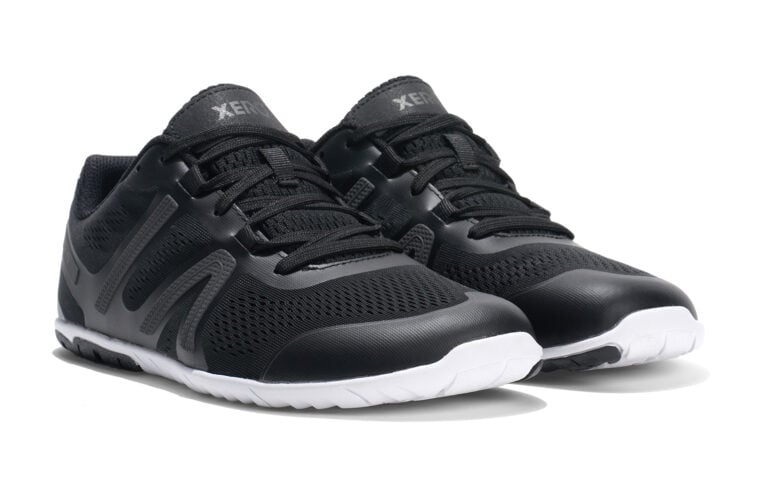
If you want the cleanest possible barefoot feel, the HFS Original is the sharper choice. If you’d rather keep the minimalist ride but add a thin layer of protection, the HFS II is the safer pick.
For broader brand context, you can also compare Xero against another leading minimalist label in this Xero vs. Vivobarefoot guide.
Quick decision
| If you care most about… | Choose this model | Why it fits |
|---|---|---|
| Maximum ground feel | HFS Original | Thinner underfoot feel and the most direct barefoot connection. |
| A little more protection | HFS II | BareFoam™ adds a small cushion layer without turning it into a traditional running shoe. |
| Mixed surfaces or rougher routes | HFS II | Better for runners who want minimalist freedom with a touch more forgiveness. |
| Pure minimalist preference or experienced barefoot runner | HFS Original | Keeps the sensation more stripped back and responsive. |
If you’re still building your minimalist rotation, the best place to continue is the HFS II men’s review, which goes deeper on performance, fit, and who tends to prefer the updated version.
What actually changed between the two
The HFS Original and HFS II share the same minimalist philosophy: zero-drop geometry, a foot-shaped fit, and a lightweight build aimed at natural movement. The split comes down to feel. The Original stays closer to the ground, while the II introduces a thin BareFoam™ layer that softens sharp impact without losing the barefoot identity.
That difference sounds small, but it changes how the shoe behaves on longer runs, rough pavement, and less predictable terrain. If your priority is sensory feedback and precision, the Original is the cleaner expression of the line. If you want a bit more day-to-day comfort, the II gives you a more forgiving ride.
Comparison at a glance
| Feature | HFS Original | HFS II |
|---|---|---|
| Underfoot feel | More direct and stripped back | Slightly softer and more protected |
| Ground feedback | Maximum sensitivity | Still strong, but a touch muted |
| Protection | Less cushioning, more ground exposure | Thin BareFoam™ layer adds comfort |
| Best use case | Experienced barefoot runners, pure minimalist preference | Mixed surfaces, longer sessions, newer minimalist runners |
| Overall feel | Sharper and more direct | A little more forgiving |
How the two models feel on the run
The HFS Original is the model to choose when you want your shoes to disappear and let the surface come through. That makes it appealing if you already understand barefoot mechanics and want a shoe that stays as close as possible to a natural-foot setup.
The HFS II is better if you like the same movement philosophy but want a margin of comfort for longer runs, harder pavement, or days when your legs are already loaded. The lugged tread also makes it the more versatile choice if your routes are not perfectly smooth.
The original post mentioned a 50/50 split in customer preference, and that still makes sense: both shoes solve different problems. The key is not which one is objectively “better,” but which kind of minimalism you actually want to feel mile after mile.
Choose HFS Original if you…
- want the most direct ground connection
- already trust minimalist footwear
- prefer a firmer, more responsive feel
- run mostly on smoother surfaces
Choose HFS II if you…
- want a little more underfoot protection
- are newer to barefoot or minimalist running
- split time between road and rougher surfaces
- like a slightly softer landing without losing the minimalist shape
Verdict
The HFS Original is the better pick for runners who want the purest barefoot-style experience. The HFS II is the smarter buy if you want a small comfort buffer and a more versatile feel for varied routes.
Ready to narrow it down further?
If you’re shopping by fit, gender-specific sizing, or performance details, the most useful next stop is the HFS II performance review. It adds practical context before you choose a size or pair.
Common questions
Is the HFS Original more barefoot than the HFS II?
Yes. The Original delivers the closest ground feel, while the HFS II softens that sensation slightly with its BareFoam™ layer.
Which one is better for beginners?
The HFS II is usually the easier entry point because it keeps the minimalist setup but adds a little protection and comfort.
Which one is best for rougher terrain?
The HFS II is the safer choice for rougher routes because it balances minimalism with slightly more forgiveness underfoot.
Should I buy the Original just because it is the first version?
Not automatically. The Original is the better shoe if you specifically want the purest barefoot sensation. If comfort and protection matter more, the II is the more practical choice.

Natalie Harper is a versatile author and content creator at My Shoes Finder, where she explores a wide range of general topics that resonate with diverse audiences. With a passion for storytelling and a keen eye for detail, Natalie crafts engaging articles that provide valuable insights and inspire readers. Her commitment to quality and relatability makes her work a trusted resource for those seeking both information and inspiration in their daily lives.
See also:
 Xero Hfs Ii Men’s Review: Fit, Grip, And Lab-Tested Performance In 2025
 Barefoot Shoes For Climbing And Bouldering: When They Work, When They Don’t
 Best Barefoot Shoes For Digital Nomads And Travel
 Aqua Cloud – Versatile Water-sports and Activity Sandal
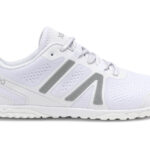 HFS II – Lightweight Road Runner
 Barefoot-Inspired Shoes for Road Trips, BBQs, and Everyday Summer Wear: Xero Americana Collection Review

What a delightful dive into the world of barefoot running shoes! The distinction between the HFS Original and HFS II really resonates with me, as it feels like choosing between two exotic delicacies at a restaurant—do I want to savor the raw flavors of the earth, or do I fancy a dash of gourmet seasoning for a little extra comfort? It’s a classic case of culinary running preferences!
The comparison between the HFS Original and HFS II really highlights the diversity within the barefoot running community. Personally, I gravitate towards the minimalistic feel of the HFS Original, as I enjoy the direct connection it provides to the ground—it’s almost meditative. The way it encourages me to be more aware of my surroundings reminds me of how traditional cultures emphasize the importance of ground connection in their daily lives, often highlighting the balance of body and nature.
Your perspective on the HFS Original really captures its essence. That meditative connection is something many in the barefoot running community cherish. It’s interesting how we often lose touch with that awareness in our fast-paced lives; the HFS Original definitely pushes us back to that grounded state.
I relate to that connection you feel with the HFS Original. There’s something really grounding about having your foot connected directly to the earth, almost like tapping into an ancient form of movement. It’s fascinating how many different practices in traditional cultures emphasize being in tune with the ground and the environment—like the Japanese practice of Shinrin-yoku, or “forest bathing,” where the focus is on immersing oneself in nature. This idea of awareness extends beyond just running; it bleeds into our daily lives as we often overlook the simple act of being present in our surroundings.
It’s fascinating to see the emphasis on individual running styles and preferences in barefoot shoe design, particularly with the HFS Original and HFS II by XeroShoes. For many runners, the debate often comes down to how much protection versus ground connection one desires. Personally, I lean towards a more minimalistic approach, as I appreciate the sensory feedback from the ground, which seems to enhance my overall awareness and connection to my running environment.
I found your comparison of the HFS Original and HFS II particularly intriguing, as it touches on a growing movement in the running community that emphasizes the connection between footwear, health, and running style. The way you’ve described the HFS Original as a gateway into the world of barefoot running resonates with my own experience when I transitioned to minimalistic shoes.
It’s great to hear your thoughts on the HFS comparison. The transition to minimalistic shoes often feels like this rediscovery of what running can be, doesn’t it? For me, it was definitely not just about the footwear; it was about reconnecting with the ground and my own body. I find that the more I embrace this style of running, the more in tune I become with my gait and how my body reacts to different terrains.
I completely relate to that feeling of rediscovery you mention. Transitioning to minimalistic shoes really does bring an awareness to the act of running that is often lost with more cushioned footwear. It’s fascinating how something as simple as footwear can influence our connection to the ground and our body’s movements. I’ve found that it actually forces me to be more conscious of my biomechanics, which has led to fewer injuries over time.
It’s interesting how minimalist shoes can lead to that deeper connection with running. For me, it really changed how I perceive my surroundings while I run. I remember my first few months transitioning; I was amazed at how much I noticed the nuances of the trail—like variations in texture or subtle changes in elevation.
It’s interesting how footwear choice can shape our running experiences so profoundly. Your connection to the HFS Original as a gateway into the world of barefoot running really highlights how specific models can influence our journey. When I made my switch to minimalistic shoes, I was surprised by how much it changed my perception of running itself. It felt as though I was rediscovering the joy of it, almost like reconnecting with a primal instinct.
It’s fascinating to delve into the nuances of barefoot running shoes, especially when comparing the HFS Original and HFS II. As someone who has gravitated towards minimalistic footwear over the years, I can appreciate how these shoes cater to various preferences and running styles.
You bring up some great points about the appeal of minimalistic footwear. It’s interesting how shoes like the HFS Original and HFS II really cater to individual needs, right down to the tiniest details. What’s fascinating is how different designs can influence not just performance but also comfort and the overall experience of running.
It’s interesting to see the growing trend towards barefoot running and minimalistic shoes in recent years. The way you’ve highlighted the distinct features of the HFS Original and HFS II really gets to the heart of what runners look for in their footwear. Personally, I gravitate towards shoes that enhance my sensory experience while running, as it fosters a deeper connection with my surroundings.
It’s great to hear how much you value that sensory experience while running. I think there’s something really special about connecting with the ground beneath your feet—it’s almost meditative in a way. When I switched to more minimalistic shoes, I noticed that my awareness of the environment around me heightened as well. I could feel every nuance in the terrain, which made even familiar routes feel new again.
It’s definitely fascinating to see how barefoot running and minimalistic shoes are gaining traction. It feels like a shift towards reconnecting with the fundamental aspects of running, doesn’t it? I appreciate how you mention enhancing the sensory experience. For me, there’s something almost meditative about feeling the ground beneath your feet, the texture of different surfaces, and even the nuances of the weather during a run. It reminds me of a conversation I had with a friend who’s a trail runner. He talked about how each run becomes a different experience based on the terrain—how he’s learned to tune into the sounds of nature and his own breath, which adds layers to his enjoyment.
You captured a crucial aspect of this shift perfectly. There’s something profound about reconnecting with the ground we run on, like peeling back layers to find a more authentic experience. It’s almost like every step transforms into a form of awareness, where the interplay of footfalls and surroundings creates a unique rhythm.
I find this comparison between the HFS Original and HFS II quite fascinating, especially as someone who has experimented with various footwear while running. The idea of choosing between an authentic ground connection and a touch of cushioning resonates deeply with me.
Your experience with footwear while running brings up an important aspect of how personal preference shapes our connection to the ground beneath us. When we talk about HFS Original versus HFS II, it’s more than just a matter of style or brand loyalty—it’s about finding what works best for our individual strides and the surfaces we run on.
I totally get what you’re saying about the contrast between the HFS Original and HFS II. For me, the experience of footwear while running really influences how I connect with the ground. It’s such a nuanced decision, balancing that raw sensation of the surface beneath my feet with the support that can sometimes save me from fatigue during longer runs.
Ah, the eternal struggle between feeling like a fierce, nature-connected gazelle and wanting just a smidge of comfort—it’s a dilemma as old as time itself. I’ve dipped my toes (literally) into the barefoot shoe world with my own trusty minimalists, and I can relate to that pure barefoot sensation. There’s something exhilarating about the feeling of every pesky pebble beneath your arch—it’s like a free massage, with a dash of surprise!
I’ve been eyeing the HFS shoes for a while now! I’m definitely leaning towards that pure barefoot sensation the HFS Original offers. There’s something so liberating about feeling every contour of the ground beneath your feet. It reminds me of when I first started barefoot running — it completely changed my perspective on how I connect with the environment while running. I think the emphasis on individual movement styles in XeroShoes’ design is spot on. It really caters to our different needs as runners.
The HFS Original really does offer that unique connection to the ground, doesn’t it? I remember when I first ventured into barefoot running as well—it felt like a wake-up call for my senses. You truly start to appreciate each step and the way your body adapts to varying terrains. It’s amazing how much our footwear can influence not just our running form but our entire experience outdoors.
I totally get where you’re coming from with that pure barefoot sensation of the HFS Original. It really does make a difference to feel the ground beneath your feet, doesn’t it? I remember when I first ventured into barefoot running too — it was almost like rediscovering the joy of movement in a completely different way. There’s something grounding about connecting directly with the environment.
You really touched on something special with that feeling of connection to the ground. It’s fascinating how stepping into barefoot running opens up a whole new perspective on movement. When you first ditch the cushioning and put those minimalist shoes on, it feels less like running and more like an adventure. You start to notice every little detail of the terrain beneath you—it’s like a whole new map of sensations to explore.
It’s interesting how you put that—there really is something about barefoot running that shifts your entire perspective on movement. I felt the same way when I first transitioned into minimalist shoes. At first, it was such an adjustment, but over time, I started to appreciate how much more alive I felt while running. Every rock and twig became a reminder of the ground’s presence, and it forced me to be more aware of my body and how I interacted with the terrain.
I completely resonate with what you described about that pure barefoot sensation. It really is transformative, isn’t it? I remember my first experiences too — there was this mix of freedom and vulnerability, like I was tapped into some primal instinct. Running without the typical cushioning layers allowed me to notice the subtleties of different terrains, each step becoming a conversation with the earth beneath me.
It sounds like you really resonate with the pure barefoot sensation that the HFS Original offers. There’s definitely something special about feeling every contour of the ground—it’s like a direct line to the earth beneath us. I remember when I first started exploring barefoot running, it felt like rediscovering the simple joy of movement. It heightened my awareness not just of how I run, but of my entire environment, making each run more immersive and connected.
I can totally relate to that pure barefoot sensation you’re describing with the HFS Original. There’s such a unique freedom that comes from connecting with the ground directly. It’s fascinating how that feeling shifts your entire running experience, isn’t it?
I found your analysis of the HFS Original and HFS II particularly insightful, especially given the diverse range of preferences among runners today. It’s fascinating how the world of footwear has evolved, allowing for choices that align with individual philosophies on running and connection to the ground.
It’s inspiring to see how XeroShoes tailors to the diverse preferences within the running community. As someone who has dabbled in both minimalistic and slightly cushioned footwear, I appreciate the importance of truly feeling connected to the ground. That sensory experience can transform a run into a meditative journey, especially on varied terrains.