
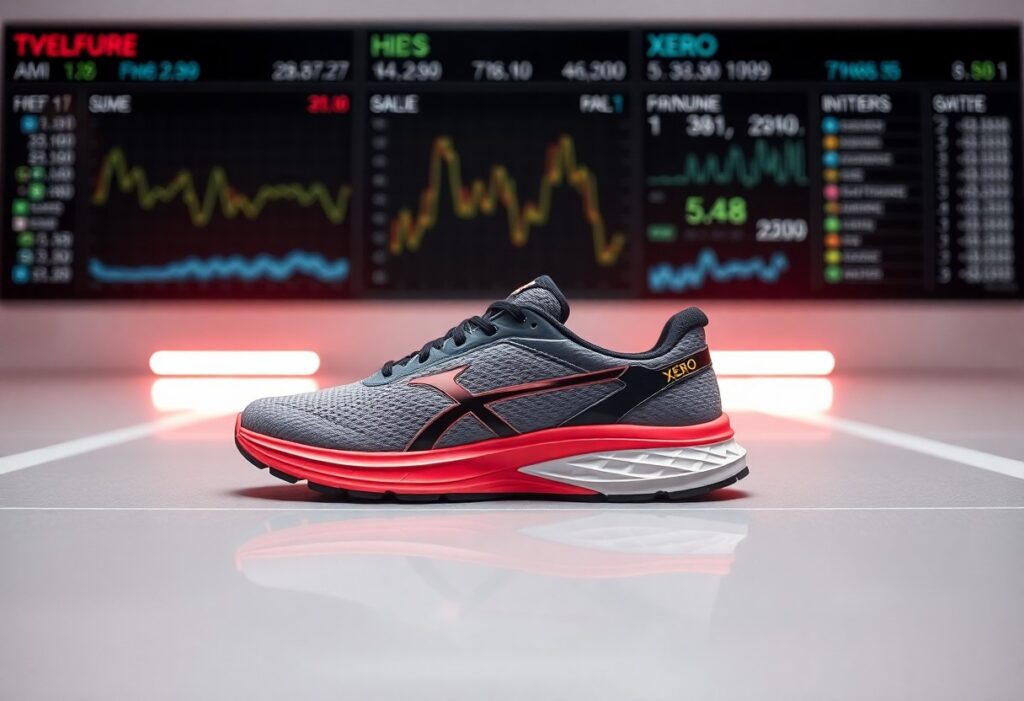
The Xero HFS II is one of Xero’s sharper road-to-gym minimalist shoes, but it makes the most sense for runners who want a close-to-ground feel without jumping all the way into an ultra-aggressive racer. If you’re comparing it with the Speed Force II or deciding whether to move on from the original HFS, the details below should make the choice clearer.
Quick take
| Best for | Road runs, treadmill sessions, light cross-training, and runners who want a flexible barefoot-style shoe with a bit more structure than a pure speed racer. |
|---|---|
| Not ideal for | Runners who want high cushioning, a soft protective ride, or a shoe that hides ground feel on longer easy days. |
| Fit note | Feels secure and low-profile, with a fit that rewards precision; the roomy forefoot and low stack make sizing and transition habits important. |
| Terrain | Best on pavement, treadmills, tracks, and groomed paths; capable on mixed surfaces, but it is still a road-first minimalist shoe. |
| Why it stands out | Low weight, strong flexibility, and a more balanced all-around feel than Xero’s most aggressive performance models. |
If you’re new to the brand, it also helps to read how to transition into Xero shoes before making a final pick. The HFS II is forgiving enough for many minimalist runners, but it still rewards a gradual adjustment period.
What The Hfs Ii Does Best
The HFS II’s main appeal is its blend of ground feel, flexibility, and everyday usability. It is still very much a minimalist shoe, but it is not trying to be the most extreme option in Xero’s line. That matters if you want a shoe you can use for repeatable runs, treadmill work, and shorter faster sessions without feeling overly locked into a single performance niche.
In the broader Xero lineup, the Xero vs Vivobarefoot comparison is useful context, but the HFS II stands on its own as a road-friendly model with a clear use case: it favors runners who want a natural stride and direct surface feedback more than plush cushioning.
Fit And Sizing Feel
Fit is where the HFS II becomes more than a generic minimalist shoe. It has a secure, low-volume feel through the midfoot, and that makes it stable when you pick up pace. At the same time, the foot-shaped front end leaves room for natural toe splay, which is one of the reasons many runners prefer Xero over more traditional trainers.
If you are deciding between generations, the HFS original vs HFS II comparison is the best next step. The HFS II is the cleaner pick if you want a more refined overall ride, while the original may still appeal if you liked its earlier feel and are looking for a familiar geometry.
Lab Numbers That Matter In Practice
The lab results matter here because they explain why the shoe feels so direct underfoot. The reported 235 g weight keeps the HFS II light enough for faster running, while the 3.2N bend resistance points to a very flexible platform. Those numbers are not just marketing details; they show up in how easily the shoe loads, bends, and moves with your foot.
| Spec | HFS II result | Why it matters |
|---|---|---|
| Weight | 235 g | Keeps the shoe quick and unobtrusive on faster runs. |
| Flexibility | 3.2N bend resistance | Supports a natural, easy forefoot-to-midfoot transition. |
| Outsole | 3.5 mm lugs | Enough texture for dependable grip without turning the shoe into a trail model. |
| Rubber hardness | 87.5 Shore C | Suggests a durable compound that can handle regular road use. |
How It Compares To The Speed Force Ii
This is the comparison that most readers need to make. The Speed Force II is the more aggressive performance shoe, while the HFS II is the easier all-rounder. If your runs are mostly tempo work or shorter sessions and you want the most locked-in, race-minded option, the Speed Force II deserves a look. If you want a more versatile daily minimalist trainer, the HFS II is the simpler choice.
That distinction is why this review stays focused on the HFS II’s fit and use case instead of trying to turn it into another generic Xero performance page. Readers comparing models can jump from here to the treadmill and indoor running guide if their training happens mostly on smooth, controlled surfaces.
Traction And Durability Over Time
The outsole is one of the more practical strengths of this shoe. The 3.5 mm lugs give the HFS II enough bite for road running and light mixed use, and the rubber compound feels tuned for regular mileage rather than one-off race day performance. It is not a trail monster, but it does not need to be.
In the 500-mile durability testing, the shoe held onto much of its structure, with the lugs retaining 87.5% integrity and flex remaining consistent. That is a solid result for a shoe this light. The takeaway is straightforward: the HFS II is built to keep its character over time, not just feel good out of the box.
If you want a broader view of how the brand’s minimalist approach translates into daily wear, the running-in-Xero-shoes guide is a useful companion read.
Who Should Buy The Hfs Ii
The best fit for the HFS II is a runner who already understands or wants to learn minimalist running mechanics. It suits people who value direct ground contact, a secure fit, and a shoe that can handle road mileage, gym sessions, and treadmill work without feeling overbuilt.
It is less compelling if you want a heavily cushioned shoe, if you are extremely new to barefoot-style footwear and expect an instant comfort-first feel, or if your priority is the most aggressive speed-focused Xero model. The shoe works best when you want natural movement and enough protection to run consistently, not when you want the softest possible ride.
Choosing between models?
If you’re torn between the HFS II and another Xero minimalist model, compare the intended use first. For a broader brand-level perspective, see barefoot running shoes and then narrow down to the shoes that match your weekly mileage, foot shape, and training style.
Frequently Asked Questions

Henry Harrington is a passionate author and content creator at My Shoes Finder, where he explores a wide range of topics related to footwear, lifestyle, and personal growth. With a keen eye for detail and a love for storytelling, Henry engages readers by sharing insights, tips, and personal anecdotes that resonate with his audience. His commitment to delivering high-quality content has established him as a trusted voice in the online community, inviting readers to step into new perspectives and discover their unique paths.
See also:
 Xero Shoes For Treadmill Running: Best Picks For Indoor Workouts
 Barefoot-Inspired Shoes for Road Trips, BBQs, and Everyday Summer Wear: Xero Americana Collection Review
 Xero Speed Force Ii Lab Test: 2025 Minimalist Running Shoe Review
 Best Xero Shoes for Summer Travel: Lightweight Barefoot Picks for Road Trips, Flights, and Everyday Walking
 Hfs Original Vs. Hfs Ii: Which Xero Hfs Is Better For You?
 Best Barefoot Shoes For Digital Nomads And Travel

It’s fascinating how a shoe can make you feel like you’re ready to take flight, yet still embrace the earth beneath your feet! I’ve often thought that running is like a relationship—sometimes you need the right support to feel truly free. With the Xero HFS II clocking in at just 235g, it’s like the dating app of running shoes, giving you that perfect match of lightweight freedom and biomechanical swag.
You bring up such a relatable point about running and relationships. It’s all about that balance, isn’t it? Like a supportive partner, the right shoe does wonders for your confidence and freedom. The Xero HFS II, being so light, provides that touch of agility, letting you really connect with the ground and feel every step. It’s interesting how the physical experience of running can mirror our emotional ones. Just like in dating, the right fit can keep you grounded while still pushing you to explore new heights. What features do you find most important in your running shoes or relationships that help you maintain that sense of freedom?
You’ve touched on something really profound with that comparison. It’s interesting how our gear, like running shoes, can shape not just our performance but also our mindset. The way the Xero HFS II gives you that lightweight feel reminds me of the balance we often seek in relationships—finding the right support without feeling weighed down.
It’s fascinating how gear can play such a pivotal role in both our physical and mental experiences. I’ve noticed that the right pair of shoes can truly create a sense of freedom while running, much like how a healthy relationship can make us feel supported yet unencumbered. It’s that delicate balance of giving and receiving that really brings out our best selves in both scenarios.
You’ve really captured something special with that analogy. Our gear, like the Xero HFS II, does more than just help us perform; it can shift how we feel and think about what we’re doing. The lightweight feel is a game changer when you’re out there running—you’re focused on the rhythm of movement rather than the burden of heavy shoes.
You’ve captured something essential about the running experience—how a shoe can connect us to both the ground and the air, creating that delicate balance between support and freedom. Just like in any good relationship, the right fit can make all the difference. It’s interesting to consider how much our gear can influence our mindset when running. The lightness of the Xero HFS II really does lend itself to a more natural experience, allowing for that feeling of being unencumbered while still offering the kind of stability that makes each step feel secure and confident.
The Xero HFS II really piques my interest, particularly with its emphasis on barefoot technology and how it aligns with natural gait mechanics. There’s something incredibly liberating about minimalist footwear that allows for a more authentic running experience. I’ve found that embracing a lighter shoe can enhance not only my speed but also my connection to the ground, especially on varied terrains.
It’s fascinating to see how the evolution of running shoes like the Xero HFS II is reshaping our understanding of biomechanics and running efficiency. The emphasis on lightweight construction and natural gait alignment speaks volumes about the growing shift towards minimalist footwear. It’s reminiscent of how technology in other sports, like cycling with ultra-light frames or swimming with streamlined suits, has advanced performance.
You bring up an interesting point about how the evolution of running shoes, particularly with something like the Xero HFS II, has changed our perspective on biomechanics and efficiency. The move towards lightweight and natural gait alignment really aligns with a growing understanding of how our bodies work in motion. It’s fascinating to think about how minimalist footwear can enhance the running experience, making it feel more like a return to our roots, you know?
It really is fascinating to see how advancements in running shoe design, like the Xero HFS II, are reshaping our understanding of biomechanics and running efficiency. Lightweight construction and natural gait alignment not only enhance performance but also shift our mindset towards footwear that genuinely supports our body’s mechanics.
Your exploration of the Xero HFS II resonates deeply with my personal journey as a runner transitioning towards minimalist footwear. The description of the shoes as feeling like “your feet grew wings but kept their claws” beautifully encapsulates the experience of finding a shoe that not only minimizes weight but also enhances the natural mechanics of running. Over the past few years, I’ve noticed how traditional running shoes, with their additional layers of cushioning and support, can sometimes create a disconnect between my feet and the ground.
Reading about the Xero HFS II really resonates with me. As someone who transitioned to minimalist footwear a few years ago, I can truly appreciate the blend of freedom and support these shoes aim to offer. The idea of feeling like your feet have “wings” while still maintaining a connection to the ground reminds me of those early runs when I discovered the beauty of natural gait and how it transformed my stride.
It’s great to hear how your journey with minimalist footwear has shaped your running experience. The feeling of freedom you describe—like your feet have “wings”—really captures that essence of running in a way that’s hard to put into words. When you connect with the ground more naturally, it definitely plays a role in how we perceive our movements and overall enjoyment of the activity.
It’s great to hear how you’ve connected with the idea of minimalist footwear. I think there’s something really profound about the way our shoes can influence our running experience. The concept of “wings” for your feet is so evocative; it really captures that feeling of lightness and freedom we often seek in our runs.
The Xero HFS II certainly sounds like an exciting advancement in running footwear! It’s fascinating how the evolution of running shoes has shifted towards prioritizing biomechanics and minimalism. I’ve always been drawn to barefoot running practices, as they emphasize a natural stride and help forge a more profound connection with the ground.
While the Xero HFS II seems to push the envelope in ultra-lightweight and biomechanical design, I find myself questioning whether such an extreme focus on minimalism might come at the cost of adequate support for longer distances or varied terrains. The appeal of feeling like you have “wings” is enticing, but can lightweight shoes truly mimic the natural mechanics of our feet without risking injury, especially over time? I’ve personally experienced the pitfalls of minimalist footwear during long trail runs, where the lack of cushioning became a detriment.
What a compelling exploration of the Xero HFS II! Your insights about its ultra-lightweight design and biomechanical advancements really resonate with me. As someone who has experimented with various running shoes over the years, I’ve often found myself torn between the cushioning that traditional trainers provide and the freedom and natural motion that minimalist shoes allow.
It’s great to hear from someone who shares a passion for running and the nuances of shoe design. The struggle between cushioning and natural motion really is a central debate in the running community. I’ve found that each type of shoe has its merits depending on what I’m aiming for in a run. For example, when I’m training for longer distances, I tend to lean towards shoes with more cushioning, as they help mitigate fatigue over those miles. But on shorter, speed-focused runs, there’s something invigorating about the minimalism that allows for a more natural footstrike and increased agility.
Your exploration of the Xero HFS II provides a fascinating glimpse into the intersection of biomechanics and minimalist footwear. The comparison of the shoe to “feet growing wings” resonates deeply with my own experiences as a runner who values both performance and a natural stride. However, while the lightweight nature and flexibility of the HFS II are certainly appealing, I wonder if this minimalist approach may not be suited for every individual, particularly those who face unique biomechanical challenges.
It’s great to hear you connected with the imagery of “feet growing wings” in relation to the Xero HFS II. There’s something very liberating about that feeling, isn’t there? As a runner, the idea of shedding the weight and restrictions of traditional shoes can open up new possibilities.
I completely agree with you about that liberating feeling. The imagery of “feet growing wings” really captures the essence of running in a light and unencumbered way. It’s fascinating how much our choice of footwear can influence our entire experience of movement. Transitioning from traditional shoes to something more minimalist like the Xero HFS II not only changes how we feel on the run, but it also connects us more deeply to the ground beneath us.