
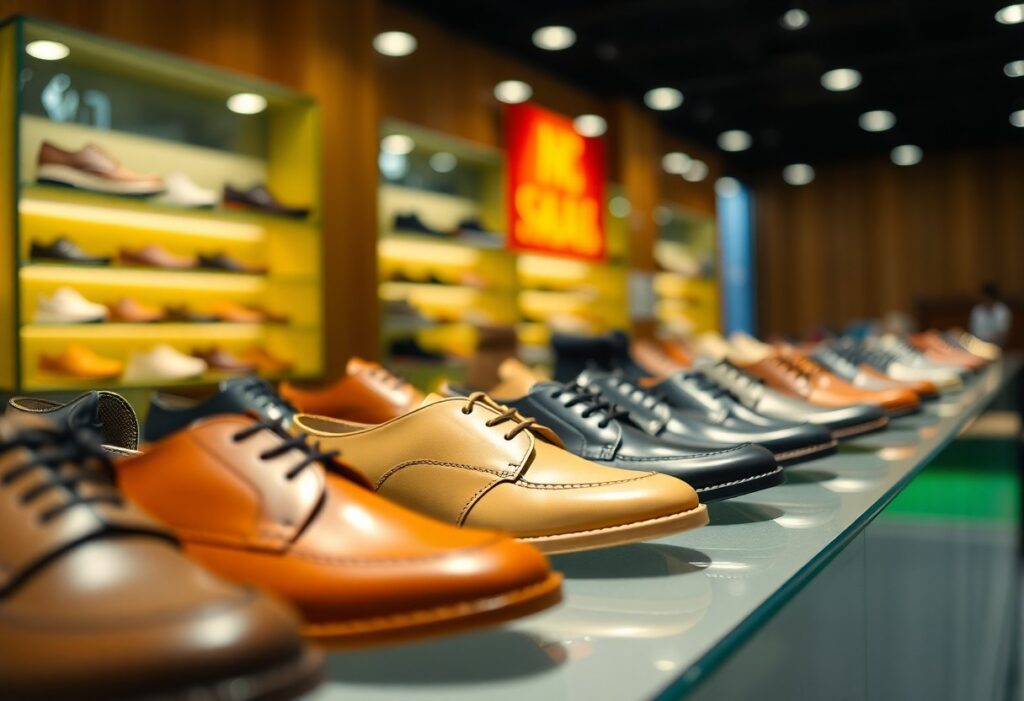
Indonesia has earned a real place in the value-premium footwear market. If you want hand-welted shoes, thoughtful design, and strong price-to-quality balance, Indonesian makers are worth a close look.
For readers comparing makers and materials, the broader value framework in our affordable quality shoes buyer’s guide is a useful starting point, while this page stays focused on Indonesian shoemakers, their construction, and how to buy from them well.
- Best for buyers who want welted construction without European-brand pricing.
- Typical entry prices start around €170–€230, with premium pairs moving higher.
- Strongest categories are dress shoes, workwear boots, military-inspired boots, and MTO options.
- Check stitching, leather source, sizing clarity, shipping costs, and customs before ordering.
| Brand / maker | Construction | Typical price | Best for |
|---|---|---|---|
| Fortuna Shoes / Jalan Sriwayaja | Hand-welted | €170–€280 | Entry-to-mid dress shoes and value-focused buyers |
| Txture | Hand-lasted / welted | From €185 | Boot buyers who want rugged construction at a lower price |
| Onderhoud | Hand-lasted boots | From €230 | American-style workwear and heavy-duty boots |
| Sagara Bootmaker | Boot-focused handmade construction | From €200 | Boot enthusiasts who want styling variety and direct ordering |
| Winson Shoemaker / Midas | Handmade premium lines | €250–€550 | More elegant, refined, and higher-spec footwear |
Why Indonesian Shoes Stand Out
The main reason Indonesian shoemakers matter is not hype; it is the combination of construction quality, direct-to-buyer ordering, and pricing that often undercuts European and American comparables. Many of the best makers specialize in hand-welted footwear, which gives you a resolable build, a more substantial feel, and a level of craftsmanship that buyers usually associate with much higher ticket prices.
This is also where the page differs from a general bargain-shoe guide. The question is not simply whether a shoe is affordable. It is whether the maker can deliver a well-built pair with believable leather, clean stitching, accurate sizing, and a realistic landed cost once shipping and customs are added.
If you want to understand the material side of that decision, our leather tanning methods guide is a useful companion piece when you are comparing calf leather, imported hides, and how they age over time.

What To Look For Before You Order
Construction Quality
Most premium Indonesian makers lean on hand-welted or hand-lasted builds. Look closely at welt symmetry, sole stitching, heel attachment, and the overall balance of the last. These details matter more than branding when you want a shoe that will wear well and last.
Leather And Material Choice
Local Indonesian calf leather can deliver strong value, while imported European hides may offer better grain, finish, and patina potential. Ask what leather is being used on the upper, lining, insole, and sole, because the difference between a good value pair and a frustrating one often starts there.
Fit And Sizing
Sizing is one of the biggest ordering risks. Many makers work in EU sizing, though some also use US or UK references. Measure both feet, note width and instep height, and compare your measurements carefully against the maker’s chart. If your feet are uneven or wide, use a dedicated fit resource such as our wide-feet fitting guide before you place an order.
Brand Groups Worth Knowing
Indonesian makers are not one single category. The better way to read the market is by use case. Dress-shoe buyers tend to look first at Fortuna Shoes and similar welted makers. Boot buyers usually find the deepest value in lines like Txture, Onderhoud, Sagara, Santalum, and Junkard. If you want something more polished or more premium, Winson and its higher-end lines move closer to a bespoke-inspired space.
A lot of these brands sell directly through Instagram or a simple web order process. That can be a strength because you often get a direct line of communication with the maker, but it also means you need to be more precise than you would with a retail checkout. Clarify leather choice, sole type, size, width, deposit amount, and the expected build time before you commit.
Price, Shipping, And Customs: The Real Landed Cost
Base prices can look exceptionally attractive, but buyers should always calculate the landed cost. In this category, shipping often adds around €35 or more, and duties or taxes can increase the total by 20–30% depending on where you live. A pair that starts at €170 domestically can end up much closer to €250–€300 once it reaches your door.
Even with those extras, Indonesian footwear can still be compelling value. A €250–€550 Indonesian pair may compare with a much more expensive European shoe built on similar principles, especially once you account for hand work, leather quality, and the ability to choose a specific style or last.
Buying Checklist
- Ask what construction method is being used and whether the pair is hand-welted or hand-lasted.
- Confirm the exact leather source and whether the maker uses local or imported hides.
- Request sizing guidance with length, width, and instep references.
- Check whether the brand offers a return or remake policy before paying a deposit.
- Estimate shipping, customs, and tax so the final price does not surprise you.
- Expect longer lead times if the brand is made-to-order or popular on social media.
Pros And Trade-Offs
| Strengths | Trade-offs |
|---|---|
| Hand-welted construction at competitive prices | Communication can vary by maker |
| Strong boot and dress-shoe makers | Wait times may be long for MTO pairs |
| Wide size runs from some brands | Returns can be hard or expensive |
| Direct access to makers and customization | Shipping and customs can change the final price materially |
Where To Go Next
If you are comparing Indonesian makers against broader value picks, keep the lens simple: price after shipping, construction quality, leather source, and how well the last matches your feet. That is the point where a good value shoe becomes a good purchase.
For the wider decision framework, revisit the affordable quality shoes guide; for finish and aging, pair it with our leather tanning guide.
Frequently Asked Questions
What Shoe Brands Are Made In Indonesia?
Well-known Indonesian names in the premium and value-premium space include Fortuna Shoes / Jalan Sriwayaja, Txture, Onderhoud, Sagara Bootmaker, Santalum, Junkard, Winson Shoemaker, and Midas Bootmaker.
Are Indonesian Shoes Good Quality?
They can be excellent, especially when you are buying hand-welted or hand-lasted shoes from makers with strong leather sourcing and consistent finishing. The best pairs offer outstanding value for the money.
What Are Indonesia's Popular Boot Brands?
Boot-focused buyers often look at Txture, Onderhoud, Sagara Bootmaker, Santalum, Junkard, and the workwear lines associated with Winson. These brands are especially known for rugged, American-style silhouettes.
What Should I Check Before Ordering From An Indonesian Maker?
Confirm construction, leather type, sizing method, deposit terms, build time, and estimated shipping plus customs. That short checklist prevents most of the avoidable mistakes in overseas shoe buying.

Jessica Linford is an insightful author for My Shoes Finder, where she explores a wide array of general topics that resonate with everyday readers. With a passion for storytelling and a keen eye for detail, she brings a unique perspective to her writing, aiming to inform and inspire through her engaging content. Jessica’s diverse interests drive her curiosity, allowing her to connect with audiences on various subjects while sharing practical tips and relatable anecdotes.
See also:
 How To Spot Affordable Quality Shoes That Are Actually Worth The Money
 Xero Ridgeway Chelsea Boots: Fit, Features, And Who They’re Best For
 How To Buy Quality Second-Hand Shoes Without Regret
 Repair Shoes Or Buy New? A Practical Guide To The Right Decision
 Xero Shoes Corporate Office: Contact, Headquarters, And What To Do Next
 Leather Barefoot Sandals



This is a fascinating perspective on Indonesian footwear—definitely something I’ve not really considered before! It’s amazing how much quality craftsmanship can come from corners of the globe that might not initially come to mind when thinking about premium shoes. I love the idea of balancing traditional methods with modern design; craftsmanship is truly an art form that seems to be fading in many industries. I mean, there’s something really special about knowing that your shoes were made by artisans who take pride in their work, isn’t there?
It’s fascinating to see Indonesian footwear gaining attention for its quality and craftsmanship! I have to admit, before reading this piece, I never really considered Indonesia as a hotspot for premium shoes. The blend of traditional techniques with modern designs sounds appealing, particularly in an age where bespoke craftsmanship feels like a luxury that is slowly disappearing under mass production.
It’s fascinating to see Indonesia being highlighted for its shoemaking expertise. I recently came across a brand that features not just stylish designs but also sustainable materials, which adds an interesting layer to the whole experience of buying shoes. The combination of tradition and innovation you mentioned really resonates with me—it’s like stepping into a history of craftsmanship while embracing modern aesthetics.
It’s interesting how those stylish designs can sometimes pull on our heartstrings, right? You slip on a pair of shoes made from sustainable materials, and it’s like you’re giving Mother Earth a high-five while looking fabulous.
You’re hitting on something really important when it comes to the shoemaking scene in Indonesia. The country’s craftsmanship has been somewhat of a hidden gem, and it’s great to see more brands shining a light on it, especially where sustainability is concerned. It’s such a cool juxtaposition. On one hand, you have these artisans who have been perfecting techniques for generations, and on the other, brands that are taking those age-old methods and marrying them with eco-friendly materials. This blend not only preserves the rich history of footwear in Indonesia, but it also opens up new avenues for modern expression.
It’s truly fascinating to read about the emergence of Indonesia as a beacon of quality in the footwear industry. I have always believed that shoes are not just functional items; they tell a story of craftsmanship, culture, and personal identity. The notion that we can find this level of artistry and tradition within Indonesian shoemaking is a revelation that deserves more attention.
It’s interesting how you’ve captured the essence of footwear as more than just a practical necessity. Shoes really do tell unique stories, often reflecting the culture and traditions of their makers. I find that each pair can hold a piece of history or a connection to a specific community.
Your exploration of Indonesian shoemakers is both timely and enlightening, especially as the landscape for premium footwear becomes increasingly competitive. The emphasis on traditional craftsmanship paired with modern design is a hallmark of industries that understand the fine balance between heritage and contemporary needs.
Your observations bring to light an important aspect of the shoe industry, particularly within the context of Indonesia’s rich heritage. The fusion of traditional craftsmanship and modern design isn’t just a trend; it signifies a deeper understanding of consumer expectations, where the demand for authenticity often complements the desire for contemporary style.
Exploring Indonesian footwear feels like uncovering a treasure trove of craftsmanship that is often overlooked. As an admirer of quality shoes, I’ve found that the blend of traditional techniques and modern aesthetics speaks volumes about the depth of Indonesia’s shoemaking heritage. Each pair tells a story, not just of style but of a culture that values artisanship.
It’s interesting to see so many people starting to recognize Indonesia as a go-to for quality footwear! I think the blend of traditional craftsmanship and contemporary style really sets these shoes apart. My first pair of Indonesian shoes was from Sagara, and I was pleasantly surprised by both the comfort and the attention to detail.
It’s fascinating to read about the remarkable craftsmanship that Indonesian shoemakers bring to the table. I’ve been increasingly curious about how traditional manufacturing techniques blend with modern design in various cultures, and footwear seems to be a particularly rich area for exploration.
Your exploration of Indonesia as a burgeoning hub for premium footwear manufacturing resonates deeply with me. It’s fascinating how this country’s rich heritage in shoemaking marries traditional craftsmanship with contemporary design, offering not just shoes but a narrative of culture and skill. There’s something profoundly inspiring about walking in a pair of shoes that not only elevate our style but also carry the spirit of the artisans who crafted them.