
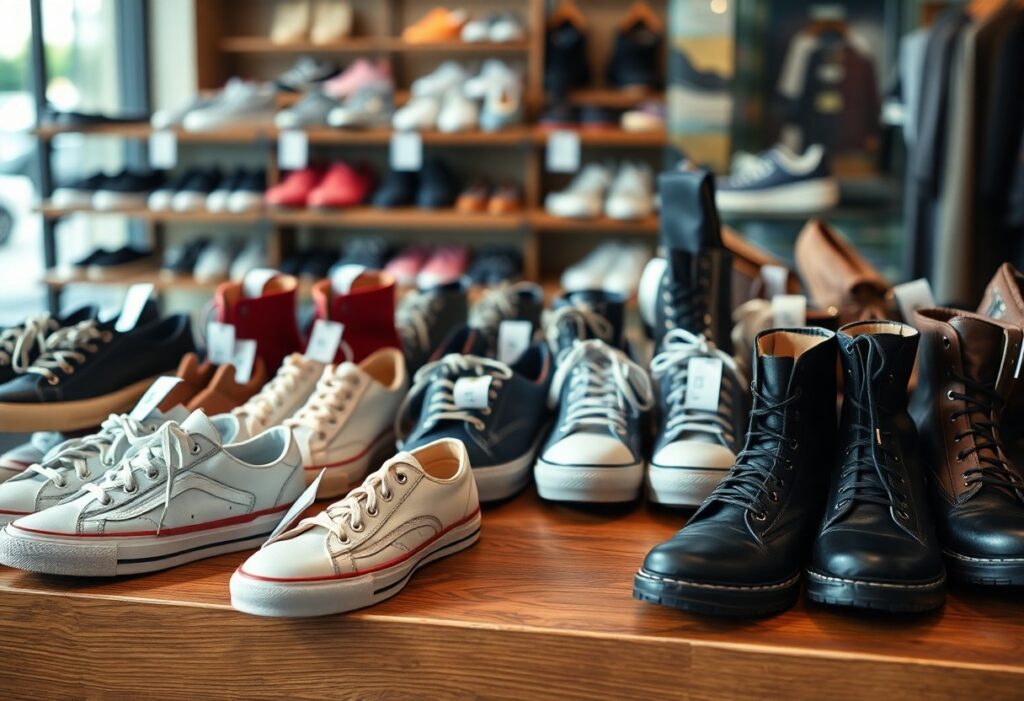
Affordable quality shoes are not about chasing the lowest sticker price. They are about paying for the details that keep a pair comfortable, durable, and worth wearing for more than one season.
Quick value check
A shoe is usually worth considering when the upper material, construction, and fit all match the price. If one of those is weak, the “deal” often disappears fast.
- Look For full-grain or well-finished leather, solid stitching, and a construction method you can trust.
- Be Cautious Of heavy glue lines, thin synthetic uppers, and soles that look hard to repair or replace.
- Best Value Band many buyers find the strongest trade-off between cost and build quality in the $100–300 range.
If you want a broader regional brand angle, the companion guide on Indonesian quality shoes covers that side of the market. This page focuses on judging value first.
What Makes A Shoe Worth The Price?
The best affordable shoes are the ones that do three jobs well: they fit comfortably, they hold together under regular wear, and they use materials that age in a predictable way. That is why a well-built $180 shoe can be a smarter buy than a flashy $80 pair that falls apart in six months.
How To Judge Value In-Store Or Online
Start with the build, not the brand story. A reliable label helps, but value comes from the pair in front of you. If you are comparing options, it also helps to look at shoe category first: dress shoes, casual shoes, athletic shoes, loafers, and work boots each have different durability expectations.
Materials
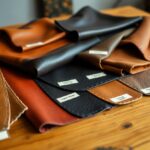
Look for leather that has visible grain, depth, and flexibility. Avoid materials that look coated or overly glossy unless the shoe is specifically designed for weather resistance.
Construction
Uniform stitching, tight joins, and a clean sole line usually tell you more than marketing copy. Goodyear welted shoes often stand out for repairability and longevity, especially in the dress and casual categories.
Fit
A quality shoe still fails if it does not fit. Check toe room, heel security, width, and whether the shoe supports your foot shape without pressure points.
If fit is your biggest concern, pair this guide with our advice on finding shoes for wide feet or avoiding common sizing mistakes. Those checks matter just as much as the construction details when you are shopping for value.
When To Buy For The Best Price
Timing can make a real difference. Many quality shoes go on sale at the end of a season, and that is often the easiest way to move from “good” value to “excellent” value without lowering your standards.
If you are shopping on a tighter budget, the quality secondhand shoes guide is a smart next stop. A well-chosen pre-owned pair can outperform a new budget shoe, especially when the original construction was strong.
What To Avoid When You Are Chasing A Deal
Some cheap shoes are cheap for a reason. A low price does not automatically mean poor value, but it does mean you should inspect the details more carefully.
- Glued Soles With Weak Edges these often separate earlier than stitched or more robustly attached soles.
- Plastic-Coated Uppers they may resist scuffs at first but usually age less gracefully than real leather.
- Uneven Finishing sloppy stitching, glue residue, and asymmetry can point to shortcuts in production.
- One-Size-Fits-All Comfort Claims comfort is personal, and good shoes still need the right last, width, and support.
The best long-term value usually comes from shoes that can be cleaned, conditioned, and maintained properly. If you want your investment to last, pair smart buying with basic care such as brushing, conditioning at the right time, and using shoe trees. Our maintenance guides on prolonging shoe lifespan and choosing the right shoe brush are useful follow-ups.
Want a stronger value target?
If you already know your budget and want a narrower brand and sourcing path, the Indonesian quality shoes article is the best next page to compare. It adds a regional lens to the same quality conversation without repeating the broader buying criteria here.
A Practical Buying Sequence
- Pick the shoe type first: dress, casual, athletic, work, or loafer.
- Set a realistic ceiling, usually somewhere in the $100–300 range for strong value.
- Check the upper material, construction, and stitching before comparing logos.
- Make sure the shape matches your foot, especially toe box width and heel hold.
- Check sale timing, return policy, and whether the shoe can be maintained or repaired.
For readers who care about how shoes feel over long hours, the broader relationship between footwear and comfort is covered in shoes and foot health. That perspective helps you decide whether a shoe is merely affordable or truly worth wearing every day.
Frequently Asked Questions
Are Expensive Shoes Always Better?
No. Price can reflect materials, labor, and finishing, but a higher price does not guarantee better fit, better construction, or better value for your needs.
What Is The Best Budget Range For Quality Shoes?
Many shoppers find the strongest value between $100 and $300, with the best durability-to-price balance often appearing closer to the middle of that range.
Should I Buy New Or Secondhand?
If you can inspect condition carefully, secondhand can be excellent value. A used shoe with strong construction may outlast a brand-new pair built with shortcuts.

Oliver Prescott is a dedicated author and content creator at My Shoes Finder, where he explores a diverse range of topics focusing on lifestyle, fashion, and personal development. With a keen eye for detail and a passion for storytelling, he connects with readers by providing insightful and engaging content. Oliver’s writing aims to inspire and inform, making complex ideas accessible and relatable to a broad audience. When he’s not writing, he enjoys exploring new shoe trends and sharing his findings with fellow enthusiasts.
See also:
 Xero Shoes Sale Guide: Where To Find The Best Discounts
 Apron Front Vs Split Toe Seams: What They Are And How To Spot Good Craftsmanship
 When Do Xero Shoes Go On Sale? Best Buy Windows, Discounts, And Alerts
 Repair Shoes Or Buy New? A Practical Guide To The Right Decision
 Shoe And Boot Sole Types Explained: How To Choose The Right One
 How To Choose The Right Leather Type For Shoes And Accessories

This is such an important topic! I’ve definitely fallen into the trap of buying cheaper shoes that ended up causing more problems than they solved. Understanding the construction methods and materials can really make a huge difference in not just the longevity of the footwear, but also in foot health.
You’re so right about the impact of footwear on both longevity and foot health. I’ve had my fair share of experience with seemingly great deals on shoes that ended up being a mistake in the long run. It’s easy to get drawn in by a good price or trendy look, but those cheaper options often skimp on the quality of materials and construction.
You bring up a really important point about footwear and its long-term effects. It’s so easy to get lured in by the price tag or the latest fashion trends. I’ve fallen into that trap myself a few times, thinking I’d snagged a great deal, only to end up with sore feet or blisters. It’s funny how we often prioritize style over comfort, especially when we see celebrities or influencers rocking certain brands.
You hit the nail on the head regarding the relationship between footwear and foot health. It’s such a tricky balance, isn’t it? Those stylish pairs that catch your eye can make your heart race but often fall flat when it comes to comfort and support. I’ve found myself in that exact situation – chasing after a great deal only to realize weeks later that I’m paying for it in sore feet and blisters. It’s almost like that cheap, trendy look comes with a hidden price tag.
You’re spot on about that tricky balance between style and comfort. It can feel like a simple choice at first—who doesn’t want to wear those eye-catching heels or the latest sneaker trend? But the reality often hits harder. It’s frustrating how we end up putting ourselves through discomfort for the sake of aesthetics, only to realize, as you mentioned, that it comes with a hidden price tag.
It’s interesting how often we overlook the importance of footwear until we end up with sore feet or worse. I think your experience resonates with many people; it’s easy to be lured in by a lower price point, but the hidden costs can really add up. I’ve had my fair share of cheap shoes that seemed fine in the beginning but quickly became a source of discomfort.
You hit the nail on the head with that observation about footwear. It’s so true how the immediate comfort of a pair of shoes can distract us from the long-term effects. I’ve made the same mistake of diving for that bargain price, thinking I’m scoring a deal, only to face the music later with sore feet or blisters. It’s almost like those cheap shoes are inviting us in with promises of comfort that they just can’t deliver over time.
You bring up a really interesting point about how those initial feelings of comfort can be so misleading. I think we’ve all had that moment of excitement when we find a pair of shoes that are easy on the wallet, only to realize later that our feet have a different opinion. It’s a tough balance to strike between budget and quality.
You bring up a really relatable point about footwear. It’s wild how we might skimp on what goes between us and the ground, thinking it won’t make much difference, but those early signs of discomfort can turn into much bigger problems. I’ve seen it too—shoes that seemed like a bargain at first, only to betray me after a few wears.
You’ve really hit on something that resonates with a lot of us. I used to think that I was saving money by grabbing the cheaper shoes, but I learned the hard way that they often come with hidden costs—pain, discomfort, and sometimes even injuries. It’s interesting how footwear can impact not just our feet, but our overall body alignment and posture.
This post brings to light an essential yet often overlooked aspect of consumer purchasing behavior, particularly with footwear. The emphasis on understanding the construction methods and materials used in shoes isn’t just smart; it’s crucial for making a wise investment. Having navigated the footwear market for quite some time, I’ve seen firsthand how knowledge can lead to better choices and, ultimately, a more sensible shopping experience.
You’ve touched on a really important point about footwear that often gets glossed over. The construction methods and materials can significantly impact not only the durability of the shoes but also our overall health. It’s fascinating how something as seemingly simple as a pair of shoes can have such a layered significance.
You’ve highlighted a really crucial aspect of footwear that often flies under the radar. I’ve noticed that the way shoes are constructed doesn’t just influence how long they last but also how we feel day-to-day. For instance, I’ve switched to brands that prioritize materials and design that support better foot health, and it’s amazing how much of a difference it makes not just in comfort but in overall energy levels throughout the day.
Ah, the quest for quality footwear! It’s like hunting for the Holy Grail, but instead of a cup, you’re after a sturdy pair of shoes that won’t crumble at the first sight of rain. I’ve fallen victim to the allure of “fashion over function” more times than I care to admit—nothing quite like strutting around in a beautiful pair of shoes only to find them begging for mercy after a mere weekend brunch.
I completely resonate with your insights on shoe quality, especially in a world flooded with options that often prioritize style over substance. I’ve fallen into the trap of buying based solely on appearance—only to regret my choices a few months down the line when comfort and durability became concerns.
I can completely relate to your experience with shoe quality. It’s so easy to get swept up in the aesthetics, especially with how marketing plays into our choices. I’ve done the same thing—purchasing something that caught my eye, only to find out later that it felt like walking on concrete. It’s frustrating when a purchase doesn’t live up to expectations, especially with something like shoes that we rely on daily for comfort and support.
It’s refreshing to see a discussion about shoe quality and the importance of understanding what goes into a good pair of shoes. I’ve often found myself caught up in the allure of stylish designs, only to regret it later when comfort and durability take a back seat. The emphasis on materials and construction techniques really resonates with me; I recently invested in a pair of handcrafted leather shoes after learning firsthand how much difference quality can make in day-to-day wear.
You’re hitting on a crucial point that often gets overlooked in favor of flashier designs. It’s easy to be seduced by the latest trends, but as you’ve discovered, lasting comfort and durability weigh far more in daily life. Handcrafted leather shoes are a solid investment—not just in terms of aesthetics, but in how they mold to your feet over time.
I’ve definitely fallen into the trap of buying cheaper shoes only to have them fall apart a few months later. It’s crazy how much you end up spending over time when you have to replace them regularly! I really appreciate your advice on focusing on quality construction and reliable brands. I’ve recently started to look for shoes made from natural materials—like leather or canvas—as I’ve found they tend to last longer and feel more comfortable.
Your insights on the factors affecting shoe quality resonate deeply with anyone who has faced the frustration of investing in footwear that doesn’t meet expectations. The point about materials and construction methods is particularly crucial, as many consumers aren’t aware that the foundation of a good shoe encompasses much more than just aesthetics or brand appeal.
You’ve touched on a really important point that often gets overlooked in the rush to find the “next big thing” in footwear. It’s easy to focus on flashy designs and branding, but when you peel back the layers, the real magic lies in the details of construction and materials.
It’s so true; the frustration of investing in footwear that doesn’t meet expectations is something many of us share. I’ve definitely learned the hard way that a pretty pair of shoes can sometimes lead to sore feet or even injuries if they’re not built well.
It’s refreshing to see a focus on quality in footwear, especially when so many people overlook the significance of materials and construction. I’ve learned the hard way that investing a bit more in a well-made pair really pays off in the long run—particularly when it comes to comfort and durability. For instance, I used to opt for cheaper, trendy options that would wear out in a season, leaving my feet sore and my wallet empty from frequent replacements!
You’ve raised some crucial points about the often-overlooked aspects of shoe shopping, particularly regarding materials and construction methods. It’s all too easy to be drawn in by flashy designs or low price tags, only to find ourselves dealing with discomfort or a rapid decline in product quality. Personally, I learned this lesson the hard way when I invested in a pair of shoes that fell apart within months due to poor construction and synthetic materials.
You make a really pertinent point about the balance between aesthetics and quality when it comes to shoes. I think a lot of us have been lured in by a trendy design, only to be disappointed later. I can relate to your experience; I once bought a pair of stylish sneakers that looked great but were so uncomfortable that I couldn’t wear them for more than an hour without pain.
Your experience sounds all too familiar! The lure of flashy designs can really make us forget the old adage about not judging a shoe by its cover—or, in this case, its Instagram feed. I once got sucked into a pair that looked like they’d been crafted by style-savvy elves but turned out to be more like those friendly guys who end up offering you a questionable menu after a late night.
I can totally relate to that experience. It’s funny how our eyes can sometimes lead us astray, isn’t it? The appeal of a beautiful design can definitely overshadow practical needs, especially when it comes to footwear. I had a pair of sneakers a while back that looked like they were straight out of a fashion magazine, but I ended up with blisters after just a short walk.
You’re spot on. It’s easy to get caught up in the visuals or a bargain, especially when we want to keep our shoe game fresh without breaking the bank. That experience you mentioned is more common than people think—many of us have been there with shoes that promise comfort but end up as a one-way ticket to blisters.
I found your insights on shoe quality super relatable! It’s so easy to get sucked into the allure of flashy designs, but those shiny shoes often don’t hold up as well as we’d like. I remember a time when I splurged on a trendy pair only to see them fall apart after a few months—a real bummer when you think about the money invested.