
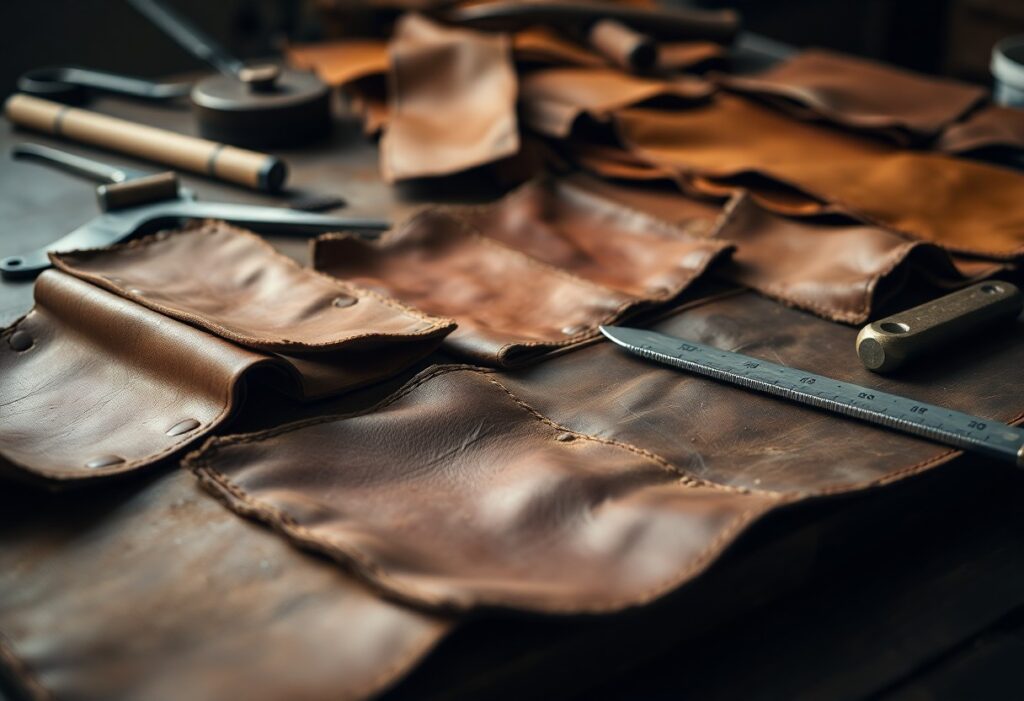
Leather tanning turns raw hides into stable, usable leather, and the method chosen changes everything from handfeel to durability. If you want a broader leather reference after this guide, start with the leather types guide for a useful companion read.
Quick take
Chrome tanning is the fastest and most water-resistant option, vegetable tanning offers the most traditional look and aging character, and chrome-free methods sit between the two for brands that want different environmental or performance trade-offs.
What Tanning Does, And Why It Changes Leather Quality
Tanning stabilizes hides so they do not decompose, then sets the foundation for flexibility, grain behavior, moisture response, and long-term wear. The same hide can feel dramatically different depending on whether it is chrome tanned, vegetable tanned, or finished through a chrome-free system.
That is why tanning is not just a production step. It is the first major decision that shapes how leather bends, dyes, resists water, develops patina, and handles daily use. In many cases, the best tanning method depends less on the raw hide and more on the final job the leather needs to do.
Choose the tanning method by outcome
- Pick Chrome Tanning for softness, speed, and everyday practicality.
- Pick Vegetable Tanning for structure, visible aging, and a more traditional character.
- Pick Chrome-Free Tanning when the process itself matters to the brand or buyer.
- Pick Combination Tanning when you need a compromise between feel and performance.
The Main Leather Tanning Methods
The core methods below are the ones most readers compare when they want to understand leather quality, performance, and production trade-offs. For a more consumer-focused look at how those differences show up in finished products, you can also read nubuck, suede, and roughout leather care tips after this guide.
Chrome Tanning
Chrome tanning uses chromium salts to convert the hide quickly and efficiently. It is widely used because it produces leather that is soft, flexible, and naturally suited to dyeing and finishing. It also offers strong water resistance, which helps explain its dominance in many leather categories.
Its biggest advantages are speed and consistency. Its biggest drawback is that the process brings more environmental scrutiny than vegetable tanning, so the quality conversation often includes waste handling and chemical control, not just performance.
Vegetable Tanning
Vegetable tanning relies on plant-derived tannins from bark, leaves, and other natural sources. It takes much longer than chrome tanning, but it produces a firmer leather with a distinctive surface character that deepens over time. Many buyers value that patina because it gives the leather a richer, more personal look as it ages.
Because it is more structured, vegetable-tanned leather often feels stiffer at first and can be less tolerant of wet conditions. That makes it especially appealing for accessories and footwear components where shape retention matters more than immediate softness.
Chrome-Free And Combination Tanning
Chrome-free tanning avoids chrome-based chemistry while still aiming for usable, durable leather. The exact result depends on the specific system used, so the final handfeel and finish can vary widely. It is often chosen when buyers or brands want a different processing profile rather than a single fixed look or texture.
Combination tanning blends more than one method to balance softness, stability, and aging behavior. In practice, this gives producers more control over the finished leather, which is useful when one tanning method alone does not deliver the desired performance.
Aldehyde Tanning
Aldehyde tanning is used for more specialized applications and is not the default choice for general leather production. It is best understood as a niche method that serves specific product requirements rather than a broad all-purpose option.
How The Tanning Process Works
The process has a few essential stages, and each one affects the finished result. Good tanning is not just about the chemistry in the drum; it is also about preparation, control, and how carefully each stage is managed.
For the best results, processors keep pH, temperature, and chemical strength within the correct range. Chrome tanning is typically faster and more temperature tolerant, while vegetable tanning takes longer and relies on slower tannin penetration. When control slips, the hide can become uneven, stiff, weak, or poorly finished.
How Tanning Affects Durability, Feel, And Maintenance
The tanning method determines how leather behaves long after it leaves the tannery. Soft chrome-tanned leather is often easier to shape and live with day to day, while vegetable-tanned leather usually rewards the buyer with a stronger sense of structure and a richer aging pattern.
Finishing treatments matter too, but they work on top of the tanning foundation. If you want a better feel for how protection choices interact with finished leather, these smooth-leather waterproofing alternatives show how post-tanning care can change performance without changing the base material.
What to expect from each method
- Chrome Tanning usually gives the easiest everyday wear and the strongest moisture tolerance.
- Vegetable Tanning often looks and feels better with age, but asks for more careful care.
- Combination Tanning can produce a balanced middle ground for products that need both comfort and shape.
- Chrome-Free Tanning is best judged by the exact system used, not the label alone.
Which Tanning Method Should You Choose?
Use the finished product, not the tanning buzzword, as your first clue. If you want flexible footwear, soft bags, or garments that need easy drape, chrome tanning usually makes the most sense. If you want a firmer, heritage look with visible aging, vegetable tanning is the stronger match. If a brand promise or process specification matters most, chrome-free and combination systems deserve a closer look.
Practical buying cue
If you are comparing finished leather goods, the tanning method should be weighed alongside grain quality, finishing, and intended use. For that next layer of comparison, this guide to leather characteristics and uses is the best place to continue.
Care Implications After Tanning
Once leather is tanned, care should match the tanning style. Chrome-tanned leather usually handles moisture better and is easier to maintain, while vegetable-tanned leather often needs more deliberate conditioning and more caution around water and staining. Suede, nubuck, and roughout also behave differently because their finishes expose the surface in ways that affect cleaning and protection.
If you are caring for those surface-sensitive leathers, the next logical step is learning the right care methods for nubuck, suede, and roughout. For smoother finished leather, matching care to the tanning base helps preserve feel and appearance for longer.
Need the right leather for the job?
Start with the tanning method, then confirm the leather type, finish, and intended use before you buy. That sequence usually gives a more reliable result than judging leather by appearance alone.
Frequently Asked Questions

Natalie Harper is a versatile author and content creator at My Shoes Finder, where she explores a wide range of general topics that resonate with diverse audiences. With a passion for storytelling and a keen eye for detail, Natalie crafts engaging articles that provide valuable insights and inspire readers. Her commitment to quality and relatability makes her work a trusted resource for those seeking both information and inspiration in their daily lives.
See also:
 Nubuck Vs Suede Vs Roughout Leather: Differences, Care, And Best Uses
 How To Choose The Right Leather Type For Shoes And Accessories
 Why Waterproofing Spray Can Ruin Smooth Leather Shoes
 Leather Barefoot Sandals
 How To Remove Mould From Leather Shoes Without Damaging The Leather
 How To Remove Candle Wax From Leather Shoes Safely



The evolution of leather tanning truly reflects the balance between tradition and innovation, which is increasingly relevant in today’s environmentally conscious climate. I appreciate how you highlighted various techniques such as chrome tanning, vegetable tanning, and chrome-free methods, as these processes not only underpin the quality and characteristics of leather but also showcase the significant interplay between craftsmanship and ecological responsibility.
It’s refreshing to see someone appreciate the nuances of leather tanning like you do. The balance between tradition and innovation really is fascinating. When you dive into the methods, it’s clear that each technique brings its own flavor to the final product.
You’ve touched on something quite profound about leather tanning. It’s interesting how deeply embedded tradition can influence modern practices while also allowing for innovation. I’ve read about how some artisans are experimenting with plant-based tannins, which not only honor traditional methods but also appeal to a growing demand for more sustainable practices.
You’ve touched on an important aspect of leather tanning that often gets overshadowed by the industry’s rapid advancements. The balance between tradition and innovation is a fascinating dance. It’s intriguing how techniques like vegetable tanning harken back to ancient practices yet remain relevant as we reassess their environmental implications in today’s market.
You’ve really hit a chord with that observation. The dance between traditional and modern methods is something I find fascinating too, especially in industries like leather tanning. Vegetable tanning is such an interesting case; it’s a process rooted in history but feels refreshingly relevant today as we start to prioritize sustainability.
You’ve highlighted a key tension in the leather industry that really draws attention to how we approach sustainability. Vegetable tanning, with its roots in ancient methods, shows us that some traditions hold value that can transcend time. As consumers become more aware of environmental impacts, there’s a growing demand for transparency and eco-friendly choices.
You’ve really captured the essence of what leather tanning represents today. It’s fascinating how these traditional methods and modern techniques are merging to create something that speaks to both heritage and progress. Chrome tanning, for instance, has its roots in efficiency and speed, and yet it raises questions about environmental impact that we can’t ignore anymore. On the flip side, vegetable tanning is like a throwback to when craftsmanship was paramount; it takes much longer, but the results often have a unique character and rich history that many consumers are starting to appreciate more.
You’ve touched on a really important aspect of leather tanning that many people don’t always consider. The evolution of these techniques indeed highlights that delicate balance between maintaining traditional craftsmanship and embracing the need for sustainability. It’s fascinating how processes like vegetable tanning, though much older, are gaining renewed interest as people seek out more responsible practices.
I found this insightful guide on nubuck suede and roughout leather that really complements the discussion on different tanning methods and their impact on both quality and care.
‘Guide to nubuck suede and roughout leather differences care tips and uses’
https://myshoesfinder.com/nubuck-suede-and-roughout-leather-care-tips/.
This exploration of leather tanning methods truly sheds light on the intricate journey from raw hide to a beautiful leather product. It’s fascinating how the choice of tanning can not only influence the aesthetics of leather but also its longevity and ecological footprint. Personally, I’ve always been drawn to the uniqueness of vegetable-tanned leather. Each piece tells a story, aging gracefully and developing a patina that reflects its life experiences.
I appreciate your thoughts on the journey from raw hide to leather. It really is a fascinating process, isn’t it? The influence of different tanning methods on the final product can be subtle but profound, shaping everything from texture to durability. Vegetable tanning, in particular, resonates with a lot of folks for the reasons you mentioned. It’s comforting to think about how a piece of leather can age and develop character over time, almost like a living thing.
It’s fascinating to see how the art and science of leather tanning have evolved over time. I particularly appreciate how you highlight the differences between tanning methods and their implications for both quality and environmental impact. I recently learned about the growing interest in using plant-based tanning methods, especially among artisans who focus on eco-conscious production. It’s encouraging to see that more consumers are prioritizing sustainability and supporting brands that embrace these methods.
It really is fascinating to see how the art and science of leather tanning have evolved over time. You hit on a crucial point regarding the differences between tanning methods and their implications for quality and environmental impact. With plant-based tanning methods gaining traction, it’s interesting to think about how traditional practices are being revisited and adapted to meet modern values around sustainability.
You bring up some excellent points about the evolution of leather tanning and the ongoing shift towards more sustainable practices. The contrasts between traditional and modern methods are not just about how the leather is produced but also reflect changing societal values. As consumers have become more conscious of environmental issues, the demand for eco-friendly practices has certainly pushed the industry to adapt.
You’ve really touched on an important aspect of the leather industry’s evolution. The shift towards sustainable practices in leather tanning certainly mirrors a broader cultural awakening around environmental concerns. Personally, I find it fascinating how much these changing societal values can influence traditional industries.
You raise some interesting points about sustainability in the leather industry, and that reminds me of a recent piece I read about effectively cleaning plastic residues on shoes—it’s a practical guide for those looking to make eco-friendly choices in their footwear care.
‘How to handle plastic residues on shoes tips for effective cleaning and care’
https://myshoesfinder.com/tips-for-effective-cleaning-of-shoe-residues/.
It’s fascinating to see how the art of leather tanning has evolved over the years, especially considering its deep-rooted history. I remember when I first learned about the differences between chrome and vegetable tanning; it completely changed my perspective on leather products. The eco-friendly aspect of vegetable tanning really resonates with me, especially in today’s world where sustainability is becoming more crucial.
It’s great to hear that you’ve had a shift in perspective about leather products. The distinction between chrome and vegetable tanning is indeed a significant one. While chrome tanning has its benefits, it’s hard to ignore the advantages of vegetable tanning, especially in our current climate. Many consumers are seeking products that are not just high-quality but also aligned with eco-conscious values.
It’s interesting how perspectives can change when we dive deeper into a topic like leather. The distinction between chrome and vegetable tanning really opens up a conversation about sustainability and craftsmanship that many consumers might not even consider at first. Chrome tanning has its advantages—mainly speed and cost efficiency—but we can’t overlook the bigger picture that involves environmental impacts and long-term benefits.
I appreciate your exploration of the different leather tanning methods and their impacts. It’s fascinating how the choice of tanning can affect not only the physical characteristics of leather but also its sustainability. For instance, vegetable tanning is often celebrated for being more eco-friendly, yet the longer process can mean higher costs and less consistent results.
It’s true, the nuances of leather tanning methods really do shine a light on the broader conversation around sustainability in our consumer choices. I find it intriguing how the traditional vegetable tanning process, while more eco-friendly, can often leave artisans and companies in a bit of a bind financially. It’s a classic case of quality over quantity, where the craft takes precedence but at a cost.
You’ve touched on an important aspect of leather tanning that often gets overlooked. The trade-offs between the eco-friendliness of vegetable tanning and its challenges in terms of consistency and cost can feel like a real balancing act.
I truly appreciate the depth you’ve brought to the discussion about leather tanning methods and their implications for quality and sustainability. It’s fascinating to think about how something as seemingly straightforward as leather can embody such intricate processes that reflect both craftsmanship and environmental awareness.
It’s great to see how much you appreciate the nuances of leather tanning methods. The craftsmanship involved really does tell a story, doesn’t it? Each method can influence not just the final product but also the relationship consumers have with materials. When we think about sustainability in this context, it raises interesting questions about production practices and environmental ethics.
I really resonate with what you said about the storytelling aspect of leather tanning. Each piece truly carries its own narrative, shaped by the methods, materials, and even the artisans behind them. It’s fascinating how these processes influence not just the aesthetics or durability of leather, but also our connection to the products we choose.
Ah, the art of leather tanning—who knew it could evoke such passion? I must say, if I had a dollar for every time I mistook a chrome-tanned leather for its vegetable-tanned cousin, I’d be able to buy a whole new wardrobe made from sustainably sourced materials. But I digress!
It’s fascinating how leather tanning can sweep us into such discussions, revealing not just the craft itself but the broader implications of our choices—especially related to sustainability. Your experience with mistaking chrome-tanned leather for vegetable-tanned really speaks to how nuanced the world of leather can be, and it highlights a common pitfall many face when diving into this field.
The nuances between chrome-tanned and vegetable-tanned leather can be quite puzzling at first. It’s interesting how these processes can yield such different results in texture, color, and environmental impact. While chrome tanning offers that lovely softness and vibrant color, it does come with some environmental concerns. On the other hand, vegetable tanning, while more sustainable, often has a more rigid feel and can take on beautiful patinas over time.
It’s fascinating to think about how the choice of tanning method can not only influence the aesthetics of leather but also its functionality and longevity. When I first learned about vegetable tanning, I was drawn to its natural process and how it often results in leather that ages beautifully, developing a rich patina over time. However, I’ve also come to appreciate the rapid production methods like chrome tanning for their efficiency and ability to produce consistent results.
It’s great to see such enthusiasm for the nuances of tanning methods. You hit the nail on the head with how the choice of tanning can impact not just the aesthetics but also the functionality and longevity of leather. The journey through vegetable tanning is indeed captivating. There’s something quite remarkable about the way it utilizes natural materials and takes its sweet time to develop an elegant finish. The unique character that emerges as it ages, complete with those beautiful patina changes, really does tell a story. Each scratch and variation reflects the history of the leather and adds to its charm.
What an intriguing dive into the world of leather tanning! It’s fascinating how a seemingly straightforward process can lead to such a variety of leather characteristics. I mean, it’s like the difference between a fancy espresso and that sad, lukewarm cup of office sludge. Sure, they’re both coffee, but the experience of sipping either can differ astronomically!
It’s interesting that you brought up the analogy of coffee when discussing leather tanning. It illustrates how perceptions can shape our experiences, particularly in materials. Just like with coffee, the variation in leather’s quality and characteristics often relies on the details of its creation and the choices made throughout the process.
It’s great to hear your perspective on leather tanning! That comparison to coffee really highlights what we often overlook in the details of craftsmanship. Just like with coffee, the nuances in leather come from the material itself and the care taken during the process.
It’s fascinating to delve into the intricacies of leather tanning and its significant impact on the final product. I’ve always been intrigued by how much the method of tanning can influence not just the durability and aesthetics of leather but also its environmental footprint. For instance, while chrome tanning offers quick production times and vibrant colors, it’s also a process that generates considerable waste and potentially harmful byproducts. On the other hand, vegetable tanning, though more time-consuming, not only allows for greater biodegradability but also lends a unique rustic charm to the leather, enhancing its character over time.
You’ve touched on some really important points regarding the complexities of leather tanning. It’s interesting to consider how our choices in methods reflect not just on the final product but also on our environmental responsibilities. I’ve also thought about how the speed and convenience of chrome tanning can often overshadow the longer, more traditional processes like vegetable tanning, which, as you noted, brings out a unique character in the leather.
You make some really insightful points about the different tanning methods. It’s interesting how the choices made in the tanning process ripple through the entire lifecycle of a leather product. I find it particularly compelling that while chrome tanning does offer those quick production times and striking colors, it often doesn’t get enough scrutiny for its environmental implications. The waste and potential toxins involved are significant, and it raises questions about the broader responsibilities of manufacturers in our fast-paced consumer culture.
Your exploration of leather tanning methods truly highlights the complexity of this age-old craft, which often goes unnoticed by consumers. It’s fascinating how the choice of tanning can impact not only the final product but also the environmental implications associated with leather goods.
It’s true that leather tanning methods are often overlooked, and it’s intriguing how these age-old practices intertwine with modern concerns. The shift toward more environmentally friendly tanning processes, like vegetable tanning, has definitely gained traction, but it’s clear there’s still a long way to go.
It’s fascinating to see how the evolution of leather tanning methods has shaped the industry and our interactions with leather goods. I remember when I first started exploring leather crafting as a hobby, I was drawn to the tactile nature of the material. Understanding the different tanning methods really opened my eyes to what I was working with.