
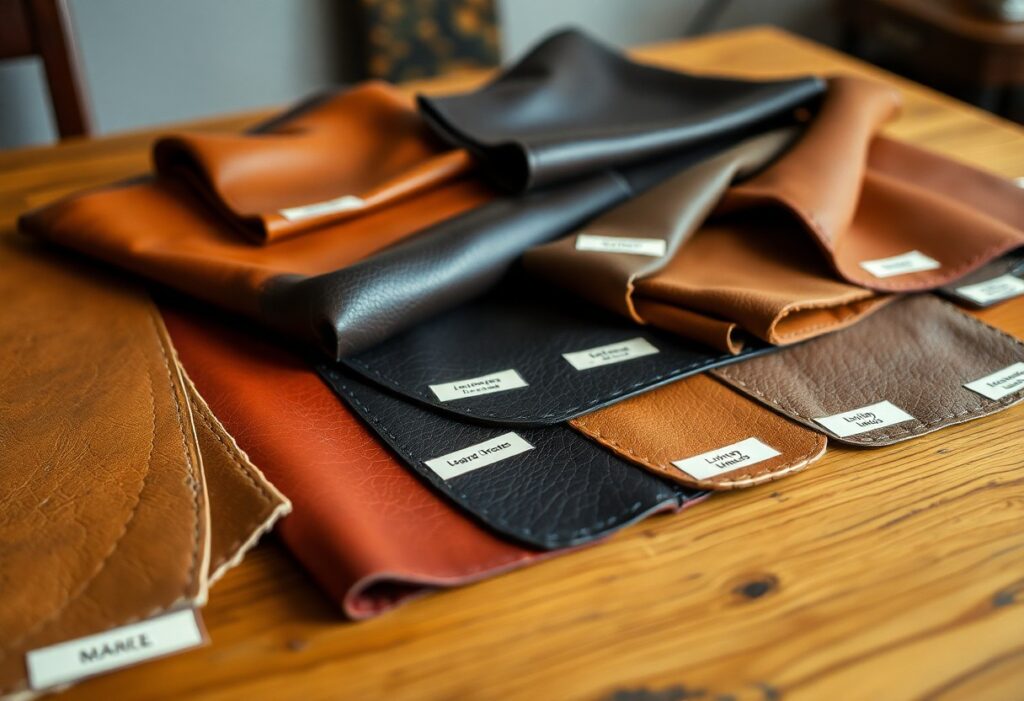
Choosing leather is less about the label and more about how the material will wear, feel, and age in real use. If you want the broader taxonomy, start with the leather characteristics archive; if you want to buy smarter, this guide focuses on which leather types work best for shoes, boots, jackets, bags, and accessories.
At a glance
Full-grain is the safest choice for durability, top-grain balances appearance and practicality, calfskin suits refined footwear, and suede or nubuck are better when texture matters more than weather resistance. Exotic leathers are usually about style, structure, and exclusivity rather than everyday value.
- Best All-Around Durability full-grain leather
- Best Polished Look top-grain or calfskin
- Best Soft Texture suede or nubuck
- Best For Hard Use cowhide
- Best For Luxury Detail exotic leathers, used selectively
Which Leather Type Fits Which Job?
The easiest way to choose is to match the leather to the product’s job. A dress shoe needs a different balance of firmness and finish than a boot, and a wallet needs different performance than a jacket. Leather quality also depends on how the hide is processed, so the tanning method matters just as much as the animal source; if you want that side of the decision explained, see leather tanning methods, types, and quality impact.
| Leather type | Durability | Softness | Water resistance | Best use |
|---|---|---|---|---|
| Full-Grain | Excellent | Medium | Moderate | Boots, premium shoes, belts |
| Top-Grain | Very good | Medium | Good | Dress shoes, bags, jackets |
| Calfskin | Good | Very high | Moderate | Fine dress shoes, luxury goods |
| Suede | Fair | Very high | Low | Casual shoes, soft accessories |
| Nubuck | Good | High | Low to moderate | Smart casual shoes, refined boots |
The Main Leather Types, In Practical Terms
Leather names can sound technical, but the differences usually come down to surface, firmness, and how much of the original hide structure remains intact. That is why one leather can look refined but wear slowly, while another may be tougher but less polished.
Full-Grain Leather
Full-grain keeps the hide’s natural surface intact, so it is the most durable and ages well with wear. It is the best option when you want longevity, a developing patina, and a material that can handle regular use in boots, premium dress shoes, and leather goods that are meant to last.
Calfskin, Cowhide, And The Other Common Hides
Calfskin is softer and finer, which is why it is used for elegant shoes and accessories. Cowhide is thicker and better for hard-wearing footwear. Pigskin, sheepskin, and goatskin each fill niche roles: pigskin is budget-friendly, sheepskin is soft and lightweight, and goatskin is flexible enough for gloves and light accessories.
Suede And Nubuck
Suede is made from the softer underside of the hide, while nubuck is buffed from the outer surface for a velvety finish. Both feel luxurious and look great in casual or smart-casual pieces, but neither is the best choice if you expect heavy rain or rough daily treatment.
Bonded Leather And Exotic Leathers
Bonded leather is a lower-cost composite made from leather fibers and binding agents, so it is useful when budget matters more than lifespan. Exotic leathers such as alligator, ostrich, stingray, python, and lizard are usually chosen for visual effect, texture, and exclusivity rather than everyday practicality.
What Changes Leather Quality
Two products can both be called “real leather” and still perform very differently. The differences usually come from the source hide, how it was preserved, and how it was tanned and finished. Age, breed, and living conditions affect the fiber structure of the hide, which is why calfskin tends to feel smoother and more supple than adult cattle hide.
Tanning is especially important. Chrome tanning usually creates softer, more flexible leather, while vegetable tanning tends to produce a firmer, more structured material with a more natural feel. Finishing can also change how the leather looks and behaves, especially in terms of sheen, color consistency, and surface protection.
Practical Rule if the item will be handled daily, put durability first; if it is for formal wear or visual refinement, put finish and hand feel first; if weather exposure is likely, avoid delicate suedes unless you are prepared to maintain them carefully.
How To Choose Confidently Before You Buy
- For Everyday Shoes choose full-grain or top-grain if you want the best mix of wear resistance and value.
- For Dress Shoes calfskin gives a cleaner, more refined finish and usually feels more supple on foot.
- For Boots full-grain or thick cowhide usually handles scuffs, bending, and weather better than softer leathers.
- For Casual Style nubuck and suede give texture and depth, but they need more protection and care.
- For Luxury Accents exotic leathers can be beautiful, but use them when style outweighs utility.
If you are still choosing between leather and finish types, it helps to think one step ahead about maintenance. A leather that looks perfect in the store can become frustrating if you do not want to condition it, brush it, or protect it from moisture. For product-specific upkeep, the nubuck, suede, and roughout care guide is the most relevant next read.
When The Choice Should Change Because Of Care And Storage
Leather choice does not end at checkout. The right storage and support can extend the life of even a good pair of shoes, while the wrong routine can shorten it. Shoe trees help leather shoes keep their shape, reduce creasing, and dry more evenly after wear, which is why they are a smart companion to better leather construction. A separate guide on shoe trees, their types, and how to choose them is useful once you have bought your pair.
Water protection is another place where the leather type matters. Smooth full-grain and top-grain leather usually respond better to protective care than delicate suedes, which can darken or change texture if treated carelessly. If you are deciding whether to protect a smooth leather shoe with spray, start with alternatives to waterproofing spray on smooth leather before you commit to a product.
Next step
If you want to understand why some leather feels softer, wears faster, or holds color differently, the tanning stage is the missing piece.
Frequently Asked Questions
What Is The Difference Between Calfskin And Cow Leather?
Calfskin comes from younger animals and is usually finer, softer, and more flexible. Cow leather is thicker, tougher, and better suited to hard-wearing shoes and boots.
What Makes Shell Cordovan Different From Other Leathers?
Shell cordovan is made from a specific membrane layer from the horse’s rump. It is dense, glossy, and exceptionally durable, with a distinctive rolling crease rather than a typical bend crease.
How Do Crocodile And Stingray Leathers Differ In Use?
Crocodile leather is flexible, premium, and used where luxury matters, while stingray leather is extremely hard-wearing and visually distinctive but harder to cut, stitch, and finish.
If you are buying leather shoes or accessories, start with the use case, then narrow the material by durability, finish, and care level. That sequence leads to better purchases than choosing by name alone.

Ethan Marshall is a passionate writer and content creator at My Shoes Finder, where he explores a diverse range of topics, from lifestyle and fashion to innovative products and personal development. With a keen eye for detail and a commitment to delivering engaging and informative content, Ethan connects with readers by sharing insights that inspire and inform. He believes in the power of storytelling to influence positive change, and he continually seeks to provide valuable perspectives that resonate with his audience.
See also:
 Leather Tanning Methods Explained: Types, Process Stages, And Quality Impact
 Nubuck Vs Suede Vs Roughout Leather: Differences, Care, And Best Uses
 Why Waterproofing Spray Can Ruin Smooth Leather Shoes
 How To Remove Candle Wax From Leather Shoes Safely
 Should You Condition New Shoes? Here’s When To Wait
 Xero Shoes Spring Neutrals Review: Cassie Knit and Dillon Leather



I really appreciate your deep dive into the world of leather and its diverse types. It can be quite overwhelming, especially with so many options on the market, but understanding the unique characteristics of each type certainly clears up some confusion. Full-grain leather seems to be a standout choice for durability, which makes it a great investment for items that see daily use, like shoes or bags.
I really appreciate the depth of your guide on leather types and their applications. As someone who has dabbled in both fashion design and sustainable sourcing, I have found the choices surrounding leather to be both overwhelmingly complex yet incredibly rewarding.
I appreciate you sharing your thoughts on the guide. Navigating the world of leather can feel like wandering through a labyrinth sometimes, especially with all the options out there. Your experience in both fashion design and sustainable sourcing gives you a unique perspective on the challenges and rewards of working with leather.
It’s interesting to hear your perspective on the complicated world of leather choices, especially as you navigate the intersections of fashion design and sustainable sourcing. You’re certainly not alone in feeling this complexity; leather can seem like a labyrinth of options, each with its own unique implications for both style and sustainability.
It truly is a complex landscape to navigate, isn’t it? The way leather intersects with fashion design and sustainable practices brings up a lot of interesting questions about ethics, materials, and consumer choices. I often find myself reflecting on how our culture’s relationship with leather has evolved—especially with the growing awareness around sustainability and the environmental impact of different materials.
You’ve hit on some really critical points about the intersection of leather, fashion design, and sustainability. It’s fascinating to think about how our relationship with this material has transformed over time. Not so long ago, we largely viewed leather as a standard choice in fashion, largely without considering the environmental implications. But now, the conversation is evolving, and it’s refreshing to see so many people engage with the complexities of this topic.
Navigating the leather landscape certainly presents a myriad of choices, doesn’t it? Each type of leather not only carries its own aesthetic qualities but also its own environmental footprint, which can be quite daunting for designers and consumers alike. It’s fascinating how fashion can intertwine with sustainability—some luxury brands are turning to alternative materials or ethical sourcing methods, responding to the growing demand for transparent practices.
It’s great to connect with someone who shares that passion for sustainable sourcing in fashion design. The complexity of choosing leather often mirrors the broader challenges in the industry when it comes to balancing aesthetics, functionality, and sustainability. I’ve noticed that many designers are increasingly looking at alternatives like plant-based leathers or recycled materials, which opens up a whole new realm of creativity.
It’s refreshing to hear your perspective! The shift towards materials like plant-based leathers and recycled options really does spark a lot of innovative ideas. Designers are not just limited to traditional aesthetics anymore; we’re witnessing a wave of creative solutions that balance style and sustainability.
Navigating the world of leather can feel like walking through a maze, especially with so many options and ethical considerations to ponder. Your experience in both fashion design and sustainable sourcing gives you a unique vantage point. It’s crucial that we balance aesthetic appeal with environmental impact, right?
Navigating the world of leather really does feel like a maze sometimes, especially with so many brands and practices to consider. The balance between aesthetic appeal and environmental impact is something I think about quite a bit. In my own experience, I’ve found that consumers today are more discerning and are looking beyond just the look and feel of the material; they want to know the story behind it.
I recently came across a helpful guide on shoes that really balances comfort and support, especially for those dealing with plantar fasciitis – perfect for navigating both foot care and sustainable choices.
‘Xero Shoes for Plantar Fasciitis: 2025 Evidence-Based Guide to Natural Pain Relief’
https://myshoesfinder.com/xero-shoes-for-plantar-fasciitis-2025-guide/.
This guide truly opens up an essential conversation about the nuances of leather selection, which often gets overlooked but plays a significant role in our everyday purchases. It’s interesting how the choice of leather not only affects the durability and aesthetics of products, but also our overall satisfaction and experience.
You’ve hit the nail on the head! Choosing leather is like picking out a partner for a long-term relationship—durability, aesthetics, and comfort all come into play. It’s like, do you want a classy night out or a rugged adventure? The right leather can make a bag feel like an extension of yourself or, conversely, an awkward first date.
You hit on something really important. The way we think about leather choices often gets lost in the shuffle, especially when we’re bombarded with so many options in the marketplace. It’s like we sometimes just default to what looks good or what’s popular, without considering how those materials can change not just the lifespan of a product but also how it feels to use it.
You’ve hit on a really interesting point about leather selection and its broader implications. It’s true that many of us might not think about the type of leather too deeply when making a purchase, yet it can dramatically influence not just the product’s lifespan but also our relationship with it. For example, I remember reading about how different types of leather can age over time, evolving their character and often telling a story unique to the user. That idea really shifted my perspective—how a well-loved leather item can reflect personal experiences and moments in time.
I truly appreciate this guide’s clarity regarding leather options, as navigating through the vast array of choices can often feel daunting. Your breakdown of the characteristics of different leather types is not just informative; it empowers consumers to make better decisions that suit their individual needs and lifestyles.
Navigating the world of leather can definitely feel daunting given how varied the options are. I’m glad to hear that the guide helped clarify some of those choices for you. One of the things that fascinates me about different leather types is how the characteristics often reflect the lifestyle and values of the person using them. For example, selecting a more sustainable leather option not only caters to personal taste but also aligns with a growing awareness of environmental impact.
I appreciate the depth of your guide and the emphasis on making informed choices when it comes to leather products. The distinction between leather types—especially full-grain—highlights the importance of not only understanding what you’re purchasing but also the investment implications behind it. I find this particularly relevant in a world where fast fashion often overshadows quality craftsmanship and longevity.
Your exploration of the various types of leather and their specific characteristics offers a crucial foundation for consumers navigating their choices. As someone who has spent a significant amount of time researching and investing in leather products for both style and function, I can attest to the importance of understanding the distinctive qualities that each leather type brings to the table.
I appreciate your insights on the significance of understanding different leather types. It really does make a difference when you can differentiate between, say, full-grain and corrected-grain leather, especially when it comes to durability and patina development. I’ve also found that the way leather ages can be a reflection of how it’s cared for over time, which is kind of a metaphor for many aspects of life—small choices can lead to remarkable changes down the line.
It’s great to hear that your research into leather has given you a solid understanding of the different types available. Leather can be such a nuanced material—each type carries its own story and purpose, and recognizing those distinctions can really elevate the selection process. For instance, I’ve always found the difference between full-grain and split leather fascinating. Full-grain offers that beautiful natural patina that develops over time, while split leather is often more accessible and versatile.
I appreciate how you’ve broken down the complexities of leather into more digestible parts. It’s so true that choosing the right leather can profoundly affect the lifespan and functionality of our products. I remember splurging on what I thought was a great deal on a budget leather jacket, only to have it wear down after a season. It really highlighted the importance of understanding what you’re buying.
The experience you shared about the budget leather jacket resonates with many who have ventured into the world of leather products without fully understanding the finer details. It’s such a common scenario: the allure of a lower price point can often cloud our judgment, leading us to overlook critical factors that determine a product’s longevity.
This guide offers valuable insights, especially for those new to the world of leather. I appreciate how you emphasize the impact of choosing the right type of leather on the longevity of products. Personally, I’ve experienced the frustration of investing in a ‘stylish’ bag that wore out after just a few months due to poor quality leather. It’s a lesson learned the hard way, and I now prioritize full-grain leather for its durability.
It’s great to hear that you found the guide helpful. I totally get the frustration with a bag that just doesn’t hold up. Many people get lured in by trends and styles but end up with something that ends up in the donation pile way too soon. It’s almost like the allure of a fashionable piece can overshadow the practical stuff, like quality and longevity.
I totally get where you’re coming from with the frustration over a bag that starts to fall apart after just a few months. It’s disheartening when you think you’re making a solid investment, and then you end up with something that doesn’t hold up. Choosing the right type of leather really does make all the difference, and full-grain is a solid choice for anyone looking for longevity. Not only does it age beautifully, but it also develops a unique character over time, which I find adds to its charm.
I found your insights on leather types intriguing, particularly the emphasis on the importance of selecting the right leather for specific uses. It’s fascinating how something as seemingly straightforward as choosing leather can encompass both practical considerations and a broader cultural significance.
I’m glad you found the insights on leather types intriguing. It’s interesting to think about how choosing the right leather really does involve more than just aesthetics or durability. Each type tells a story, often tied to its origin and production methods, which can connect us to different cultures and traditions.
It’s so true that each type of leather carries its own narrative, often reflecting generations of craftsmanship and cultural significance. I was reading about vegetable-tanned leather recently, and it’s fascinating how the tanning process can take several months, allowing the leather to develop a unique patina over time. It kind of mirrors our own growth, doesn’t it?
Speaking of connections to different cultures, I recently came across some great insights on choosing barefoot sandals that delve into the importance of materials and design in enhancing both comfort and cultural appreciation.
‘The Ultimate Guide to Buying Barefoot Sandals for Beginners’
https://myshoesfinder.com/xero-sandals/the-ultimate-guide-to-buying-barefoot-sandals-for-beginners/.
It’s interesting how you tied the journey of leather to our personal growth. The way vegetable-tanned leather evolves over time reminds us that patience and attention to detail can lead to something truly special. Each mark and change in texture reflects not just the material’s history, but the stories woven into our own lives as well.
You’ve hit the nail on the head with that observation about leather! Choosing the right type can feel a bit like picking the perfect partner—there’s a lot to consider beyond just looks. You wouldn’t bring a casual denim-wearing friend to a fancy dinner, right? Similarly, taking a rugged leather jacket to a formal event might be seen as a faux pas. Each leather type has its own personality, and understanding that can be quite the adventure.
You’ve captured a crucial part of the conversation around leather, which often gets overlooked. Selecting the right leather is about much more than functionality; it taps into how we relate to craftsmanship, sustainability, and even tradition. For instance, knowing the difference between full-grain and corrected-grain leather can significantly impact the longevity and aesthetic of a piece.
It’s interesting how the choice of leather can significantly affect not just the product’s longevity but also its overall impact on sustainability. For example, opting for full-grain leather might be more durable in the long run, but we should also consider the environmental implications of leather production. The sourcing and tanning processes can be resource-intensive and harmful to ecosystems if not managed responsibly. Additionally, with the rise of alternatives like synthetic leathers or plant-based options, it’s worth debating whether these can match the durability and aesthetics of traditional leathers while being more sustainable. Have you explored how these emerging materials stack up against the classic types you’ve highlighted? It would be fascinating to consider how consumer preferences might shift as awareness grows.
You’ve hit the nail on the head with the whole leather longevity and sustainability dilemma. It’s like choosing between a trusty old friend who’s been around forever and a shiny new acquaintance who’s full of quirks and surprises. Full-grain leather, while undeniably tough and classic, does bring with it a hefty environmental footprint, especially when we dive into the nitty-gritty of how it’s sourced and processed. Those tanning processes can be as tricky as they sound — it’s not just a casual stroll through a pasture, and the resource intensity can feel like a small eco-crime if done irresponsibly.
I really appreciate how clearly you’ve broken down the characteristics of different leather types. When I was shopping for a leather jacket recently, I felt completely overwhelmed by all the options available. Understanding that full-grain leather offers the best durability helped me make a more informed choice.